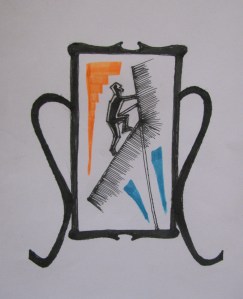
THE BUS STATION

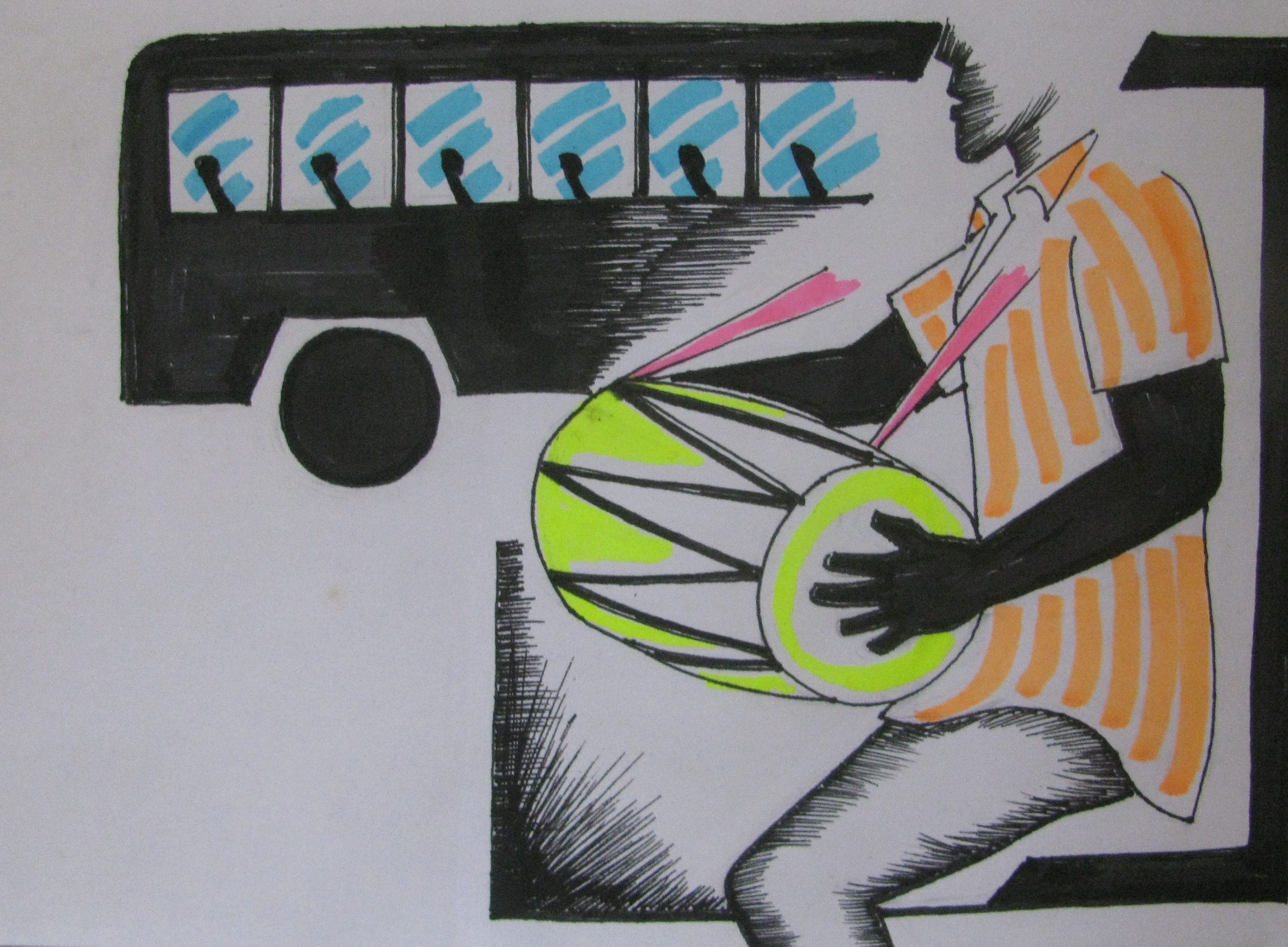
Illustration: Shyam G Menon

Illustration: Shyam G Menon

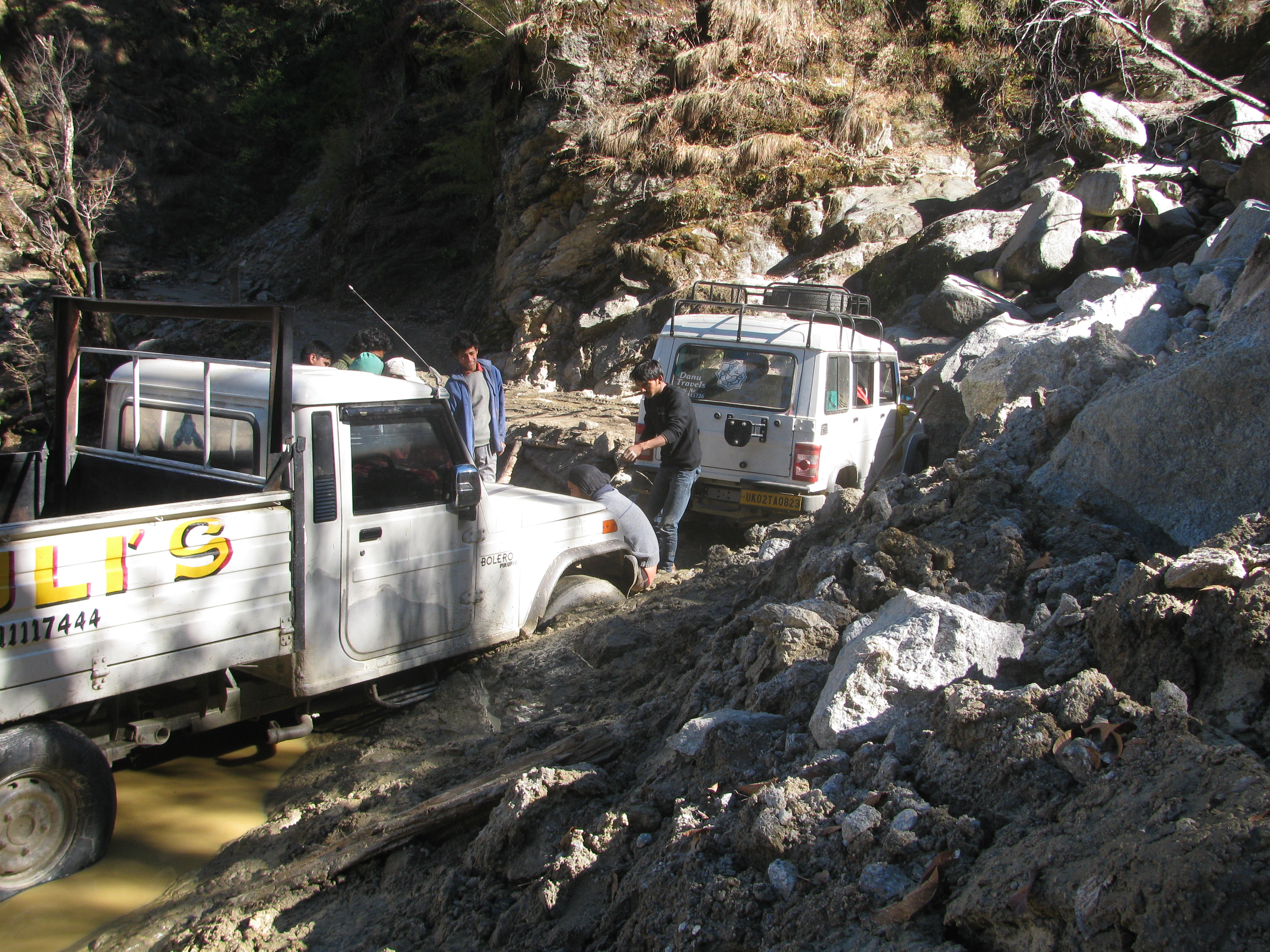
Some years ago, a friend from Ladakh and I, were on our way from Uttarkashi to Delhi.

We travelled to Rishikesh in a packed jeep and from there, took a bus to Haridwar.

Upon reaching, we found that there were no buses just then to Delhi.

Trains were full and the only available tickets required patronizing the black market.

We decided to wait for a bus.

The bus station was the regular sort – dismal. It was located opposite Haridwar’s railway station and therefore in a rather busy part of town. We briefly walked around in the neighbourhood, had tea from a roadside vendor before the railway station and then settled down to wait at the bus station. These are the occasions when you indulge in India-watching. What’s that man doing? Isn’t that woman beautiful? Those people, dressed that way – where could they be from? What’s that vendor selling? Why do people have so many children? So on and so forth. I wondered what my Ladakhi friend made of the Haridwar environment, thick with people. Ladakh was vast desolate mountain landscape with few people. It was cold desert. As one of the least populous districts of India, his land was the absolute opposite of this congestion at the foothills of the Himalaya, where the plains lapped innocently at mountains’ feet not yet betraying the ocean of troubled life beyond the teasing waves. As you went more and more into the plains, crowd and congestion rose till India became crushing reality of huge population struggling for resources. Yet we never speak of our numbers. I had just begun freelancing then and in the years that followed, I would discover how averse even the Indian media was to being reminded of population as anything but market and potential GDP.

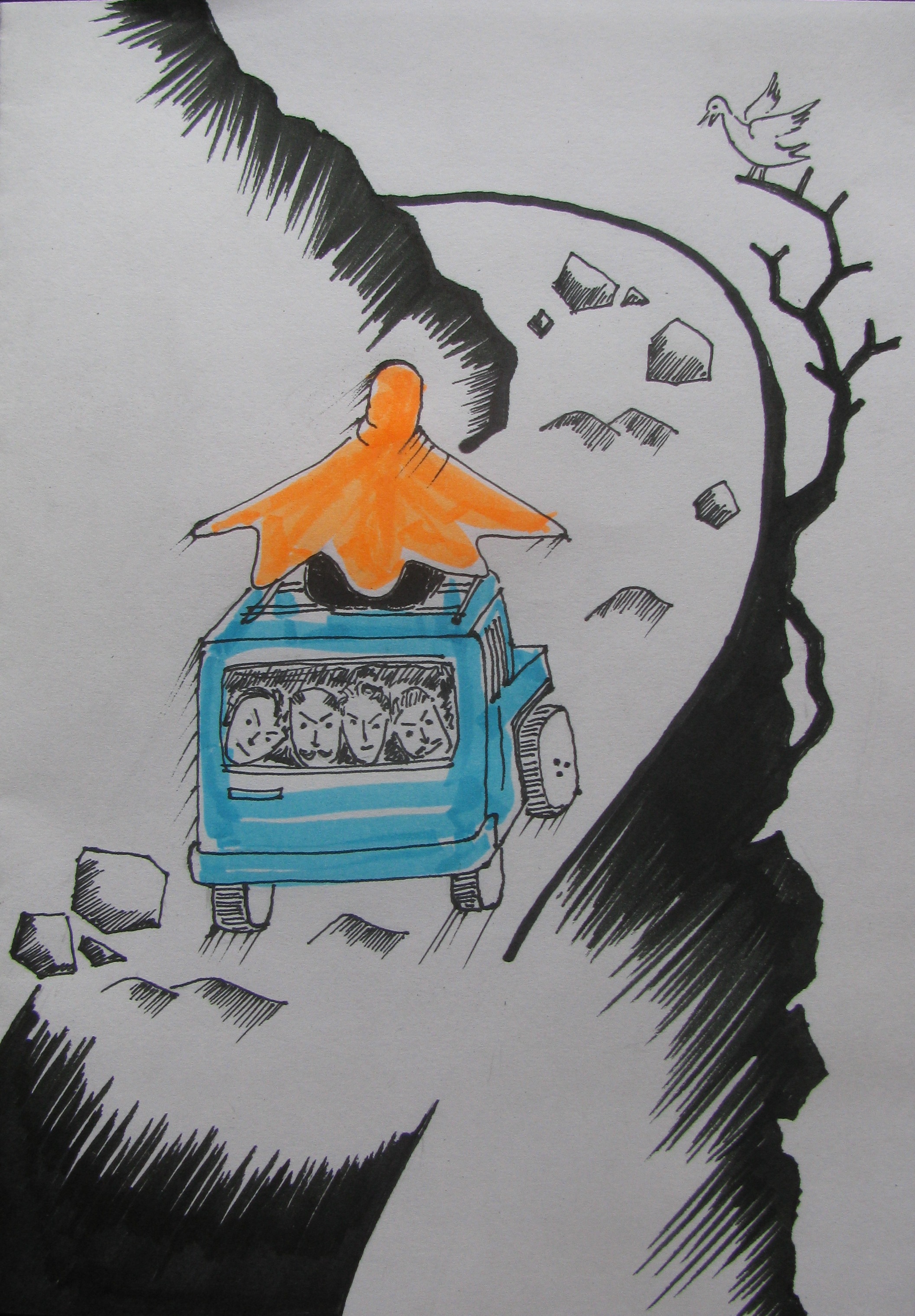
A bus, clearly not state transport type, drove into the station and stopped. A troupe of youngsters got out. One of them carried a drum. Ten minutes later, a street play ensued in the bus depot. It was on safe sex, HIV, population, family planning and so on. The people around watched, amused. Women pulled their saris over their faces and laughed shyly. Until some years ago sex was too touchy to discuss publicly in India. Babies happened. And when babies were a more conscious choice, it was packaged as human fulfilment, even cultural expression. Either way, every census returned more numbers of us. Who cared if we were drowning in all that fulfilment and expression? The street play went on for a while. When it concluded, the artistes treated themselves to tea, packed their props and returned to the bus. It drove off to new location somewhere else.

I couldn’t help admiring those young people.

They showed the courage to address something terribly important to India and grossly neglected by everyone from government ministers to common people. I also remember feeling sad – for nobody and by that I mean nobody, will ever tell those young people how critical they were for public awareness. In contemporary Indian imagination only losers do what those youngsters did. Winners find profitable careers; make money, have babies, leave India – so on. When aspiration is the stuff of escaping the drowning, who wants to plug the deluge? If you want to do anything sensible, you must be prepared to live with the stigma of being loser. I hope those young men and women find the resources to endure it.

The bus to Delhi arrived.

Hours later, we reached India’s capital.

From Delhi, my friend left for Ladakh.

I returned to Mumbai.

Recently, Business Standard – a well known Indian financial newspaper – reported on an Oxfam study alerting the world to the average price of staple foods like wheat and maize doubling worldwide by 2030 (http://www.business-standard.com/article/markets/world-stares-at-doubling-of-food-prices-by-2030-113101501088_1.html). Some of us may find that too conservative, for in our own lifetime we saw prices shoot up more. The scorching price of onions was top news in India some weeks ago. Anyway – average prices doubling globally was Oxfam’s estimate and they attributed the scenario to a host of factors ranging from climate change to high population, falling productivity in agriculture and cultivable land diverted for crops other than food courtesy market forces. The main cause and probably the most immediate of all causes cited, was climate change. But think a bit and you will see behind it, the ways of a giant population. We and our ways worldwide contributed in no small measure to climate change. We can’t dissociate ourselves from adverse weather phenomena. We cannot also dissociate ourselves from the ways of the commodity markets. Today on the planet, we are a global population of over seven billion people plus the habits and aspirations of that many. We will exceed nine billion people globally by 2050. Our demand for food is projected to rise by 70 per cent. As yet, we don’t seem to have good enough answers or leadership for what potentially lay ahead. The forecast on sharp rise in food-demand is when we don’t have the will despite our existing predicament, to stop the rotting of food for want of proper storage. Not to mention, each one of us thinks we deserve family; the undeserving is someone else. The big picture engages none. Maybe, it exhausts everybody. The price of continued disinterest in the big picture can be steep. It isn’t about food alone. It is also about what people will do to get food; the potential for conflict therein.

Earth seems a bus station needing a street play.

Nobody wants to lose tackling a difficult truth.

The easy win, attracts.

I wonder where those youngsters are.

(The author, Shyam G Menon, is a freelance journalist based in Mumbai.)

IN THE SPOTLIGHT

Illustration: Shyam G Menon

Illustration: Shyam G Menon

We were around seventy people killing time in a large, bare classroom at a school in suburban Mumbai.

Every fifteen minutes or so, a group of volunteers would come and whisk off two or three from the room. At regular intervals, a round of applause, sometimes shouts of encouragement, reverberated from the outside. Fervent shouting meant the competitor was battling in the arena, sustained applause meant he had done damn well. Once in a while, a moan would emanate. Its meaning was well known and dreaded.

What would my fate be? I thought.

Barring another person – a veteran climber – everyone else in the room seemed well below thirty years of age. They were mostly college students or youth in their twenties, early twenties. Preparation had been diligent and designed to peak for the zonal climbing competition. Fit gladiators, all. A lot of people in the room were shaking out their limbs, limbering up or trying to focus. Once in a while somebody would get up and trot around the room, a few hops and stretches added for warm-up. Occasionally the door frame attracted and a climber or two did pull-ups. The person next to me was wiping his climbing shoes. He cleaned every nook and cranny of its sticky rubber; then inspected it closely to make sure. What if one particle of dust was what made the difference?

Here and there in the room, the people with the best chances relaxed in a heap of cronies. It was funny – anyone capable in India became an emperor. There was careful pattern to the talk of king and crony. The hangers on would massage the champion climbers’ ego – “ you are a wizard; you are strong,’’ so on and so forth. The champions in turn did that old feudal trick of courting the underdog. They would cite inadequate practice and better preparation by foes. Everyone wanted to win, badly so. From the quiet ones preparing in their minds for battle to the hangers on enticing the champs up cliffs of sycophancy to the champs fighting off the unwanted adulation – all wanted to win. Why not? We live in the age of ambition and competition.

I knew most people in the room but didn’t have anyone to really connect to. I was in my late thirties then, average climber and participating in the zonal competition partly to find out if I could belong to climbing at such level and partly to challenge the negativity in my head. I had wanted to take part in the competition but didn’t feel like because I was sure I would place at the bottom. Who wants a bottom dweller? But that seemed a case of me being unfair unto me, plus fear of failure.

So in I went.

Those days, every weekend was spent climbing. Soon after I registered for the competition, preparations began. I had to do what I could. I was employed at a newspaper. After work, I frequented a friend’s house to train. Abhijit Burman aka Bong had a tiny climbing wall made of a single plywood sheet fitted with artificial holds. This was his old house, before he acquired a new place where he built a wall such that he seemed to be living under it. And that was before he lost his living space to climbers moved in to live under his wall! I trained my way. Young people do a lot of dynamic moves. It featured lunges and leaps. It was the popular climbing style. I was too much a bag of injuries to risk that. Besides I didn’t like dynamic moves. They make for great visual. But outside competition environment and pre-protected sport routes, most climbers wouldn’t do it. Yet that’s what competitions strive to be – great visual. It is activity squeezed into spectacle format. Without it where’s the fun for participant and arena? Not to mention business model, for media and sponsors don’t go where there isn’t spectacle. All sports therefore have their competitive half. We may have run originally as hunters engaged in lengthy pursuit of prey. But there is no competition on the planet more engaging than ascertaining who is the fastest runner around even if you can hold that pace for only less than ten seconds. The stadiums of ancient Greece and the arenas of ancient Rome are thus among the longest standing truths about human behavior. They have since hardened into markets deciding how sport should be. My upcoming zonal competition was a tiny, tiny version of that legacy by market.

Twice or thrice every week, I finished work early and took the suburban train to my friend’s house for an hour or two on his climbing wall. On the day of competition, parked in that classroom of gladiators, I knew my efforts to prepare had been very little compared to the training and goals in my neighborhood. So I kept quiet and rested. Till the numbers in the room dwindled and the airy classroom was so thick with the wait that it started to suffocate like a prison. The bars on the windows looked like the burly rods of a jail. I had sat in chambers like this before when I was a regular competitor at college in extempore speech contests. You went through a period of isolation before the competition but that was rarely for more than an hour, including five minutes to prepare once topic was given in isolation within isolation. With seventy climbers listed and mine being the last number to be called, it was a wait from morning till evening. I was mad with restlessness by the time I reported at the wall. Forget the climbing wall; I could have walked through brick and concrete to taste freedom.

A voice announced my name on the loudspeaker. I fastened my harness, picked up my chalk bag and approached the wall. I was nervous. I don’t know how competitors manage to wave to crowds and such. My deduction now is – they wave to get the nervousness over and done with. Once the world is acknowledged and elegantly pushed out of your head, all that remains is climbing. My head was full of several worlds asking – what the hell are you doing here? A few of my friends cheered and the sound system switched to loud, thumping Hindi film music. People started clapping in anticipation of spectacle. I made a threaded figure of eight on the rope incorporating my harness loop also into it. Its safety knot locked off like a mute button silencing surrounding world.

Now there was no escape.

What next for reluctant warrior?

Suddenly my average climbing ability was all over me and embarrassingly so, for I had additionally walked into the spotlight. It was like being on the poster of `Chicago’ with no dancing skills at hand. I could imagine the flair shown by the others. The youngsters would have danced and pirouetted their way up from hold to hold. That’s what all those ovations I heard in isolation had been.

They must have been fantastic.

Will I be as good as them? The well trained climber, having prepared for weeks, works his way elegantly from hold to hold up the wall, till on that roof high above the ground – oh watch this ladies and gentlemen – he executes a one hand-hang, rests a while in a figure of four, chalks up his hands, shows off the power in his abs as he assumes the horizontal, calmly clears the roof and waltzes his way to the top!

Applause!

In retrospect and after watching several competitions, I have realized that aside from being a great climber, a winner on the wall is usually someone who can channel the encouragement from the audience into a positive flow of energy for climbing. Someone who enjoys climbing and who just enjoyed it better given all those people sitting around. You just shouldn’t get shaken up. My existence was different. I enjoyed climbing; climbing at my pace. I didn’t enjoy people as easily. At the wall, I was shaken and stirred, down to the tip of my roots. And my thought at that point was – what the hell am I doing here? I just didn’t believe that I could do anything. I didn’t study the route properly and all I remember is mumbling my readiness to the person belaying. Then I blindly climbed a few moves up, found myself wrong footed for the next move and lost interest.

I came off the wall.

A moan of disappointment went up from the audience. But it didn’t linger long. A new song blared loud on the sound system. The competition had concluded and it was now time for the results. I knew where I stood in the list. I quietly packed my rucksack and left the scene. Some weeks later, Bong, who had been part of the competition’s organizing team, handed me a certificate that said I had taken part in the zonal. It is there, somewhere in my cupboard.

The day after the competition, I was back to being newspaper reporter in Mumbai’s rat race. Save one friend at work, nobody knew where I had been. Several months after this competition, I participated in another one. It was far more informal and internal to my climbing club. It was on natural rock. I finished a respectable fourth I think, in that much less challenging field.

I have since taken a clean break from competitions.

Fourth place seemed apt for honorable exit!

(The author, Shyam G Menon, is a freelance journalist based in Mumbai. The zonal competition mentioned in this article happened several years ago.)

AN EARLY MORNING IN PUNE

Illustration: Shyam G Menon

Illustration: Shyam G Menon

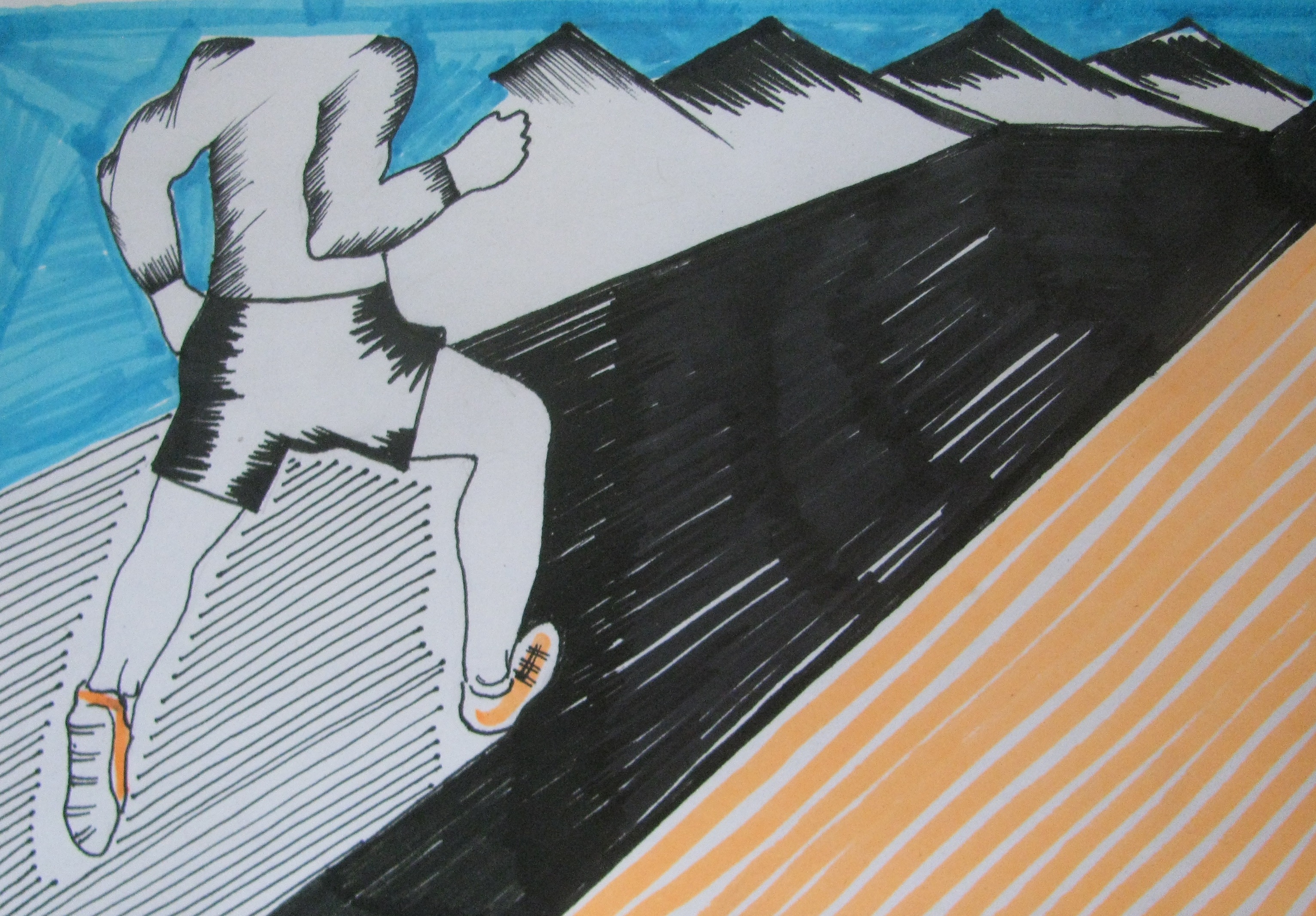
Recovering from a shin injury seemed apt time to catch my first sight of many people running together.

Although based in Mumbai, a city renowned for its annual marathon, I hadn’t watched any running event cast so. The closest I got to the spectacle of people-in-motion was during early morning jogs in cantonment towns in the Himalaya, when my very slow self would be overtaken by groups of soldiers running by.

Last weekend changed that.                                  

I wanted to support my friend who had taken to running in her fifties. I have been on mountaineering expeditions. I know what an uphill task is. She was tackling an uphill task in life albeit in a different sport. She had enrolled for a run in Pune. It is an interesting city; a mix of the traditional and the modern with much young blood for physicality. Mumbai on Maharashtra’s coast and Pune on the western margin of the Deccan plateau are cities distinct by character. Past 4.45AM, my friend and I walked to the venue. Early morning there was very little traffic. The October weather was pleasant. Mumbai after the rains was prone to heat and humidity. Pune, 1840 feet above sea level, was neither hot nor cold. The train journey in had been lovely. A post monsoon explosion of orange coloured blossoms graced the countryside bordering the railway tracks. It was Sunday. Yet I suspect Pune woke up more casually than Mumbai, India’s nonstop financial capital. No tea stall was open. No vendor of India’s wake-up beverage had parked his cart close to the venue to tap the early morning market of people out walking and running.

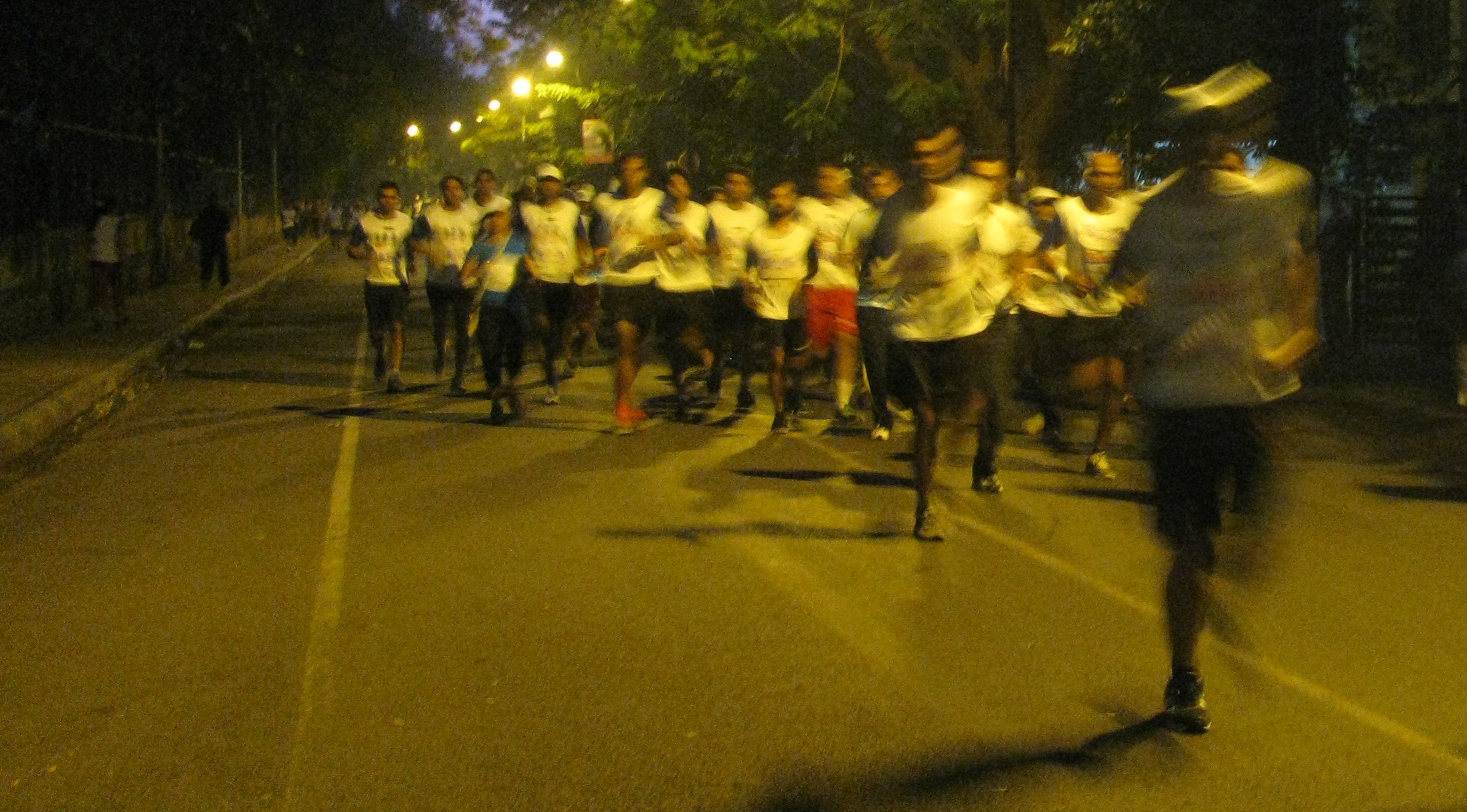
Photo: Shyam G Menon

Photo: Shyam G Menon

The street lights shone like yellow orbs. I liked the sight of runners converging on the ground near Pune’s BMCC College. Some walked alone; some came in groups, some walked leisurely, others walked fast, some jogged. There were young people, children and middle aged people. Assembled on the ground, they were soon lost to pre-race stretching and warm-up. I wished I could be like them. But I was getting injured too often to run enjoyably for long. Some weeks spent running and I am back on the bench nursing pain. Further, contemporary running’s fierce sense of purpose was intimidating. I am not exactly your trail blazing-type to hold my ground before Running Inc’s gladiators, their measurement by timing, the races you participated in etc. It reminds me of everyday rat race.  

My friend entered the ground. I wished her luck and took my place on the road as spectator. Three old women, local residents who used the ground for their morning walk, arrived. They were politely apprised by the volunteers, of the ground being closed that morning for all except runners. The women took it stoically and walked off to choose a place to stand by and watch the run. At quarter to six, roughly a dozen motorcyclists on their Harley Davidson bikes rode in. Not quite apt – I remember thinking so, clearly. Yes, the bikers looked impressive as an advance party for the runners. But surely a lot of engine, noise and fossil fuel-burning were hardly best ambassadors of running. Events imagine differently and one day we may comprehend how sport by event management changed the idea of sport. Close to 6AM, the national anthem was played. A band of traditional drummers began playing. Right on time, the motorcycles thundered out from the venue on to the road with the runners who must have been pacers for the half marathon, right behind. At their heels, came the half marathon column.

It was an eerie feeling. On a regular day, you noticed the passage of a single runner on the road as mere passing visual. But a large group of runners brought the same feeling to my neighbourhood, as a passing herd. A herd of human beings running by produced a consistent shuffling sound and magnified sense of breath, like something big moving. It was like a passing rustle, soft yet pronounced by the many feet striking the ground. I wondered what it must be like to be within that column and enveloped by the sound of that breathing, striding organism. This was running’s equivalent of cycling’s peloton. I recall the seriousness of many runners. Each appeared to be in a private world, likely imagining the distance to sustain the effort. Or, more likely they were trying to keep such thoughts at bay for nothing worked as well in running or any endurance sport as a blank mind nestled like a marble in a bowl of rhythmic movement. Yet a blank mind was tough to achieve. The more you tried to achieve it as an achievement, the more the mind thought and produced baggage in the head! You have to be naturally happy running – that’s the Holy Grail, the Zen of it and all of them would soon be chasing Zen. How funny – the roundabout ways in which we recreate natural impulse only to find it synthetic due to the underlying compulsion. Or perhaps, the more fundamental question is – does man move at all without compulsion, without prey to chase or bait for attraction? Lost in such thoughts, I forgot to take out my camera and click on time. By the time I did, the column had tapered. Amid this, I thought I had missed my friend go by. Then just as I looked up, there she was!

Photo: Shyam G Menon

Photo: Shyam G Menon

After the runners were on their way, I walked around in the area looking for a tea or coffee stall. A small roadside shop called `Coffee Stop,’ which I had hoped to visit and seemed ideal for freelance journalist’s pocket, was closed. At Gopal Krishna Gokhale Chowk, not far from a bustling lot of newspaper boys loading their bikes with printed news that would inevitably be mere paper by evening, I found a tea vendor and his cart. It was the typical cart on wheels with beaten aluminium sheets on wood for kitchen platform. The vendor served good, hot, masala chai. Then, I stepped into an adjacent eatery, which had captured my curiosity. Cafe Goodluck (yes, they wrote good luck so) was on the ground floor of an old building. It had been there since 1935. Its serving sealed its place in my heart and wrapped up those early morning hours in Pune, in a cocoon of contentment. The cafe gave me the best bun-butter (locally called bun-maska) I have had away from Mumbai’s Yazdani Bakery. The Mumbai bakery’s bun was in a class of its own. Goodluck compensated for its more ordinary yet tasty bun, with a big sized-serving. I liked restaurants that fed their customers knowing that food was meant to sustain life. It is a value I admire in these days of hunger by economic inflation.

Freelance journalists know that hunger very well.

(The author, Shyam G Menon, is a freelance journalist based in Mumbai.)                   

BOULDERING COMPETITION AT PODAR COLLEGE

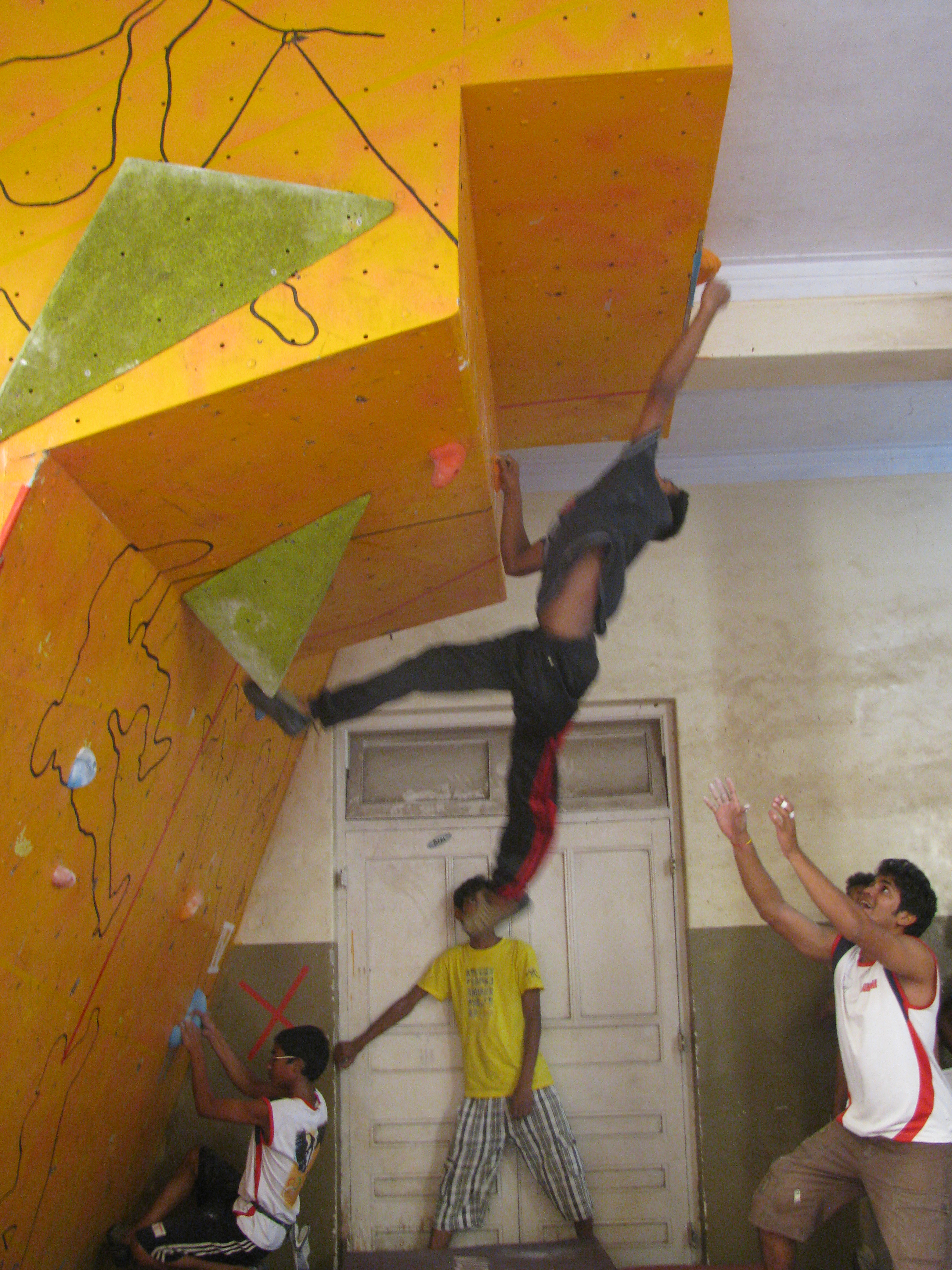
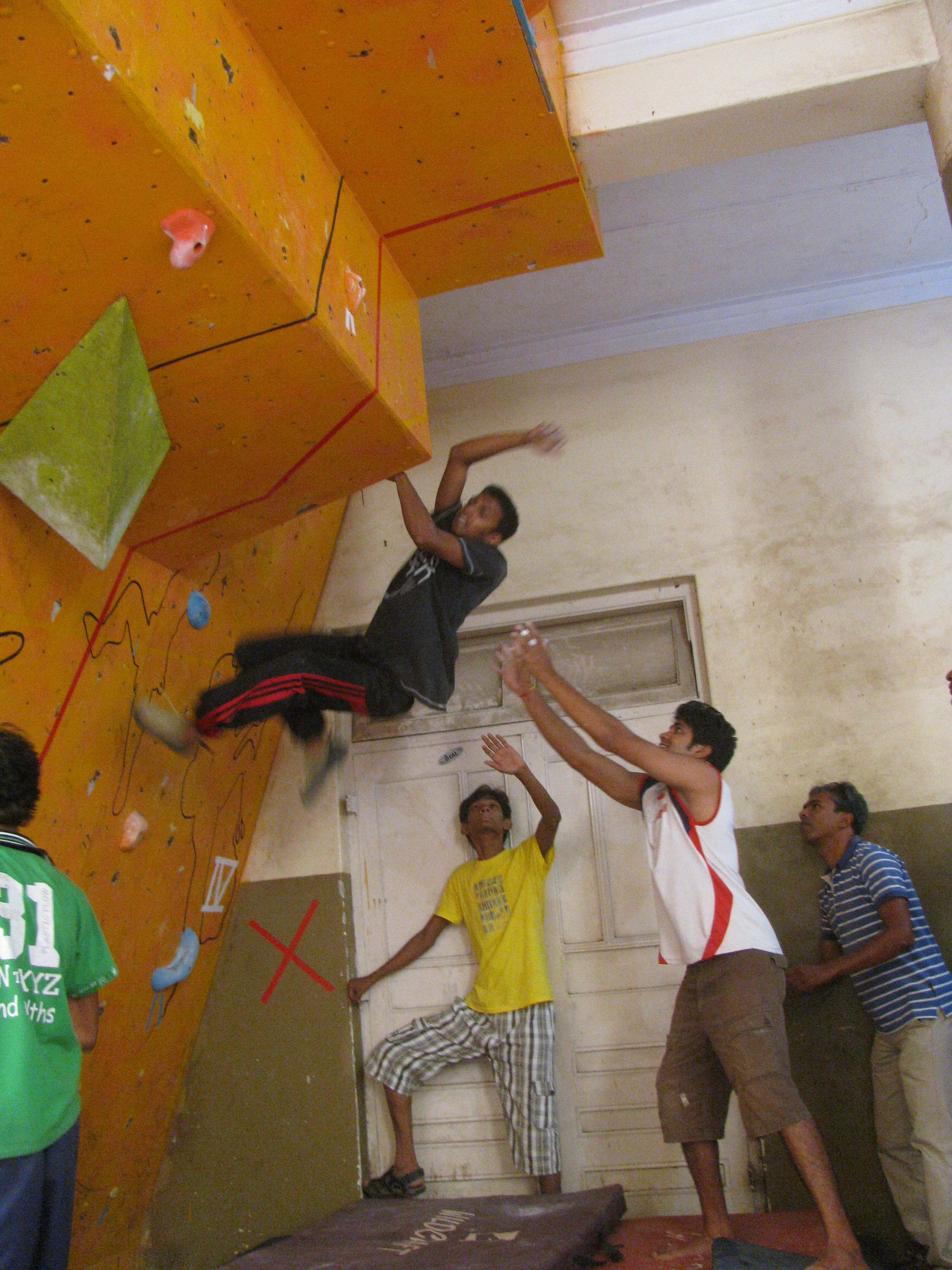
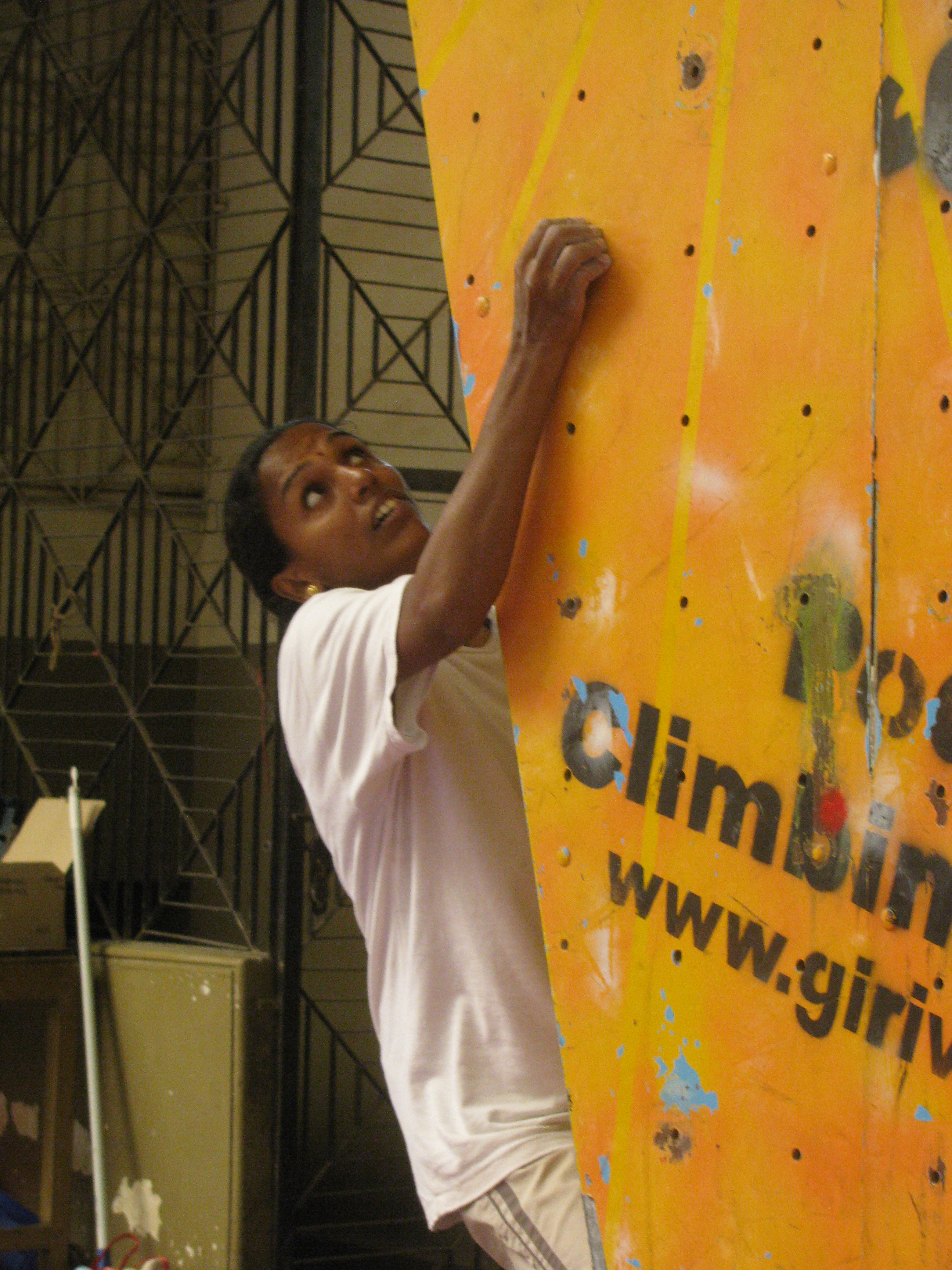
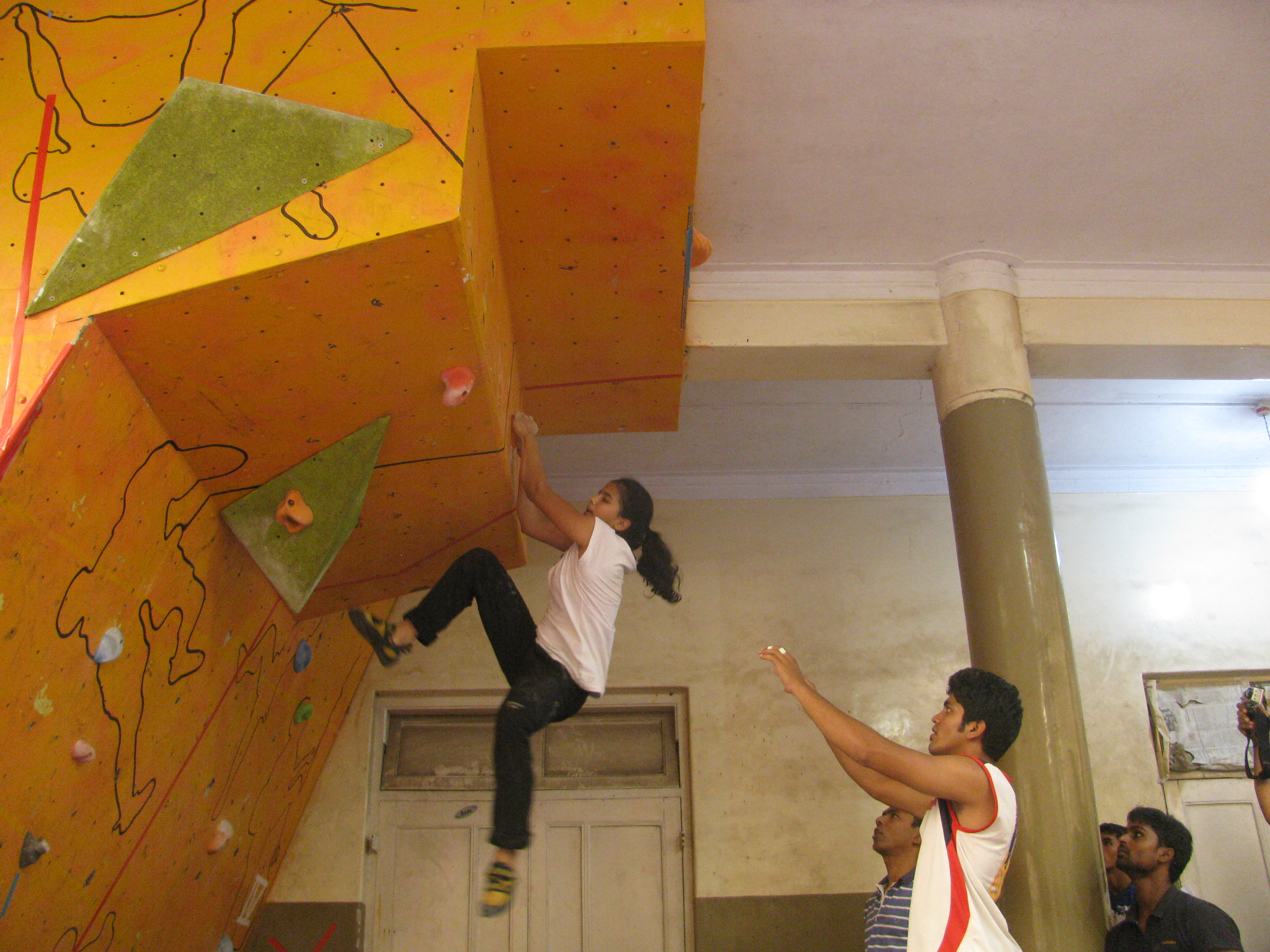
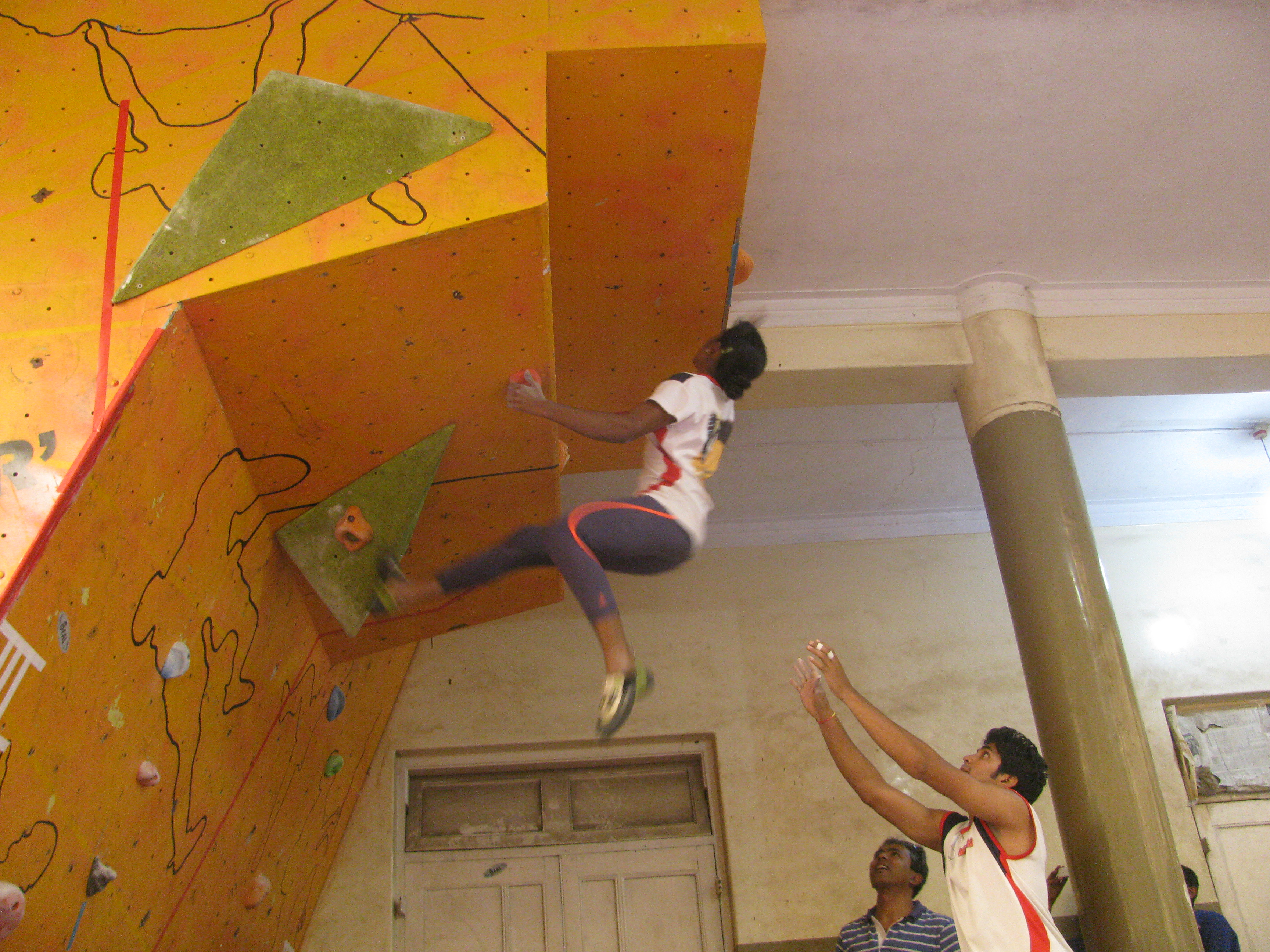
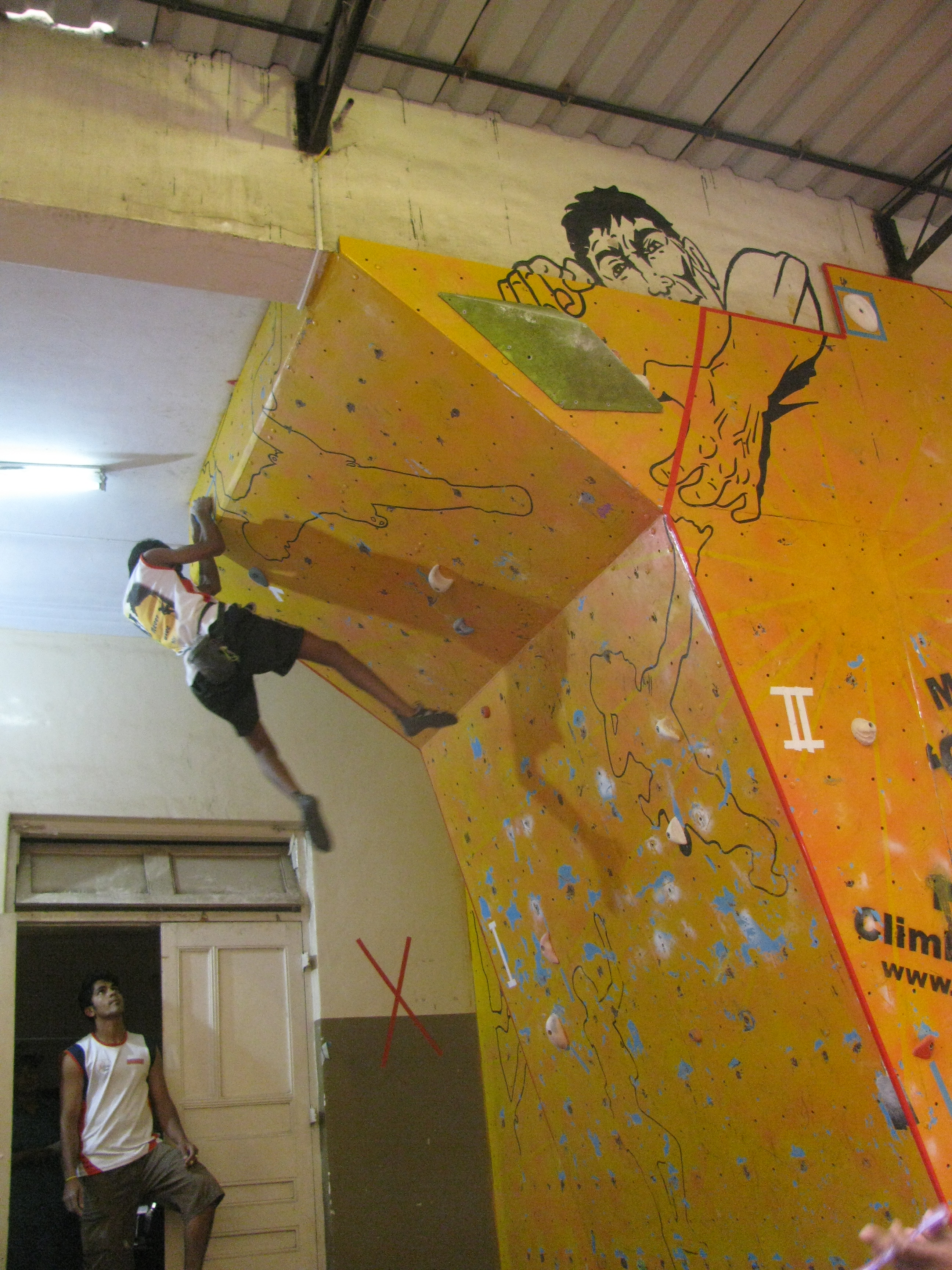
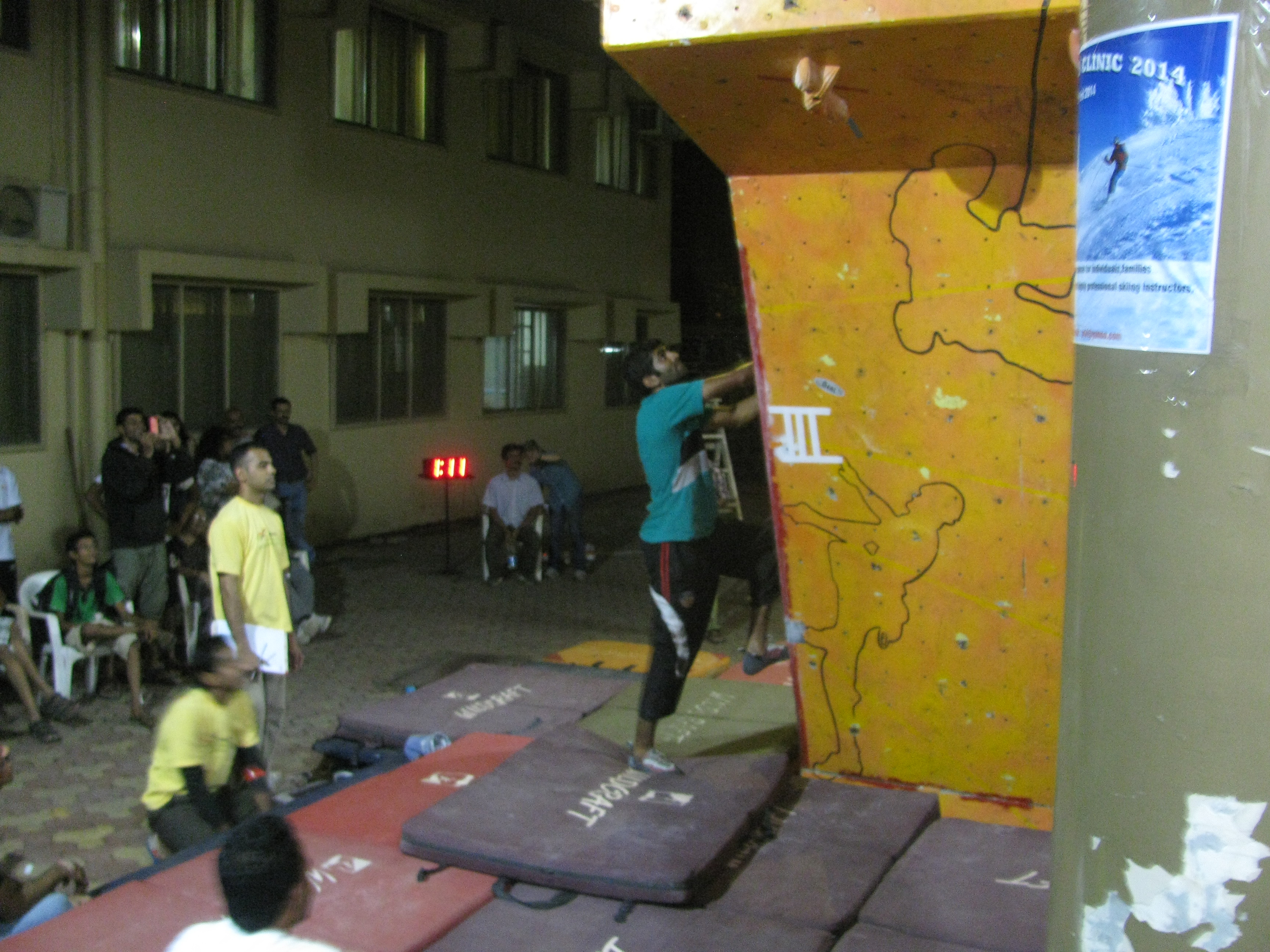
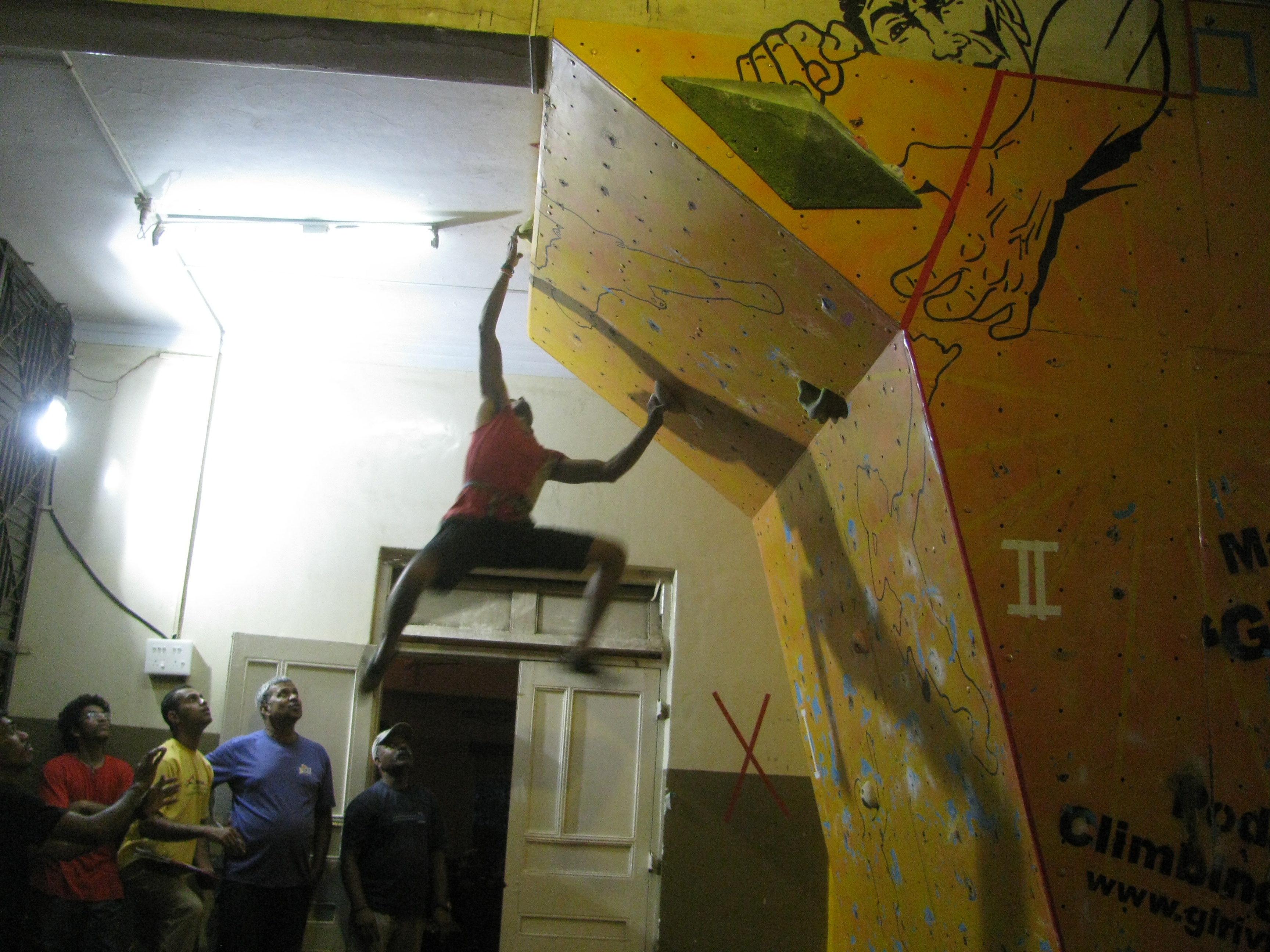
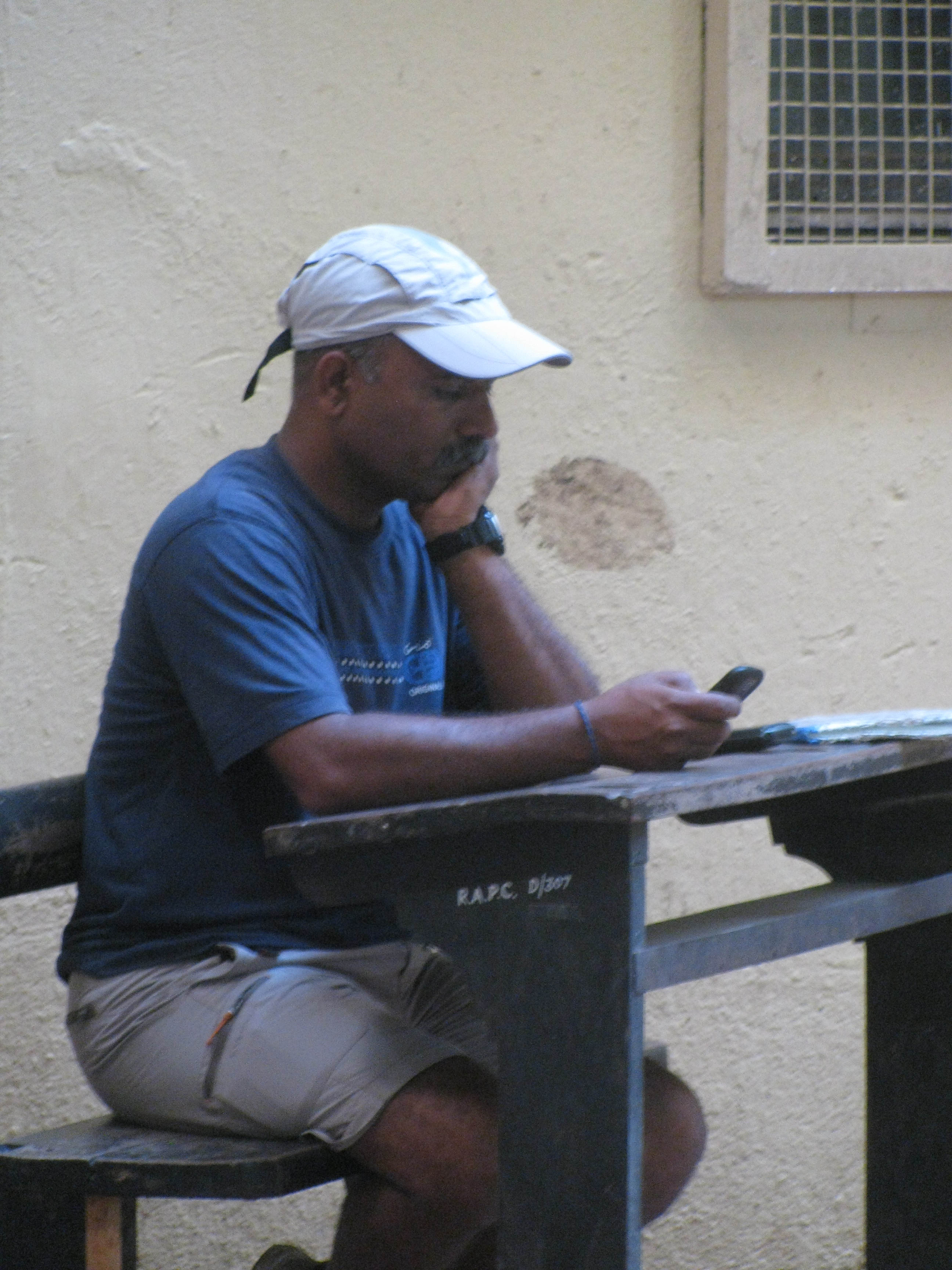
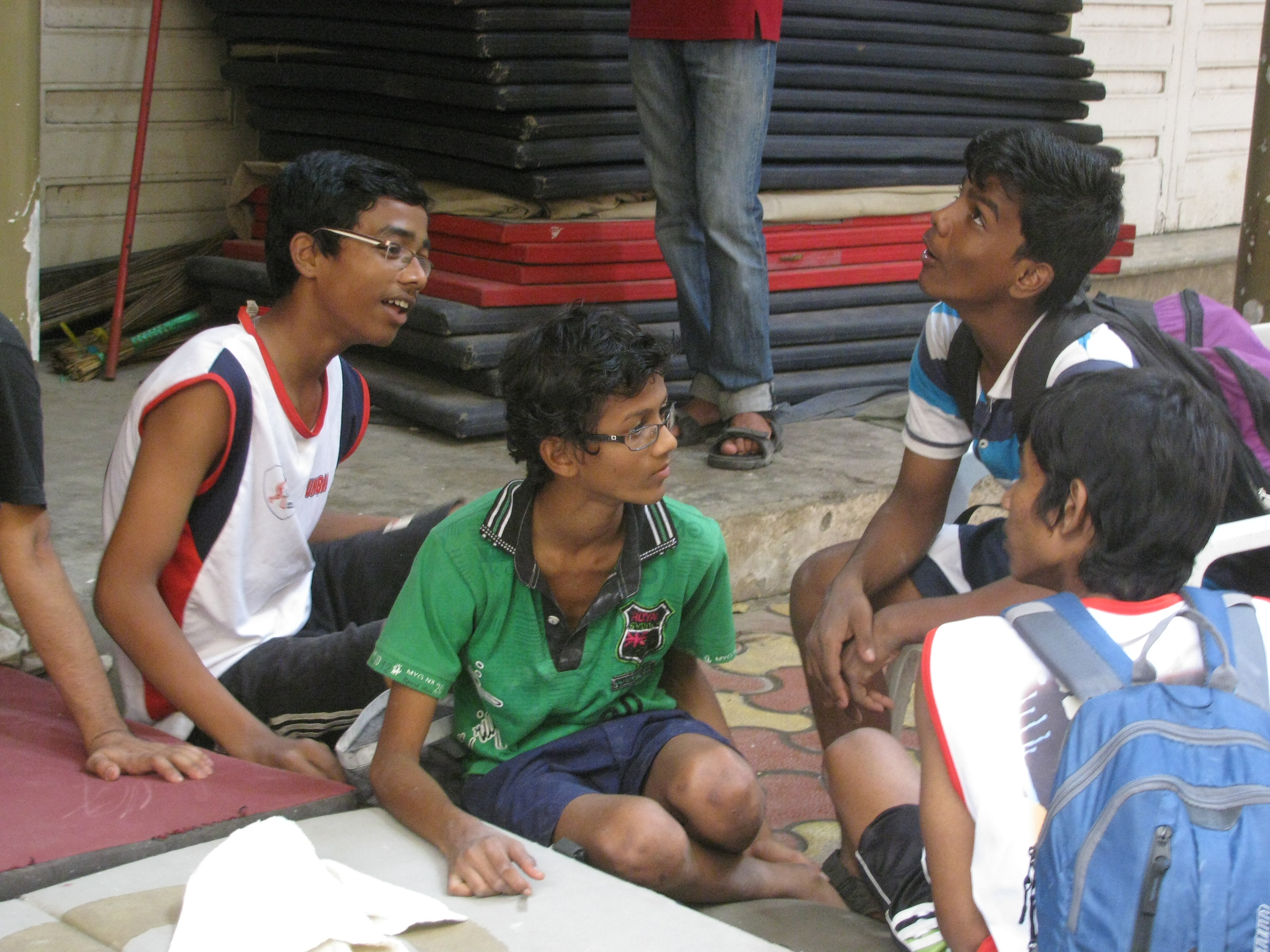
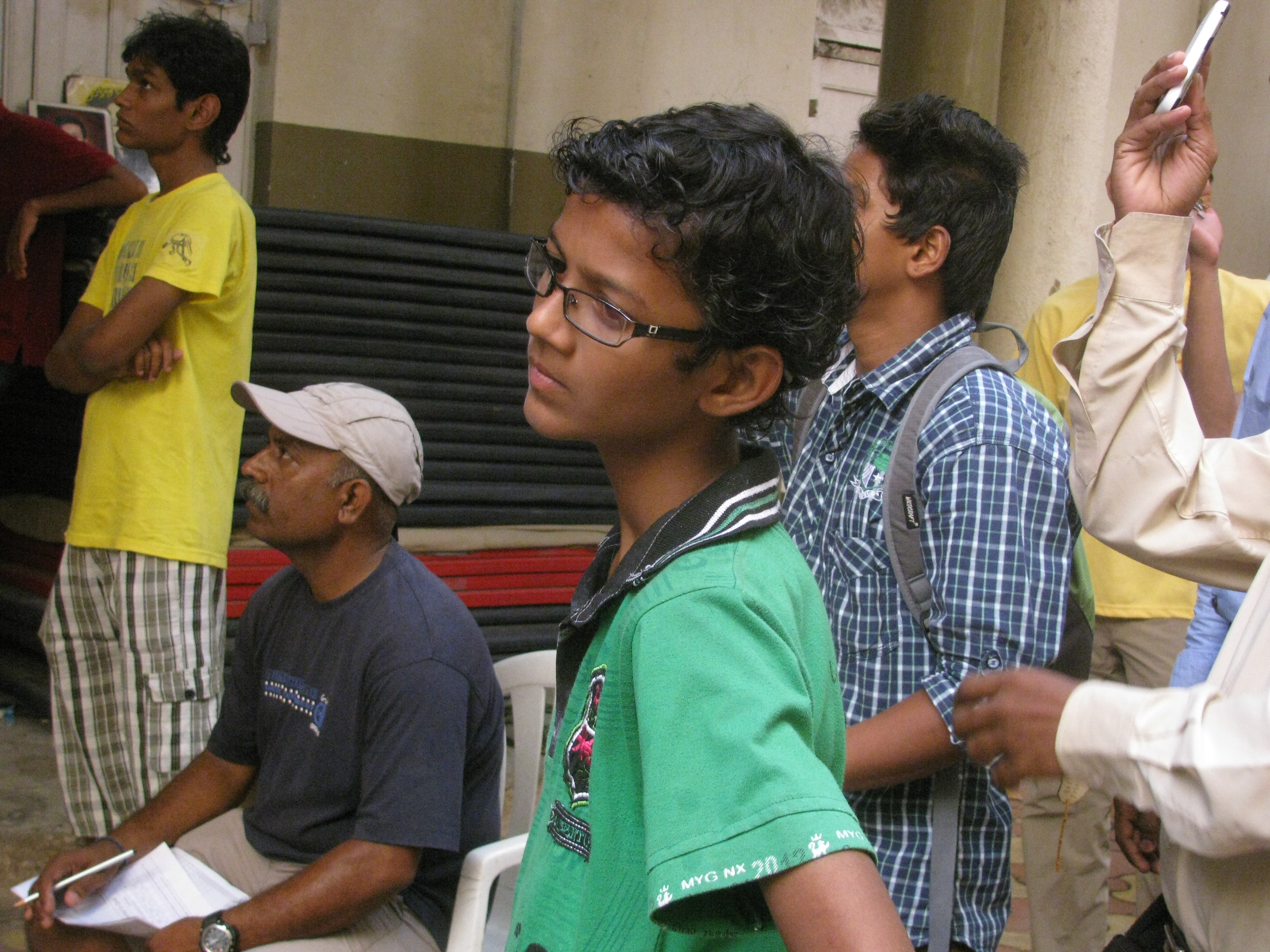
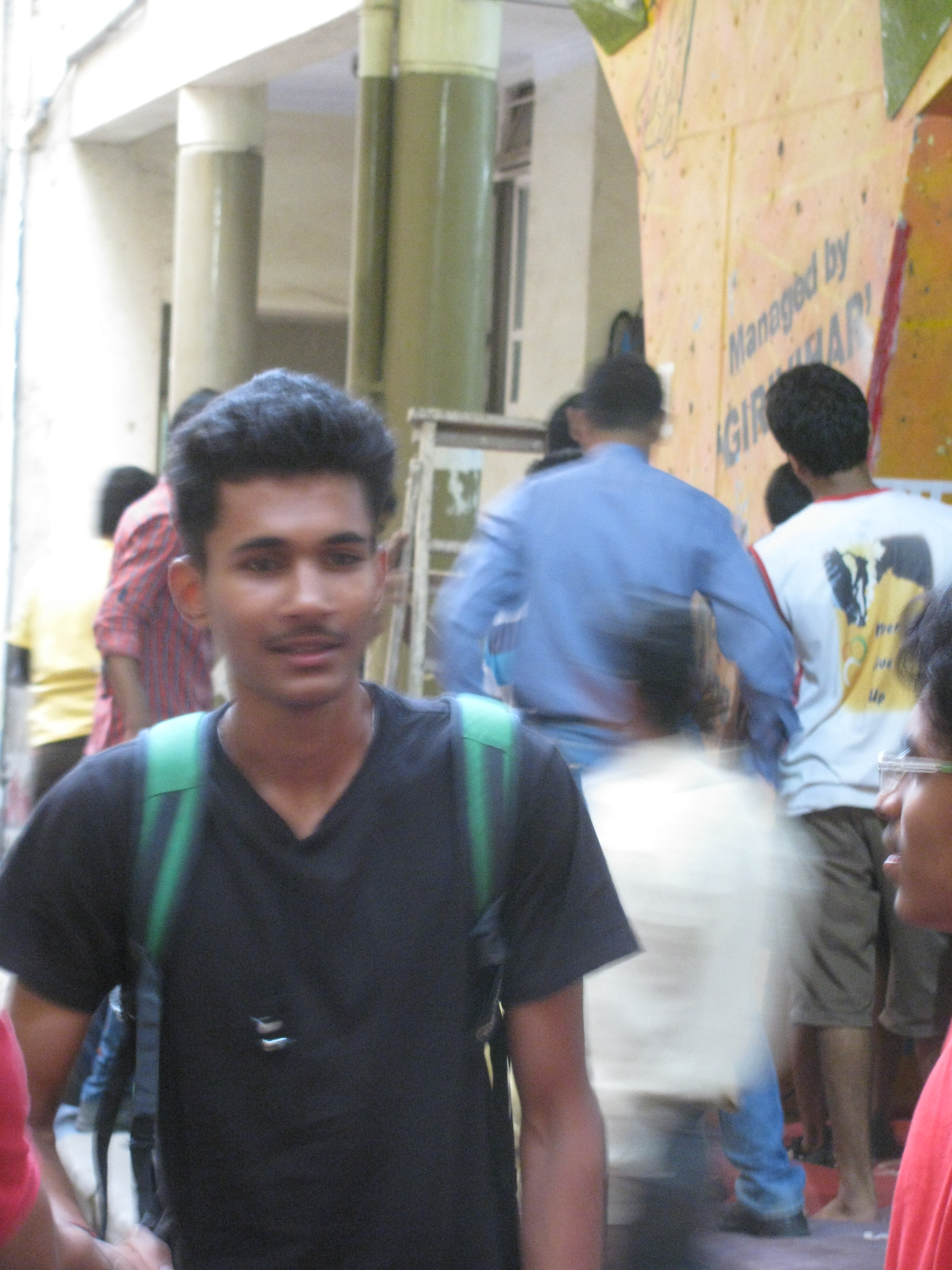
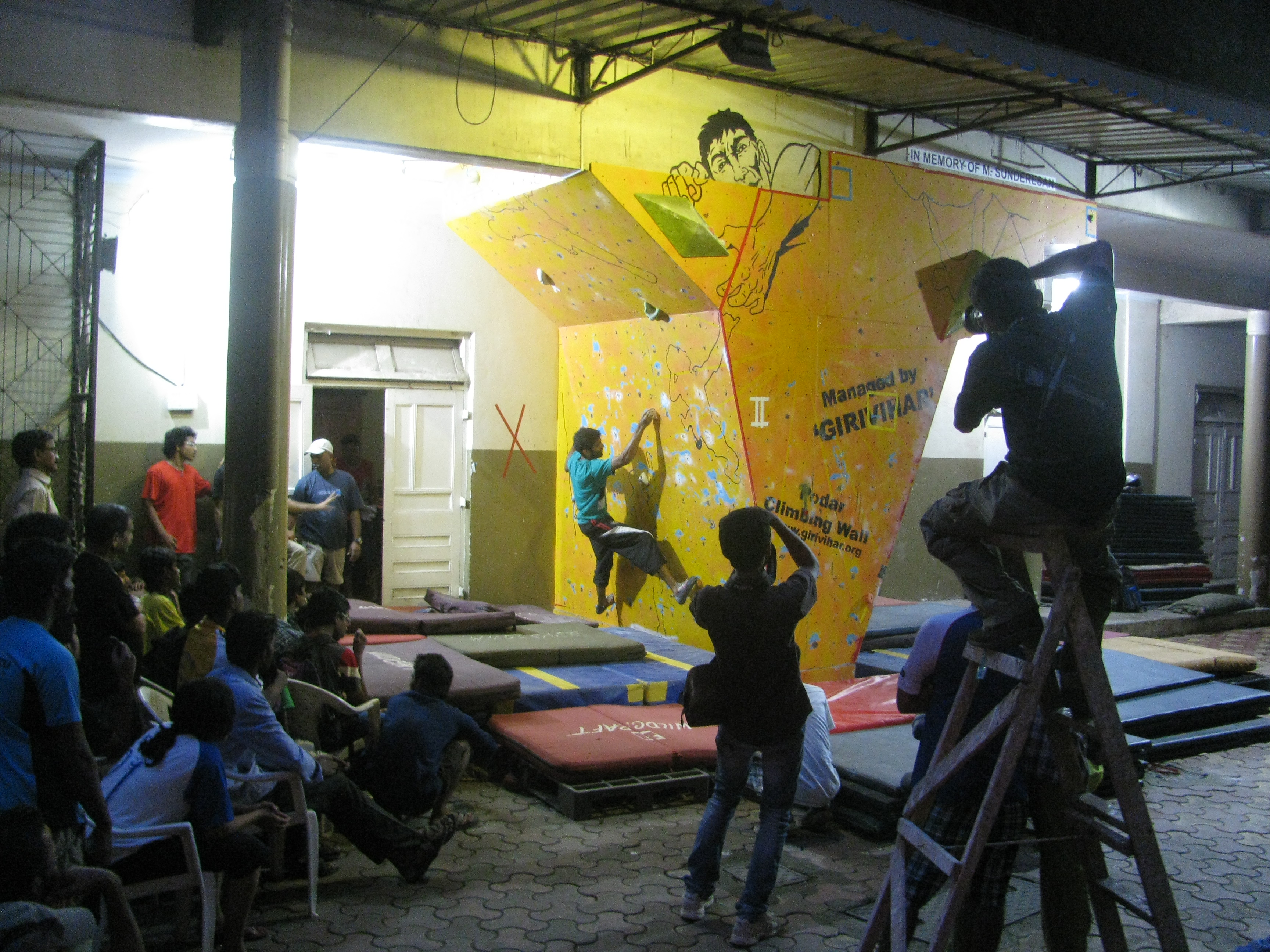
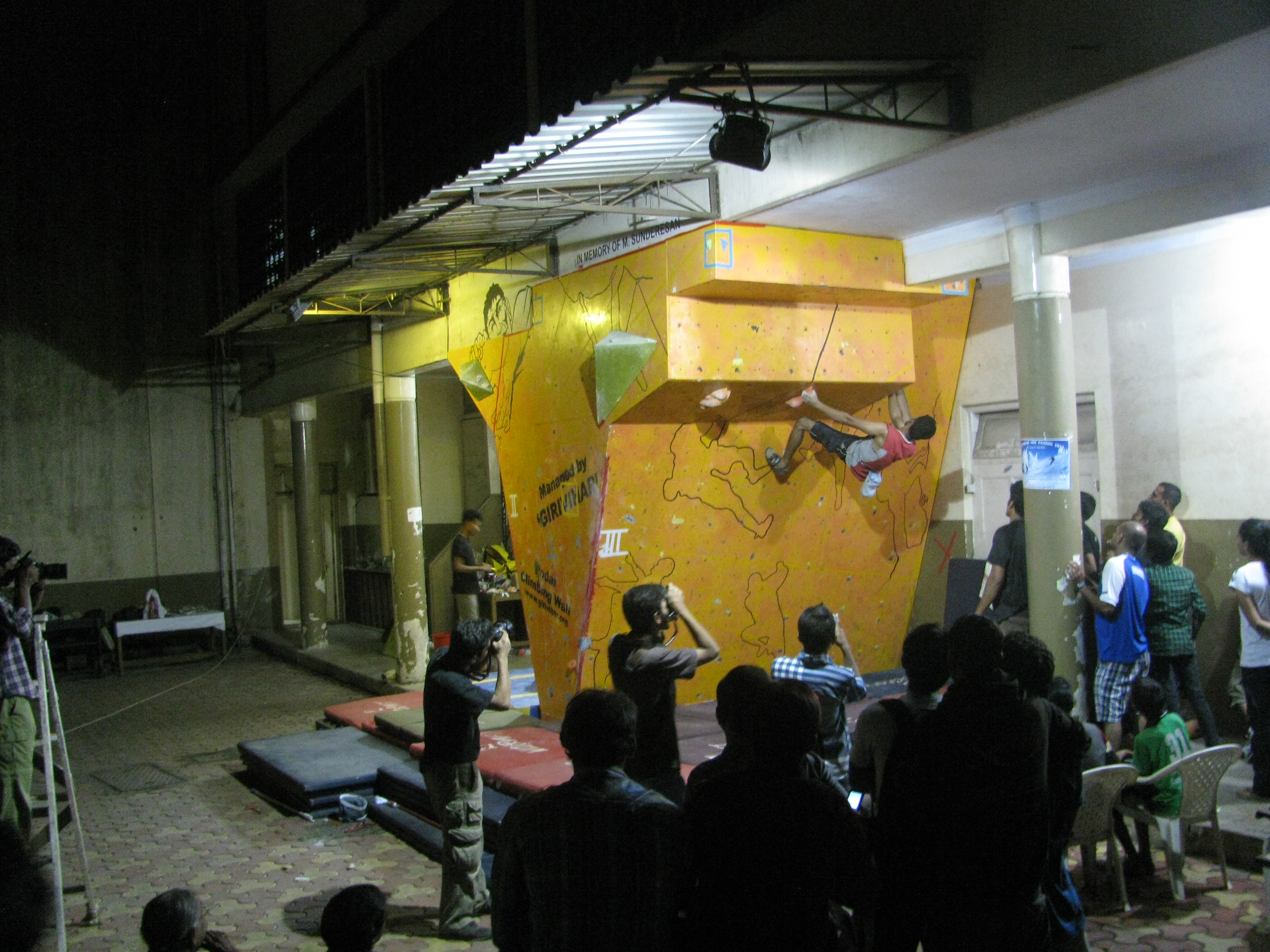
The second edition of the annual climbing competition held on the bouldering wall at Mumbai’s Podar College, happened recently. The wall is built and managed by Girivihar, the city’s oldest mountaineering club. For some of the participants, the event was an ideal warm-up ahead of the west zone competition in surat. the wall is a small one, wrapped around a pillar on the edge of an inner courtyard on the college’s ground floor. participants for the competition were largely from mumbai and pune. as ever in indian climbing, it was a small gathering of the committed. the youngest person to turn up and watch was a small child with mom and dad bringing pram along. the oldest was most likely 92 year-old pio linhares, whose son, franco, is the club’s former president and a regular climber at the wall. 

Here are some photos:

juniors

IMG_0198IMG_0186IMG_0187IMG_0194IMG_0199IMG_0196IMG_0205

LADIES

IMG_0227IMG_0217IMG_0223IMG_0226IMG_0234 

AND GENTLEMEN

IMG_0261IMG_0290IMG_0291IMG_0294IMG_0304IMG_0285

climbers, cameras and overall view

IMG_0254IMG_0282IMG_0312

PEOPLE

IMG_0278IMG_0229IMG_0240IMG_0236IMG_0276IMG_0246IMG_0269

results:

men’s final

1. aziz

2. Vicky

3. tuhin

women’s final

1. siddhi

2. mayuri

3. anjali

Juniors (boys’ final)

1. akash

2. sachin

3. bunty

(The author, shyam g menon, is a freelance journalist based in Mumbai. All the photographs herein were taken by the author.)

COFFEE WITH THE BEAST

Illustration: Shyam G Menon

Illustration: Shyam G Menon

Several months ago, we were walking around Matunga in Mumbai when near Madras Cafe and Mysore Cafe we hit a zone filled with the aroma of filter coffee.

I like coffee.                                 

I could have tracked the aroma like a sniffer dog to the origin.

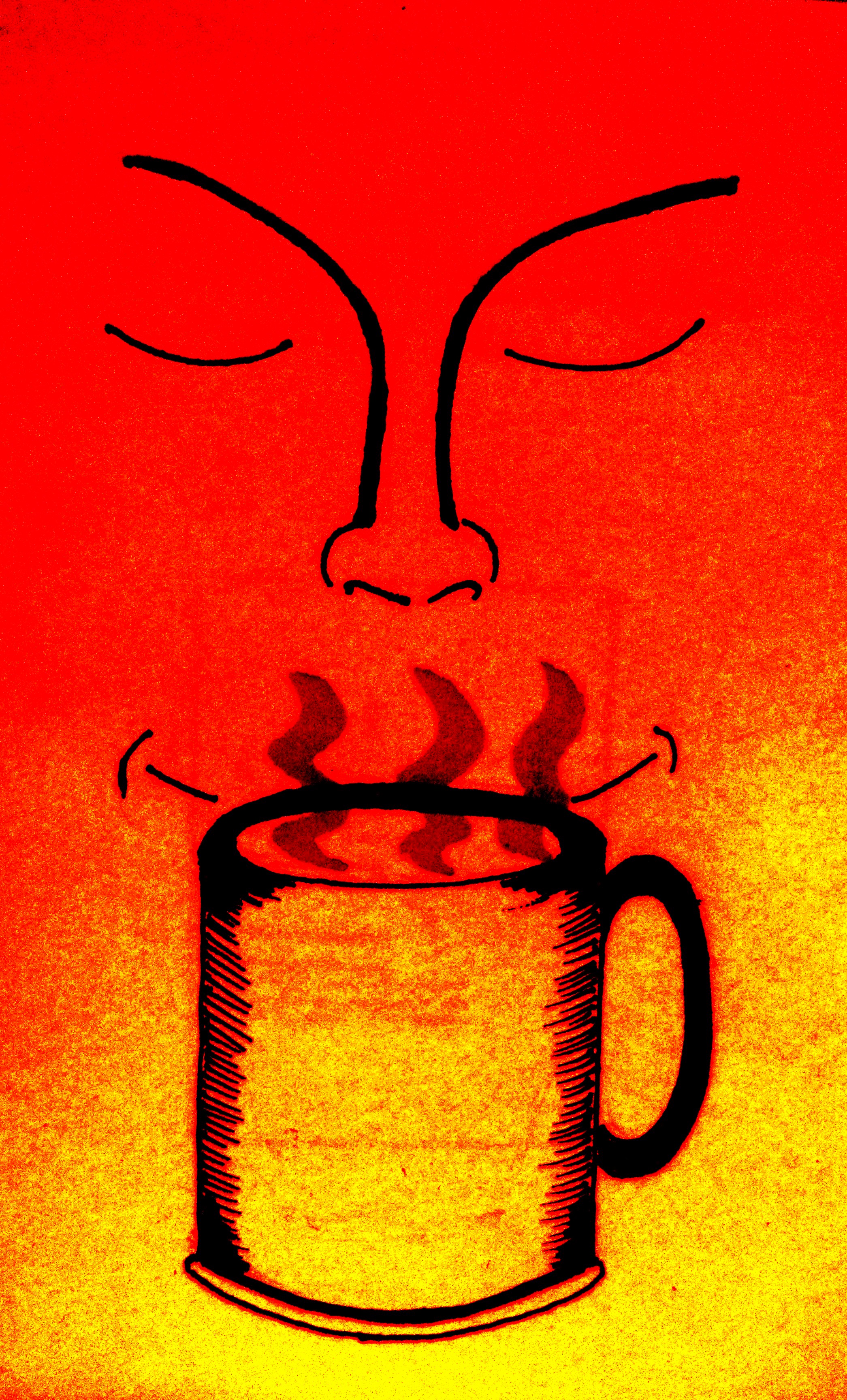
Imagine a man sniffing so and finding his way straight into a cafe, onto a chair, maybe all the way into the kitchen, into the coffee section and right next to the person making coffee. The person turns around and finds a face close to him that is all nostrils flared to smell and eyes shut contemplating visions inspired by the aroma! Startled – depending on his nerves, that may be an understatement of likely reaction. Like many good things in life monetized by man to beyond reach, coffee too is increasingly the stuff of world apart. Tracking coffee’s aroma could mean invitation to puncture your purse handsomely. These days, memories of my airport nightmares with coffee intervene and discipline the olfactory excitement. A cup of coffee costs over a hundred bucks at the airport. For no good reason save long held perception of air travel as sign of success – that’s the tragedy. Bigger tragedy is that there are people willing to, often craving to, indulge such imagery.

The aroma of coffee at Matunga first reminded me of the tricky airport. Then, it provoked anticipation of fancy coffee shop packed with youngsters enjoying more pocket money than I earned as income. We called it new India. Time to look away – I told myself. That was when I saw a board on the pavement saying `kaappi,’ which was how coffee was called in South India, where the brew had traditionally been popular. “ Hold on,’’ my senses ordered, checking the airport imagery. Board said ` kaappi’ not `cappuccino.’ It felt encouraging. This was probably an entrepreneur yet untouched by new India or someone defiantly opposing it, a revolutionary of the old order still fighting for the cause of affordable `kaappi.’ I went closer; a smaller sign within the shop said: introductory offer – filter coffee for ten rupees.

Red flag in the face of the airport bull!

I dove in.

My friend followed.

The shop was just a few days old. We settled into our chairs, appreciated the ten rupee-coffee and took in that outpost of a rapidly fading world. In my head a revolution bloomed. From that shop a movement for cheap coffee shall roll out onto the streets of Matunga, spread across Mumbai, shame those vendors at the airport and eventually warm a whole world. There was something fundamentally wrong in pricing the basic things of life so high and then calling it economic growth. I asked the young entrepreneur how much he would sell the coffee for, once the introductory phase got over. “ Maybe fifty?’’ he mused. I nearly spilled my filter coffee. Then I reasoned – revolution in new era would be different, pricier. Besides, fifty was better than hundred. In the preceding months, inflation having routed India’s ten and twenty rupee-currency notes had begun gnawing away hungrily at the edges of fifty, sending shivers down the spine of a hundred. Fifty rupees seemed okay although it made you wonder how expensive life until then would seem if viewed at current cost. Years ago at home in Kerala, I would ask for coffee or tea and it just appeared; no questions asked. Thousands of rupees had gone into keeping me alive. My parents must have struggled. Given our new consumerist ways, millions were probably going into keeping a new generation alive. The same way I never thought of all this when growing up, I am sure today’s youngsters don’t think of all this.

The aroma of coffee at Matunga first reminded me of the tricky airport. Then, it provoked anticipation of fancy coffee shop packed with youngsters enjoying more pocket money than I earned as income. We called it new India.

I resumed sipping the brew.

The shop was tiny.

If I walked six paces I would hit the wall.

“ Can’t you price a big cup for fifty and retain a smaller cup for ten, even twenty?’’ my friend asked.

“ That’s possible. But we have to pay forty thousand as rent here,’’ the young man said. I am recalling that figure from memory. Take it as near about.

My revolution died.

A populace roaring “kaappi, kaappi’’ was replaced by a muffled `kaappi’ lost amid roars of `cappuccino,’ `espresso,’ `Ethiopian,’ `Columbian’ and imported what not. The idea of `kaappi’ won’t lend itself it to ridiculous pricing to cover costs. The idea of fancy coffees will. That’s why they proliferate, even if it meant drinking the unfamiliar and saying: wow! I knew that everywhere in India, the beast of real estate lurked nearby. But still – for the sake of that young man, I felt like telling the beast, “ come on man give us a break!’’ I felt ashamed of the legacy of my generation; even that of my parents’ generation.  No matter what the reason, what legacy is it to have the beast shaping every step of the way? In India real estate was an absolutely cynical equation constantly benefiting from the country’s immense population. Packaged as great investment, it is essentially the cynical endorsement of a fundamental truth you need no brains to gauge. With so many standing on it, land automatically turned precious in India.  A roof above your head became a race with one’s purse, the needs of others and the speculation and avarice of more others who saw it as opportunistic investment. These trends shaped imagination and an Indian life had become the stuff of living by such opportunistic imagination. You could almost say – to be born, was to immediately abet opportunism for you represented a new set of wants in what was already a casino of wants. What legacy is it to suck the world clean of enjoyable life leaving mercantilism behind? Like residue on a kitchen sieve, a boring mercantile mentality would be the residue of our times should somebody sieve our existence.

I felt sorry for the young man. He wanted to serve us coffee. We wanted it too. It was such a simple thing. But all of us – customer and service provider – seemed alive in the wrong time for simplicity. The young man looked trifle uncertain as my friend quizzed him of plans ahead. “ Maybe I will sell fruits alongside. No; idli, vada and upma, some cookies too. I have a kitchen,’’ he said pointing to what seemed no more than a small stone slab fixed to the side wall. He had forty thousand to pay every month; plus raw material cost, labour cost and then, hopes of own income. It was a tall order. He smiled as he spoke. We smiled encouragingly.

Before we left, we wished him luck. 

I felt sorry for the young man. He wanted to serve us coffee. We wanted it too. It was such a simple thing. But all of us – customer and service provider – seemed alive in the wrong time for simplicity.

I wondered what the beast sipped – coffee; tea, cocoa, hot chocolate? If it had shape, I would have hit it with whatever I had – my bag, umbrella, whatever. But I knew that the beast would only be amused. It would turn around and ask, “ why hit me when self flagellation is what you need to do?’’ Outside the small shop, we melted into the evening’s whirlpool of people and traffic at King’s Circle. It resembled the swirls in a giant cup of frothy brew, stirred with spoon for someone to drink. I could imagine the beast readying for its invigorating, daily sip of crowded, congested us. We were its affordable ` kaappi.’ Thanks to us, its ways seemed guaranteed.

A week ago, I walked by the same place in Matunga.

Neither young man nor coffee shop was around.

(The author, Shyam G Menon, is a freelance journalist based in Mumbai. A smaller version of this article was published in The Hindu Business Line newspaper.)

CLIMBERS IN THE BIG WALL MIRROR (PART ONE)

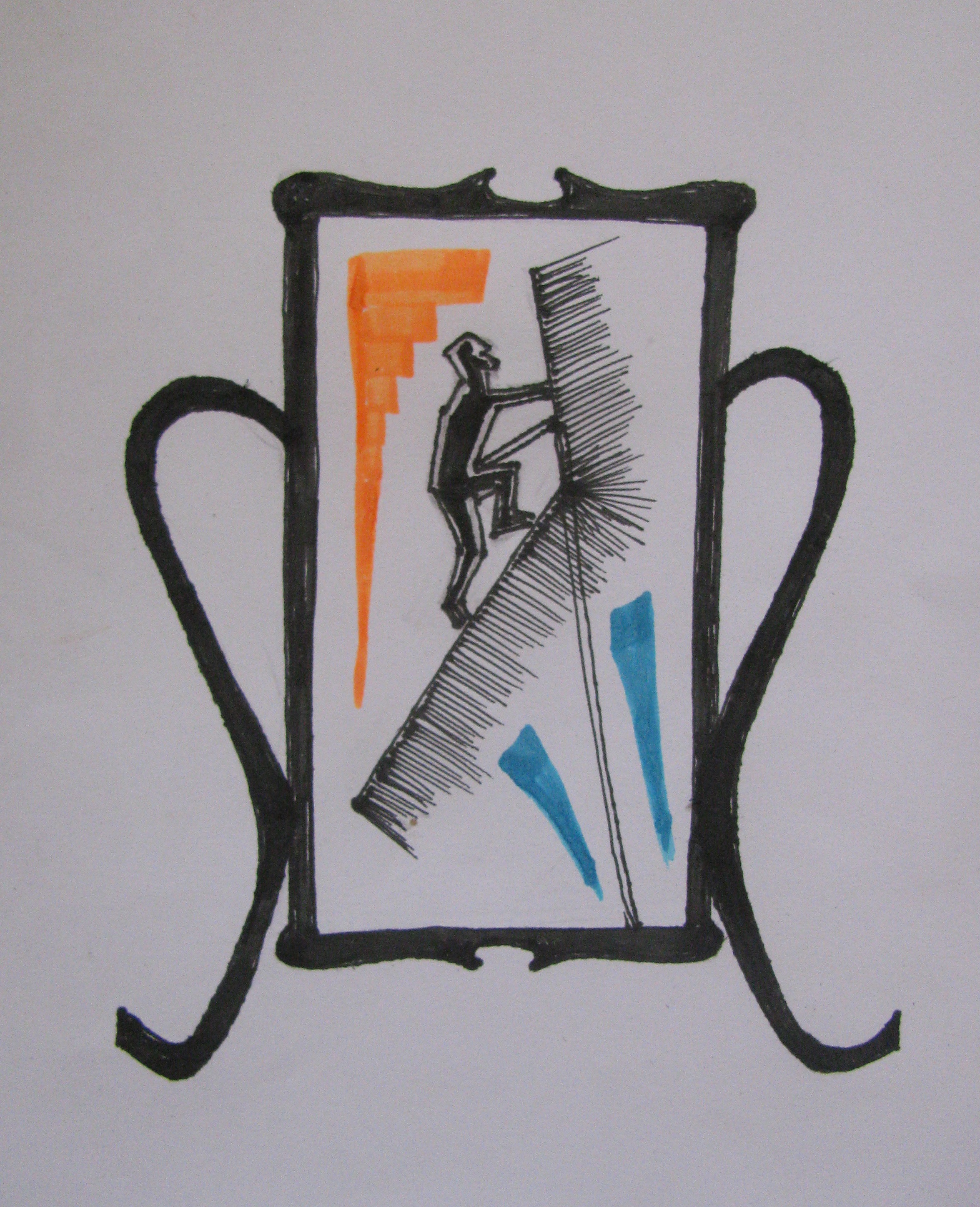
Climber in the big wall mirror (Illustration: Shyam G Menon)

Climber in the big wall mirror (Illustration: Shyam G Menon)

The man on the climbing wall outside moved confidently, gracefully.

He initially traversed the lower routes; then climbed up, alone.

All of us, members of Girivihar, a Mumbai based-mountaineering club, returning from a climbing expedition in the Zanskar Himalaya, watched him from the dormitory of the Indian Mountaineering Foundation (IMF). It was 2004, Delhi. Abhijit Burman, who left the room to investigate, returned excited, “ that is Thomas Huber, they have come to attempt Arwa Spire.’’ Arwa Spire, Arwa Tower and Arwa Crest are snow capped peaks in the Himalaya characterised by huge vertical rock faces. Thomas was one half of Germany’s Huber brothers, famous for their ascent of such big walls. We learnt later that they successfully climbed the west peak (6088m) of Arwa Spire. 

Coincidentally, four years or so after that chance encounter with Thomas Huber in Delhi, the club decided to attempt the East Face of Kedar Dome (6830m) in Garhwal. To the best of Girivihar’s knowledge, there had been no officially approved Indian civilian expedition to attempt big walls in the Himalaya. When I spoke to him for writing this article, Burman attributed the move to an attempted convergence of the club’s experience in the Himalaya and the ascent of a new generation of rock climbers in Mumbai.

More than climbing, the project would prove an expedition in learning.

Girivihar’s challenges were basic.
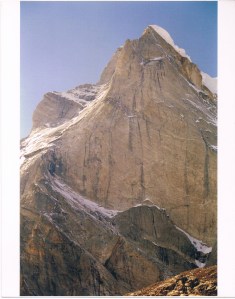
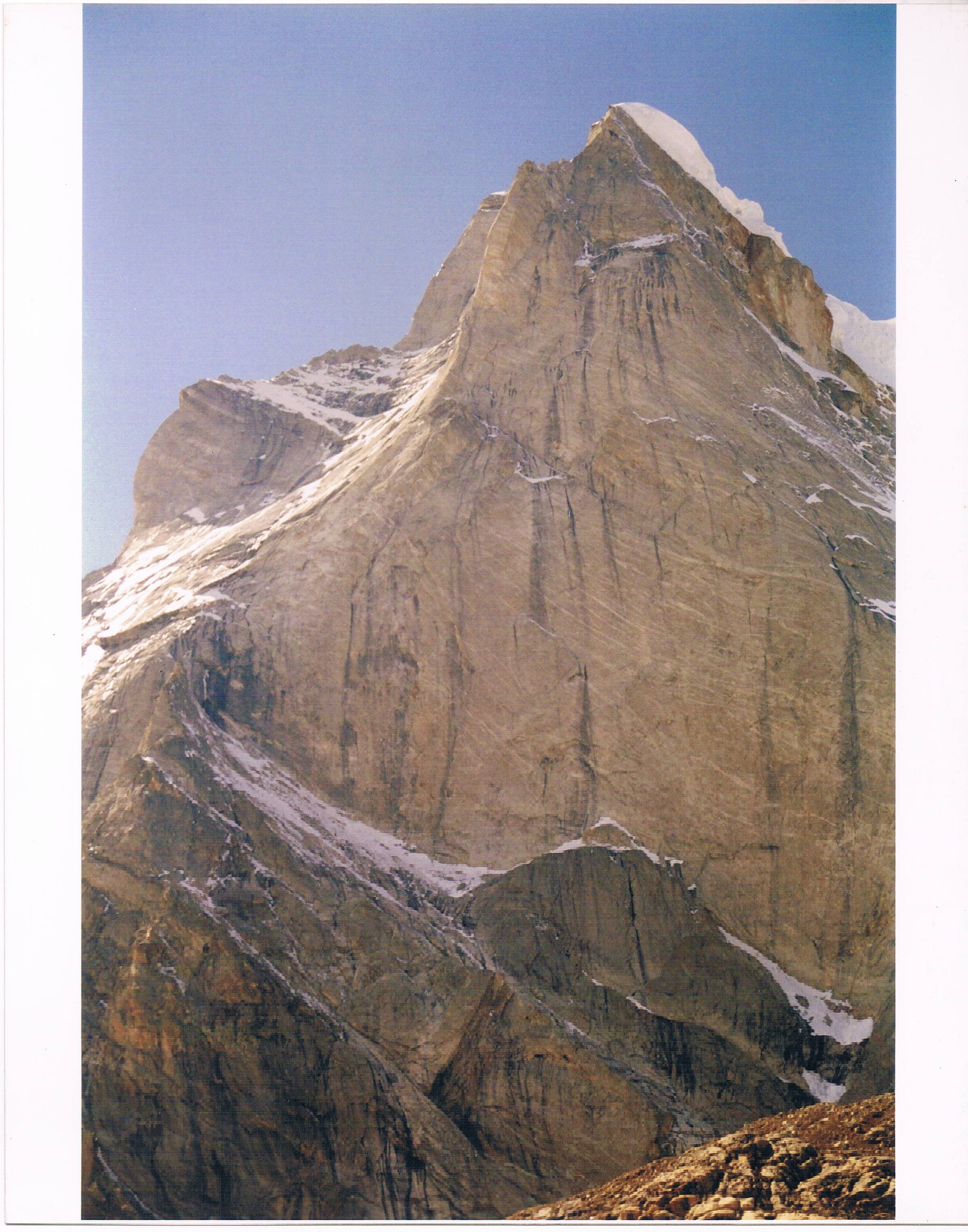
Kedar Dome East Face (Photo: Franco Linhares)

Kedar Dome East Face (Photo: Franco Linhares)

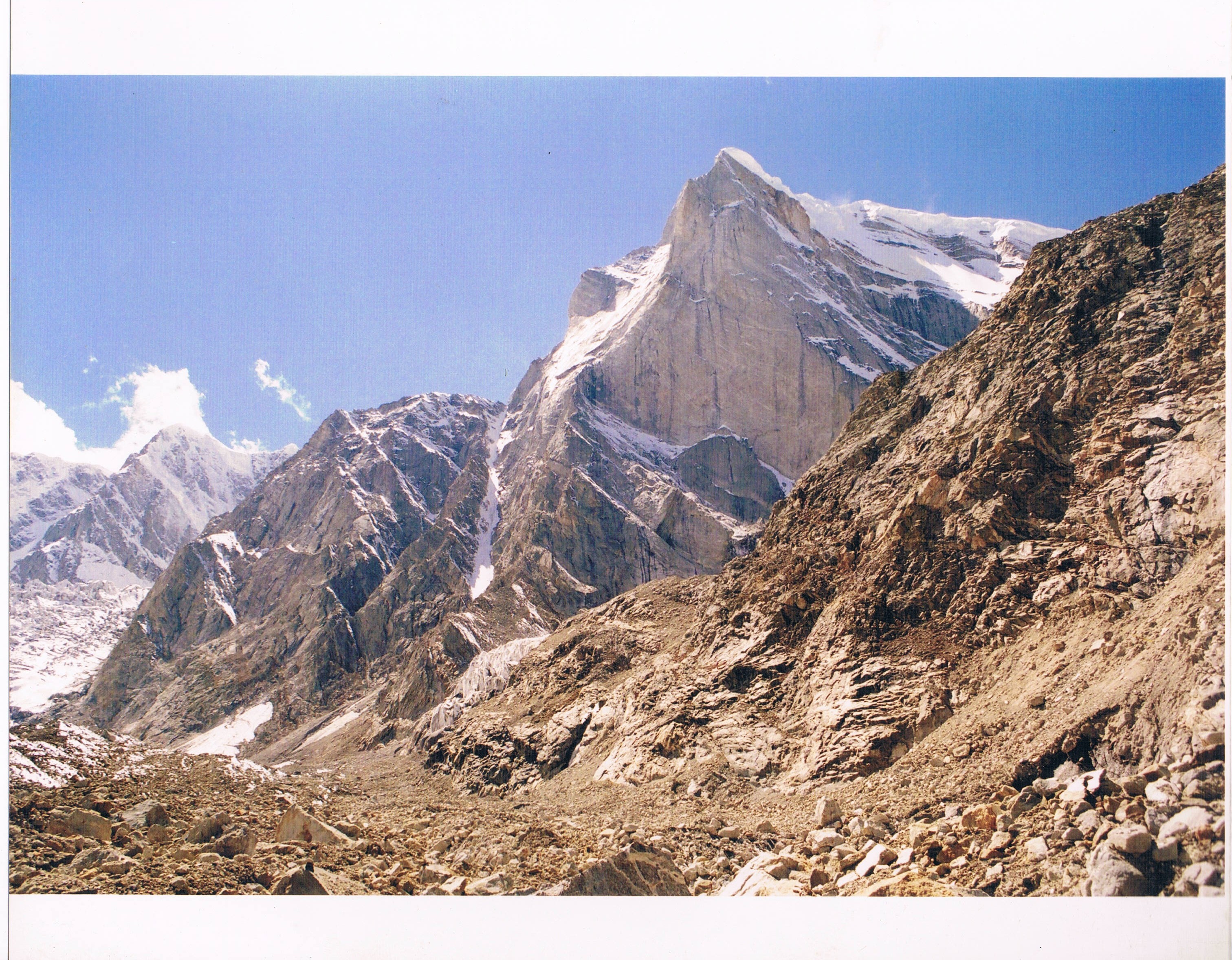
Kedar Dome’s East Face involves mixed climbing. To begin with, there were few people in Mumbai who combined good skills on rock and ice. The mountaineering lot were given to the Indian tradition of large expeditions with hired helps. Alpine style ascents featuring lean teams were a rarity. Many of these mountaineers were average climbers on rock. They weren’t fiercely the Himalayan type either, for mountaineering is resource-heavy; in the typical Indian environment, spending a month every year in the Himalaya is a costly luxury. And if you don’t frequent the Himalaya, you won’t be at home there. On the other hand, the best rock climbers had become Sahyadri (the hills of the Indian peninsula, called in total as the Western Ghats) crag rats never venturing into unfamiliar terrain. They had become specialized for their warm weather, climbing-ecosystem. They had no appetite for the punishment that high altitude and big, cold mountains posed. The club assembled a team largely composed of young rock climbers with a few mountaineers thrown in. At practice sessions in Pune and at Ramnagaram near Bangalore they understood how far off the mark they were in terms of teamwork and a work ethic suited to high altitude. Within months, the more experienced climbers agreed to call off the expedition. “ That first attempt was poorly imagined and planned. We had neither done proper homework nor understood what a big wall at altitude entailed,’’ Vaibhav Mehta, among the best rock climbers from Mumbai (now settled in France) and who was to lead the climbers on the wall, said. Burman and Franco Linhares, who was the club president then, travelled north to check out the targeted rock face so far studied only from Internet photos and expedition reports by foreign teams who had climbed it. In Garhwal, looking at Kedar Dome’s giant East Face, Franco was convinced of the enormity of the challenge. “ It was serious stuff,’’ he said.
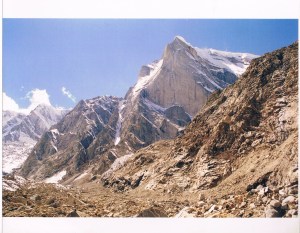
Kedar Dome East Face (Photo: Franco Linhares)

Kedar Dome East Face (Photo: Franco Linhares)

As a club member, I was disappointed when the expedition was called off. Not so much for big wall lost as for an opportunity to attempt Kedar Dome in the regular mountaineering fashion. The way this trip was originally conceived, there would have been two teams on the mountain. I was to be in the much smaller team attempting a conventional ascent. Now that wasn’t to be. There is a slight vagueness surrounding the choice of Kedar Dome East Face as initial objective in big wall-climbing. Foreign reports still available on the Internet, clearly mention the nature of climbing involved. You could ask – why did the club target something as formidable as the East Face straight away? Girivihar also didn’t attempt big walls in the Sahyadri like Harishchandragad’s Konkan Kada (a huge amphitheatre of rock not far from Mumbai), which was a prized local achievement, before looking toward the Himalaya. Maybe the quality of rock didn’t appeal. Rock in the local hills, which were volcanic in origin, tended to break and fragment. Maybe the climbs were distinctly different with little learning transferable to the Himalaya. Referring to the aborted expedition, Vaibhav said, “ we had not properly thought through how to stay on the wall and were assuming that we could transfer the same Sahyadri style of climbing to the Himalaya; basically climb and set up fixed ropes, return at day’s end to base camp and then go back up the fixed ropes to start climbing from where we left off earlier. That works for the rock faces of the Sahyadri and the long warm days here. But when it comes to climbing a big wall in the Himalaya, the scale of mountain face and the variables affecting the climbing environment question such approach.’’

Notwithstanding cancelled expedition, the big wall project didn’t die.

It hibernated.

That is Girivihar’s strength.

In 2004 when we climbed that peak in Zanskar, it was after three expeditions to the region ranging from exploratory to path finding to actual summit attempt.

Two years after calling off the Kedar Dome trip, Girivihar organized a big wall expedition in the Miyar Nala area of Himachal Pradesh. This too was based on foreign reports but the approach to the project was more realistic. Vaibhav was by then working and living at Leh in Ladakh, where he ran a climbing gym. With him moving that side, a couple of close friends, also climbers from Mumbai, had shifted there. One of them was Shyam Sanap, a strong moody climber, particularly good at bouldering. They consistently climbed in and around Leh. This – climbing at altitude (Ladakh is above 10,000ft) – fitted in with the required approach to attempting any big project – like a big wall climb – at altitude. But problems continued. Typically big wall expeditions in the Himalaya – indeed any expedition – by foreign teams are lengthy affairs because acclimatization is a must to perform well. In the case of Indian expeditions, most people are on leave from city based-jobs they can’t afford to lose. So the duration of an expedition is normally just a month. It meant that those coming from the plains were not going to be climbing at maximum strength in Miyar Nala even if they had left Mumbai’s sea level-altitude in peak form. Second, the shortage of climbing equipment lingered. The group had no multiple sets of protection devices yet. The club’s cachet of equipment, collected and preserved over the years was there. But it seemed insufficient.

On arrival at location, the team shifted the target from an earlier planned vertical big wall to a more inclined, long stretch of slab. Rock in slab form with gentler incline is a better, more forgiving medium to get used to challenges. It was blunt experiential education happening. In the Himalaya and seeing that vertical face alongside available climbing calibre and gear, the team realized they were unprepared for a combination of long climb and absolute verticality. The shift to the slab made sense.

While the slab project was on, it rained.

Enter the third problem – bad weather. People from warm peninsular India are no strangers to rain. Among Indian metros, Mumbai has one of the heaviest monsoon seasons. But how the rains feel, the way it changes the overall ambience – this takes a toll depending on where you are. Up in the Himalaya, rain meant wetness and cold. Clouds descended, visibility would turn poor. What was joyous mood of expansive mountains till some minutes ago became world shrunk to a few square metres of relevance to human being feeling cold. Very often in such situations, teams have to wind up work and wait out the bad weather. The Himalaya is an epic you tackle patiently.    

I asked Mangesh Takarkhede, a seasoned sport climber and part of the second expedition what the toughest difference was between the Sahyadri and the Himalaya that he endured at Miyar Nala. “ Sitting in a tent doing nothing while the weather ran amok outside,’’ he said. Mountaineers and high altitude trekkers learn this from years of being out. Nature is not in your hands and you have to learn to be patient, last things out, sometimes work despite it. But urban climbing, even sport climbing (which is climbing on pre-designed, pre-set routes and is the style that hosts climbing competitions), is a different animal. It is young, impatient and increasingly in a self endorsing cocoon narrowly focused on climbing to the expense of all else. Bad weather and the unpredictability of mountain terrain aren’t a problem in the controlled conditions of a climbing gym – are they? Vaibhav himself admitted that he would rather climb than hike although hiking is the only way man properly understands any terrestrial environment. In the limited window of opportunity available, the team nevertheless ascended several pitches (rope-lengths) up the chosen rock slab, some getting their first taste of Himalayan rock and rock climbing at altitude. According to the club’s in-house report, “ In this first exploratory trip, The team succeeded in climbing a 1100m long virgin rock face, with climbing grade of about 5A and total of 23 pitches. The two team members who summitted were Vaibhav Mehta and Shyam Sanap, while others climbed a 600m route on the same face.’’
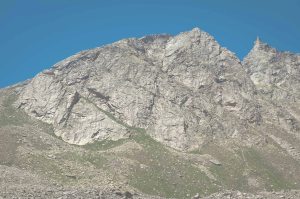
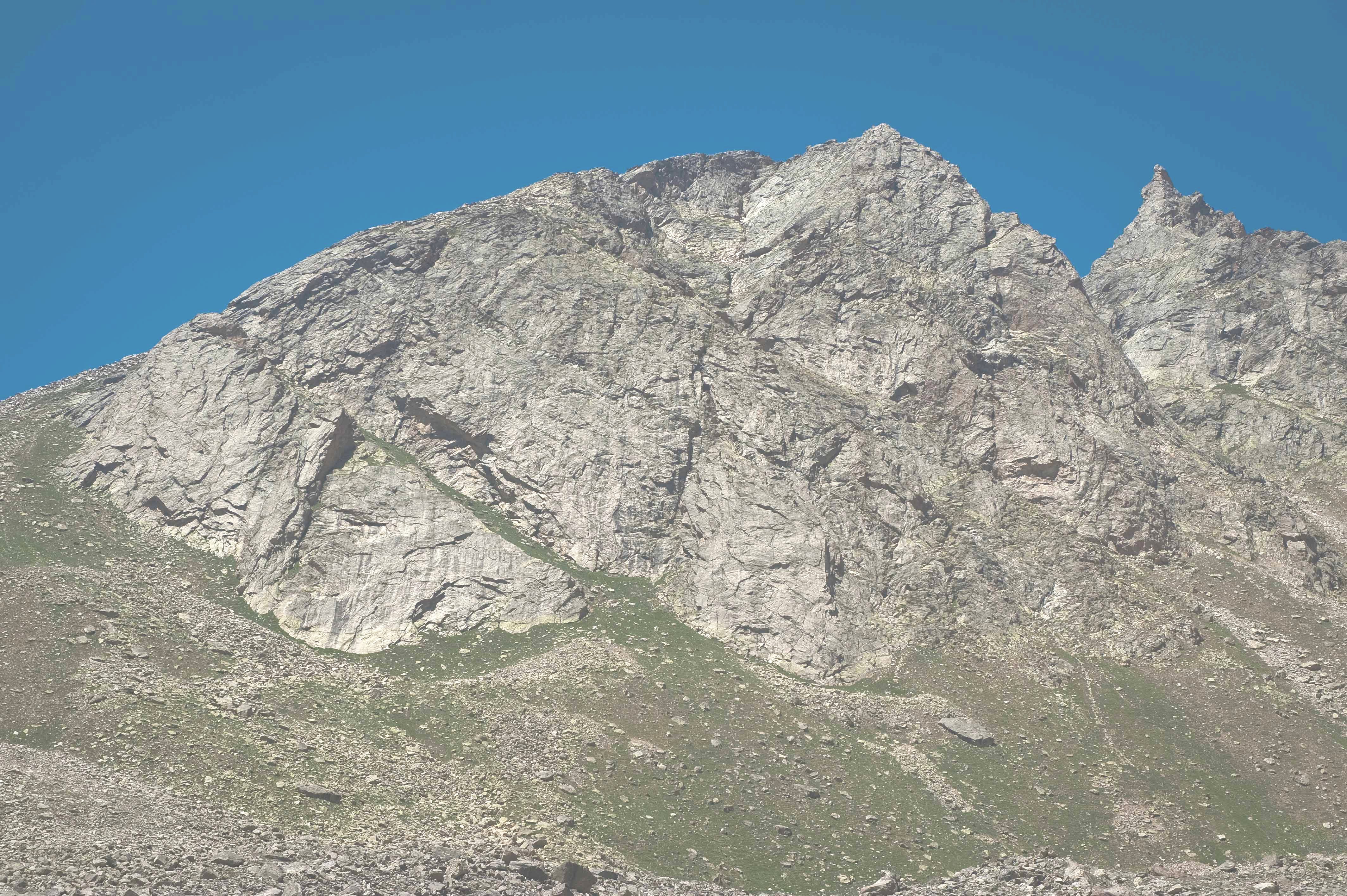
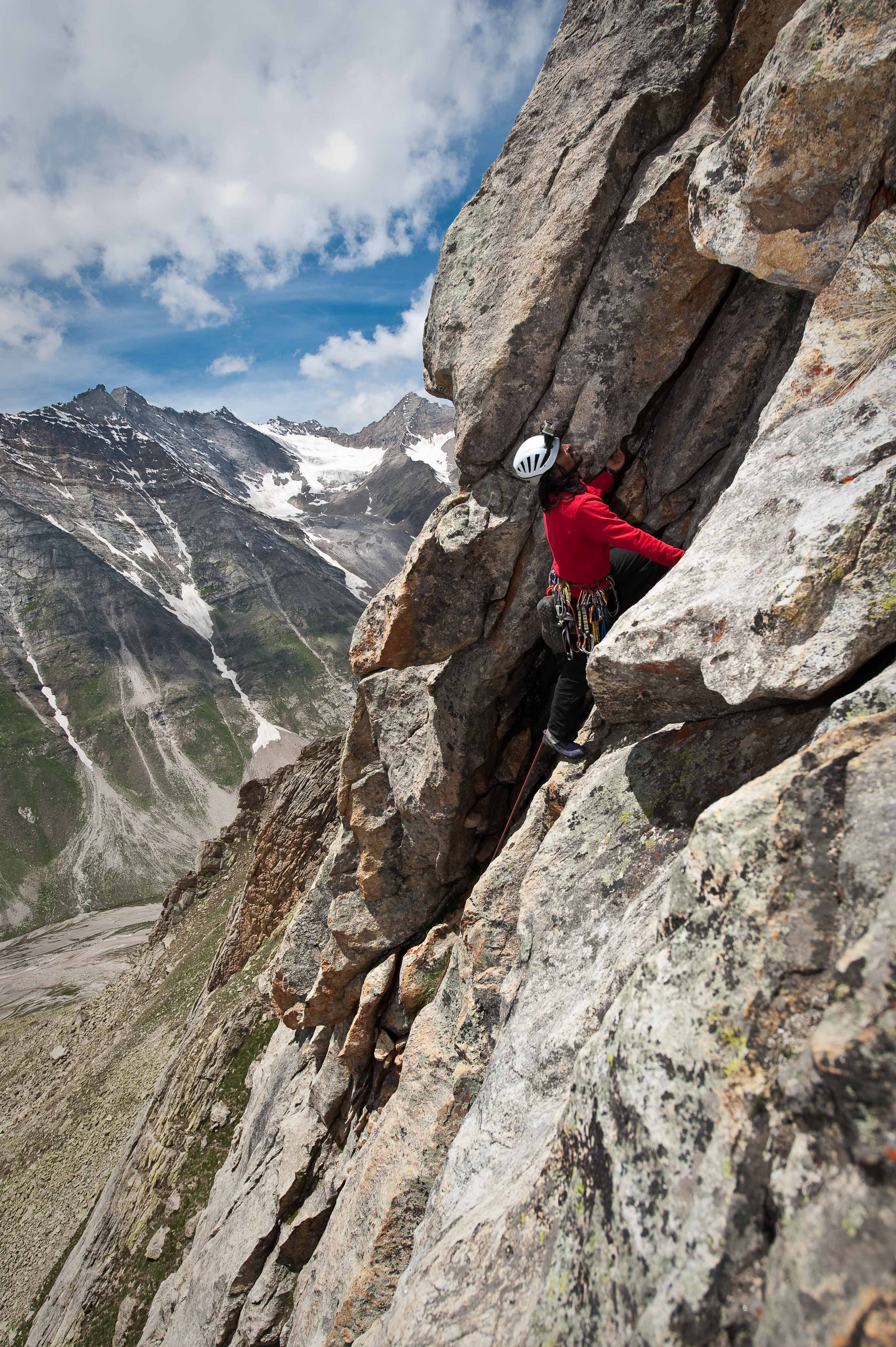
Toro Peak (Photo: Sharad Chandra)

Toro Peak (Photo: Sharad Chandra)

In 2012, a third big wall expedition was mounted. This time the objective was Miyar Nala’s Toro Peak, already climbed by a foreign climber who had left behind route details. Weather was good. The team climbed Toro Peak two times that month. It showed their growing comfort with the environment. The club’s report said, “ we succeeded in a pure rock climbing ascent of Toro Peak (4860mts)’’ They opened two new routes, one being a central route of 550m; the other, a South Eastern ridge of 400m. Two separate climbing teams, one of three climbers and the other, of two climbers, topped. The climbing grades appeared easy overall save for the final portions. The report indicated a long day (over 12 hours) from base camp to summit and back. To be factored in additionally would be the effect of altitude on human effort. All in all, it was a more encouraging outcome than happened on the previous trip.
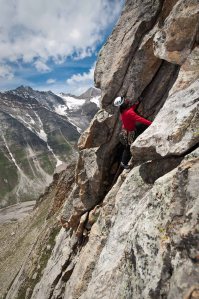
Vaibhav on Toro Peak (Photo: Sharad Chandra)

Vaibhav on Toro Peak (Photo: Sharad Chandra)

But problems persisted. Given ancient volcanic rock that breaks off periodically, many routes in the Sahyadri have shifted to being bolted, diluting to that extent the climber’s ownership of protection placed. It frees him to climb but removes a critical component of true climbing from the frame, which is – you are responsible for your safety and should therefore know how to place protection. Further, for the few still doing traditional climbing (trad) this way in the Sahyadri, Himalayan rock (nature of rock influences equipment placement style) was new. Result – the required trad climbing competence wasn’t second nature yet for the team. In contrast, years ago, Girivihar had pioneered civilian mountaineering from Mumbai, including the first civilian expedition to the Himalaya from Maharashtra and the first Indian civilian attempt to scale an 8000m peak, Mt Kanchenjunga. In the Sahyadri, it had trekked hard and climbed pinnacles. It had a past that was rich in Himalayan experience and trad climbing in the Sahyadri. Now it celebrated sport climbing and was identified best with an annual sport climbing competition on artificial climbing walls. Perhaps the unnoticed drift here had been acclimatizing to staged-events? Psychologically, this was a shift from the typical Himalayan environment and the whole deal of being outdoors. What Mangesh said had more to it than met the eye. An observation by Vaibhav also struck similar note. According to him, unlike in the Sahyadri, where rain is seasonal and spring and winter have nice dry days, a variety of factors affect the climber’s window in the Himalaya. When the weather is apt, you have to use it well. The climber has to be efficient; something particularly important on big walls where rope and gear can be many. Vaibhav felt that climbers from the smaller, sunny Sahyadri hills, while certainly good on rock, had slipped into a comfort zone (he didn’t spare himself). It was a bit like Sahyadri all the time, everywhere, when all the time and everywhere wasn’t Sahyadri. The biggest handicap born from comfort zone is ego. It blocks change. Arguments erupted at altitude among the participants during the second Miyar Nala trip causing fissures in the team. That’s how much a change to familiar context can mean. Equally, that’s how much an attempt to do something new can teach.
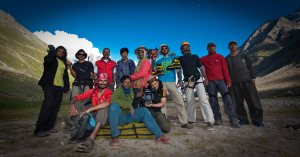
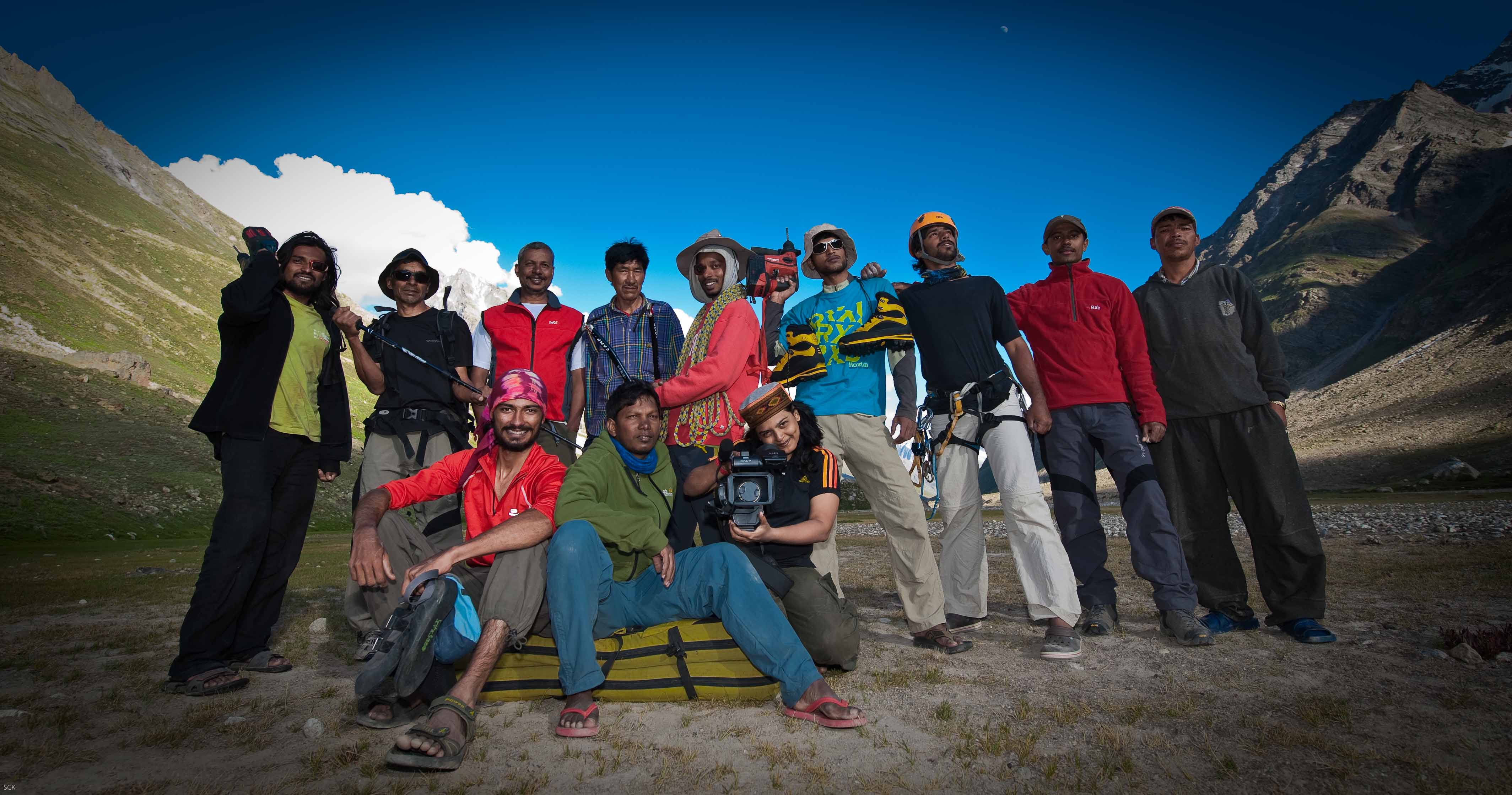
The team (Photo: Sharad Chandra)

The team (Photo: Sharad Chandra)

After three expeditions (including the one that was cancelled) and Toro Peak done, Vaibhav believed there was a lot to learn before the team could be on a genuine big wall. He was yet to trad-climb in the Himalaya with the same top notch calibre that he was capable of at lower altitudes in peninsular India. He wanted that flow to happen. “ I wish to climb hard on rock, at altitude,’’ he said in the Navi Mumbai suburb of Belapur, where preparations were on early January 2013 for the 10th edition of Girivihar’s annual climbing competition featuring sport climbers from home and overseas. That was the story till then of the first Indian civilian attempt to climb a big wall in the Himalaya. What they did does not match the visual impact of typical big wall-imagery from overseas or even such imagery from the rock faces of peninsular India, an environment they were used to. But they looked in the big wall mirror of the Himalaya and saw themselves. They knew where they stood. Knowing them, the team should be back for more. Vaibhav felt that a big wall expedition in the Himalaya could be candidate to collaborate with foreigners who had done it before. “ You learn a lot,’’ he said.

Perhaps that gentleman, from a morning long ago at the IMF climbing wall, should hear this. 

Girivihar, on gauging the competence of its original big wall team, did the right thing by calling off the Kedar Dome East Face expedition and choosing instead to start from basics in Miyar Nalla. It may have been humbling but in climbing, such decisions in the interest of safety are as highly respected as a climb well done.

Among information studied by the club for the proposed Kedar Dome East Face expedition was material on the ascent of the peak’s South East pillar by Englishmen Tim Emmett and Ian Parnell. It showed the nature of difficulty in big wall climbs at altitude, the equation between chance and luck and the climbing styles unique to each team.

The crux of their climb was high up at around 6000m. The degree of difficulty of this portion was estimated as 6c in accordance with the French system of grading. To put it in perspective, while there are climbers in Mumbai who have climbed at grades beyond this level, the said portion is at 6000m altitude where oxygen is less and exertion would be tiring, not to mention, the risks associated with a 2000m rock face. You are also carrying stuff you need on the wall. In an interview to planetfear.com Parnell said, “ As usual we carried no bolts and had a pretty light rack, only six pitons, which we placed about once each. We were very lucky to find good tent sites except for one day where we had to bivi* on some poor sloping ledges halfway up the final rock headwall, shivering the night away racked by continuous stone fall. The main difficulty on top of the crux pitches was following with a big rucksack, which was very tiring.’’ According to him there were times when they cried; sometimes, threw up from the strain. Plus, “ add to this the first 600m section we climbed in the night, which included some terrible rock with no protection and no belay.’’    

The crux was on-sighted (that is, climbed without any prior information about the specifics of the route; discovering it as you climb) by Emmett, who was described as among Britain’s strongest all-round climbers. He called it the most demanding piece of climbing he had done without falls. Interestingly, while Parnell was well experienced in the world’s big mountains, this was apparently Emmett’s first trip to the Himalaya and only his second alpine climb.

*Bivi is colloquial for bivouac, which is to camp while still on a climbing route. This spans being in a portaledge (a small, hanging tent) on a rock face to using any other type of shelter to having no formal shelter, spending the night on some ledge, sometimes with sleeping bag, sometimes, without.

(PLEASE SEE PART TWO OF STORY FOR EXPLANATORY NOTES)

(The author, Shyam G Menon, is a freelance journalist based in Mumbai. He would like to thank Sharad Chandra and Franco Linhares for permitting the use of photographs from their collection. An abridged version of this article was published in Man’s World magazine.)

CLIMBERS IN THE BIG WALL MIRROR (PART TWO)

Illustration: Shyam G Menon

Illustration: Shyam G Menon

EXPLANATORY NOTES

Big wall climbing

When the first moves in modern rock climbing and alpinism happened in Europe, the Americans got left behind. There wasn’t a personal stamp for them in the sport’s evolution. In the mid 20th century, they focused their attention on El Capitan, a sheer rock face of around 3000ft in Yosemite. The race to climb El Capitan and the subsequent ideological confrontation between two schools of climbing – one advocating clean climbing with removable protection (that is, you use devices which you can keep taking off from the rock as you progress up a wall leaving little trace behind of the climbers’ passage), the other, prone to installing permanent bolts into rock to host the protective gear – was a famous chapter in the evolution of climbing. It birthed two American greats with contrasting approaches in rock climbing – Warren Harding and Royal Robbins (please see earlier post ` The Short Cut’ for details).

Although huge rock faces had been climbed already in Europe, El Capitan’s first ascent revived the interest in big walls. The debate on climbing style continued. The French bolted like crazy. But the Americans and the British, favoured climbing with removable equipment, one reason why traditional (`trad’) climbing is big in the US. While established long routes (especially bolted ones) may get speed-climbed later, exploratory big wall climbing can be equipment-heavy. It requires efficient equipment management and entails staying on ledges on the rock face being tackled, sometimes using portable hanging shelters called portaledges. The climbs are typically multi-day affairs. Big wall climbing at high altitude (as the Huber brothers did on Arwa), developed as an extreme version, for high altitude is tough environment to hike in, forget rock climbing. Rocky peaks in West Karakorum and Patagonia became iconic in the discipline. These include Pakistan’s Great Trango Tower (6286m) and other rock faces in its neighbourhood and Torre del Paine of Chilean Patagonia with its rocky peaks of modest elevation but tricky Patagonian weather nonetheless. In India, visually speaking, the Arwa peaks fit the big wall category beautifully. Through all this however the attraction to climb El Capitan rules strong as that is the de facto spiritual ground of the discipline. Even established big wall climbers from other geographies come to Yosemite to prove themselves on El Capitan’s routes. Thus the Huber brothers, despite climbs elsewhere, briefly held a speed record on El Capitan. I have come across Indian climbers who dream of trying El Capitan one day. That said, big wall climbing is at its classic best when it is exploratory for that is true climbing, that is when climbing is stretched to long affair and gear and knowledge of gear placement is tested. In practice, in the high mountains, a big wall may stop being strictly rock and strictly vertical to being mixed terrain and amalgam of gradients. Some extreme mountaineering routes therefore have the traits of rock climbing’s big wall.

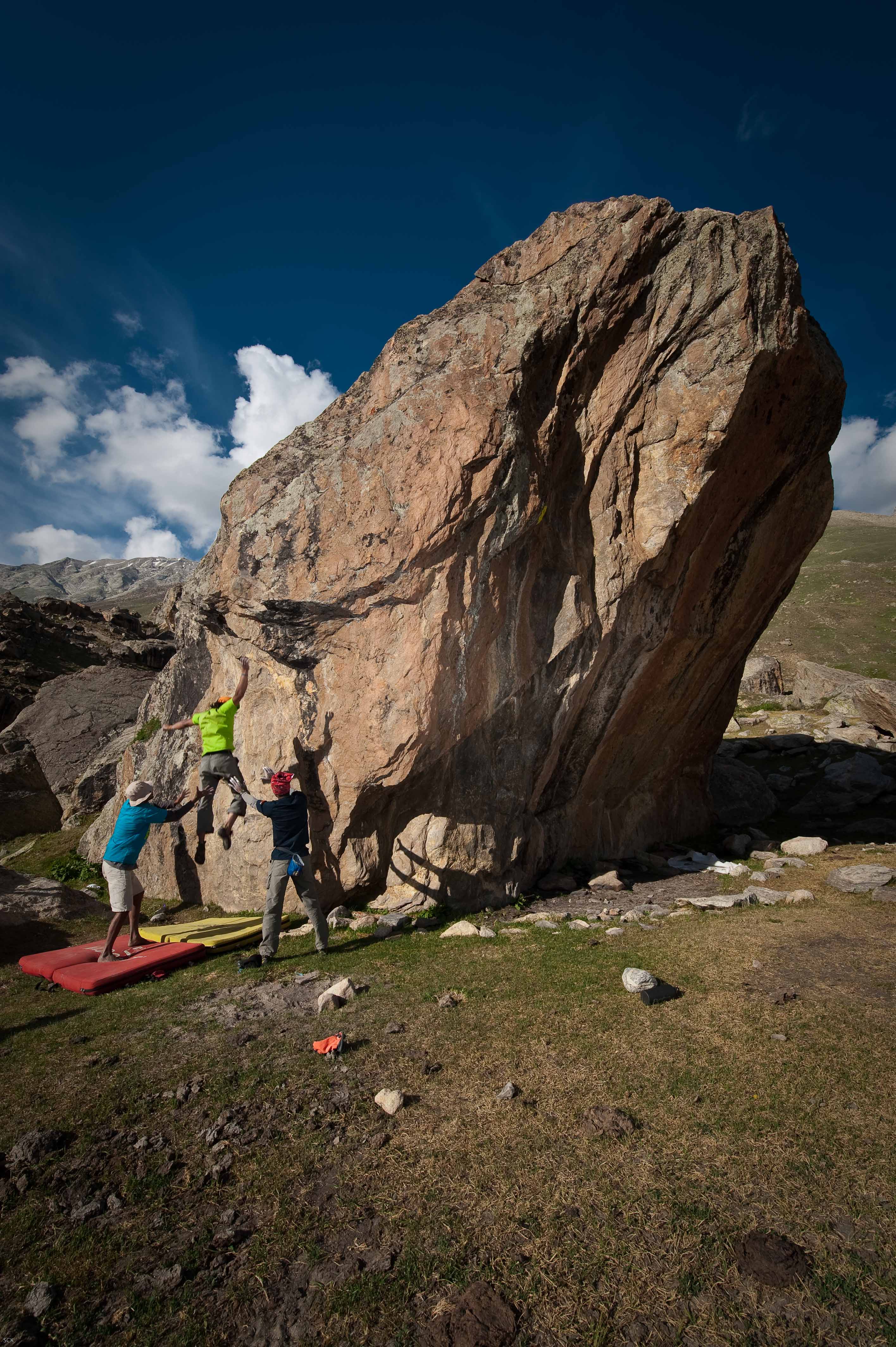
Bouldering in Miyar Nala (Photo: Sharad Chandra)

Bouldering in Miyar Nala (Photo: Sharad Chandra)

Types of climbing:

Bouldering: This is the minimalist form of climbing. The gear used is restricted to climbing shoes, chalk to keep the sweat off one’s hands and a crash pad to cushion falls. No ropes are used. As the name betrays, you climb boulders, typically up to fifteen or twenty feet high. Your friends `spot’ you as you climb to make sure that if you fall, you land on the crash pad. Since you don’t climb high, bouldering compensates by challenging you with very difficult moves, some requiring climbing technique, others, raw power.

Sport climbing: Sport climbing routes are longer than bouldering problems. Expansion bolts are drilled into rock to prepare a route. These bolts can take `quick draws,’ through which the climbing rope attached to your harness is passed as you ascend. The idea being – if you fall you will be stopped from going all the way down by the nearest quick draw and bolt. The other end of the rope is with your friend who is belaying. He feeds you enough rope to keep going up, monitors the feed and uses a belay device through which the rope has been passed to prevent the free end of the rope from quickly running out should you fall. Belay devices work on the principle of friction; some allow the belayer to manage this friction manually, others with auto-lock facility restrict the rope-feed to one direction thus automatically checking slack in the system should the climber fall.

Trad climbing: This style is characterized by the use of removable protection like cams (also called `friends’), choke nuts and pitons. The climbing style is near similar to sport climbing with your friend belaying you. On trad, you are more cautious than on a sport route because there is no previously installed protection on the route. As you climb up you look for features in rock, like cracks, to place the protection. Once the protection is placed, you attach a quick draw to it and then pass the rope through the quick draw. Once the lead climber has reached a rest spot, he anchors himself securely and belays the second climber up. As the second person does so – if it is a two-person team – he cleans the route removing all the gear that was placed as protection. This is clean, pure climbing. Unlike sport climbers, trad enthusiasts have to carry a lot of gear. Transferred to big walls, this work will also include gear-hauling for as you progress up a rock face you have to carry with you whatever you need for life and work further up.    

The club, the people:

Girivihar (www.girivihar.org) started life in 1954 as the Inter Collegiate Hiking Club of the Bombay University. In the mid-1960s, the name was changed to Girivihar to broaden the membership base to beyond the university. It is today Mumbai’s oldest mountaineering club with a track record of mountaineering in the Himalaya and trekking and rock climbing in the Sahyadri. Of late the club has also spawned an interest in cycling. Girivihar is notable for its regular itinerary of weekend activities (trekking or climbing depending on the season), annual outdoor training camps for school students and adults and an annual bouldering competition that sees participation from India and overseas. The club’s office bearers meet every Wednesday at a cafe in Dadar in the city. Girivihar was also instrumental in setting up and managing the climbing wall at Mumbai’s Podar College.

Franco Linhares is past president of Girivihar and most importantly, its longest serving. He is probably the oldest, consistently active rock climber in Mumbai. You will see him every other day on the Podar College climbing wall and at most weekend treks / climbs of the club save those occasions when he escapes to merry Goa or can’t get away from life with the climbing bug for the slower pace of a hike. A chemist by training and once employed with a MNC, he chucked it all up for a life in the Sahyadri and the Himalaya. Abhijit Burman aka Bong is an institution in Girivihar and the Mumbai climbing scene. An unforgettable character, he works as a technician at BARC. He has been central to many Girivihar projects. A mountaineer and cyclist, he appears to have transformed to being a mover of projects and their manager.

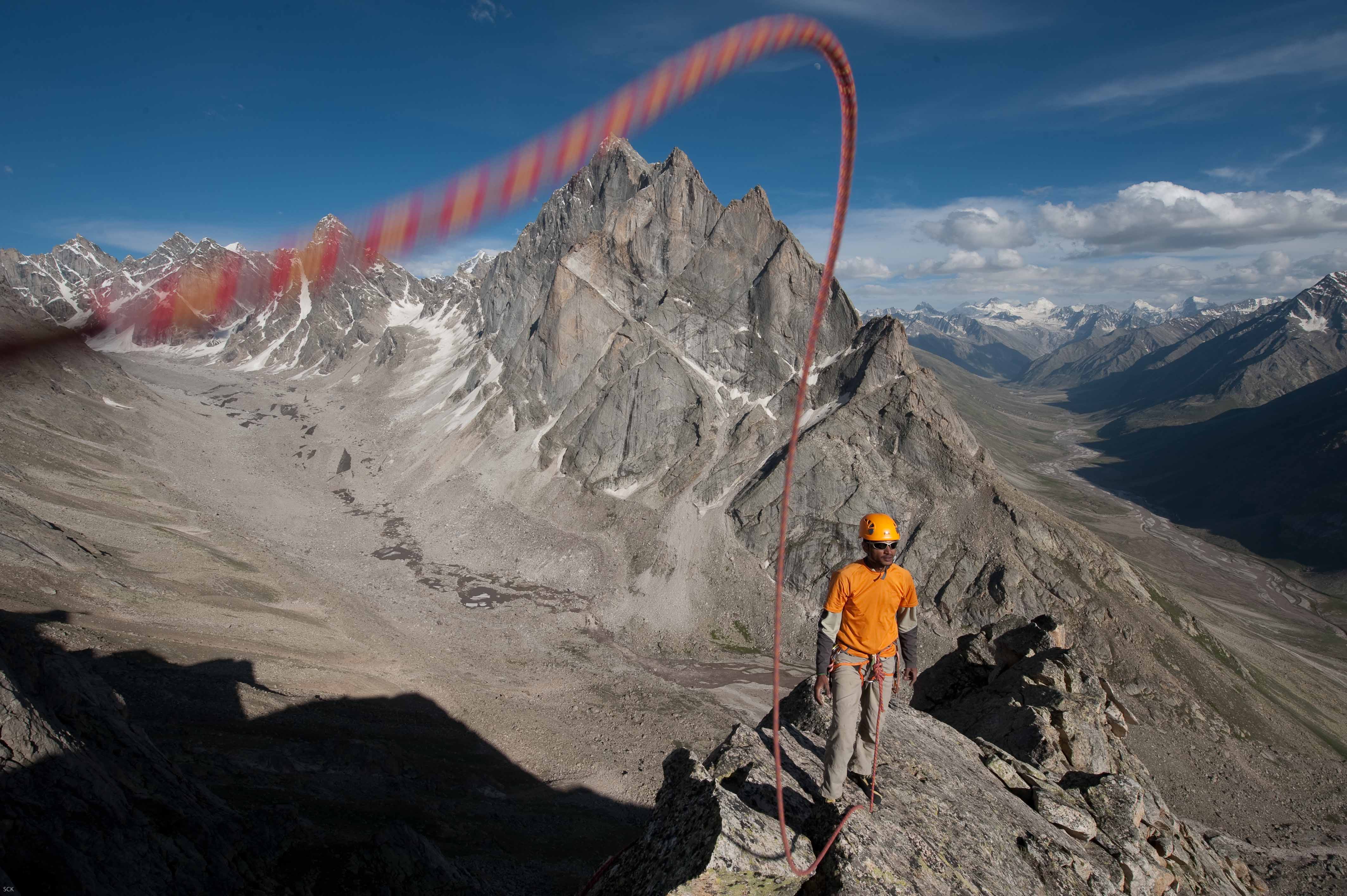
Shyam Sanap on Toro Peak (Photo: Sharad Chandra)

Shyam Sanap on Toro Peak (Photo: Sharad Chandra)

Years ago, Vaibhav Mehta etched his name into the rocks at Mumbai’s Borivali National Park, founding a climbing route aptly called `Finger Crisis.’ From them on, he hasn’t looked back. Originally not members of Girivihar, Vaibhav and his close friends – Shyam Sanap, Sandeep Varadkar, Mangesh Takarkhede (they originally belonged to a group called DARE) – was the energy missing in Mumbai’s sport climbing scene. They were the first hard core addicts of the sport, spending days obsessed with climbing-problems and blazing a trail difficult for others to emulate. Until the arrival of these youngsters, the prized pursuit in Mumbai’s rock climbing was ascending pinnacles in the Sahyadri. Climbing was largely trad climbing but leaning towards bolted routes given the nature of rock. Vaibhav & co fueled sport climbing. Now, as the big wall climbing-story shows, trad probably beckons. Vaibhav has ranked among the top sport climbers in India and more importantly, distinguished himself as a route setter for climbing competitions. This generation of climbers linked up easily with overseas rock climbers, particularly the French. Rather amusingly the most common encouragement in Mumbai’s climbing circles now, is “Allez!’’ Vaibhav ran a cafe and climbing gym in Leh for a few years. He now lives in France, visiting Mumbai in time for Girivihar’s annual climbing competition where he is usually the route setter.          

(The author, Shyam G Menon, is a freelance journalist based in Mumbai. He would like to thank Sharad Chandra and Franco Linhares for permitting the use of photographs from their collection.  An abridged version of this article was published in Man’s World magazine.)
THE LUNCHBOX

Lunchbox (Illustration: Shyam G Menon)

Lunchbox (Illustration: Shyam G Menon)

`The Lunchbox’ was a nice film.

Its story – of a wrongly delivered lunchbox connecting two strangers in a large city, has been described as a known theme. It may not have been a lunchbox before, but similar predicament has been the stuff of link-up in stories. For all its alleged shortcomings, The Lunchbox warmed up to me effortlessly. It was neither difficult art nor any of that mainstream song and dance-routine. It was very much, the bland ordinary Mumbai life, told as it is with characters portrayed well by its lead actors.

In The Lunchbox, the sounds of everyday Mumbai were clearly heard. Music was mostly background score, that too only where needed and, subtle. There was an amazing economy of dialogue. When the characters spoke, their words and intonation fitted them to the T. Dialogues were crisp, sometimes tender and in a rarity for contemporary Indian films – there was an entire character who was just voice heard and not person seen. This film worked well as cinema. Its continuity was maintained through a mix of narrative, visual linkages between scenes and such funky aural continuity like the same song sung by different people with different tone and aural quality in different environments, which conveyed volumes about the travel through different contexts that is a daily Mumbai life.

Mumbai has been featured liberally on film. It has been shown umpteen times by the local film industry to the extent that its presentation on cinema often leaves people confused when they see the city’s harsh reality. They search for an elusive optimism in the mess. The Lunchbox seemed an honest depiction of life in the apartments, suburban trains, buses and streets I left behind to walk into the cinema hall and see the movie. The fulcrum for its story was the city’s dabbawalas, famous for their daily delivery of lunchboxes bearing home cooked-food and food prepared at small hotels, to people working in various offices. It is an amazing distribution system, very unique to Mumbai. Around the everyday journey of the film’s central lunchbox and the story of a relationship spawned by its incorrect delivery, the film captured well the city’s feel, from crowd and congestion to the less spoken of but very real loneliness of the individual. It is easy to pass off Mumbai as a city of great energy and enterprising people, prospering from opportunity. That isn’t how life is for all. Many of us remain anonymous and ordinary. An ordinary life is just that – ordinary. At day’s end you crawl back to your corner of accumulated loneliness. And as the city sleeps, perhaps you wonder whether there is someone, somewhere in the millions staying around who would understand you. The relationship that evolves between the two strangers was treated as the friendship it is with no judgement.  In the one moment in the film, when one of the protagonists judges the relationship, the other attempts to bridge it. Friendship, companionship – they are like oxygen. This one shines against the bareness of the mental landscape it is located in.

According to Wikipedia, the tradition of dabbawala is traceable to 1880. In 1890, Mahadeo Havaji Bachche and Ananth Mandra Reddy started a lunch delivery service with about a hundred men. In 1956, a charitable trust called Nutan Mumbai Tiffin Box Suppliers Trust was registered, followed by its commercial arm in 1968 called Mumbai Tiffin Box Supplier’s Association. The website estimates that between 175,000 to 200,000 lunch boxes are moved daily by 4500-5000 dabbawalas.

Finally, you have the actors. The film’s casting was overall well done. Including the voice only-Mrs Deshpande! Three good actors formed the visible central cast. Given movies celebrated for their box office performance no matter how loud and atrocious they are, The Lunchbox is a reminder that if you try, quality is within reach.

(The author, Shyam G Menon, is a freelance journalist based in Mumbai)

TWO TRAINS

Illustration: Shyam G Menon

Illustration: Shyam G Menon

The express train was soon cruising.

About twenty minutes out of Howrah, the pretty young woman on the seat opposite me exchanged her assigned berth with the middle aged housewife gazing disinterestedly at the world outside. Right upper berth gained, she hauled herself up to its privacy. The housewife on the left lower berth put on a sick expression; the sort that requires no hospitalization, merely attention, a little fussing over. Her husband, a businessman bound for Bhiwandi, rubbed his sleepy eyes and worked the cell phone. The morning sunshine on the side lower berth – the short one parallel to the aisle, if you know the anatomy of a typical Indian railway coach – bothered him. It was settled quickly. There was an exchange of berths with a less tired middle aged man, owner of the right lower berth in the main coupe. Within the air conditioned compartment, the latter immediately spread out railway bed sheets to mark his new acquisition warmed by sunshine. He sat on the compact berth with his back to the aisle, cross legged, staring at the passing landscape like a trader in his shop awaiting customers. I wondered what he would sell; sunshine perhaps? Bottled sunshine to cure the world’s problems; a shop laden with shiny glass bottles flashing by in an express train. All this – exchange of berth and setting up shop – happened in five minutes.

The Bhiwandi bound-husband was now seated next to me.

He gave me pleading looks.

“ Which is your berth?’’ he eventually asked.

“ I suppose you want to sleep,’’ I said, trifle annoyed at this rapid collapse of people around me.

He nodded like a neglected child.

The wife, probably angry with him and his cell phone, had already gone to sleep, blanket over her head.

I knew it was my turn to move.

I was on the Duronto Express; non-stop from Howrah in Eastern India to Mumbai on the west coast, save a technical halt at Bilaspur in the country’s middle. The train had just been introduced. It was fast by Indian standards but certainly not so by standards elsewhere. The Indian Railways meant a lot in India. It was one of the world’s biggest railway networks with portions – like the Mumbai suburban system – ranking among the busiest worldwide. The Railways meant so much that they struggled to keep pace with the demands India’s huge population heaped on it. Right now as I edit this piece, relentless inflation, unstable oil prices, the depreciation of the Indian rupee leading to costlier imports – all have conspired to make road and air travel expensive for the average Indian. Under such circumstances, the country counts on its government owned-railways to guarantee affordable transport. It may be over two decades since economic liberalization started and we may be now trillion dollar economy. But if you want to meet India, you still have to take a train. On busy routes, tickets are usually hard to find unless you book early. Speed can’t be a priority on overcrowded rails. What could be done instead and which the Railways do despite protests, is reduce halts en route for semblance of super fast and express travel. My Duronto Express was unique for its single halt, that too, technical. The train was painted in strange fashion; its facade sported illustrations of meadows, forests and trees as though a child had sketched it. At that time, if I recall right, it was the only Duronto in the country. Now there are several.

It may be over two decades since economic liberalization started and we may be now trillion dollar economy. But if you want to meet India, you still have to take a train.

Non-stop rail travel made the experience a bit like an intercontinental flight minus pretty air hostesses and luxury. You felt trapped in a long, air conditioned tube of an ecosystem. Half an hour from Howrah, with me now on the left upper berth, our coupe settled into the pattern it would hold till Mumbai next day. I read the biography of Slovenian mountaineer Tomaz Humar till my eyes ached; then I listened to rock music till my ears throbbed, after which I tested my left leg to see how long it could bear the cold blast from the overhead AC duct. With people genuinely asleep or lazing around on the lower berths, tea, breakfast and lunch – everything was had sitting in C-shape on the upper berth. Bored, I looked towards the pretty young woman who had occupied the right upper berth. She was busy talking on her cell phone. I began praying that the instrument would conk off forcing her to seek conversation elsewhere. She was the only one around doing anything more than eating, sleeping, eating and sleeping, even if the difference was endless whispered nothings to her boyfriend over that phone

My mind drifted to the Kamrup Express. Two weeks earlier, life aboard that train had been as different as alive from comatose.

I had the lower berth on the left. Seated opposite was an elderly trader headed for Guwahati. In half an hour he found devoted following in a young man from the same community, employed with an engineering firm. An extended family tree was discussed; shared branches located. They conversed like two cozy birds on the same branch dipping into that tradition of centuries of unchanged sunrise and sunset. Somehow Indian conversations – especially those tinged by mercantilism – drift to endorsing unchanged society. I suspect money likes to keep everything else the same so that it multiplies undisturbed. That’s why, if you sit in on it, conversation among traders can seem depressingly mono-cropped. It’s shaped to single dimension. Knowing the state of my purse, I end up feeling that I have no future. Not that other Indians make it any easier; money is obsession everywhere here. The compartment’s aisle stayed busy with soldiers visiting coupes hosting friends. It was probably their last socializing before dispersal to far flung military camps. The army had a strong presence in North East India. The lone person from the air force sat tracking the stations to his halt; it was his first time in Assam. A cell phone blared Malayalam film songs from the next coupe, while not far off Tamil held forth. The Marwari engineer sat reading a book called Making Breakthrough Innovation Happen by Porus Munshi. It fetched a strange visitor from the next coupe. Taking charge of the book the man said, “ I am a Lieutenant Colonel in the army. Promoted out of turn; all my batch mates are still major.’’ I remember that introduction for its utter strangeness. Later, he kept calling up people – I suspect from the conversation, they told him to spare them the trouble. Past midnight, he was still getting ticked off, offering a quick, “ okay, ta-ta, bye-bye, good night, sweet dreams, ‘’ to every person slamming the phone down. The last time I saw him, he was sitting alone on the coach attendant’s seat near the wash basin, cell phone in hand, train’s rhythm on rail for company.

Illustration: Shyam G Menon

Illustration: Shyam G Menon

Early next morning from New Jalpaiguri onward, the train became a bazaar. It was an invasion of vendors. My favorite was a man selling popcorn, peanuts, roasted green peas and a whole lot of similar eatables. His signature call was, “ ta-ta-time, pa-pa-pass.’’ Put together that became `time pass,’ the Indian solution to tackle many things in daily life – from delays caused by gargantuan bureaucracy  and the queues of huge population to a moment of restless standstill in cities of constant rush. He also had soft items for “ old men with no teeth,’’ crunchy ones for the young and peanuts, sold as catalyst for conversation between lovers. The sales pitch in the latter attracted questions. “ Nowadays people overlook peanuts and talk on the cell phone. With phones you need towers and signals to talk to your lover, peanuts need none of that, ‘’ the vendor explained before moving off to another chant of, “ Ta-ta-time, pa-pa-pass.’’ What amazed was the array of goods sold by these vendors – there were pen drives, flash lights, film rolls, mobile chargers, mobile batteries, cameras, watches, track suits, massagers, foot pumps, flasks, jackets, hand held sewing machines, DVDs, carpets. China had changed even vendors on trains; their talk was now peppered with megabyte, cyber, digital, MP3, I-Pod and like. Some of the vendors were dexterous; the gamcha vendor was a heap of clothes on two legs, as was the carpet seller. The soldier from the upper berth, traveling to Dimapur, struck a deal with the young engineer to buy DVDs. Using the engineer’s laptop, they scanned disc after disc for good, pirated prints till it drew loud protests from the vendors. “ You are scanning all my discs and buying only one. I would have sold ten by now,’’ a vendor remarked as a coupe-load of people helped the soldier bargain down DVD price from Rs 60 to Rs 20. Half way through the exercise, the engineer, mindful of new found uncle nearby, reduced his involvement to pure technical assistance with no say in film selection. Curious, I thumbed through the soldier’s selection. It ranged from 3 Idiots and Avatar to Emmanuelle and riskier beyond. Uncle looked stoically into the distance. The engineer buried his nose in his book.

The train was now two and a half hours late and politely making way for every other train to pass us by. Occasionally, when we had the benefit of a platform nearby, we got off to stretch our legs. “ That’s the Amritsar train, that’s the Rajdhani express,’’ the ticket inspector would clarify oblivious of our self-arrest. He was like a railway historian giving us a guided tour of the why, how and several other qualities of a journey disrupted. Standing so, on the platform at Barpeta Road, I saw a man wearing a T-shirt that said, “ Japan-US at war, 104 die in Hawaii raid, McArthur in Australia.’’ It appeared topical for the only region in India to have experienced real fighting in World War II. The Battle of Imphal and the Battle of Kohima were major turning points. As the crow flies, Imphal and Kohima were not hugely distant from where I was although actual travel along hill roads meant distances in the North East were often deceptive. The T-shirt also appeared topical, given the purpose of my trip to Assam and from there to Arunachal Pradesh to write about the Stilwell Road. The train crawled on. A harried coach attendant arrived muttering, “ people give me thousand rupee-notes and demand a bottle of water. What am I to do?’’ The matter was giving him a headache. As if to soothe his headache, the China connection made itself heard once again; a blind vendor produced three different sized-vials of “ China Vicks.’’ Meanwhile, the upper berth bearing the DVD obsessed-soldier, emitted kung fu shouts, bomb blasts, machine gun fire and full throated passion. The laptop stayed up there with the soldier through the day; the engineer sat reconciled to Porus Munshi. At night, our coupe converted into a cinema theater, laptop on the small folding table with soldiers from nearby coupes converged there to watch 3 Idiots. Film over, a bizarre incident occurred. A passenger woke up from deep slumber inquiring why he was on the train. Co-passengers comforted him and hushed him back to sleep. Morning brought mist, winter chill and Tinsukhia. As with several stations before from Barpeta Road to Guwahati, I got off the train to `set foot’ on a platform I may not see again. It was my little conquest-of-Everest act. It was also perhaps a measure of my meek character for the truth was I was still in India. Yet these were parts I hadn’t been to before. Indeed one of the things I discovered as I grew up was how little I knew of anything in India; I didn’t even know my neighborhood well. In the desperate Indian life, we reach other countries before we discover the places we were born in. In middle age, I was doing what I should have done earlier. After Tinsukhia, we moved on tracks bordering a road beside tea estates, to Dibrugarh. I remember looking at those tea estates on vast, relatively flat ground and wondering how different they seemed from Kerala’s tea estates situated on hillsides. Somewhere out there, not far, lurked the architect of Assam’s geography – the mighty Brahmaputra; a river wide enough in parts to seem a small sea.

As with several stations before from Barpeta Road to Guwahati, I got off the train to `set foot’ on a platform I may not see again. It was my little conquest-of-Everest act. It was also perhaps a measure of my meek character for the truth was I was still in India.

Luckily for me, the young woman on the Duronto Express was as bored as I was. She was moving to Mumbai on work. Conversation served well to distract her from the approaching huge city she had transited through before but had never wanted to live in. Now she was going to live there. She seemed happy to talk. I missed that vendor on the Kamrup Express. He could probably teach a marketing lesson or two to the Railways on the real USP of the non-stop Duronto Express.

Introduce peanuts for a start?

(The author, Shyam G. Menon, is a freelance journalist based in Mumbai. A smaller version of this article was published in The Hindu Business Line newspaper.)
STILWELL ROAD (PART ONE)
This article is composed of two separate but convergent stories. One is narrated in normal text; the other is in italics.

Stilwell Road between Nampong and Pangsau Pass (Photo: Shyam G Menon)

Stilwell Road between Nampong and Pangsau Pass (Photo: Shyam G Menon)

Mid-January 2010.

Assam Rifles camp at Jairampur, Arunachal Pradesh.

The wooden table, covered in clean white cloth and moved by smartly dressed soldiers to a sunlit spot for photography, resembled the typical setting to display captured arms. It appears often on television – rocket launchers, AK-47s, rounds of ammunition, all stacked, labeled and kept on a clean, white tablecloth. That day however, as I got my small camera ready, the soldiers brought forth rotting pieces of weaponry. Two machineguns of World War II vintage, rusted to golden brown with yellow streaks, several parts missing. They kept it reverently on the table and as soldiers do, faded to the backdrop. Some days before, just behind the camp’s administrative block where I stood, men were tilling a patch of land to cultivate plantains and papaya, when the foot-deep blade of the tiller struck metal.

Welcome to Stilwell Road.

Officially it was National Highway 153 running in from Assam. Earlier, past the dusty, coal-smeared roads of Ledo and opposite another military camp, a large board with an overgrown path nearby and a long forgotten railway track leading to a long gone bridge had announced start of the Stilwell Road. Across the river, the old track now partially covered by earth, led to the Lekhapani station with its plaque reminding us that it used to be the eastern most tip of the Indian Railways. The last train to the erstwhile coal loading station was in February 1997. On the road nearby, a truck lay overturned on the road, its load of coal being shoveled into gunny bags by workers. It must have begun its trip at Ledo, a coal town with an open cast mine operated by Eastern Coalfields; long stretch of road bordered by heaps of excavated earth and a stream colored yellow with effluent. For those in search of Stilwell Road, this was the Ledo of World War II, from where General Joseph Stilwell of the US Army built a road into Myanmar to connect with the famous Burma Road leading to China. It was a Herculean task involving the Americans, the British, the Chinese and Indians; a road that cut across high mountains and dense jungles, best captured in an oft published black and white picture – one snake of a road slithering down a mountain.

At an outdoor camp in the Himalaya in 2007, I met Pearly Jacob. She was from Mizoram in North East India, working in Bengaluru (Bangalore), the South Indian city made famous by the IT industry. Despite my desire to visit the North East, I had never made it anywhere that side. Courage, especially the courage to travel alone, was in short supply. Much of my so called adventures had been with others. It usually embraced conquest of something – a peak or a pass – as objective, while real adventure lay already lost through sticking to familiar group. Perhaps she would travel with me? Pearly laughed off the suggestion, asking why I would need company. Instead she cited a friend – Malayali, brought up in India’s IT capital – who had gone exploring in Myanmar. I didn’t seek details, for the person’s whereabouts appeared hazy and more important, somebody taking off just like that made me feel like an abject coward. Couple of years later, Pearly herself reached Thailand. In a remarkable journey, this former radio jockey at World Space, cycled through a few countries in South East Asia into China and then traveled right across to Mongolia.  Late November 2009, after a long gap, I checked Pearly’s travel blog and saw a remorseful entry on Arun’s demise in Dali, Yunnan. That’s how I found the name of the man who went off to Myanmar, obsessed by the Stilwell Road. An Internet search then threw up Arun Veembur’s obituary from The Hindu: Young Writer and Intrepid Traveler Dies in China.   

The Stilwell Road’s construction and the preceding airlift, flying in supplies from Assam to Yunnan in China across mountains exceeding 10,000ft in elevation, was considered one of the most remarkable chapters of World War II. It was necessitated following the Japanese invasion of China and the consequent inability of Allied Forces to supply China by sea. To make matters worse, the Japanese land thrust towards India from South East Asia, cut off access to the Burma Road once Myanmar fell. The airlift from Assam – called `Flying the Hump – became a legend in aviation history. Flown by American and Chinese pilots, several aircraft were lost on this route at a mountainous knot on the planet where the combination of altitude, rain bearing clouds and powerful winds made flying terribly difficult. The jungles below were called an aluminum trail for the aircraft debris strewn around. Needless to say, the terrain made rescue operations difficult. Yet rescues were carried out. The planes transported items ranging from ammunition to fuel and even currency notes, often making for a combustible mix when kicked around by turbulent weather. There were two flight paths across The Hump, the dangerous upper one from Assam and an easier lower one from Calcutta. In 2010 the lower one was being used by China Eastern airlines for flights linking Kolkata and Kunming. Some of the air strips associated with the Second World War airlift had since come under Indian Air Force charge and were still functional at Dibrugarh. As were the tea estates which lent their names to the air strips, provided accommodation for the airmen and whose personnel – through the Indian Tea Association – were associated with building railways and roads in these parts, not to mention, taking care of the refugees that poured into India when Myanmar fell to the Japanese. The 3727ft-high Pangsau Pass in the Patkai Hills was where they had crossed into India; that’s where the Stilwell Road was headed.

The Stilwell Road’s construction and the preceding airlift, flying in supplies from Assam to Yunnan in China across mountains exceeding 10,000ft in elevation, was considered one of the most remarkable chapters of World War II.

Several years ago, a civil contractor was intrigued by the bricks he was being supplied. They were old and unlike the regular ones. Investigations exposed theft from a local cemetery. That’s how state authorities and the Assam Rifles stumbled upon what is now an official World War II cemetery, with almost 1000 graves, many of them Chinese. I sat before the grave of Major Hsiao Chu Ching of the “ Independent Engineers of Chinese Army stationed in India,’’ born July 1913 in Hapeh Province and died, December 1943. Less than 100 feet away was the newly erected memorial and a row of Assam Rifles soldiers gearing up for the arrival of Pallam Raju, the then Minister of State for Defence. He was on his way to the 2010 Pangsau Pass Winter Festival at Nampong, last settlement on the Stilwell Road before it crossed the pass into Myanmar. The festival had built a buzz around the road, a buzz that highlighted its potential place in trade. This one was compelling, running as it did from Assam through Arunchal Pradesh to Myanmar and eventually, Kunming in China’s Yunnan Province. No other road did this. At the festival’s inaugural ceremony attended by Arunachal Pradesh’s then Chief Minister, the late Dorjee Khandu, speakers welcomed the tribal artistes from both sides of the border and hoped that the road would be opened for trade.

The old rusted guns unearthed at the Jairampur military camp (Photo: Shyam G Menon)

The old rusted guns unearthed at the Jairampur military camp (Photo: Shyam G Menon)

You know that a person born in the noisy 1980s is different, if he likes Buster Keaton, Hollywood actor from the era of silent movies. Unusual tastes, often dismissed as eccentric, are typically the product of investing in a fascination. It betrays curiosity. Arun was unusual, often entertaining friends with a Keaton or Charlie Chaplin act. He was an only child. His father worked with the DRDO in Bengaluru. His mother was related to E.M.S. Namboodiripad, Kerala’s most famous Communist leader. The parents moved to Thrishur in Kerala. As a young man shifting from engineering to a course in journalism, Arun displayed a craving to know. He was an avid reader, a keen quizzer and passionate biker owning a RD 350 and a Yamaha Crux, but had a penchant for trouble. “ With him around, the darnedest things used to happen,’’ Darshan Manakkal, who along with Robin Browne, had been Arun’s seniors at Christ College in Bengaluru, said. It all started with holidays in Assam, where Robin’s parents lived. The first visit was to Tezpur; the second was to Dibrugarh with forays to Margherita and Ledo. That was how Arun came to know of the Stilwell Road. On return to Dibrugarh, he found books on the subject in the personal library of Robin’s father, who had an interest in the World War II history of the region. It probably began focusing his life for the Stilwell Road began to grow as an objective. In appearance he was a scrawny individual, possessing many of the habits of the contemporary urban youngster. “ But he had this urge to show that he was capable of what seemed difficult,’’ Arun’s uncle, Rajesh P, said. According to friends and family, he also had another under-estimated virtue. Arun could make people feel special and he never hesitated to strike a conversation with anyone, rich or poor, big or small. Not long after he stumbled across the Stilwell Road, he did his basic mountaineering course from the Himalayan Mountaineering Institute and made a third visit to Assam, this time traveling down the Stilwell Road with a view to hit the Pangsau Pass. Manu Neelakandhan, Arun’s cousin, believed that he was turned back just before the border by the guards. Arun had worked with Deccan Herald. After returning to Bengaluru from this third trip to Assam, the young journalist took up jobs – he worked at Silicon India and Mid Day – purely to fund what he realized he should do next, go to Myanmar. In his mind, a book on the Stilwell Road was taking shape. It became an obsession and for a brief period the bug bit Rajesh as well. One day he called up Arun from the Blossom book store on Church Street and said there was a copy of General Joseph Stilwell’s autobiography available. “ Pick it up,’’ Arun said, thrilled. By now it was official to family and friends that Arun would head off on his little project.

Lobbying to reopen the Stilwell Road had been on for some time. A news report from Kolkata dated August 4, 2004, said that the Eastern Region Chairman of the Federation of Indian Export Organizations had pitched for reconstructing the road. In November 20, 2008, a report quoted the Chairman of the China Council for Promotion of International Trade, saying in Kolkata that reopening the road could be a vital trade link. Another report cited then Minister of State for Commerce, Jayaram Ramesh, symbolically handing over a sack of salt to a Myanmar army officer at Pangsau Pass. He said the Commerce Ministry wanted to reopen the route by 2010. Then a June 18, 2009, report from Guwahati quoting B.K. Handique, then Minister for Development of North Eastern Region, said that plans to reopen had been shelved following Myanmar’s objection on security grounds. At Nampong, I asked Pallam Raju what the government’s official position was on reopening the road. He declined comment and referred me to S. Sharma, Secretary of the Border Roads Development Board who said, the Border Roads Organization had nothing yet to do with the Stilwell Road. Reconstructing the road was probably important for Arunachal Pradesh. The state with China to the north and west had only Myanmar to probe for international trade route. Setong Sena, then Finance Minister of Arunachal Pradesh, had been among those who visited the Prime Minister’s Office to seek the reopening of the Stilwell Road. According to him, the government had put the Stilwell Road as a third priority after routes opened in Mizoram and Manipur. Now in retrospect, it appeared that the Myanmar authorities having seen India build a Friendship Road into Myanmar from Manipur were possibly wanting similar work this side. Indeed, much of the Stilwell Road in its World War II form reportedly lay on the Myanmar side. That was great history but it raised the question – how can there be trade if the road was too bad for modern transportation?

(…TO BE CONTINUED)

(The author, Shyam G Menon, is a freelance journalist based in Mumbai. He would like to acknowledge the assistance provided by Ripunjoy Das and Pranab Phukon while doing this story. An abbreviated version of this article – ie part one and two – was published in The Hindu newspaper. That article has a photo of Arun. This is the link to the article in The Hindu http://www.hindu.com/mag/2010/05/02/stories/2010050250140400.htm A bit more elaborate version was published in Man’s World (MW) magazine.)