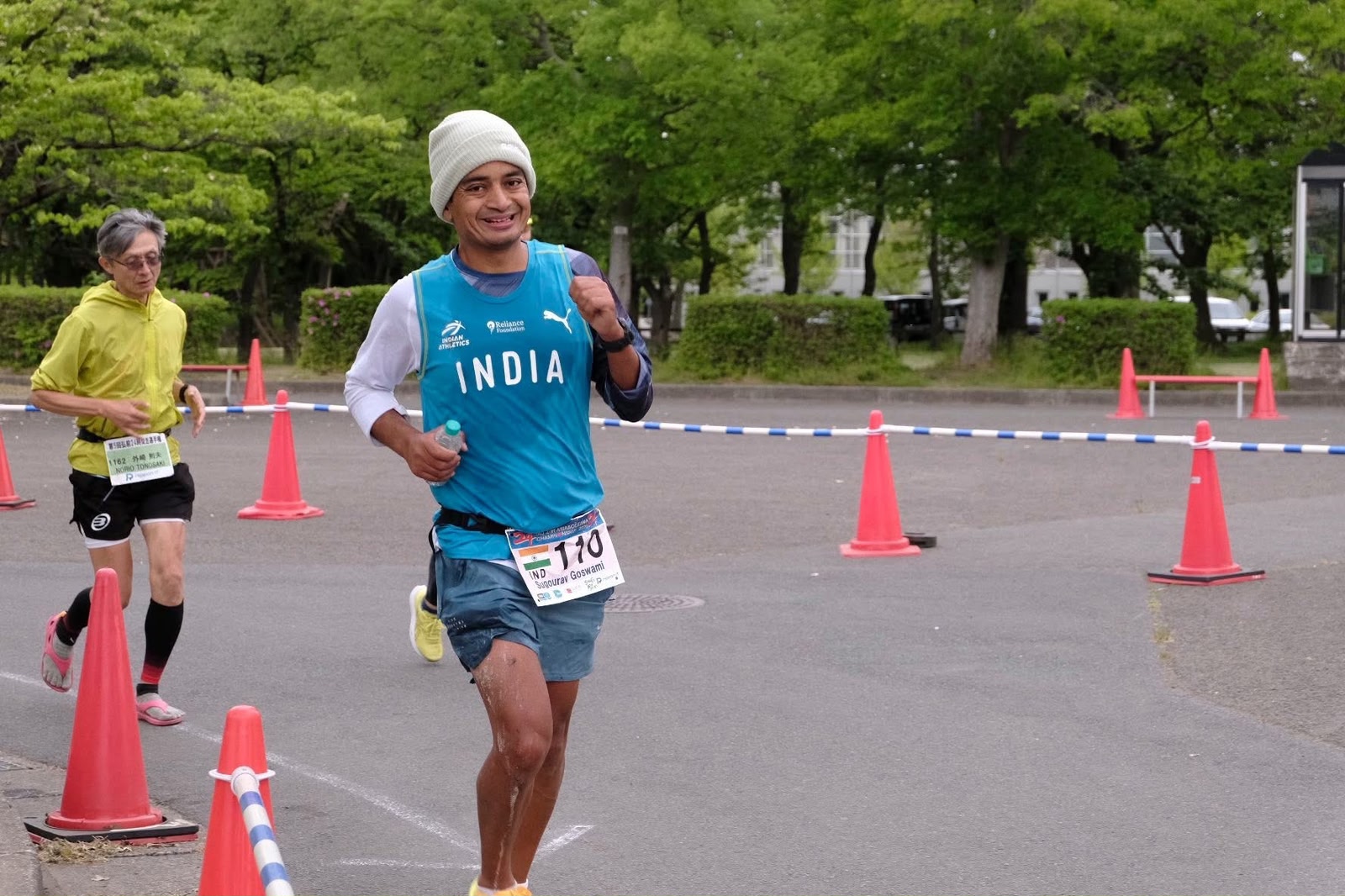
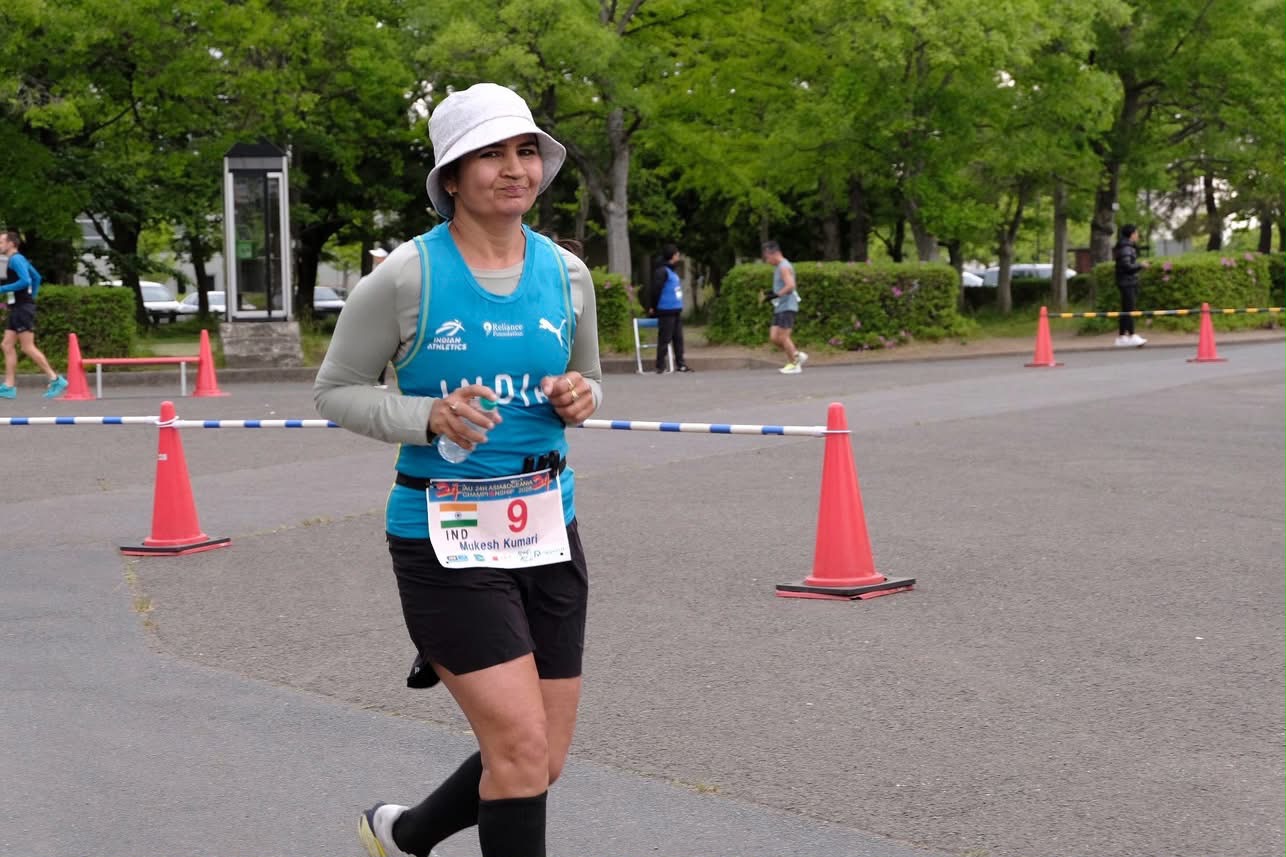
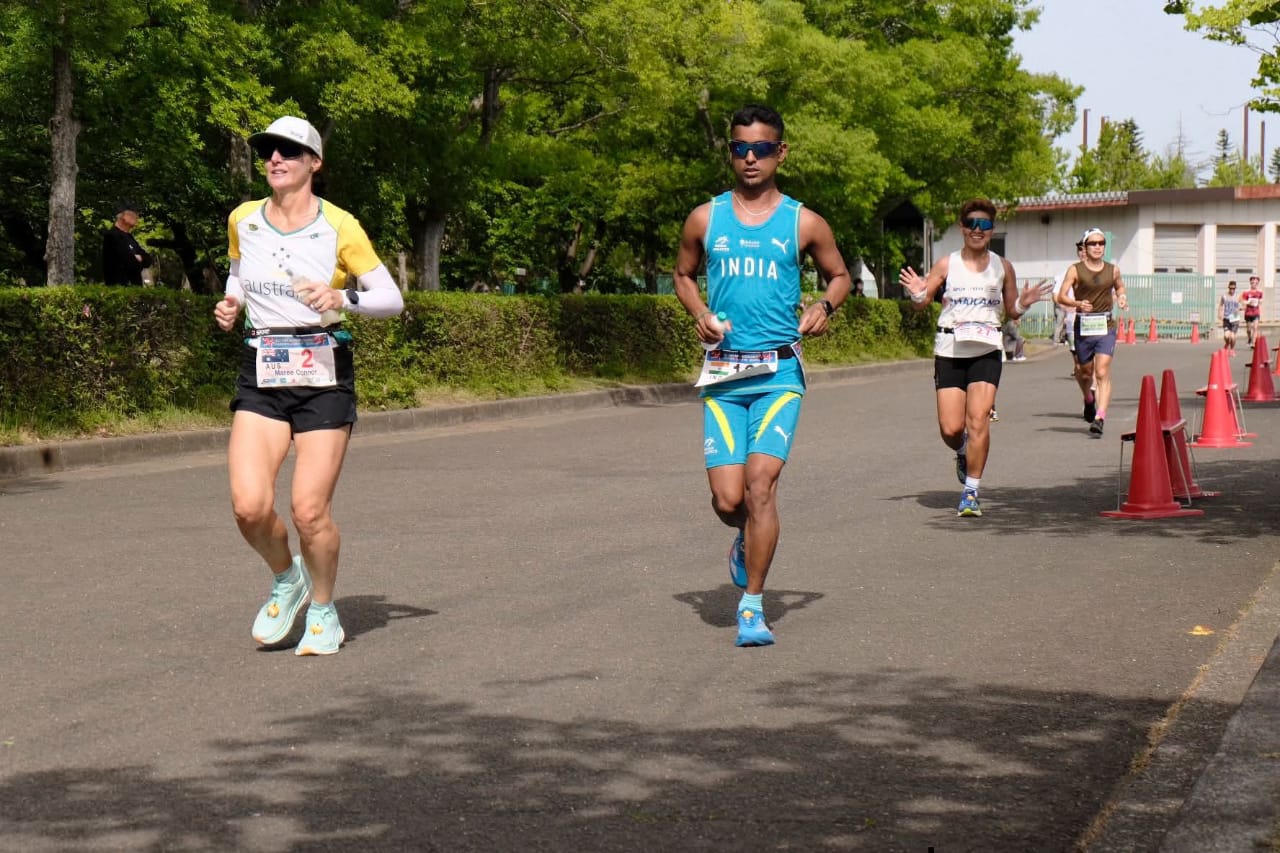
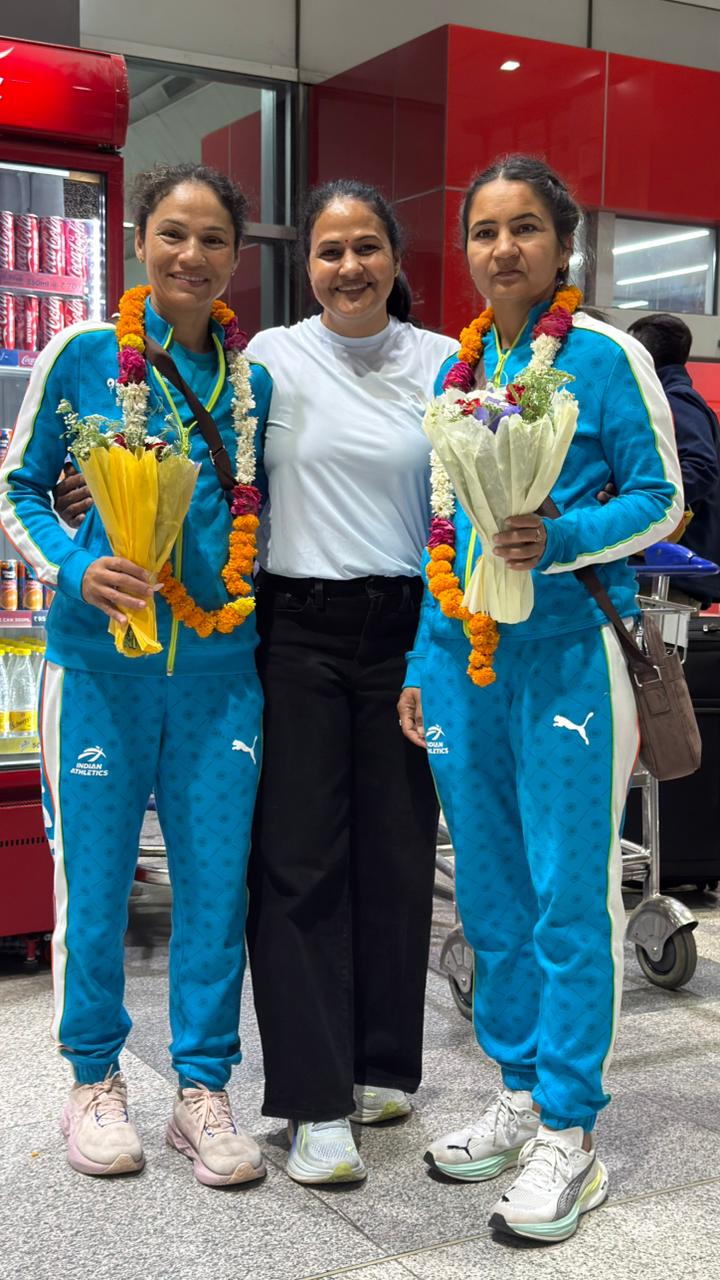
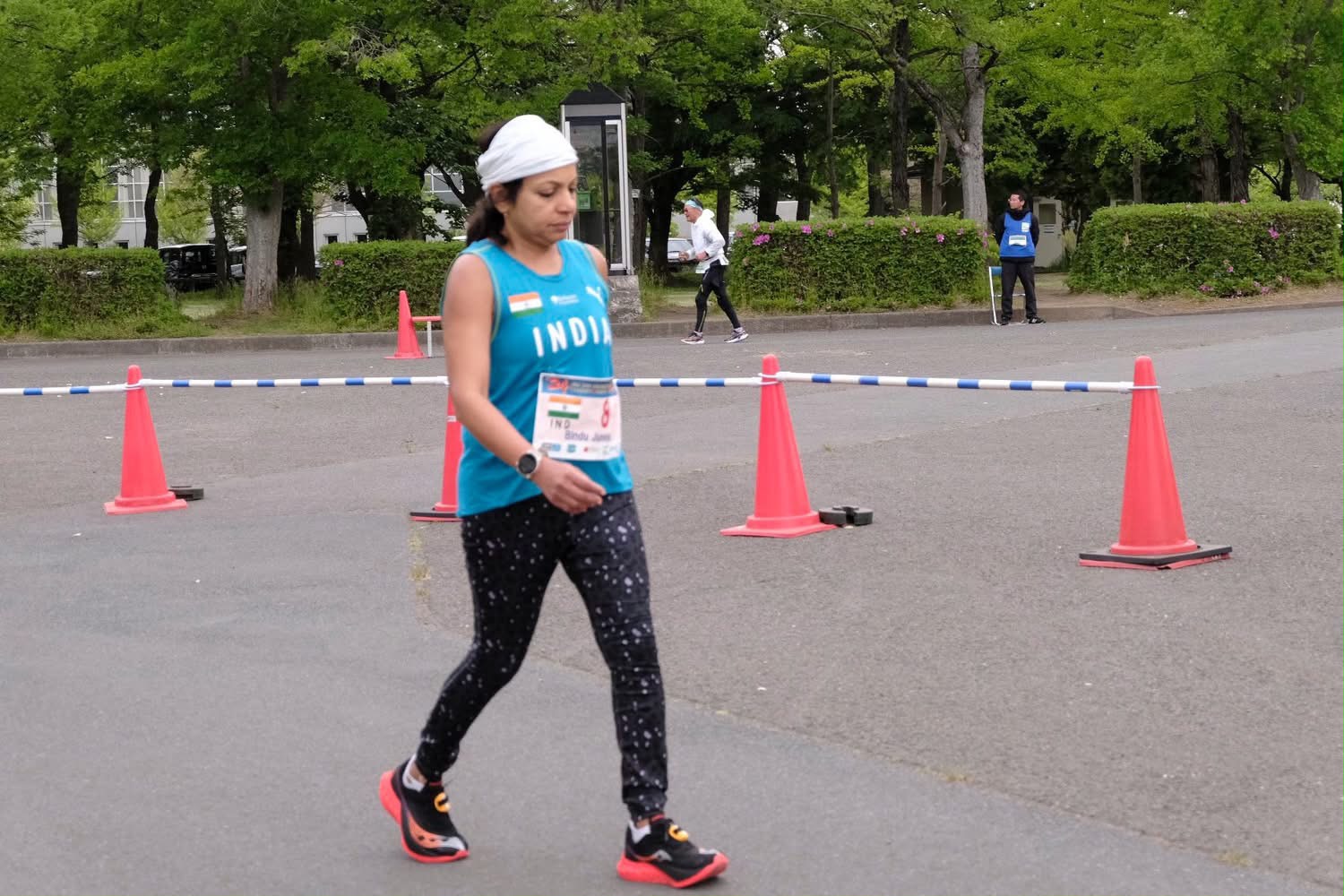
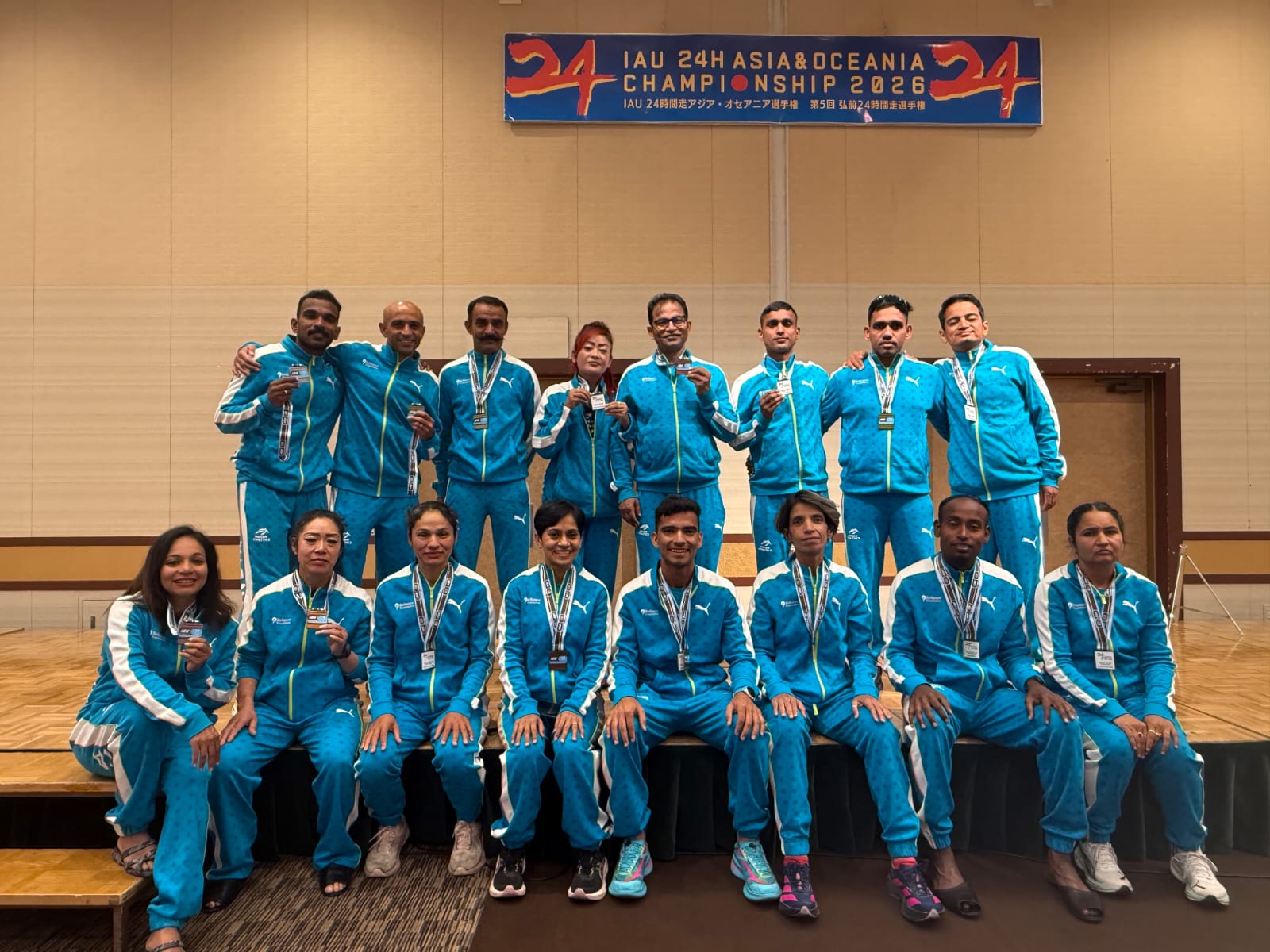
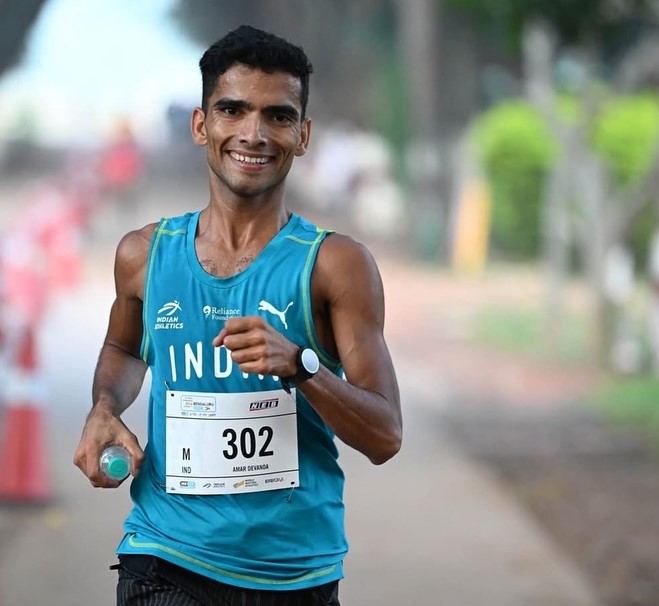
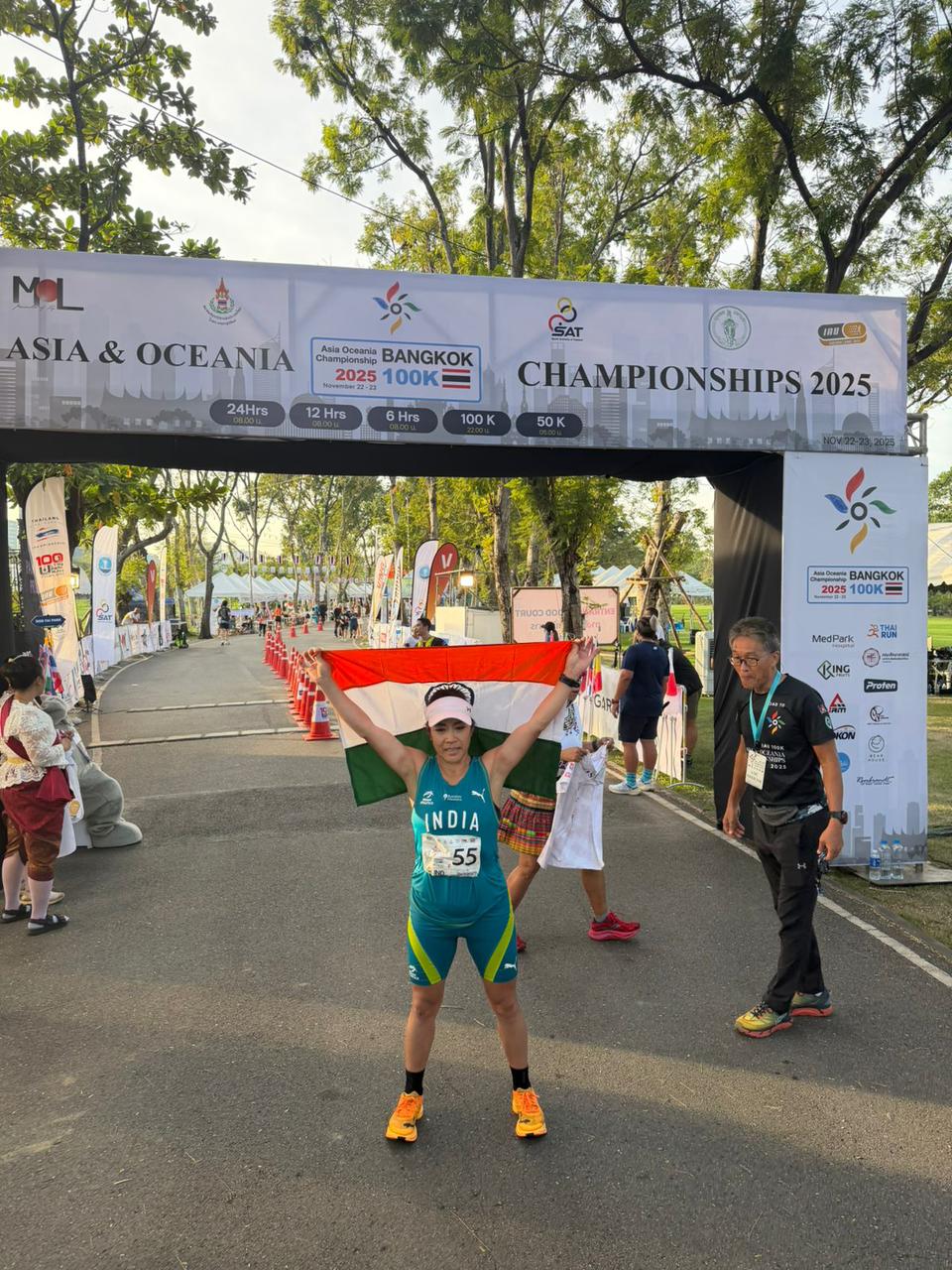
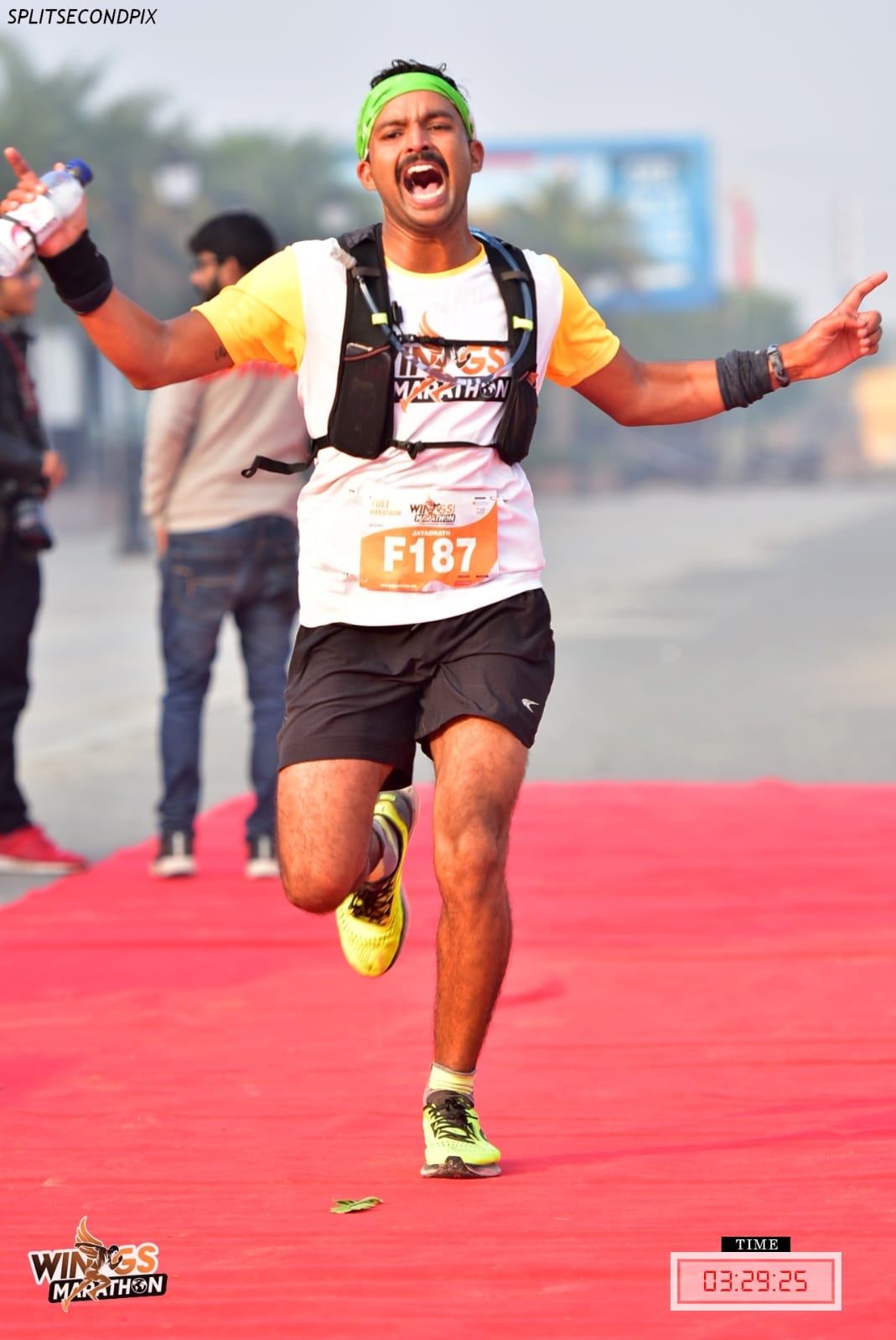
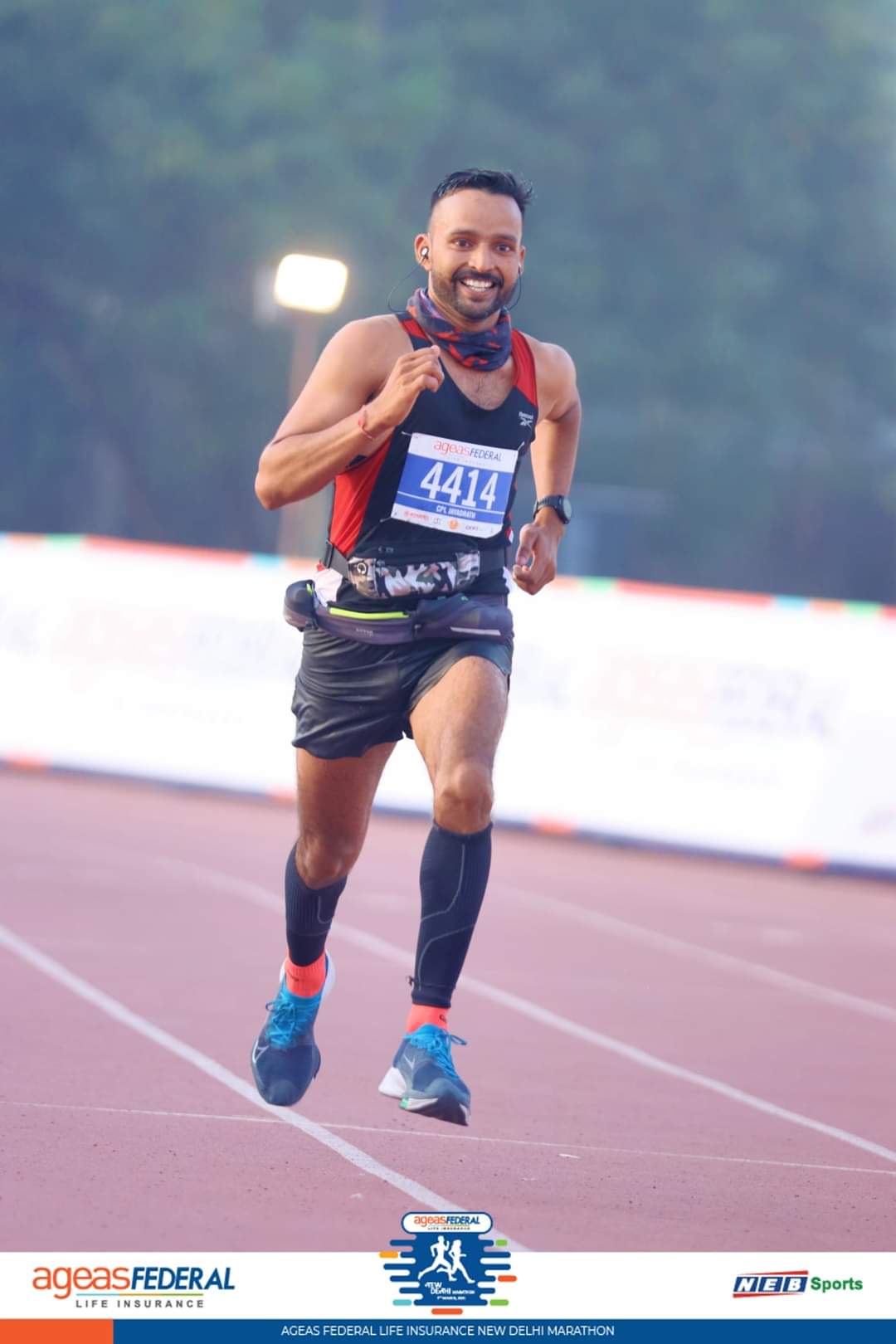
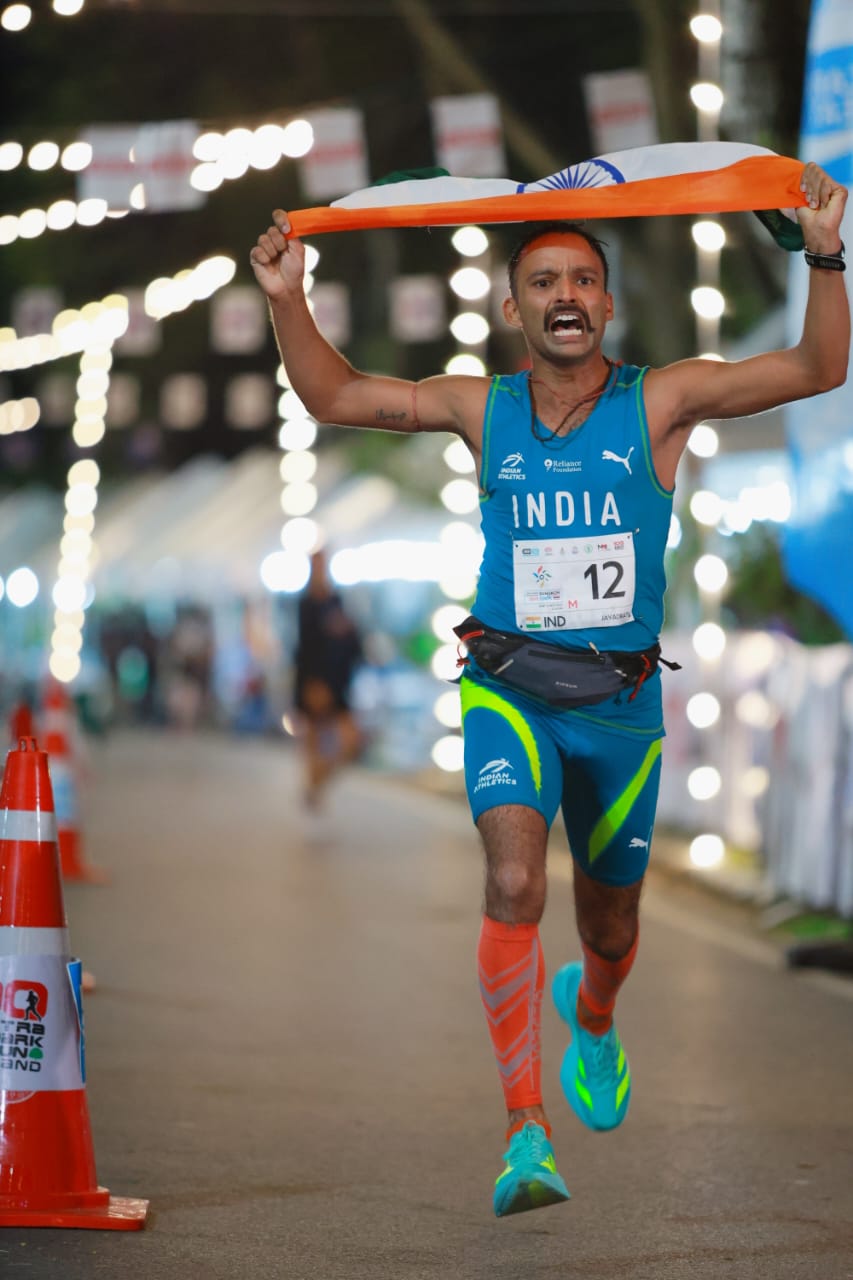
For the first time two Indian women cross finish line
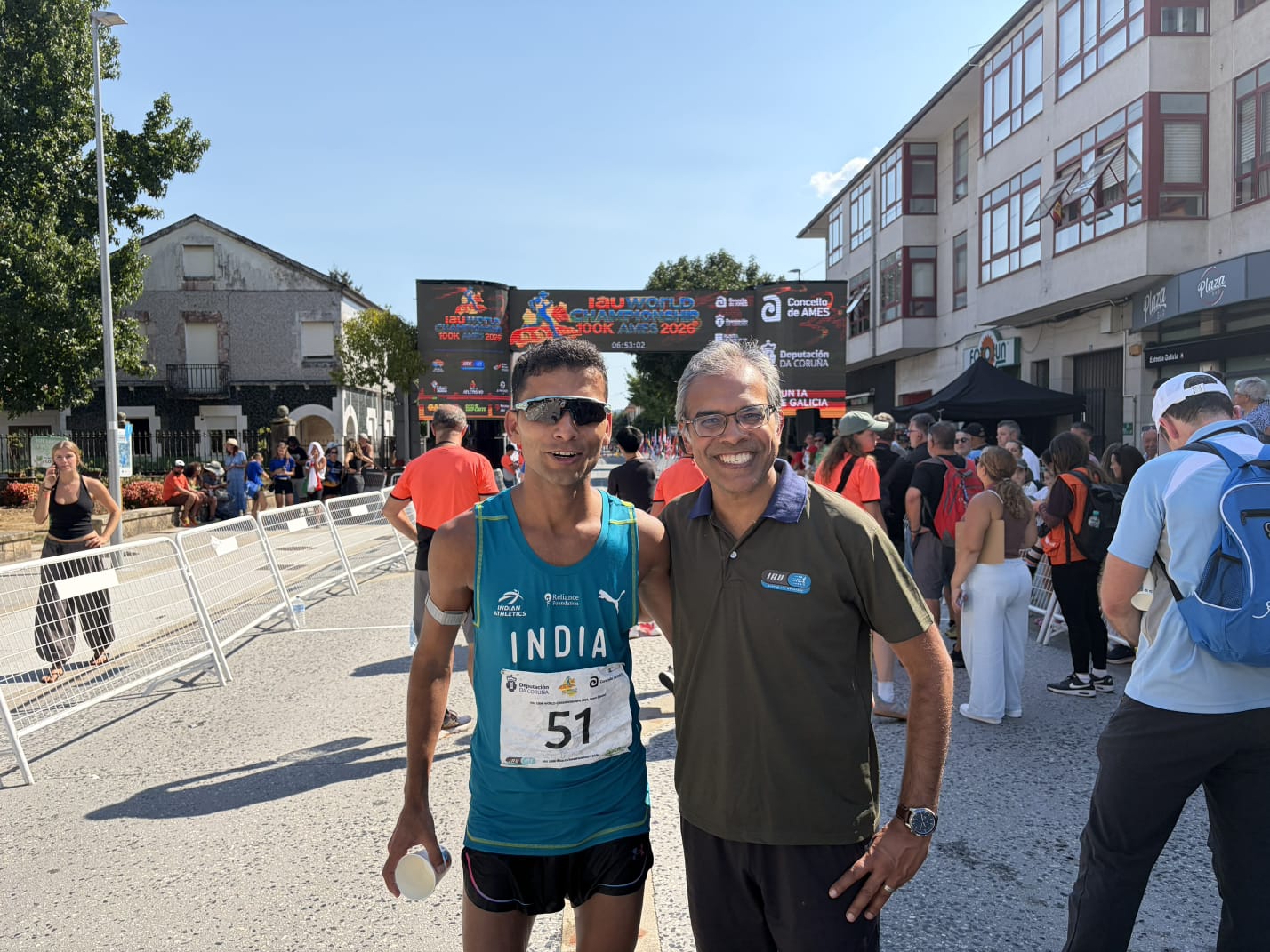
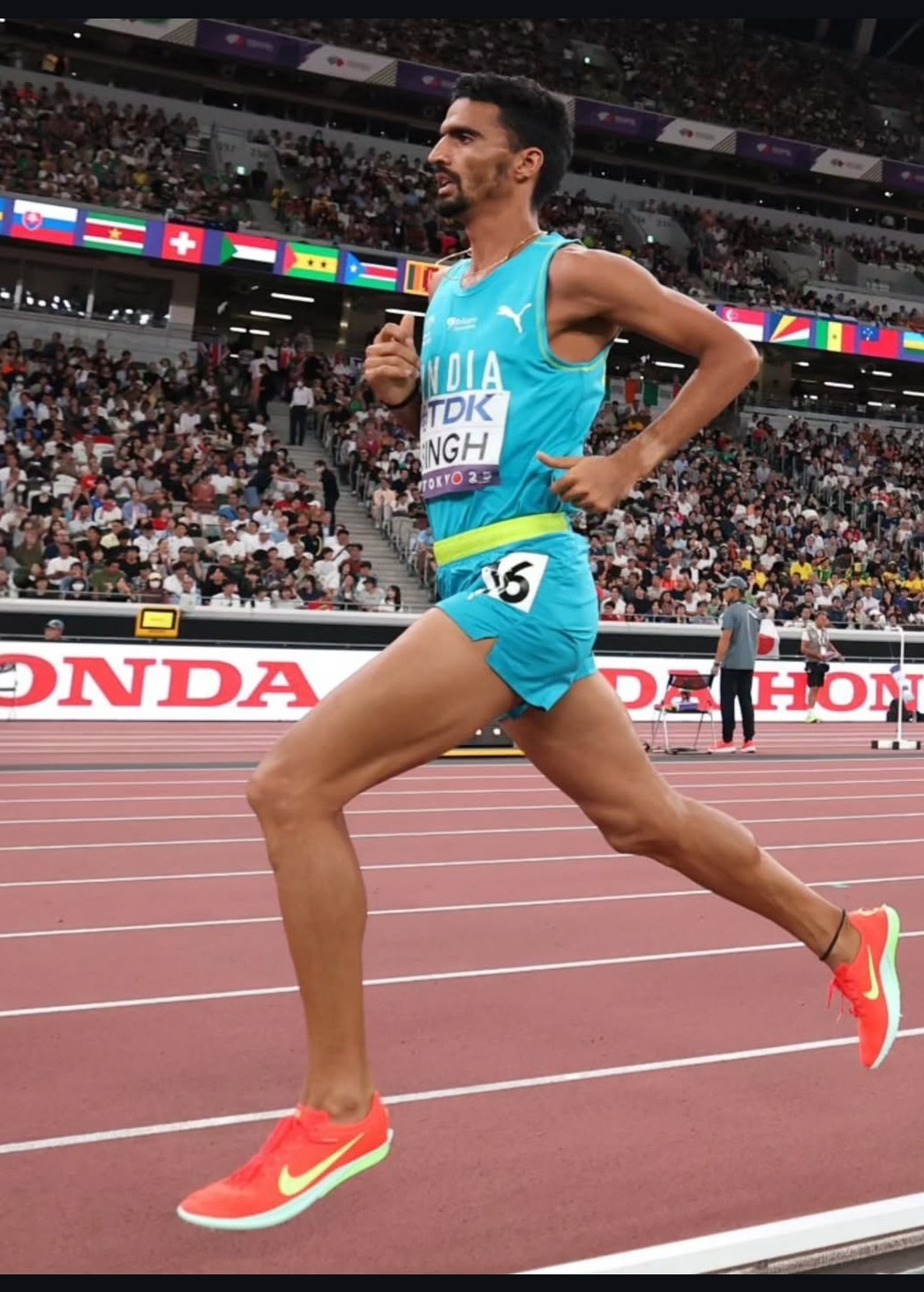
Sugourav Goswami completes in fastest timing among Indian runners
Spartathlon is a footrace in Greece that commences in Athens and ends in Sparta covering a distance of 246 kilometres. The route traverses through road, trail and mountain path.
The race traces the footsteps of the Greek messenger Pheidippides, who ran from Athens to Sparta to convey the news of the Greek victory over the Persians, at the Battle of Marathon in 490 BC.
Runners have to clear 75 check points along the route, within a stipulated time, including the finish line. They have to finish the 246 km-race within 36 hours.
For the 2026 edition of the race, eight Indian ultrarunners had registered but only three completed.
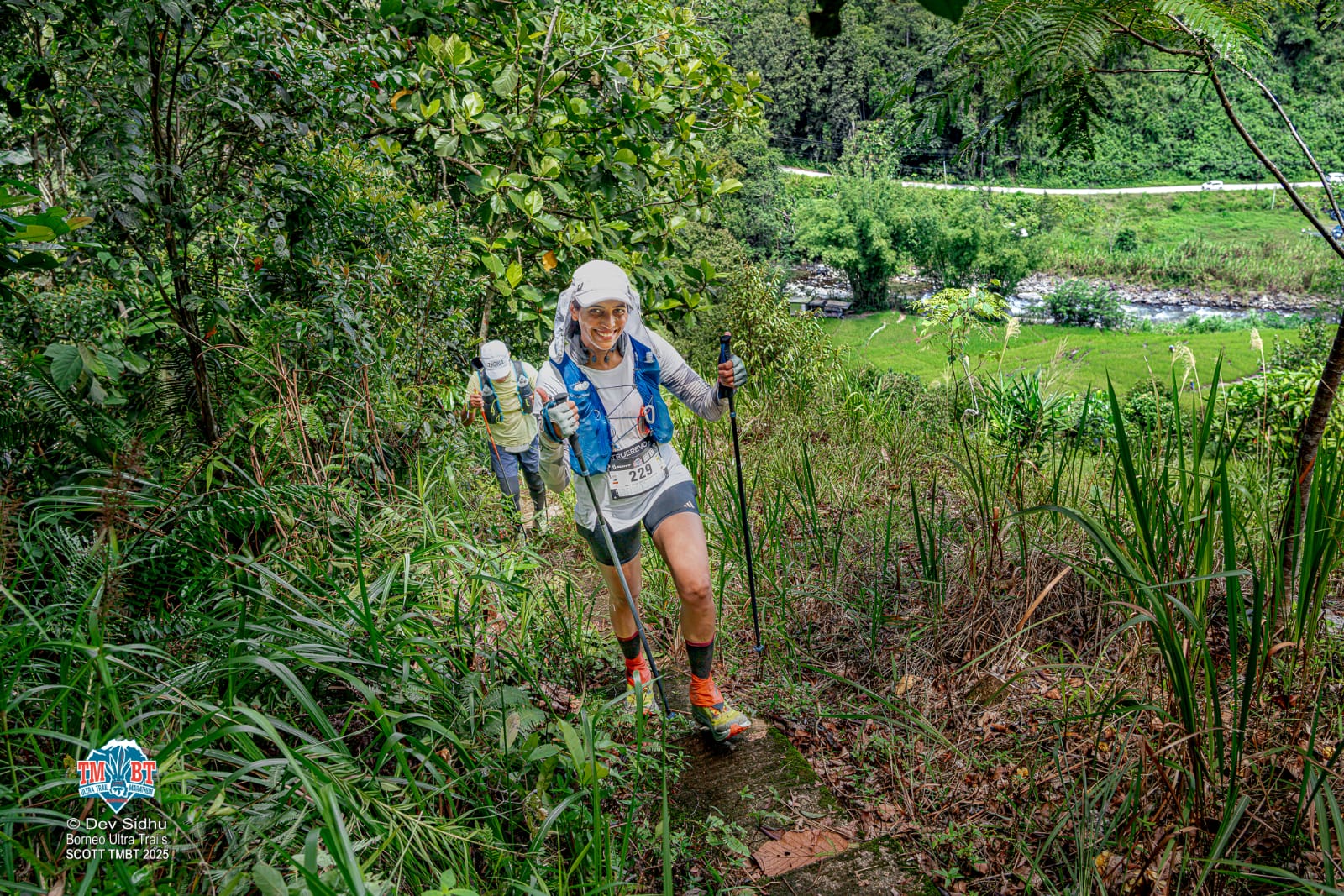
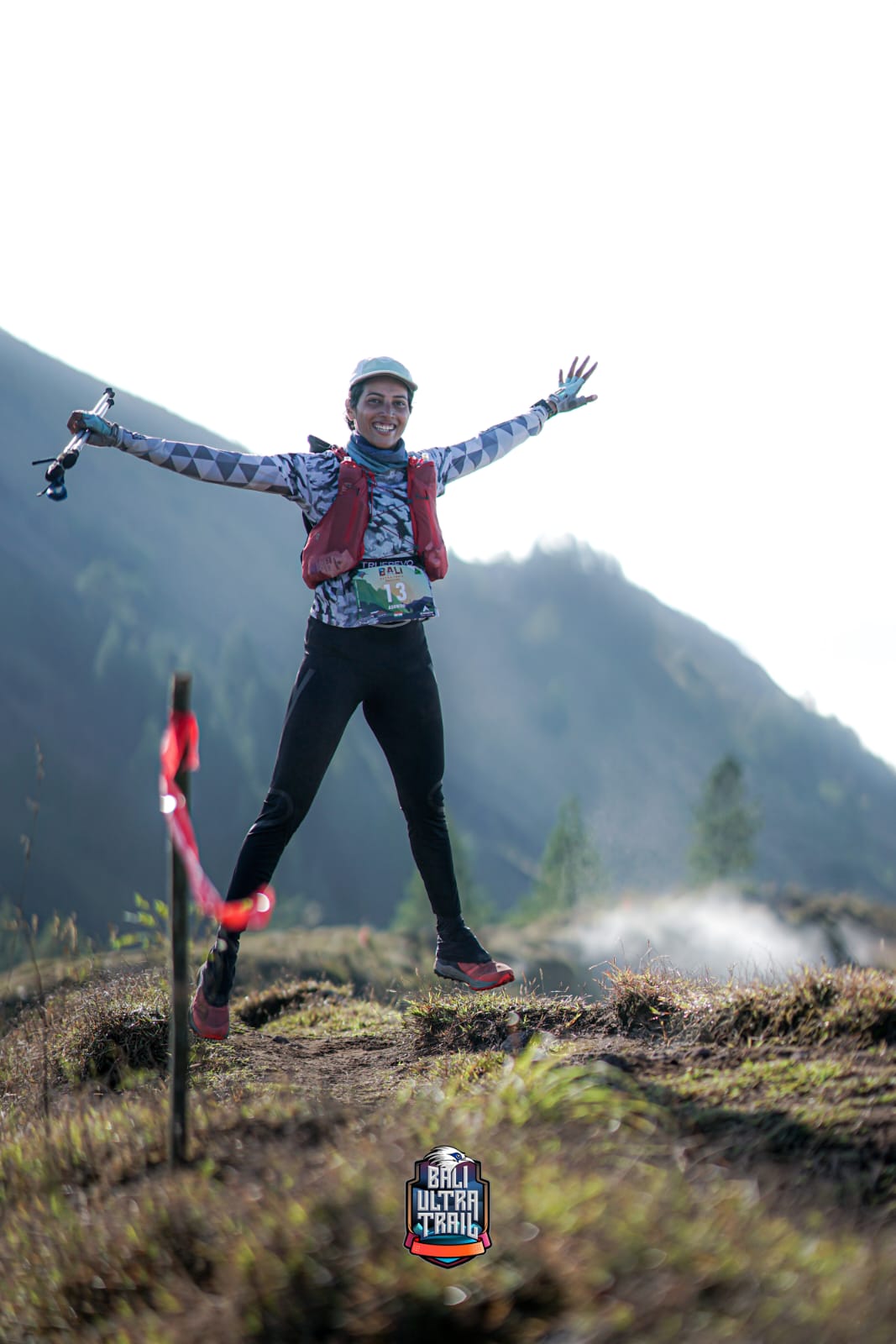
Sugourav Goswami finished in the fastest timing so far by an Indian runner. Also, for the first time two Indian women participated and completed the race, which was held on September 26 and 27.
So far, 14 Indian runners including Sugourav, Arti Agrawal and Anitha Shivanna Mysore have completed Spartathlon. Others who have completed this iconic race are Kieren D’Souza (2016), Munish Dev, Amit Kumar and Rakesh Kashyap (2022), Jeevendra Singh (2023), Ashok Singh and Shakti Singh (2024) and Pradeep Kumar, Shailesh Kumar, Amit Singla and Pankaj Madaan (2025).
The blog spoke to three of the finishers of Spartathlon 2026.
Sugourav Goswami
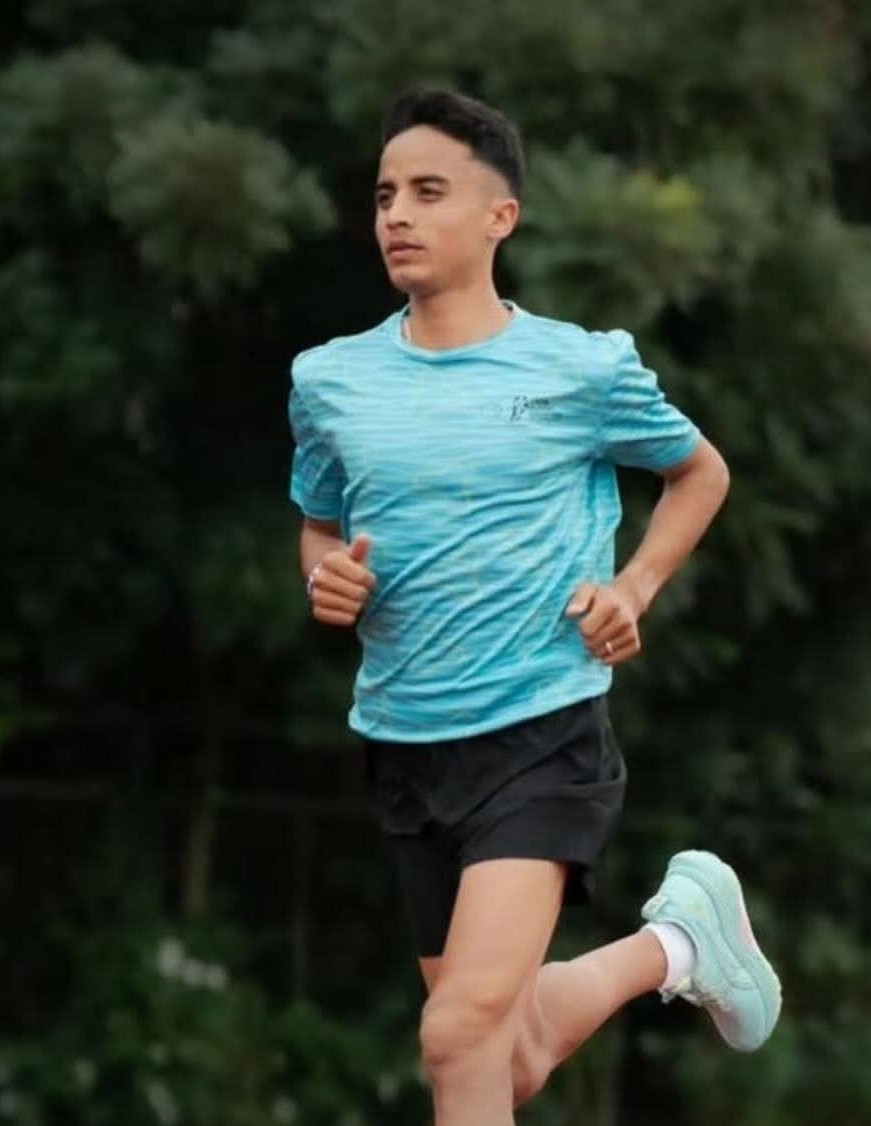
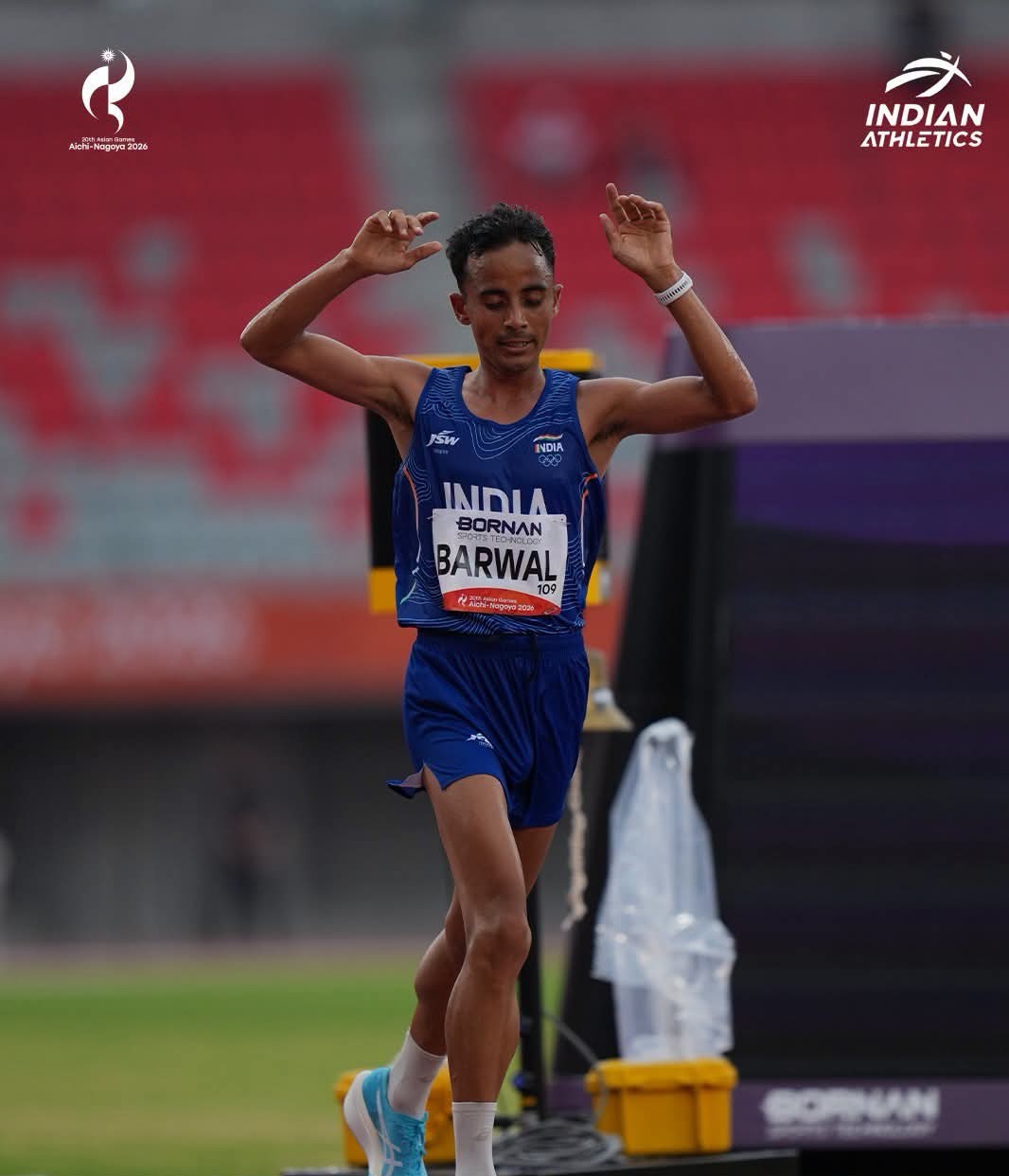
One name that often figures in ultrarunning events is that of Sugourav Goswami. The ultrarunner from Uttarakhand has also represented India in ultrarunning events in India as well as overseas.
Sugourav registered for Spartathlon 2026 sometime in February and immediately commenced his training. “I watched a lot of documentaries on Spartathlon on YouTube primarily to get an idea about the route, the location and the terrain. It is a very beautiful route,” he said.
He embarked on a training schedule, drawn up by Santhosh Padmanabhan, Bengaluru-based ultrarunning coach and manager of the Indian ultrarunning team. “The training went off very well. As I stay in Haldwani, I could do a lot of hill runs. There are many rolling hills in and around Haldwani,” he said.
Sugourav had set a target of completing the 246-kilometre long Spartathlon in under 24 hours. Until then the fastest Indian finisher had completed the race in a little over 30 hours.
“The race commenced well and I was running along well. I was ahead of my target. I completed 100 km in 8.5 hours and 100 miles (or 160 km) in 14.5 hours. After that my hip abductor gave up. I had just commenced the uphill trail section. I found it very difficult to keep moving uphill,” he said. The trail section included steep mountain paths. At that point he was able to negotiate the small downhill segments. But after he touched 200 km mark, the downhills also proved extremely difficult. From a fairly good pace of 5.10 per km he had to run at paces of 8 or 9 or sometimes 10 too. He completed the race in 25:56:21 hours, the fastest by an Indian so far in Spartathlon. He finished 16th overall and 15th among male runners.
He crossed the finish line and the hip abductor pain worsened. “The pain was excruciating. “I was screaming in pain and I was also panicking. I was taken to the medical room and given sodium drip and pain killer injections. The severe pain subsided after an hour but I continue to have the residual pain,” Sugourav said.
The fact that he was the fastest Indian so far at Spartathlon was not offering him much comfort as the number of Indian runners at this iconic race is very small. “I am disappointed that I missed my sub-24-hour target”.
The weather, according to him, was quite good. “Heat in Greece is infamous. There was a heat wave until Tuesday (September 22. The race was on September 26). From Wednesday it was raining.
“The rainy weather was a blessing in disguise. I had trained in the rain. Along the route, the food was quite good. It was a very well organised race,” he said.
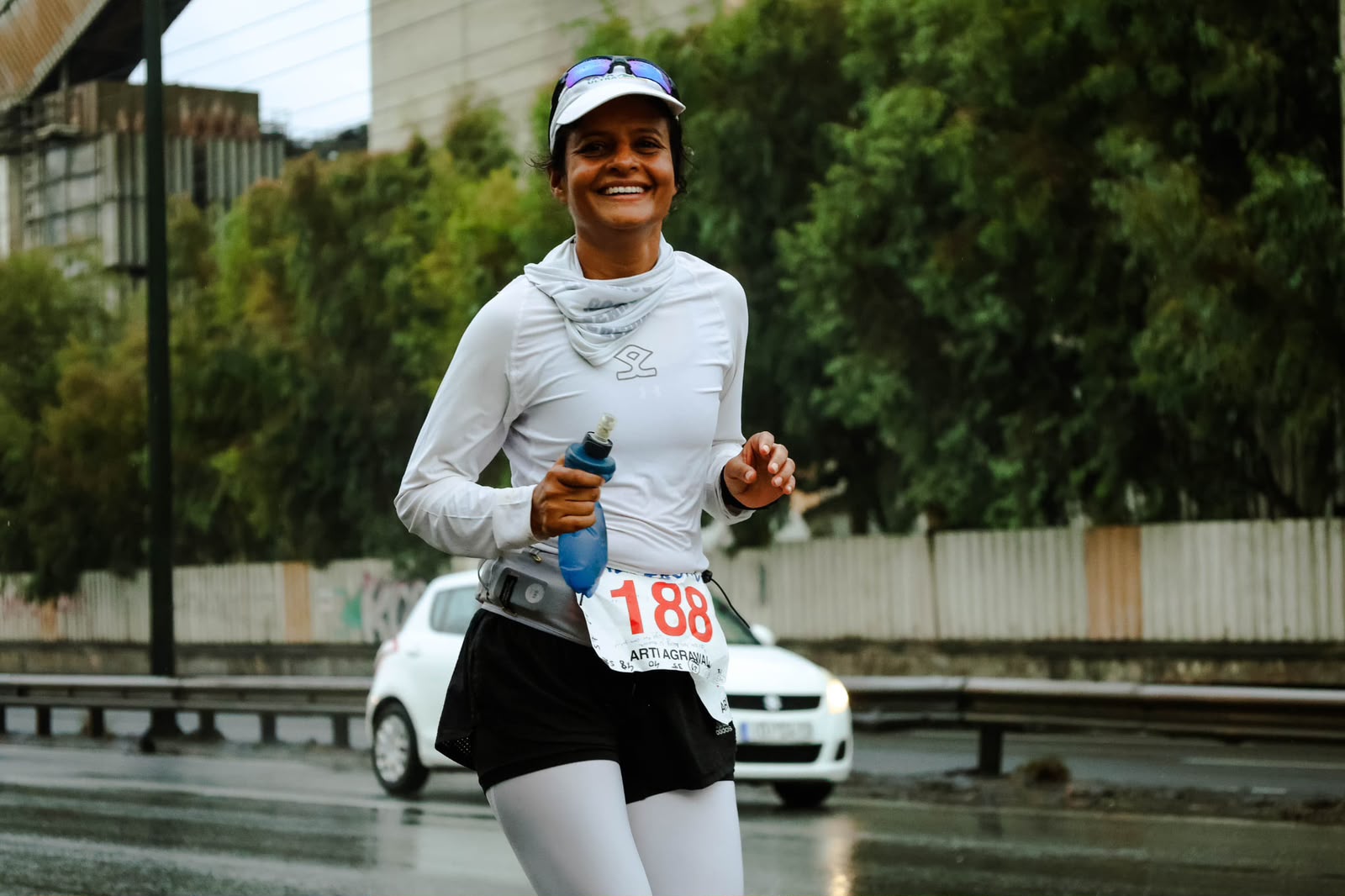
Arti Agrawal
At the finish line of the 100-mile run at Border Ultra during the 2024 edition, an ultrarunner told Arti Agrawal that she had qualified for Spartathlon. She had finished the 100 miler at Border Ultra in 21:24:27 hours.
She applied for the 2025 edition of Spartathlon but did not get through. For the 2026 edition, she initially did not find her name in the list of runners but after three months she was asked to apply.
“I had already started training under Kieren D’Souza for trail running. I wanted to do all kinds of ultra, not merely road running but attempt other terrain too,” she said. As Kieren was the first Indian runner to attempt and complete Spartathlon, Arti decided to continue her training under him.
“I realised that I did not have adequate time for training. I therefore decided to take Spartathlon as it comes,” Arti said. Nevertheless, she trained very well in the limited period, focussing also on her nutrition, hydration, supplements and rest alongside a full-time job.
“I was very happy with my training. I had a niggling knee issue but that did not trouble me during my training,” she said.
Runners were vigilant about the weather situation in Greece in the run up to the race. “Spartathlon is a fast-paced race. There are 75 cut-offs including the finish line. There were rains at the start of the race. Noone expected rains. I had no hopes I would complete the race. But I decided to take one cutoff at a time,” she said.
The trail segment was not easy. “But I was not overwhelmed by the trail because of my training under Kieren,” she said. As the kilometres went by the fatigue started building up. She also started hallucinating. Meeting runners along the route who were quitting the race made it tough too.
“I was constantly focussed on the cutoffs and did not even notice the kilometres I had covered. At around 200 km mark onwards, I started pushing hard. But with 7 km left to go, I felt an ankle injury and had to limp to the finish line,” she said. She finished the run in 35:18:44 hours.
To run Spartathlon, one needs a very strong mind and robust speed endurance, she said. “It is quite inspiring to see so many people pushing in the race. It is a life changing event,” she said.
Anitha Shivanna Mysore
The Mysore-based Anitha Shivanna took to recreational running sometime in 2008 when she was staying in Colorado, USA. Her proper foray into running began in 2015 when she had shifted back to Mysore.
“I joined a Mysore runners’ group and started signing up for short distance races,” Anitha said. She was also securing podium positions in some of these races. She went on to do 12-hour stadium runs.
“In 2019, I ran 50 km at Malnad Ultra and finished third among women. My approach to races changed after this event. Subsequently, I only signed up for ultradistance races,” she said.
Anitha had done a number of ultradistance races and most often secured podium positions. These include stadium runs, Malnad Ultra, Ooty Ultra, Ultribe Paderu Ultra, Vagamon Ultrail, Bahubali Ultra, Border 100 miles, Adiyogi Ultra, Banjara Manthan Endurance Run, Bengaluru Backyard Ultra, Hennur Bamboo Ultra and Jawadhu Hill Ultra among others. She has also been a marathon pacer for one of the editions of Tata Mumbai Marathon.
She chalked out a 16-week training plan for Spartathlon and executed it to the best of her ability amidst issues such as peri-menopause leading to a bad stomach-ache.
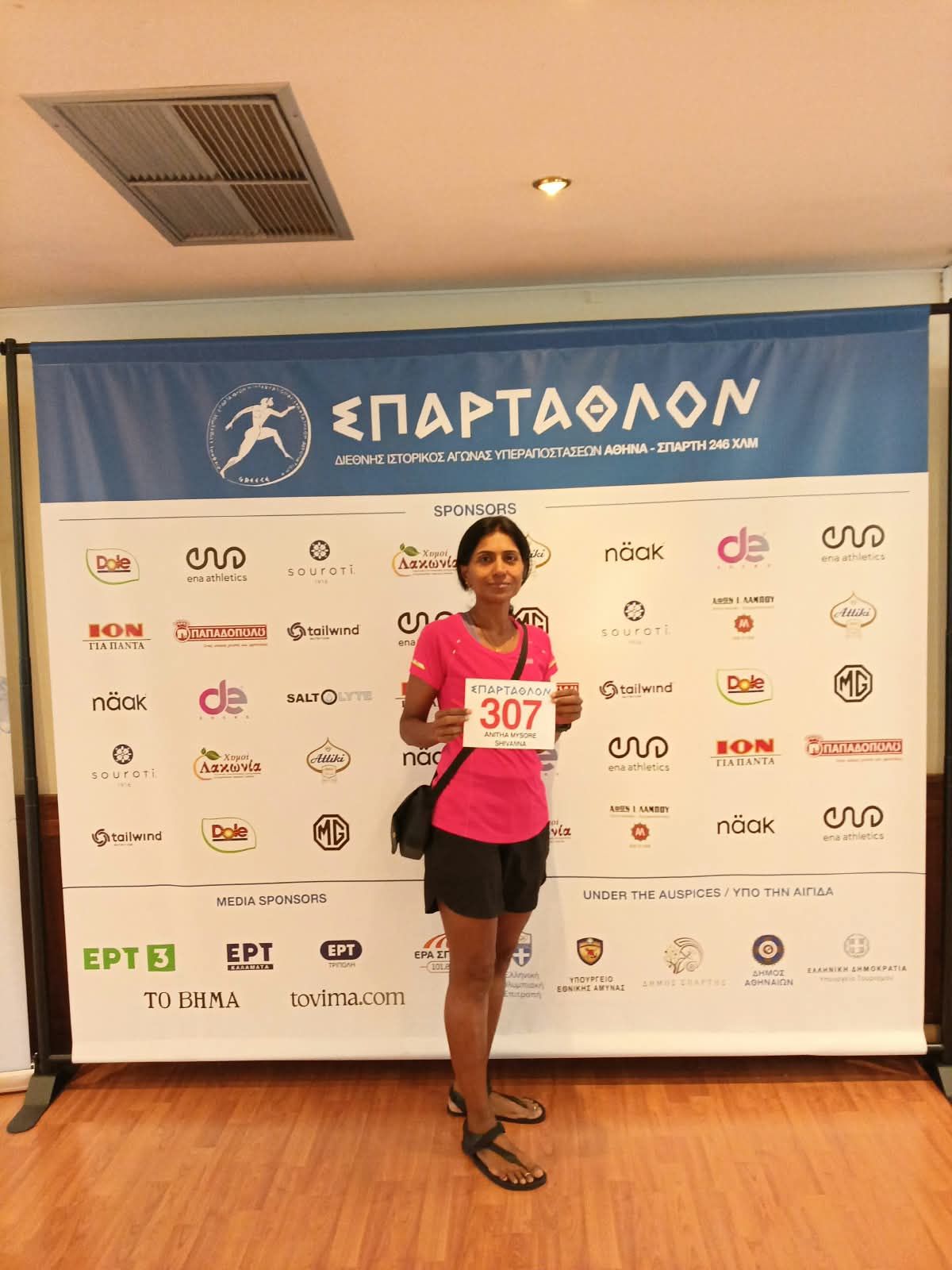
Her travel to Greece was also fraught with hitches. Initially, she was told by the airlines that she would have to travel by the next day’s flight but that got sorted out after some negotiations. At Athens, there was a delay in arrival of her baggage.
“The race started well and progressed smoothly for me until 100 km point. I started to feel tightness in my left quadriceps. Also, I started having gut issues. I could not hold food and had to reduce intake. At around 148 km mark, at the aid station I got warm chicken soup and that helped,” she said.
But difficulties were far from over. The hilly stretch had commenced and her headlight conked off and she had to depend on other runners’ headlights. Along the route, she was also hallucinating and sleep-walking. “I miscalculated the time left for the last 40 km and started to panic. At 236 km mark I was dizzy but with help from volunteers and consuming some food I regained my energy and made it to the finish line,” she said. Anitha had 2.10 hours to finish the last 10 km.
“My plan was to complete the race in 34.30 hours,” she said. Anitha finished in 35:24:52 hours.
The route was tough and there were many difficulties but Anitha did not feel the need to quit the race at any time. “I feel very lucky to be standing at the start line of Spartathlon and cross the finish line. It was a major experience of my life,” she said.
(The author, Latha Venkatraman, is an independent journalist based in Mumbai)
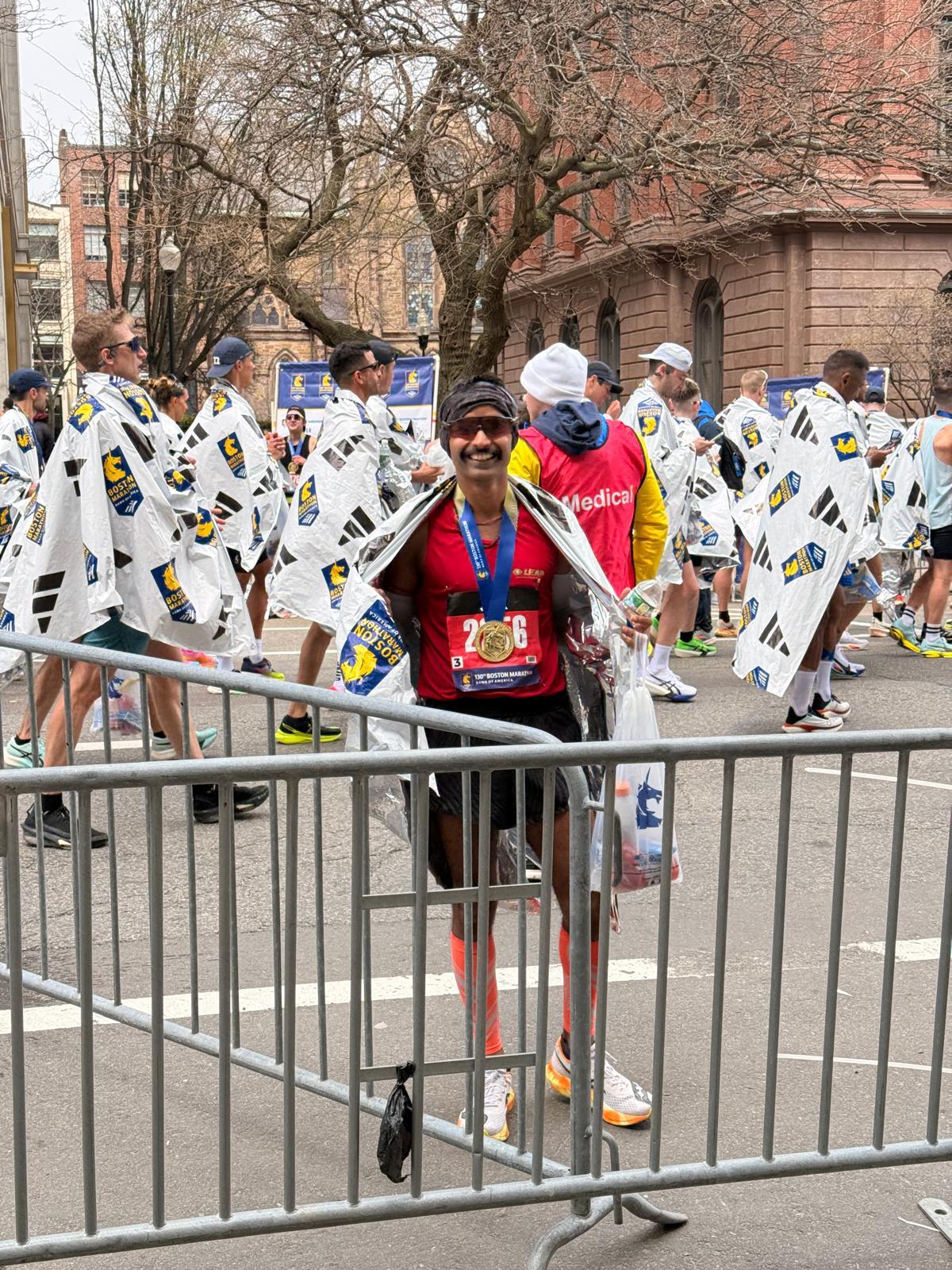
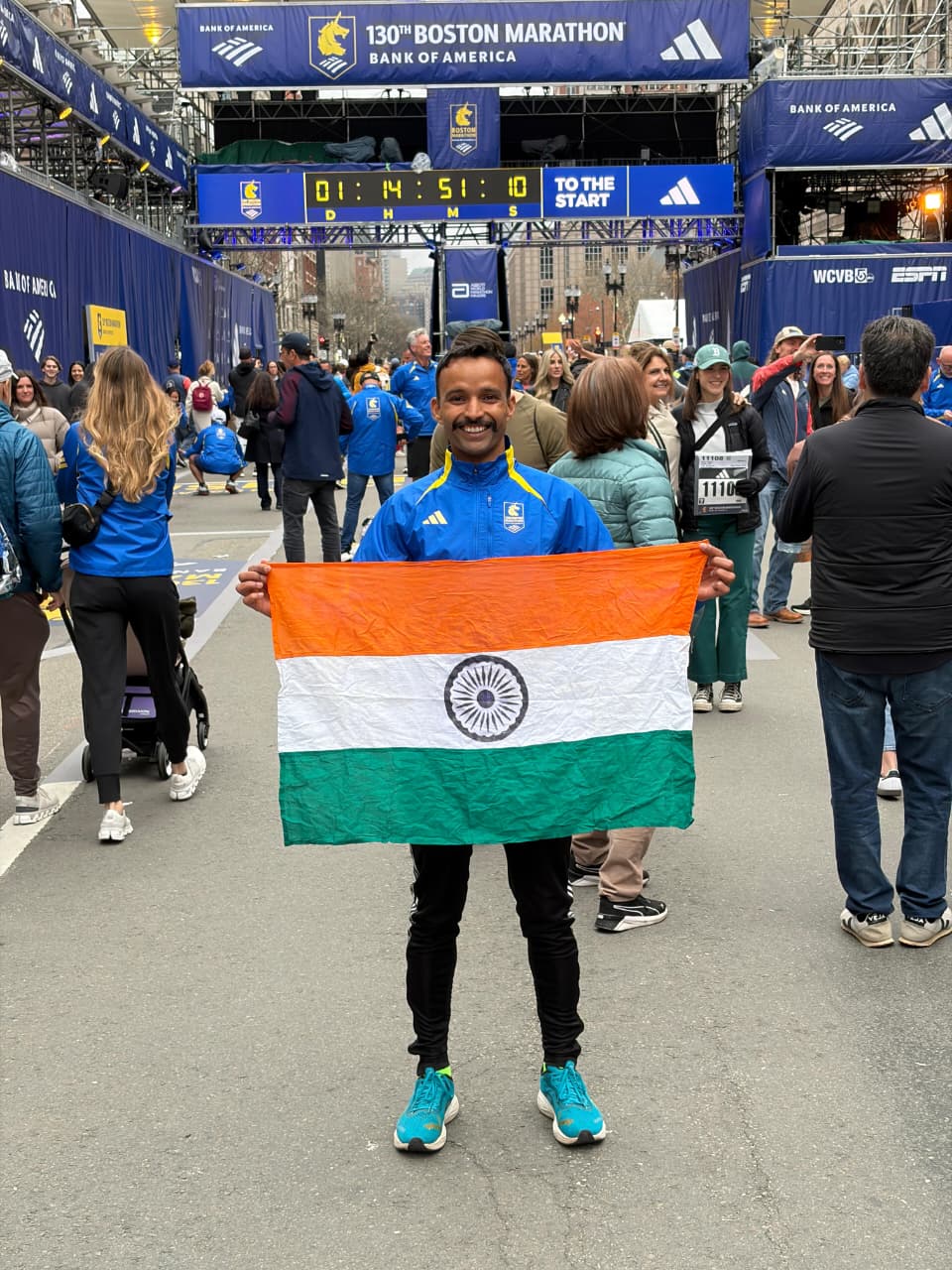
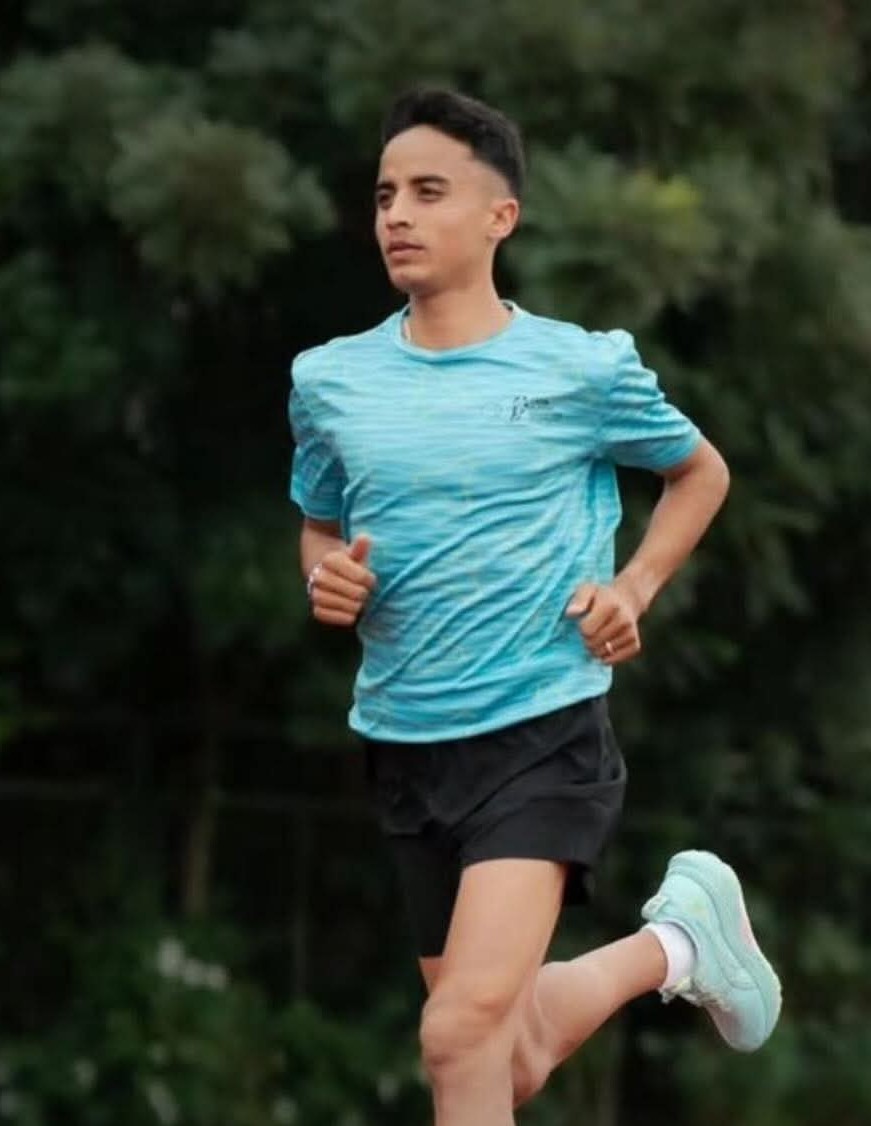
(Photo courtesy – runners themselves)
(Inputs from Spartathlon website)