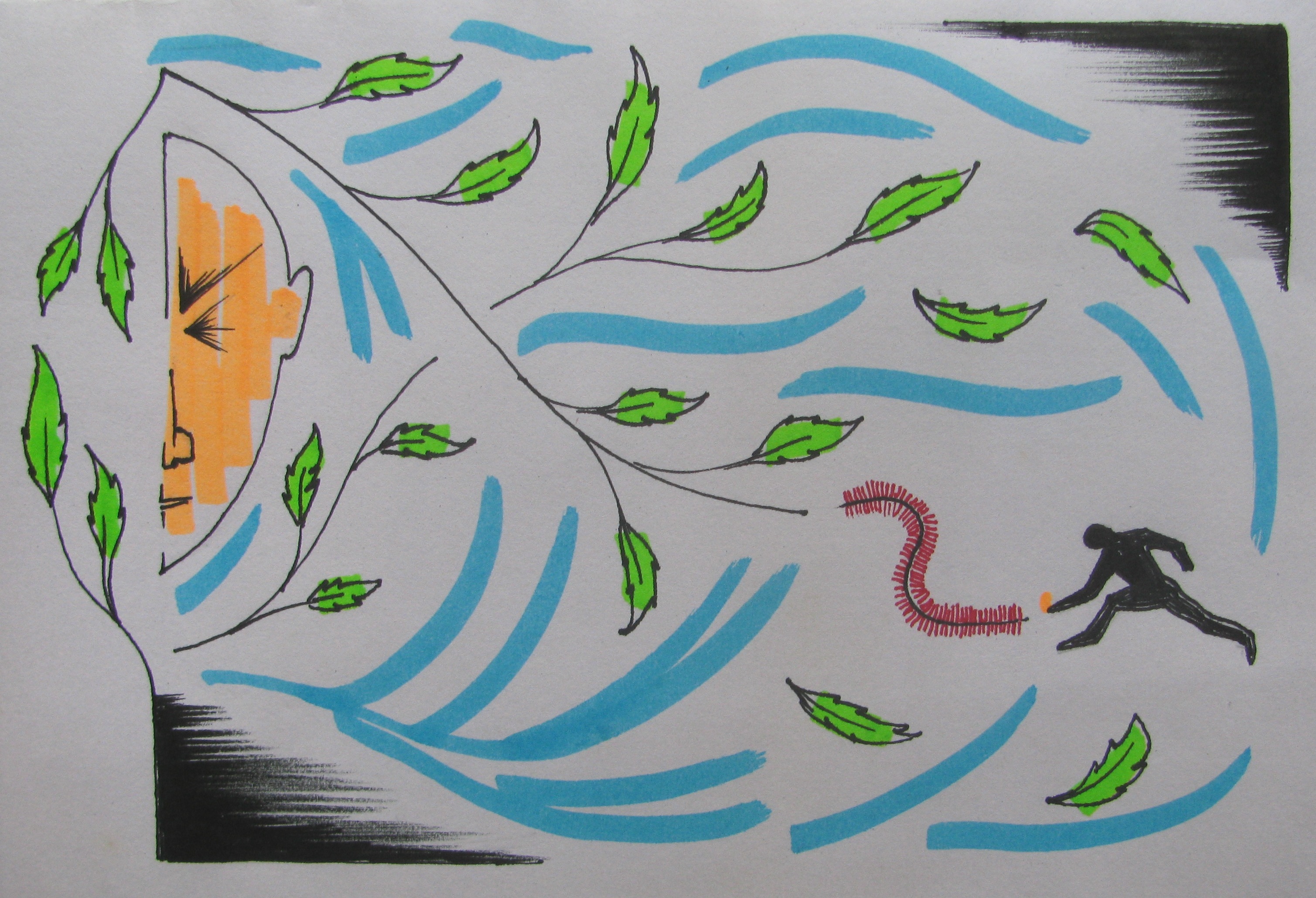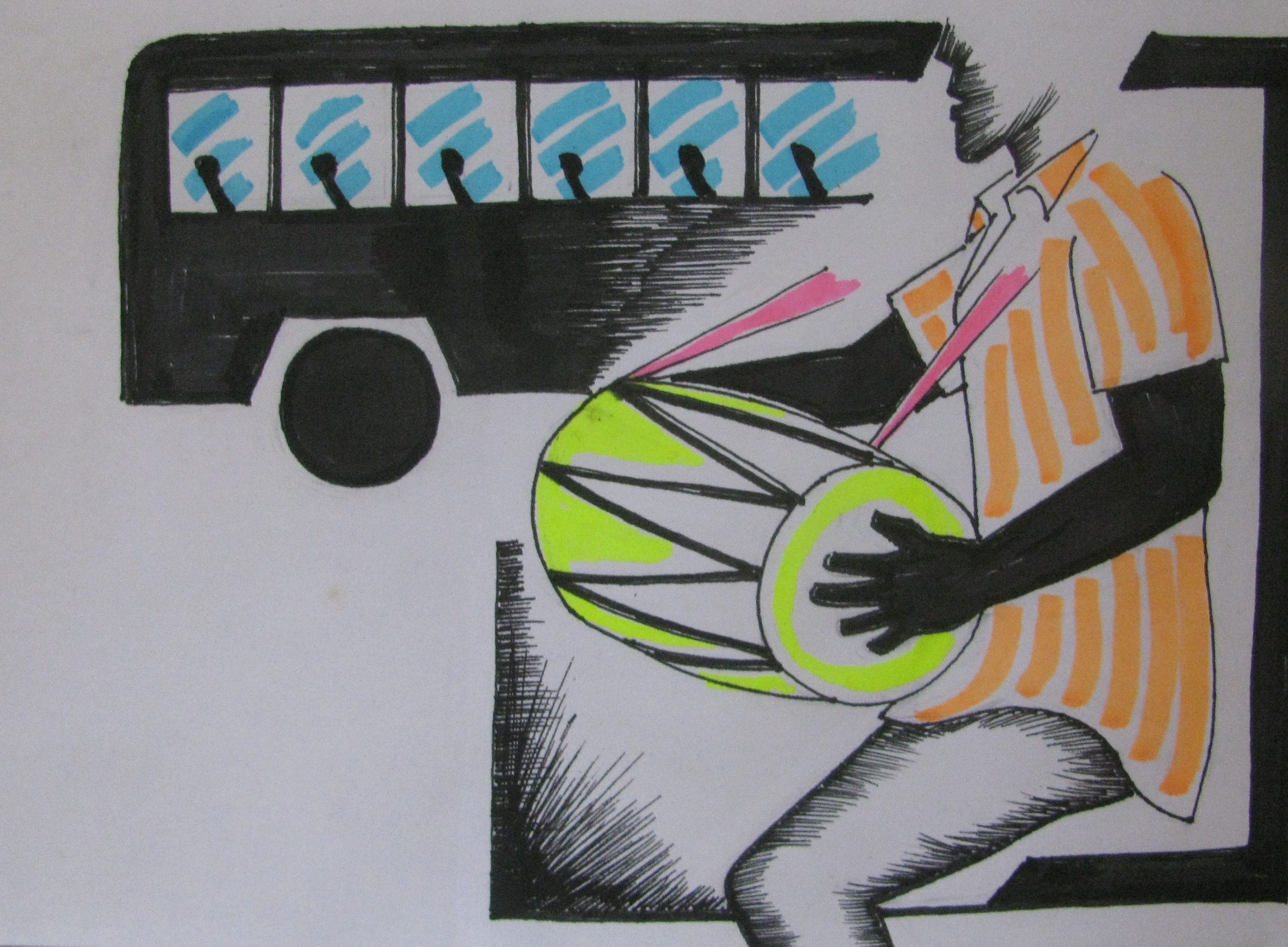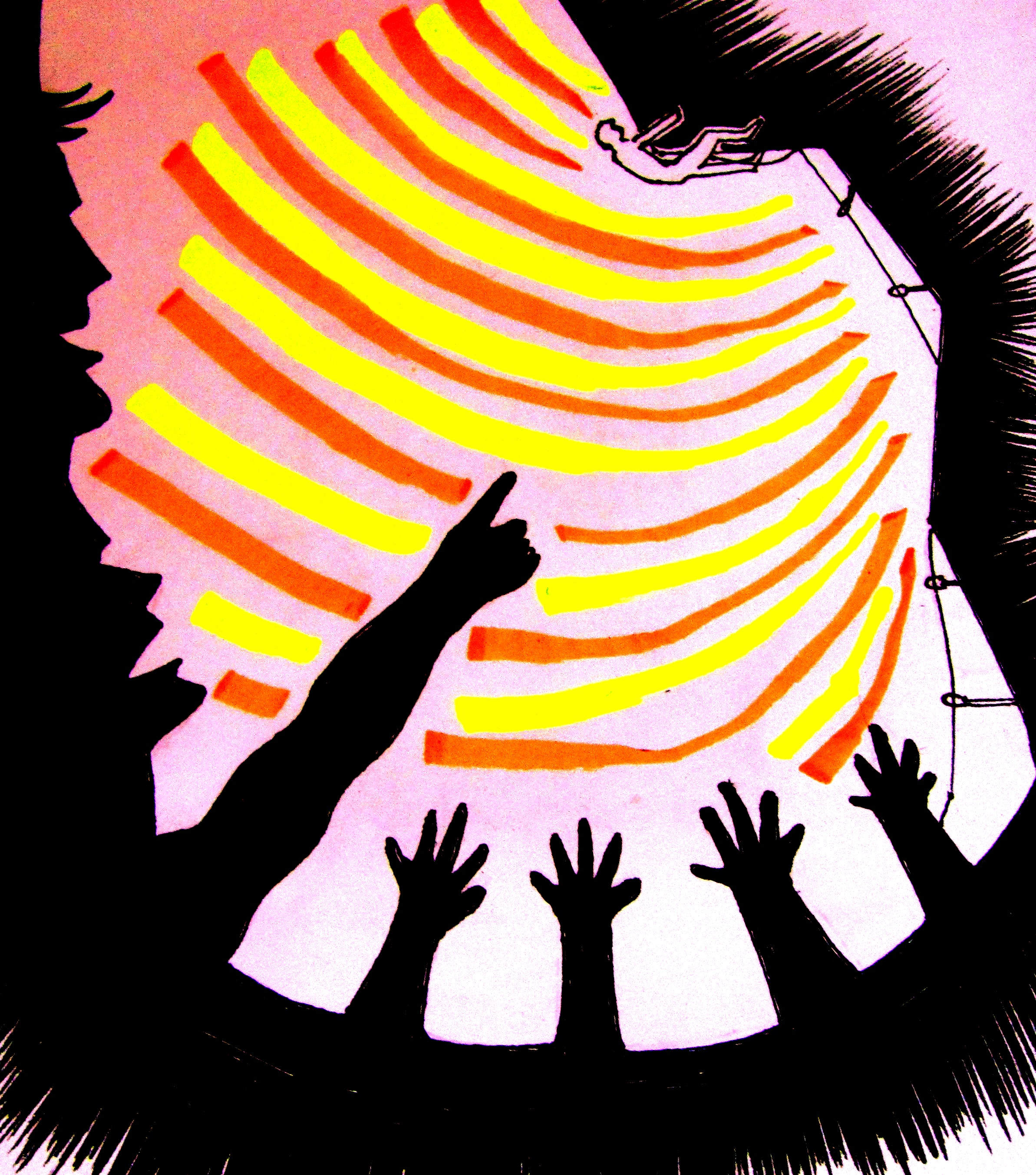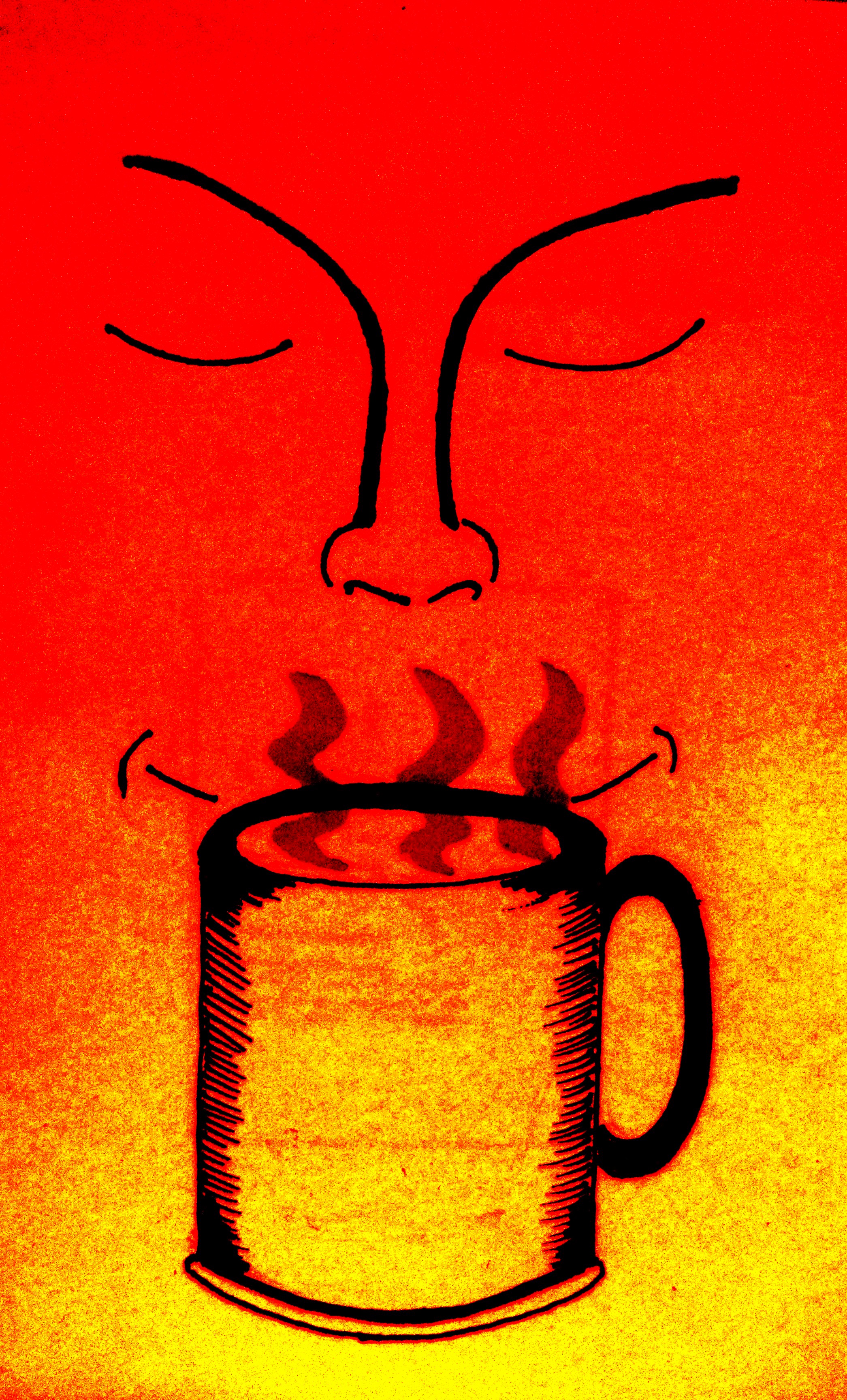
THOUGHTS FROM A PRESSURE COOKER

Illustration: Shyam G Menon

Illustration: Shyam G Menon

Among the rewards for being out in the mountains, is the night sky, occasionally clear enough to reveal a zillion stars.

Beyond one or two, I can’t identify the constellations. I like more, the immensity of Earth’s ceiling.

Sometimes I feel, the best news these days relate to that vast expanse above us – space.

Space attracts in a way different from before.

There is first the immediate reason – Indian endeavours in space have been generally rewarding in recent times. At a global level, the Rosetta mission’s landing on a comet was reported as the premier scientific achievement of 2014. Then there is the ` other’ reason, less spoken of but major hook for admiring space – space contrasts terrestrial life. Space exceeds measurement while the planet is real estate ruining imagination. Space engages body and soul. If you have no appetite for the trends shaping life on Earth, the stars are fine refuge.

It took a while for space to regain the limelight; and differently so. In the decades following the July 1969 moon-landing, the accomplishment of the Apollo 11 mission was never matched. Scientists and engineers may disagree. They may cite other achievements of equal or greater importance. But like the first ascent of Everest despite the many that followed, our fascination rests with Neil Armstrong & Co (as indeed Yuri Gagarin in 1961). I can recall only two other perspectives from exploration, triggering comparable imagination – the picture of Earth as seen from far (subsequently called Earthrise) and the many fantastic images science obtained for us by gazing into deep space. Home from far and ` the far’ from home. It put Earth and humanity in context. Much of what happened in space exploration since the first human footprint on the moon can be termed as consolidation. Far seeing telescopes, reusable vehicles and space stations were the dominant themes. As we consolidated our efforts in space, as we tested our capabilities in orbit around Earth for journeys longer than Apollo 11, the planet below steadily drifted into a morass, a sort of manmade social gravity and a terrible one at that. The closest I can describe its effect on the imagination is compare it to sticky glue; its main ingredient – insecurity.
Photo: Shyam G Menon

Photo: Shyam G Menon

In a mere 100 years or less from the first decade of the 20th century, human population increased seven fold. That is old news as is India’s eminence as the deep end of population. The danger is – it stayed news we refused to acknowledge adequately, triggering the bizarre tragedy of continued self inflicted damage. Consequently, in a case of bloated human predicament overshadowing the universe, nature remains multidimensional but our sense of self worth and happiness has shrunk to few dimensions, courtesy the pressure to survive. To compound matters, even as we notice the danger in our numbers, we still enshrine fertility, family, property ownership, success and such as proof of life well lived. It vitiates the rat race born from numbers. Add to this competition, violence, terrorist attacks, regressive religions, conservative communities and rampant consumerism taking its toll as pollution and climate change. It is a crisis of the imagination. Neither do we concede that our habits and social structures were born in less pressured times and hence likely unsuited now, nor do we wish to recalibrate our ways to changed environment. Isn’t zooming from one billion people to seven billion plus in a hundred years with all the corresponding social noise alongside, sufficient change in our environment to deem it fundamentally altered? And if it is fundamentally altered why are we still navigating it with old traditions? The problem in our approach is that our continued indifference to population and what population does, merely adds to the planet’s and this country’s collective insecurity. Our talent for seeing the obvious, for reasoning – are all increasingly countered by the insecurity and unreasonableness spawned by our numbers. What next?

That’s why it is important to tell people that more of us mean trouble for all in terms of a sense of life. Not hearing a word uttered so by anyone in a leadership role, I have given up hoping for a renaissance of the imagination. My world is awash in concerns of survival and money. Looked at as a product of human numbers, in 1969, we were around halfway to this situation. Even 1977, the year Voyager-1 left the planet, was some distance from where we find ourselves in. In direct proportion to how beleaguered terrestrial life seems, space appears the stuff of a freedom denied on Earth (I speak metaphorically). If you are a seeker, then you dream of freeing one’s imagination from humanity’s collective insecurity. Get rid of this manmade gravity, like a rocket breaking free from the Earth’s pull.

Slowly but steadily, there has been news of the post-Apollo 11 consolidation in space, giving way to hints of similar journeys and perhaps, longer ones. There is a pattern emerging. The established big players are pushing farther; new entrants are following where the pioneers went and the easier tasks are fetching interest from commercial players. At the still lower terrestrial level of popularizing science and science fiction, the media gave radical edge to its legacy baked by ` 2001 – A Space Odyssey,’ `Cosmos,’ `Star Trek’ and `Star Wars.’ Alfonso Cuaron’s 2013 film `Gravity’ was gutsy enough to depict space as it is. At $ 716 million earned (as of late January 2015, source: Wikipedia), Gravity is some distance still from the list of the world’s top 50 box office hits led by `Avatar,’ itself a story from another planet. The Star Wars franchise has three films in the list, including the oldest from 1977, incidentally the year Voyager-1 was launched.
Illustration: Shyam G Menon

Illustration: Shyam G Menon

In 1990, Voyager-1 took Earthrise leagues ahead by giving us the ` pale blue dot,’ an image of Earth from six billion kilometres away. Our farthest probe, Voyager-1 is now in interstellar space. That is a long way off. Wikipedia’s page for the probe fascinates with its estimation of where it may be 300 years from now. Sample this sentence: “ Voyager-1 will reach the Oort Cloud in about 300 years and take about 30,000 years to pass through it.’’ Thirty thousand years is older than human civilization; our earliest cave paintings are 35,000 years old. Imagining Voyager is a nice way to escape the troubles and insularity of terrestrial existence.

Perhaps the resurgent space exploration we are witnessing now (even the popularity of India’s Mars mission) is apt, for never before have we felt as pressing a need to question the human situation, maybe even escape it, as we do now. Ironically it is also true, decades spent worshiping the stomach probably makes the pursuit of the beyond possible. As the frontier of exploration, space technology stands on the shoulders of more mundane developments within the human rat race, to reach that far. Much like the heart; although located lower down, it is what supplies blood to the brain. Either way, we seem closer to appreciating the vastness above us for what it is.

1969 to now has been long enough time in the terrestrial pressure cooker.

Reading about what lay beyond the cooker’s lid or glimpsing it, is relief these days.

Latch on in your imagination, to a space craft and be borne out.

Seeing ourselves from far and the far from where we are, help restore humility and context.

(The author, Shyam G Menon, is a freelance journalist based in Mumbai. An abridged version of this article appeared in the Economic & Political Weekly)
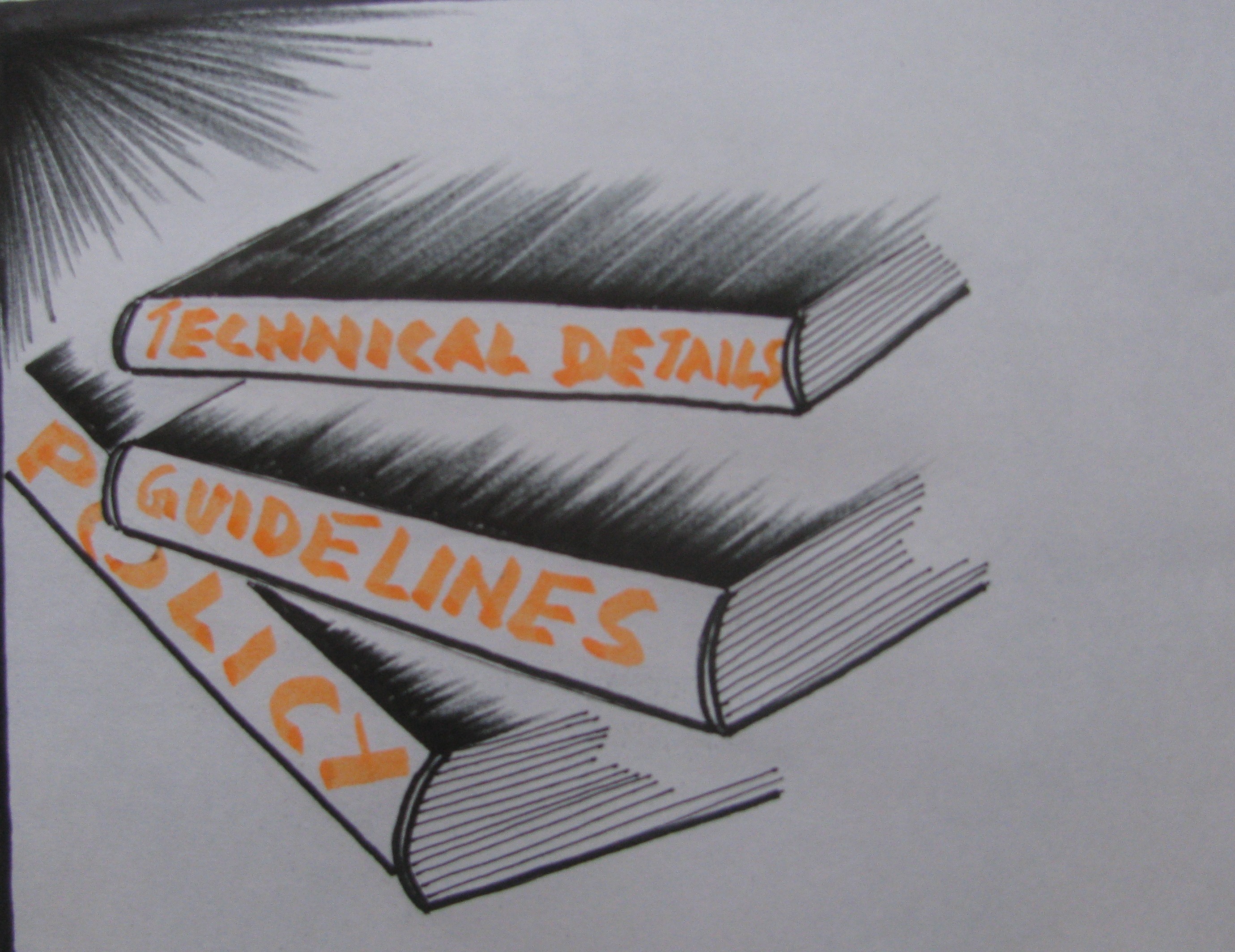
THE OUTDOORS & ADVENTURE: IMAGINING POLICY – PART 1

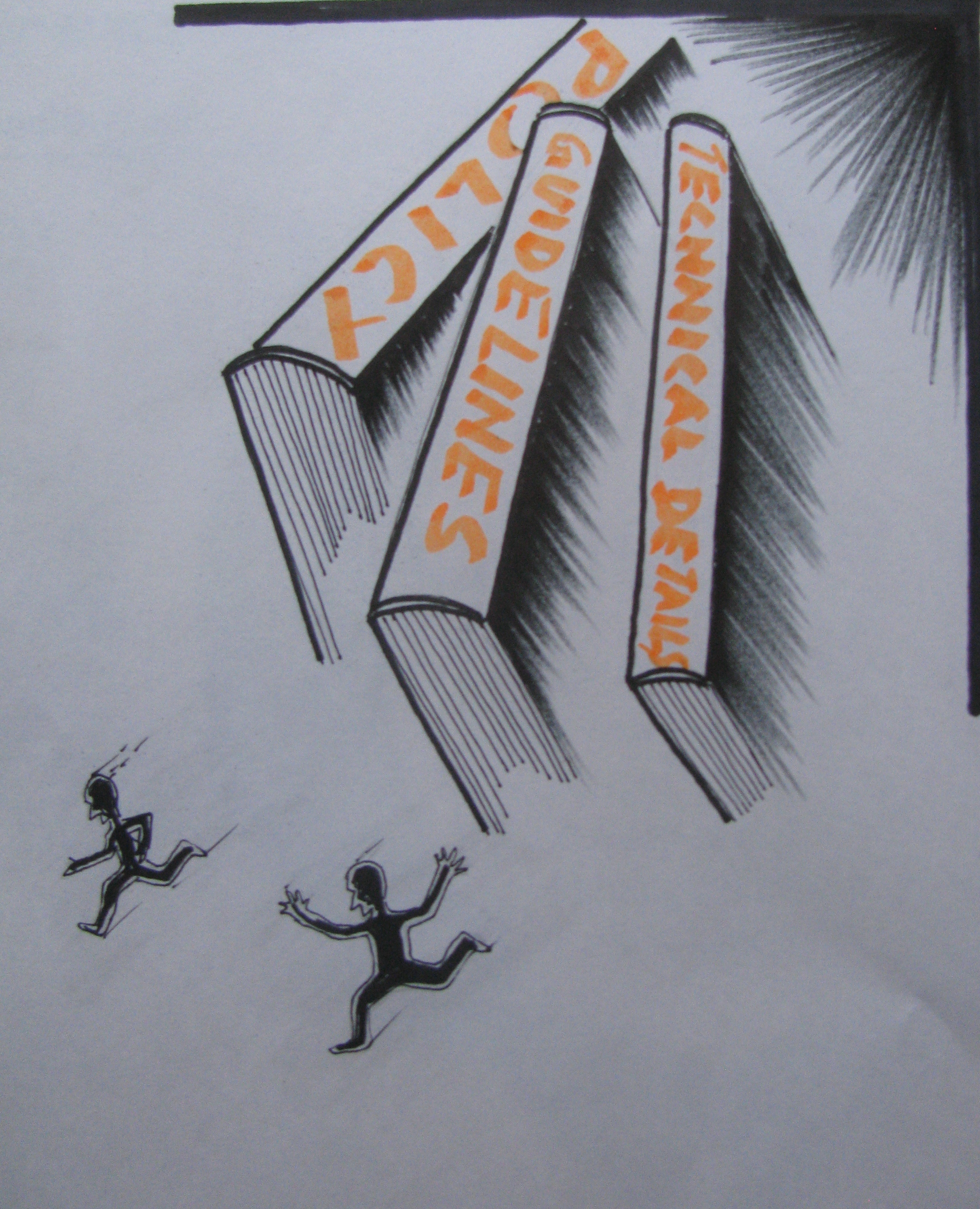
Illustration: Shyam G Menon

Illustration: Shyam G Menon

An early morning in Munsyari, while waiting for the morning taxi to the plains, an elderly gentleman from Kolkata and I got talking.

It was cold.

The hot tea was fantastic.

He worked at the Directorate General of Shipping. During my days as employed journalist, shipping had been one of my beats.

We had a nice conversation.

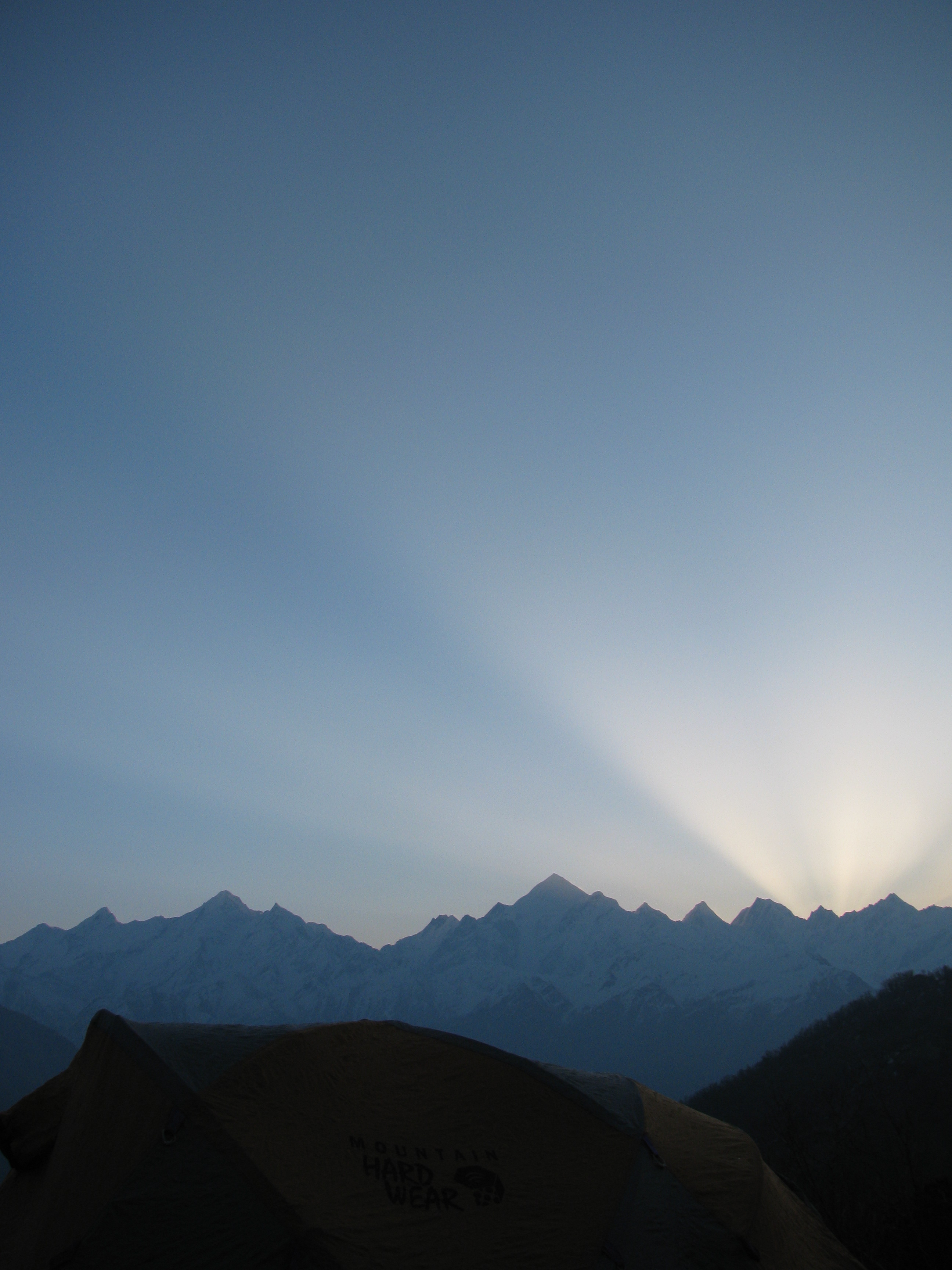
Against my protests, he paid for my tea. Pointing heavenward he quipped, “ why make a fuss about payment? We are all heading to the same place.’’ Dawn in Munsyari, as the rising sun graces the slopes of the Panchchuli peaks, ` heaven’ isn’t a misplaced reference. A cup of tea and that sight – it is very satisfying. Earlier on realizing that I was still bachelor and no more employed journalist, the man had said, “ the outdoor bug is such – neither can you leave it; nor will it let you go.’’ There is a whole universe in such simple conversations inspired by the outdoors. That’s what the outdoors is even if it makes no sense to settled society and its commerce. You know this well, unless you are businessman committed to sell or someone for who the outdoors is business. Without defined product to sell, there is no business model even in the outdoors. I too was in Munsyari having finished work on an outdoor course promising specifics. Such is the powerful drive all around towards manufacturing deliverables. Expectation has become habit; deliverable, the solution. I have often been asked: what is your goal? It makes me uncomfortable. Does the universe have a goal except to exist? I think there is only the direction set by the values people embrace in life. Goals are like milestones. I can’t recall a single long run I enjoyed focusing on passing milestones.

In the outdoors, the ones who refuse deliverables and yet want life by outdoors, become hermits / ascetics, seekers, wanderers. They may be failures in our eyes. But theirs is honest existence. We can’t comprehend that chemistry. Yet we easily promise specific deliverables from the outdoor experience. Point is – we all know in varying degrees that there is something, maybe a fragment of timeless truth, in the outdoors. To the extent it is thus core to human existence, the outdoors and adventure are like water. We pay for bottled water and municipal tap water. But we resent water’s growing monetization. And, we definitely don’t want somebody pricing the air we breathe. How happy will we be if the outdoors was lost as our shared heritage and instead monetized like bottled water?

In the last couple of years, a few Indian states began formulating guidelines for adventure tourism. That is a fine aspiration. Except, I found the effort lacking soul for the urge is to address the immediate and practical ignoring the profundity of the outdoors. Metaphorically, the focus seemed bottled water; not water. It runs the danger of blessing monetization and in the process, forgetting that the reason people hydrate is water’s presence in our very being. Below is some of what I missed in the conversations about guidelines, I was privy to.

Many of the minds drawing up regulations enjoyed a freer world to grow wise in, at least be wise enough to decide guidelines for future generations. The present world uses the word ` freedom’ more than before. But it isn’t as free. How can you explain freedom to someone trapped by the mobile phone screen and happy for it or blinded by religion and feeling secure for it? Our world is tangled in ego; vanity, competition, community, achievement, possession, insecurity and such. It can’t sense loss of freedom while securing itself. We have been birthing a strange dictatorship of convenience. At the meetings I was lucky to attend, the guideline-makers were introduced as accomplished mountaineers; hikers, river runners etc. I sat in the audience and listened to them hold forth on the pioneering activity they did in their prime, which grants them eminence to recommend now. The tenor I gleaned was how the theatre of these people’s accomplishments is now endangered by too many people going in (which, as function of population and emergent demographics is absolutely right) – some even losing their lives through reckless actions – and therefore, the wise have gathered to save and protect the rest. It is a nice, relevant, responsible story line. Except, if engaging in adventure was prerequisite for the wisdom behind guidelines, then the protection of such access and not its restriction should be the guiding thought guiding the guidelines. And if free access is to be enjoyed without damage to life and environment in times of high population, then the only solution is education. I didn’t find this emphasised adequately.

Personally I believe the above mentioned free access shouldn’t be restricted to landscape. It should include – in fact it is more about – free access to adventure and solitude for the ideas they are. I say this because the same as thought or idea will be progressively misunderstood going ahead. Increasingly, we are caricaturing adventure to make sense to a large population; its crowding, its sedentary ways, its huge need for jobs and we are forcing adventure to suck up to action crazed-media (everyone’s bio-data looks sexier with a dash of adventure, isn’t it?). As the trend plays out, we will have adventure enshrined as packaged lifestyle or spectacle. This regime is what makes guidelines like the ones being currently imagined, acceptable even as they fail to articulate and support real adventure. We will have guidelines and no proper appreciation for the instinct they seek to address. Any policy / set of guidelines that fails to acknowledge adventure as human instinct, has got it wrong.

We are a society that lauds life and the act of staying alive. Strangely, the daily drowning and devaluing of life by more numbers of people added is not a blotch on life’s aesthetics. With its casual approach to population control, India is all about adding people and no bother about how they live or what life is. One gentleman associated with framing guidelines told me, “ you can’t blame society for being interested in guidelines for adventure. After all, society has to save lives.’’ How this equation works or should work in the context of adventure – this, needs to be discussed by those loving adventure and engaged in it. The question is not one of being above law, pretending to be tough, rubbishing insurance or discounting the importance of search and rescue. It is one of properly appreciating what adventure is and why you are in that space. Personally, I accept all adventure entails risk. That’s why I choose what adventure I would like to be on. It is only rarely that people die instantly, painlessly. I don’t like pain. So, most of my adventures are tame affairs. The key to safe adventure is self awareness. I accept my timidity. If self awareness is key, then it also means that the best guidelines you can have for adventure activity would be education, good training, adequate access to practise what you learnt and sufficient self awareness through both to avoid being abjectly foolish. That said, despite best practices, you can still lose your life. Life and death are two sides of the adventure-coin. How can we learn to accept the coin and not a side? You have to ask the question – what is the purpose of a policy for adventure; is it to prevent deaths or is it to encourage responsible adventure? This debate should engage any group deliberating adventure related policy because it ensures that the policy is not partial to one side of the coin. Unfortunately, this debate doesn’t engage. I felt the guidelines / policies spare society the need to comprehend why adventure and the instinct for adventure, exists. A major lacuna is that aside from the cerebrally dull celebration of adventure as spectacle by the media (and the perpetuation of this trait by media crazed adventure enthusiasts), there is no other sensitization happening. Life’s hijack by a society becoming duller and duller by the day is not life’s fault. It is our fault; we are dull society.

All outdoor adventure has a setting – the environment. Damage to environment is inexcusable in the context of being outdoors. At least one instance of shameful environmental damage at altitude by a commercial operator with subsequent penalties imposed and thereafter a ban, reportedly happened in the recent past. Other unspoken instances exist. Controlling environmental degradation – this can be taught and learnt. But reality is – in India adventure is clad in machismo and competition. Amid set notions of how the adventurer looks and behaves and what training for adventure is, learning about the environment seems tame, effeminate. The winner stands on the summit; the loser cares for the environment – that is the imagery. Can we change this? Worse, all acts designed to change things have media built in. This reduces the effort to publicity stunt and sponsorship tactics. We need to do things because it is important to do it and not because it looks good on media. I sensed some concern for environment and practically nothing about the two sided adventure-coin in the background conversation around guidelines. At least one discussion on guidelines I witnessed was dominated by talk on resorts and home stays for tourists, pilgrimage facility for pilgrims and aircraft / helicopters for the clients of tourism. It was the deep end of the business hug.

(……to be continued)

(The author, Shyam G Menon, is a freelance journalist based in Mumbai.)

THE OUTDOORS & ADVENTURE: IMAGINING POLICY – PART 2

Illustration: Shyam G Menon

Illustration: Shyam G Menon

There have been accidents – entailing loss of life – which led to the guidelines in question being sought and framed. Some of these mishaps happened in situations that people bought into; in other words – commercial contracts. In India (as elsewhere in the case of any industry), there is a need to monitor commercial adventure activity wherein clients pay money anticipating promised deliverables. This is the realm of adventure tour operators and those offering specific services (like thrill sports) on a commercial basis. Interestingly, in some cases, the title for guidelines being worked on, call the exercise as guidelines for adventure tourism and not adventure tour operators. This distinction is critical as it distinguishes between people (especially people trained in adventure activity) venturing out to do something on their own (accepting the risks that go alongside not to mention awareness of their own limits) and clients going with commercial operators. I recall asking a person well entrenched in the guideline process about this lack of clear distinction and he said, “ don’t worry, nothing will change for clubs and individuals.’’ If so, why aren’t they changing the title appropriately? Why aren’t references clear and explicit?

Let me explain why the distinction matters. As training outfit and context that people come back to repeatedly, clubs play a bigger role in familiarizing people with outdoor skills and ethics than one month-in-a-life at mountaineering institute does. Trained individuals also choose to go by themselves, assuming full onus themselves, because everyone can’t afford commercial operators and the growing overhead costs of adventure. Today commercial outdoor adventure is expensive or deliberately priced low to attract people. Low price sometimes raises cost in terms of rectifying the environmental damage caused as outdoor destinations can’t handle volume based-tourism. I won’t say that clubs and trained individuals are flawless. In a rather shameful development, some clubs have grown very close to commercial operators, quickly outsourcing outdoor competence when the idea of being club is to learn to do things oneself. However in principle, the flow of clubs and trained individuals is the bed rock of the whole edifice that the guidelines seek to protect / administer. That being so this segment should be least bureaucratic to avail and most affordable. It can be disciplined and managed through penalty (fines and de-recognition of clubs) for wrong doing, in this case mainly environmental damage for risk to one’s life is already accepted in the non commercial nature of the understanding. For all its flaws, these non commercial options are important. Without this flow, superstructures built upon the instinct to adventure – from amateur mountaineering expeditions to commercial trips – would be shaky. Even overseas, it has been observed that when it comes to training guides, while guiding brings prudence to the outdoors, the regime of restricted access ultimately affects the quality of manpower turning up to train. No set of guidelines should therefore end up with the legacy of having nudged everything into either a bureaucratically administered space or a commercial space. It defeats the purpose. Since being in the outdoors is a must for the committed what we have to then master is the art of reducing human impact. The strongest focus of any guidelines / policy for adventure / outdoors should be on managing this human impact and in this, the authors must acknowledge the merit of proper education. I couldn’t sense this among guiding principles for policy / guidelines. Indeed, one of the strangest aspects of the current interest in policy is that the rush for guidelines is without any prior statement of what the outdoors means to us. Without such statement, guidelines will meander for want of vision.

One of the reasons inspiring structure for outdoor / adventure pursuits, is the question – what happens should something go wrong in adventure activity? India lacks prompt emergency medical facilities and search and rescue infrastructure as found in developed countries. Although this is being addressed slowly, instead of seeing that as separate responsibility, instead of seeing it as a service expected of any modern society, we choose to build restrictions to adventure. After all, less people doing crazy things, means less people to rescue. However, you don’t find the same being done to pilgrimage. In 2013, more people died in one season of cramped pilgrimage in Uttarakhand, than probably everyone who died mountaineering in the Indian Himalaya. Yet when it comes to ease of accusing somebody of irresponsibility, the adventurer is quickly picked on. Our society is shallow in its understanding of how risk is managed in adventure activity. As they say at climbing clubs: more people die crossing the road than they do climbing mountains. Of course, this is because fewer people climb mountains. But it is also true that in any risk prone-adventure activity, the more you become conscious of risk, the more you are careful. That said, in India, we may teach the hard skills for adventure, well. But thanks to machismo, competition and the urge to prove, we don’t teach people to be comfortable accepting their limits, we don’t create social environments suited to accept limits. We are bad teachers. We are particularly bad at creating healthy learning environments because we don’t understand (or wish to understand) adventure except as proof of manhood. Knowing how uncontrollable things can get, we therefore choose the easier option in policy making for adventure – restrict. The resultant perspective of adventure as something exotic and domain of the special or something avoidable and hence to be restricted, coupled with legitimate concern for the environment is the main energy shaping current official approach. It is a sad predicament.

Illustration: Shyam G Menon

Illustration: Shyam G Menon

Lost in the process is a valuable angle – technical qualifications, permits, fees and such matter. But what matters more is ease of embarking on adventure as only practice makes perfect. We should not also trivialize the intellectual side of adventure; basically the attempt to comprehend, introspect and be self aware. It is media’s choice to rubbish the intellect and showcase the action. But even the most mindless adventurer, somebody who seems all action and no thought – processes his / her experience. We need an adventure policy that supports adventure and unashamedly says that since adventuring is human instinct society will stay prepared with commensurate emergency medical and search and rescue facilities. At this point, the inadequacy of these emergency services is thrown at the adventurer. But is that his or her responsibility? Isn’t growing that competence the onus of those concerned with it? Notwithstanding this shortfall, outdoors people / those liking adventure have begun taking expensive first aid courses designed to support patients ahead of formal medical attention. When they are doing their bit, isn’t it time, the other half – those specialized in emergency medical services and search and rescue – did their share? Can’t we look upon all this as normal service in modern society, and not something special?

Any person / persons drawing up guidelines, policy and such should be aware of the tendency to shape environment to their professional advantage. This is important in the Indian context because most of us, thanks to severe rat race brought on by high population, corporate life and persistent feudal attitudes (don’t forget our capacity for manufacturing caste hierarchy in everything) that value personal power over professionalism, hate not being on top of the heap. We have to matter, by hook or crook. If we don’t matter, we have failed. That’s the Indian credo. Fuelling this further, is compulsion for livelihood (including outdoor activity / industry as livelihood); the race grows stiffer and stiffer with every passing year. Evolving guidelines for adventure tourism or adventure tour operators (it is still unclear to me which one, the current effort is focused on) is a new development. The people engaged in it seem a younger lot. But unless they are conscious of the well entrenched Indian drift, there is no guarantee that the guidelines they author will be free of establishing the authors themselves as indispensable to the process. For example, adventure tour operators would be happy if everyone accessed the outdoors through them. But is that how it should be? Event organizers would love all adventure to be spectacle, competition in arena and embrace by media circus. Is that how it should be? Outdoor educators and first aid tutors would be happy if we all got wrapped up in a dozen mandatory certifications, ideally expensive to obtain. Is that how it should be? Uniquely – and it is a trademark of our times – everything is business model first and only after that, sensible to life.

The onus for responsible adventure eventually lay with the practitioner. Awareness (self and surroundings), education, concern for environment, technical training, practice – these, among other attributes are critical. Unfortunately our educational system (including outdoor / adventure institutes), which should be delivering these attributes, is busy spawning its own bureaucracy and certificates for apartness. Curriculum is taught in the same Indian rat race style. Achievement, not maturity, enjoys premium. The notion that techniques required for safe adventure can be learnt and sharpened through continued practise is sacrificed at the altar of creating reasons for grades and such. Poor quality of education is then balanced by bureaucratic controls over access to the field. Few things have been more puzzling to me than the Indian system of teaching mountaineering over a month long-course and then concluding for a lifetime, based on grades earned, how that person should adventure. If a month long-course can conclude for eternity what you are, why should you believe in practice makes perfect or experience as teacher? Such shortcomings should be set right before we imagine guidelines. But we consider ourselves too perfect for introspection. We are however perfect enough to recommend guidelines.

(Concluded)

(The author, Shyam G Menon, is a freelance journalist based in Mumbai.)

WHY OUTDOORS?

Sunrise; near Munsyari, Kumaon (Photo: Shyam G Menon)

Sunrise; near Munsyari, Kumaon (Photo: Shyam G Menon)

The question launched an expedition in the mind.

Why do I frequent the outdoors?

For a couple of months, the required articulation got bogged down in bad weather. Metaphorically, that is. Then one day, you are gifted with clear skies and off you went for the summit you sought, the high pass you wished to cross or you simply saw the landscape for what it is. The skies cleared the other day as I watched the John Ford classic ` The Man Who Shot Liberty Valance.’

We live in times bombarded by media. The bulk of the movies we see have contexts more complicated than a growing settlement called Shinbone and what happens when a lawyer, a violent outlaw and the only man in town the gunslinger avoided, meet. Even with two of those men fancying the same woman, Ford’s movie was still devoid of clutter. Its clarity appeared enhanced by old world black and white. Film making is an aesthetic. I am not going to refer the dictionary to tell exactly what `aesthetic’ is. I will go with my understanding – it is a balance; an elegant equilibrium.

I remember a day in the Upper Rupin Valley. It was 2008, I think. A friend who was veteran of the outdoors and I, someone yet to fathom his need for the outdoors, were camped there. It was just two of us – two human beings in vast mountainous landscape. A nearby trail brought an occasional villager who paused for conversation and tea. Otherwise, it was just landscape and you.

Years ago, after finishing studies (rather, leaving some of it incomplete) I had left home to make a career. I worked my butt off. Over a decade later, I seemed to be doing well. That was the least expected of you – you had to do well. Nobody asked what you did. But you had to do well. Men disappeared to reappear years later, `doing well,’ prerequisite for next step – being well settled. They sported designation; importance, money and were expected not to have time for anything but career. Women, it seemed, liked their men so. It reinforced the urge to do well. My focus was always on several things. Actually, I lacked focus. But then I also knew that while you can’t have a good photograph without focusing, a photograph isn’t everything the photographer saw. The camera misses more world than it captures. Isn’t that true of human focus and life as well?

In late 2006, I was around sixteen years old as journalist and approximately ten years old as outdoor enthusiast. They were definitely two separate schools of thought and experience. Something snapped in me. I resigned my job and stopped `doing well.’ Two years afterwards, recast as freelance journalist and in the Rupin Valley, I was still a Doubting Thomas. What had I done with my life? I was free of the traditional parameters measuring life. But equally, I felt alone. Well settled and majority are brothers in arms. It was lesson well learnt.

My first day in Rupin Valley was a trial. Although I was already years old in outdoor activity by then, I had been trekking to gain a certain fort or pass, climbing rock to accomplish a certain route or mountaineering to reach a summit (in my case, any easy summit). As in the urban rat race, quest in the outdoors too, was an objective. Without objective, there is no conquest. How can you tell yourself you did well if there is no conquest? Life was a minor detail compared to discussions on route, particular climbing moves, gear specifications etc. It was like going to office.

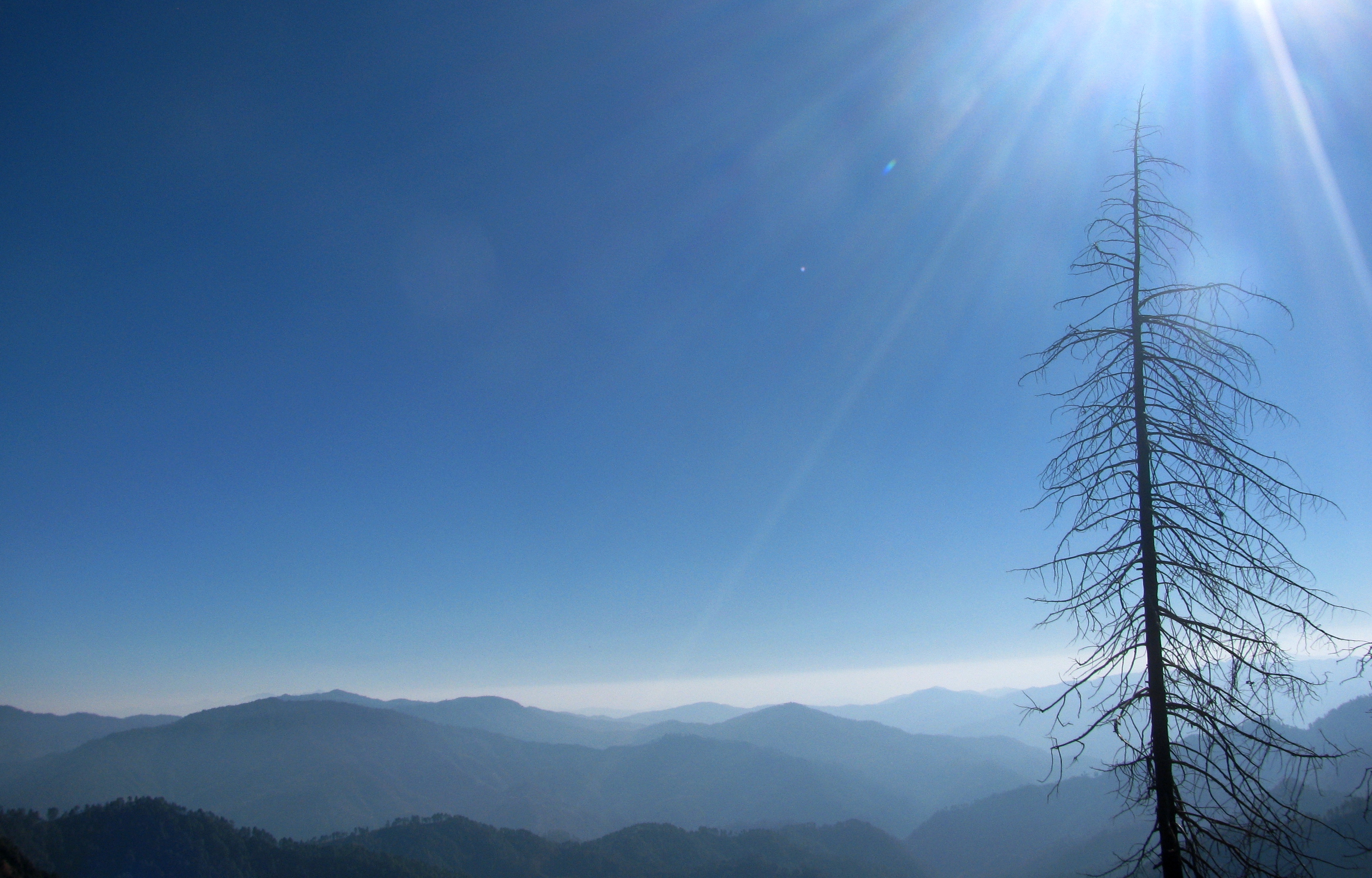
The view from a little used road en route to Lansdowne in Garhwal, part of a 2013 cycle trip-route (Photo: Shyam G Menon)

The view from a little used road on the way to Lansdowne in Garhwal, part of a 2013 cycle trip-route (Photo: Shyam G Menon)

In Rupin Valley, the biggest challenge that confronted my friend and I was to keep a fire going for it was raining. We were short on fuel and therefore needing some assistance from the twigs and driftwood lying around. Much of it was wet. Without fire, there would be no food. Without food there would be no energy and without energy, no Rupin Pass to cross. Each was an objective no doubt but certainly not the sort of objectives that defined the `doing well’- paradigm.

Back home in Kerala, it was common to say that if you didn’t study and turned loser, you could end up running a tea shop or a hotel in the nearby junction. In the Rupin Valley, exactly those talents mattered. A cup of hot tea in cold weather felt good; if you were a good cook, the talent kept you alive. What was all that `doing well’-thing? – I thought. Eventually when I reached Rupin Pass, walking leisurely through high mountains and snowfields with none of the urgency and panic of doing well-world, I was one happy man. I never forget the cup of coffee I had atop that pass. The 2008 trek stripped my life to the uncluttered aesthetics of John Ford’s movie.

A delicate balance characterizes the outdoors. Much before we enter the frame, we see the scene from far. Right from start, what subconsciously drew me to the outdoors was a simple equation – the vastness of space and the limited supply of people in it. It took camping in the Rupin Valley and a genuine feel of the slow life along with it for the sub conscious to speak above the clamour for outdoors as conquest and apartness, which was how the urban rat race preferred it. In the years since Rupin Pass, the outdoor aesthetic, now no more ashamed of being a voice in me, sharpened further. I now have limited fascination for the politics of human clusters; the money and the competition it can’t live without. I am not a fan of giant population and population laundered to seemingly benign interpretations like `market’ and `tomorrow’s workforce.’

I have come to believe that what we call life is a perception by aesthetic. Life needs space, not the over-crowding we have done in India. Life needs space for our thoughts in the mind, not the daily schizophrenia we unleash with too many people breathing down our necks. Life needs to be felt, not overwhelmed by consumerist excess, competition or the struggle to survive as is the case today.

The outdoors is the refuge of a clarity that is not needed if your objective is to win in the rat race.

I like that clarity.

That’s why I frequent the outdoors.

(The author, Shyam G Menon, is a freelance journalist based in Mumbai. This is a slightly altered, longer version of an article originally published in the Economic & Political Weekly.)

MEDIA, MONEY AND ADVENTURE

Photo: Shyam G Menon

Photo: Shyam G Menon

Some months ago, in Mussoorie, I asked a senior experiential educator from the UK, why the simple experience of being outdoors wasn’t deemed as good an education as contrived outcomes delivered from the same. Why is it team-building and leadership; why isn’t it plain nature, just being there? He said I was overlooking the genesis of outdoor education in Europe in the shadow of the continent’s wars. That’s the imagination at work.

If I visit my understanding of the world I was born to, the legacy of war is more than boot camps teaching camping skills and mountaineering expeditions primed for conquest. The 20th century is the bloodiest century known to man. We fought two world wars and several local wars and battles. I recall novel after imported novel read during my college years and foreign movies watched, in which the hero was fashionably ex-army. There were lots of wars a protagonist could be veteran of – World War II; Vietnam, Korea, not to mention Afghanistan and Iraq for more recent heroes (I understood only later the tremendous psychological impact of World War I on mountaineering). Service in the armed forces or exposure to war was also there in the non-fiction realm with the biographies of some noted civilians mentioning military service.

Post World War II, our world changed drastically as the consumerist age with its giant industrial systems, and eventually the age of information technology, took off. In the century of war, corporate culture popularised the idea of war among companies and preparedness for battle within. Corporate officials are soldiers in another uniform. Indeed, once when I went to assist at an outdoor management development (OMD) program, I was intrigued to see an Outdoor Expert – OE as they are called in the business – attired in military fatigues, even as the program never left a resort’s lawns. Very likely, had he been dressed differently, he wouldn’t have seemed adequately outdoors to the clients training to demolish rivals in the market place. The world hasn’t really been at peace in the last hundred years or more; it has always been plotting war in the head. Even the media carries this tenor. Not only are large media corporations the stuff of corporate and competition, the media – especially business media – loves to see a war in tussles for market share and company acquisitions. I understand now why it is so unglamorous to be out in nature just for the heck of it without achieving something. I understand why no runner worth his / her salt will run without looking at the watch. Achievement has become proof of existence.

As the perceptive would say, nowadays such conflict also arises from straddling two different cultures – indoors and outdoors. If you want to make sense (and sense is compulsory for money), then you have to be relevant to indoors for that culture has the world’s money. Go outdoors to be poor and spiritual; go indoors to be rich and materialist – that would seem the case. Like generals at war strategising from safe zones, money likes to stay safe while its extended fingers explore the unknown. Reports reach headquarters from the field informing of challenge and progress. Occasionally, the indoors is borne outdoors in great comfort. Most important perhaps – unless you are achieving outdoors, you outdoor ventures don’t get support from indoors. It is the old arena mentality. Over time, a certain quality of contemplation has exited the outdoors. Triumph by well funded expedition and reduction of activity to action have become dominant. It reflects the world’s ways. First, success matters. You do what it takes to be successful including success guaranteed through commercial contract. Second, if you think habitually, you will probably wander off into avenues of imagination that are counterproductive to becoming successful. Equally, it is a noisy world and adding noise in your head through thought when world outside is already a din, seems invitation for disaster. Why think when we can dull thought through action? A climbing video – its dialogues, its editing style, its attitude – is often lifeless despite the action in it. We try to compensate with stunning visuals but there is only so much CPR can do to breathe life into dead video. Besides, we are tired of seeing the same CPR over and over again. Increasingly the stuff of smart packaging, the longevity of each media fad and format is shrinking. Few people talk of it – we are gradually exhausting our appetite for media, especially synthetic media.  

At the recently concluded 2014 annual seminar of the Himalayan Club, both the guest speakers – Marko Prezelj (leading alpinist from Slovenia) and Jim Perrin (climber, well known author from UK) – mentioned world addicted to media. From what I could glean and adding my thoughts as well, I believe, the problem works at several levels. First, there is the declining value of first hand assessment. As Marko pointed out, many people are experts ahead of being on their chosen mountain, thanks to Google Earth. A tool can help but a tool shouldn’t replace a whole mountain. If that is acceptable, then why venture out to be on the mountain? Don’t forget, climbing and mountaineering are tactile pursuits. Second, at the retail level, many of us – and that includes climbers – are hooked to social media, trusting its response to validate our existence. What is a great climb? The one that gets most likes on Facebook? This media circus can become questionable distraction. Joke or not, one of the greatest young alpinists of our times is said to have attempted a dangerous mountain face solo with more batteries for his media / radio equipment than food to eat. When he got stuck, the suffering became great media. On the other hand, amid the seductive blend of adventure and publicity, it has become common habit to climb something – anything – and put it on social media because an established motor response to lauding climbs gives anything vertical the licence to seem massively adventurous. The applause becomes an endorsement of adventurer although the vast majority of us are doing tame stuff and even the great climbs we do are routes already done by others. No matter how far we go the relation between us and everyone else – our social world – trails us like a conspiracy brokering means to fame in the head.

Marko appropriately wove into his presentation a clip on mountaineering from Monty Python (http://www.youtube.com/watch?v=9U0tDU37q2M), the British comedy series. If we climbers take ourselves a little less seriously, we will notice the element of conquest and drama we strive to introduce into an account of even the smallest hump climbed. Over the years, technological innovations and improved climbing styles have actually reduced the risk on many climbing routes. Yet a video of climbing Everest via the normal route with all frills and bells attached, still labours to create a Hillary and Tenzing of everyone following in their footsteps.

Photo: Shyam G Menon

Photo: Shyam G Menon

Perhaps the reason for such media is because we want to make ourselves impressive and saleable. Saleability is imperative for the funding models of climbing and mountaineering. Welcome to the third point – in a strange mirror-like situation, the expedition model resembles a triangular peak. Only a few people reach the mountain summit to hog all the attention. For that, many unnamed others and plenty of resources are used. If the supporters / sponsors have to be incentivized to contribute, they must get a piece of the final glory. It is return on investment, bang for the buck. As demands for mileage multiply, climbing narratives converge to similar idiom. It is less mountain, more compulsions of business model. Worse – everybody is still mesmerized by old stories of blood and gut. What do you do if you didn’t grunt, groan and spill blood? It is a sad state of affairs – the sponsor wants mileage; even first time trekker wants mileage and hunts for mountaineering-like moment on flat land to put on Facebook. I know it myself – it is hard to write what you did on a mountain in simple language devoid of drama, when the urge within is to sound like true blue adventurer. Vanity interferes. With the funding models we have, that vanity not only got institutionalised, it also got condoned as necessary ingredient for without imagery of vintage adventure, who wants a narrative in the media and without media where is sponsor’s bang for his buck? We have condemned ourselves to the limited world of the permanently extraordinary. To me, one of the greatest moments in Marko’s presentation was when he described a very long period spent in the mountains as – it was becoming too much. At that point on the mountain, he wishes to be back home with family. Not surprisingly, in Marko’s presentation, his family and their house, appear as fulcrum periodically. My learning here is not family or house but a senior alpinist like Marko, acknowledging “ too much.’’ At heart, the outdoors is an aesthetic. It is that simple. Let me add something here on the media, an animal I am familiar with. Many reasonable headlines I gave the outdoor articles I submitted for publishing were replaced with headlines suggesting `top,’ `summit,’ `conquered,’ `peak’ and such in them. It was as though anything happening on the mountains couldn’t be seen differently. It had to be conquest. Another regular is the word `tough.’ A lot of imagination in the media about climbing revolves around this word. The reason this happens is clear – the media’s patrons are all indoors. The far opposite of indoors will hence attract. Now think – what would happen if this media got embedded in our brain? Marko offered an aesthetically extreme view but one that definitely engaged. How solo is solo climbing if next to the climber there is a cameraman dangling from a rope filming everything? For Marko, solo means `alone.’ I call that an extreme view because it could mean no media, no freelance journalist. I however concede – that is a ` pure’ view.  

For the heck of climbing’s philosophy – and everybody agrees that the core philosophy of anything in climbing is a drift to the pure ethic – can we have a seminar to debate viable expedition models that preserve freedom and mountaineering in the real sense? Can there be sponsors who don’t seek return on capital? People who give because they find something intrinsically valuable in adventure? Maybe even adventurers who are happy to do what they can with just available resources and sponsors who have means other than traditionally imagined ` mileage’ for returns? How about a sponsor who says – I don’t care for summit but give me a completely environment friendly expedition? How about someone who says – I believe in mountaineering as human heritage, so here’s the money? If there is reformed ethic in the tail and the tail wags the dog, won’t expeditions be different? I therefore won’t say that the outdoor community should court the extreme of declining help from those with capital to preserve purity of ethic; I submit for consideration – have we conveyed what the outdoors means, well enough, to those having capital? And for that, do people in the outdoor community have a genuine understanding of the outdoors in the first place?

Think about it.

(The author, Shyam G Menon, is a freelance journalist based in Mumbai)

IN MUSSOORIE, THOUGHT RESTORED

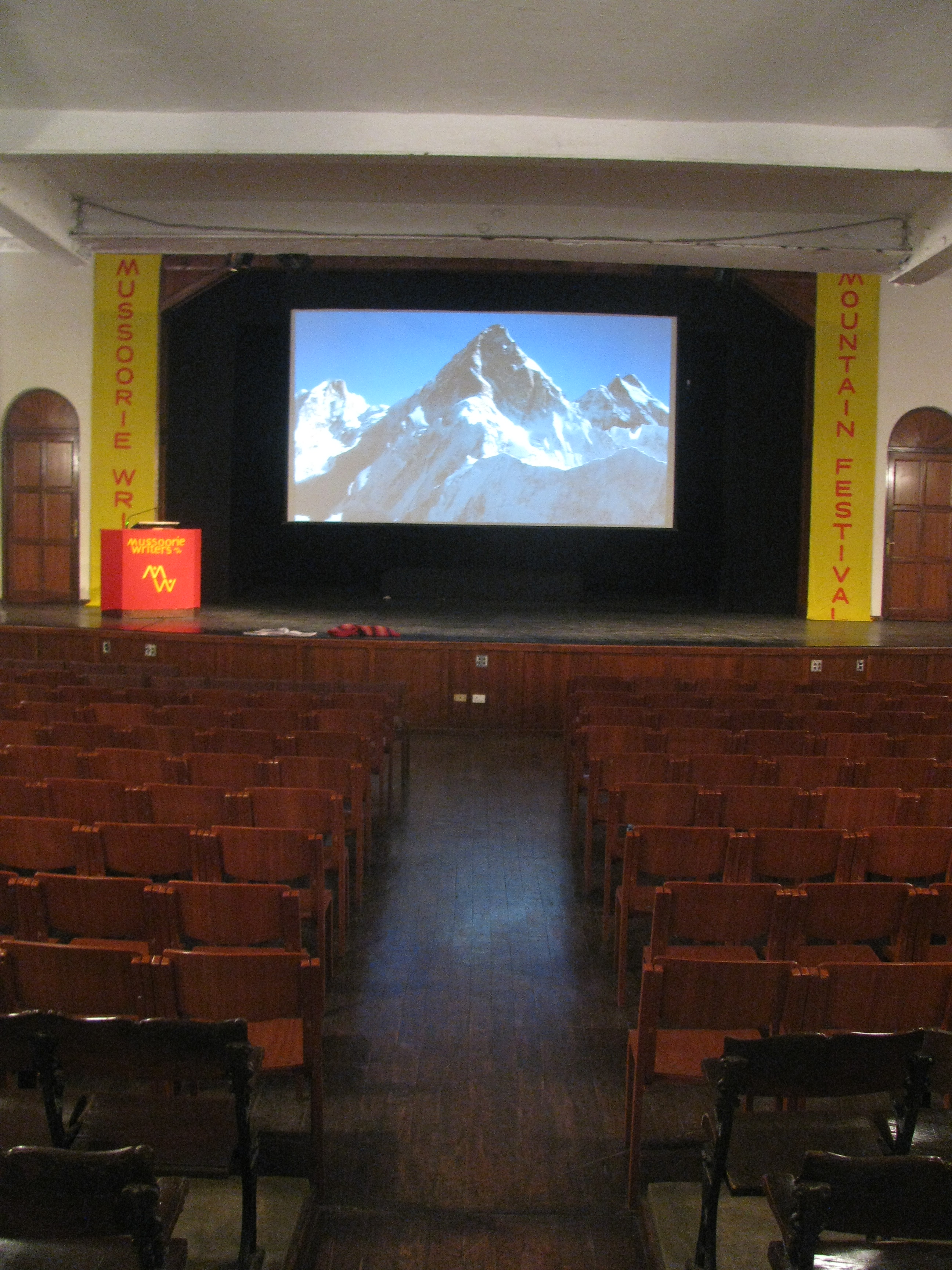
Parker Hall (Photo: Shyam G Menon)Fans of the Indiana Jones series, will remember the scene from the first film when cinema’s favourite archaeologist faces a huge scimitar-wielding opponent. For a minute, we think it is time to bid goodbye to the adventurer played by Harrison Ford. Then, slowly recovering from the sight of scimitar swishing about, he pulls out his gun and fires. One bullet fells the imagery of the terrible scimitar. As simple as that; balloon pricked.

Something similar happened last November, during the last session of the 2013 Mussoorie Writers’ Mountain Festival when the documentary film `Kukuczka’ by Jerzy Porebski was screened. In the film (a tribute to the legendary Polish mountaineer Jerzy Kukuczka), veteran mountaineer Kurt Diemberger comments on the current craze for speed ascents on formidable mountains. Gracefully aged by time, Diemberger has a serene, saintly gaze. He gently laughs and compares these swift climbs to the difference between sex and loving a person, understanding a person. Sometimes in the world of adrenalin soaked-climbing, you need a wake-up call as effective as Indiana Jones’s bullet. This seemed just that. The analogy was perfect; the delivery in Diemberger’s affable way, equally so. For me, it was one of the truly memorable moments of the last edition of the festival. You come to events like this, to rediscover the value of thought. Restoring thought in outdoor sport is particularly difficult as the world of marketing and media have squeezed contemplation out leaving us with action junkies in close-up.

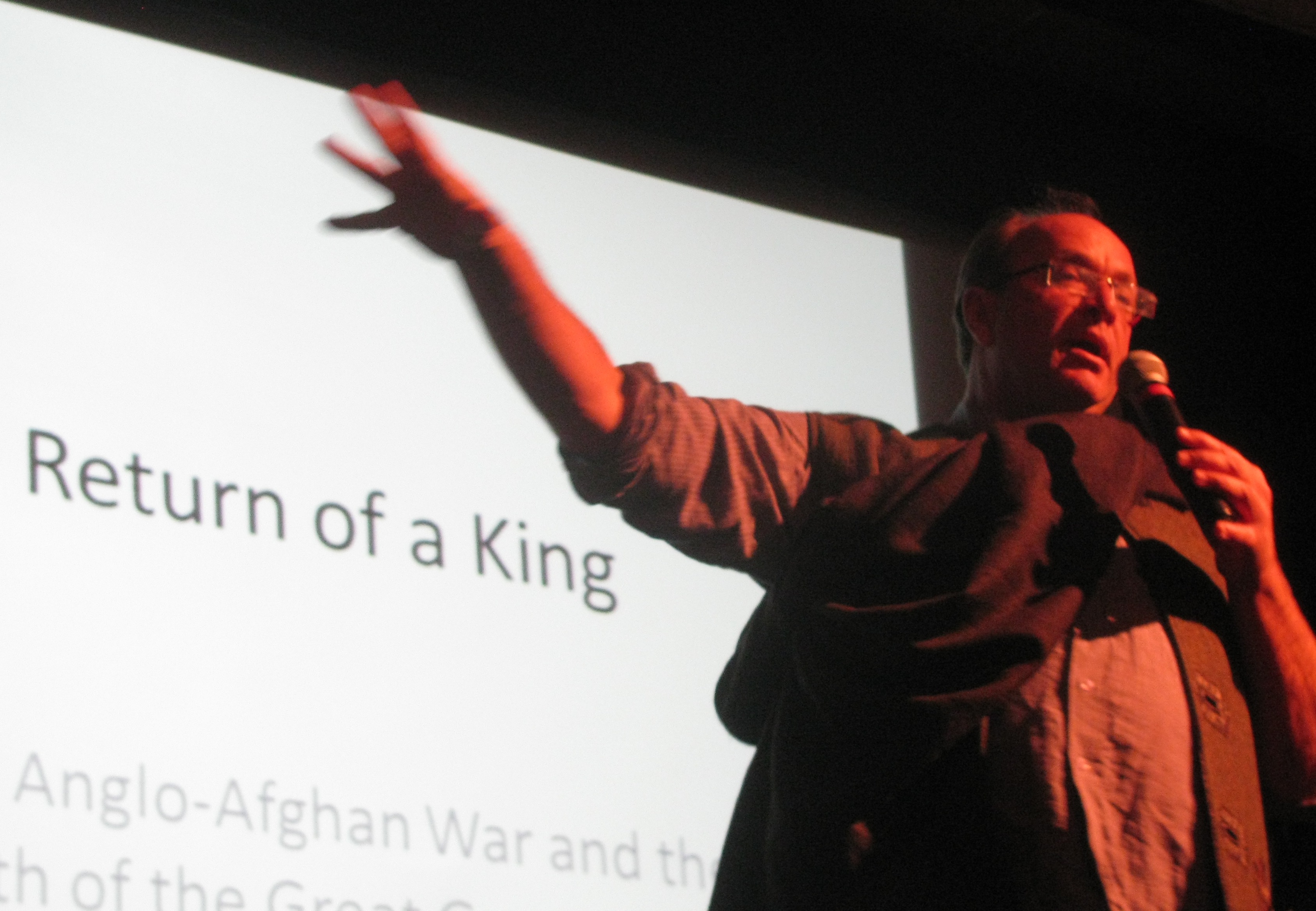
William Dalrymple speaking at the Mussoorie festival (Photo: Shyam G Menon)

William Dalrymple speaking at the Mussoorie festival (Photo: Shyam G Menon)

On the other hand as author David Roberts wonderfully pointed out (he was quoting Benvenuto Cellini) in an old essay on mountaineers’ biographies, there is value in writing memoirs when you are past forty and not before. As you age you learn to see what happened from a distance, not with your nose to the rock. Yet thanks to competition, marketing and media, our world has been losing that distance, that perspective. As ornaments for adventurer grow, the outdoors fades to being means for a world resonating us. It is like you swallowed K2, vacuumed the Sahara or gulped down the Pacific to become something bigger than they all – which you do in the human world. You tower above others while whatever you conquered exists timeless out there. It is both a crisis in human imagination and a crisis in sponsorship models for without claim by superlative (in world running out of superlatives) and consequent interest shown by media, money shuns adventure. I found Diemberger’s comparison, spot on. It is easier to manufacture reasons for attention by marketing’s logic, than to know the mountains or lose yourself to what you like and where you had been. That’s the thing – are you willing to lose yourself, trade rank among humans for mere place in everything? I found myself laughing hearing Diemberger’s observation. I also found myself saying: thank you!

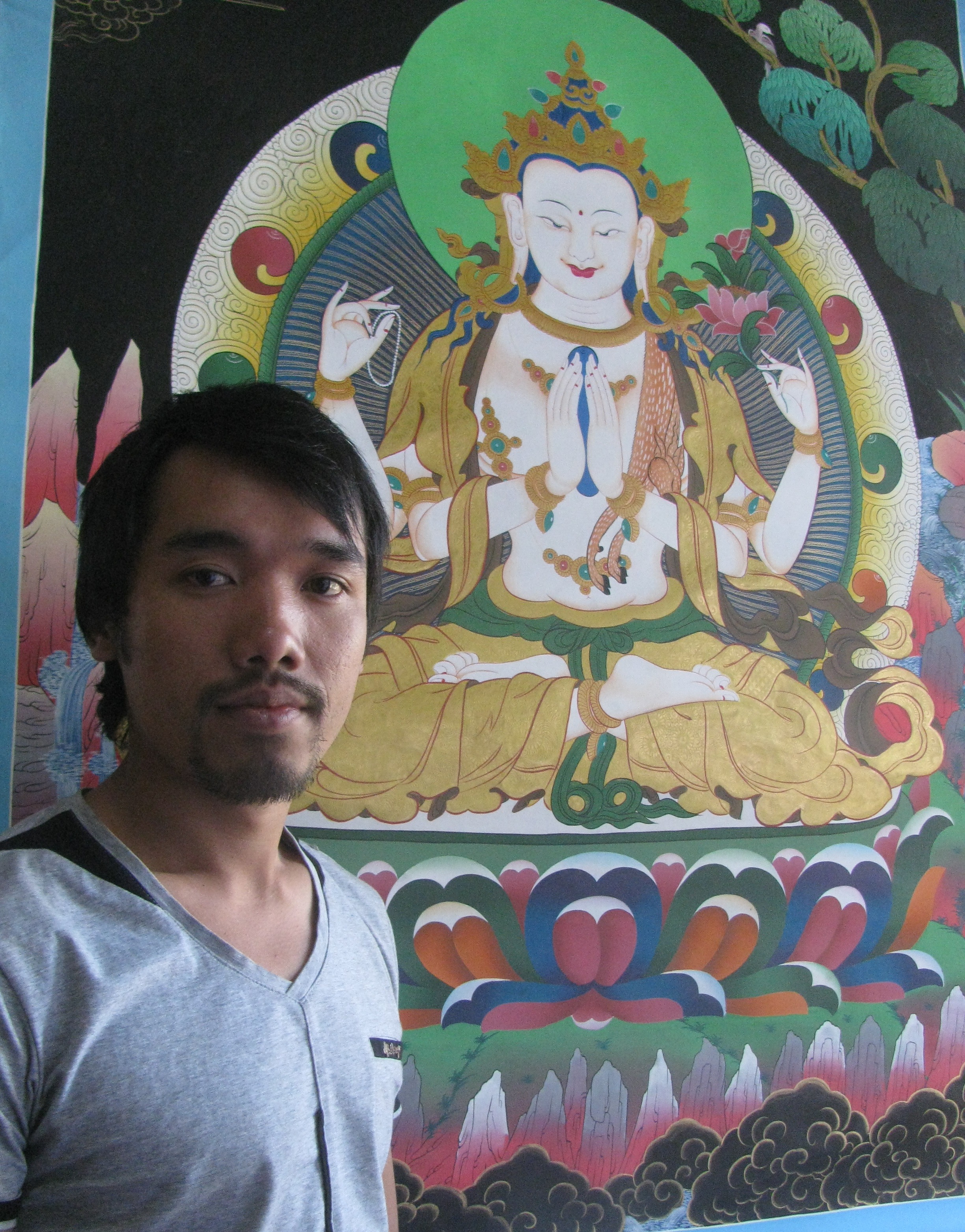
Ayush Yonjan (Photo: Shyam G Menon)

Ayush Yonjan (Photo: Shyam G Menon)

The Mussoorie Writers’ Mountain Festival is both about writing / arts and about mountains / the outdoors. It is special for me. First, it gets me back to the hills, reunites me with others similarly cast. Second, as a writers’ festival, it returns the intellect to a domain rapidly trading intellect for the glamour and decisiveness of action. I write as outsider. Despite much time spent climbing, I wasn’t good climber. Still, if average climber may speak up – I was never fascinated by just action. Save perhaps in the thoughtless depths of tackling a climbing route, which is too much an instance of focused, intense existence to be generalized as life. Firmly into middle age, I also realized that my being has a spiritual side, which needs attention as much as my body. A larger landscape now interests me. To feel the larger world, you stay open to a variety of stimuli ranging from music to photography, to painting, writing, science, history, geography – for all this exists out there. A festival like the one at Mussoorie, I felt, approached the outdoors so. Notwithstanding shortfalls, it strives for more dimensions than one.

The first time I was here in 2010, I walked to the assigned venue, past walls hosting photographs of mountains by Coni Horler, a participating photographer. Evenings, music took over – that time, it was artistes passing through town and, I suspect, some of the staff of Woodstock school who performed. The school is the festival’s immediate ecosystem.

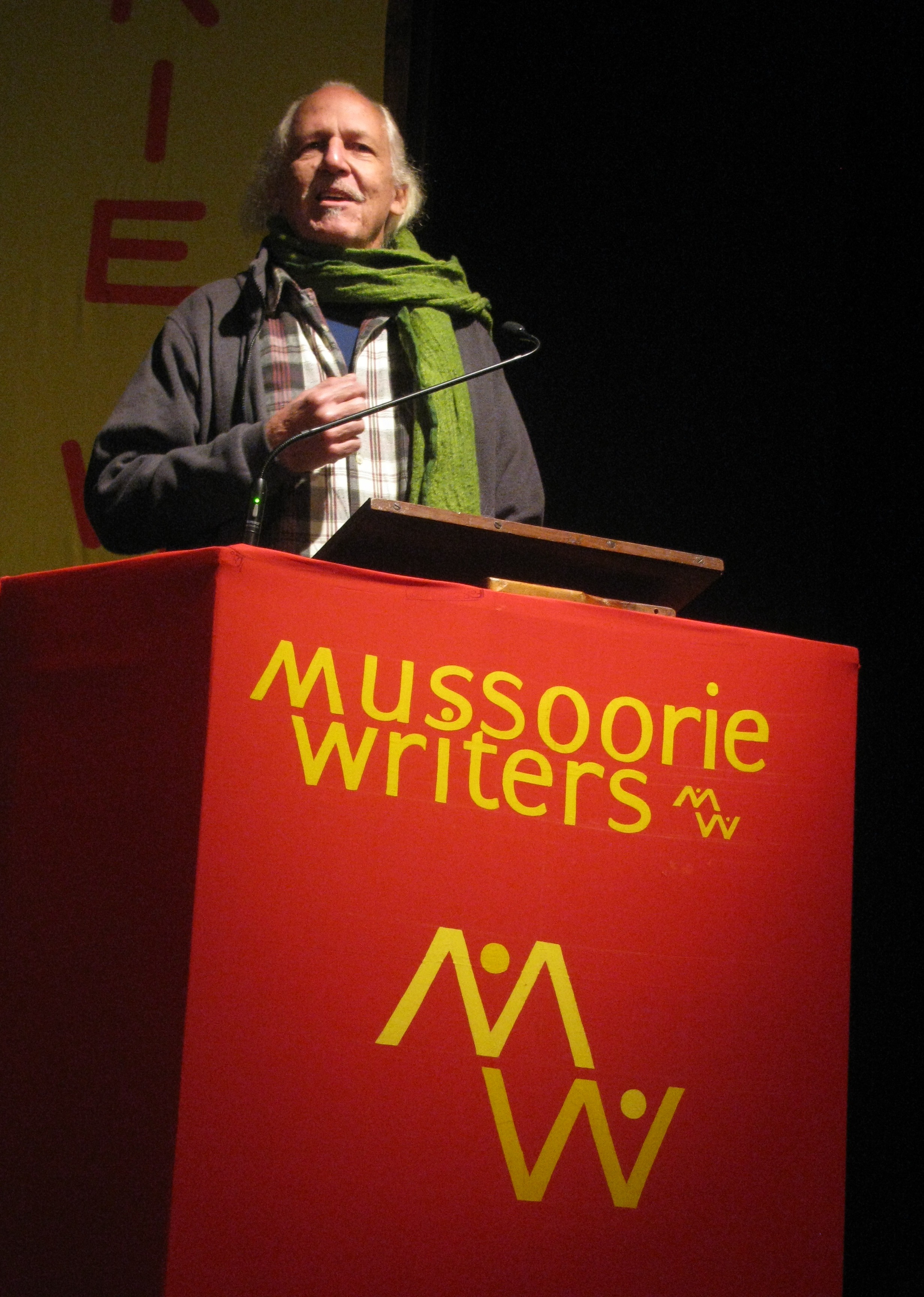
Romulus Whitaker (Photo: Shyam G Menon)

Romulus Whitaker (Photo: Shyam G Menon)

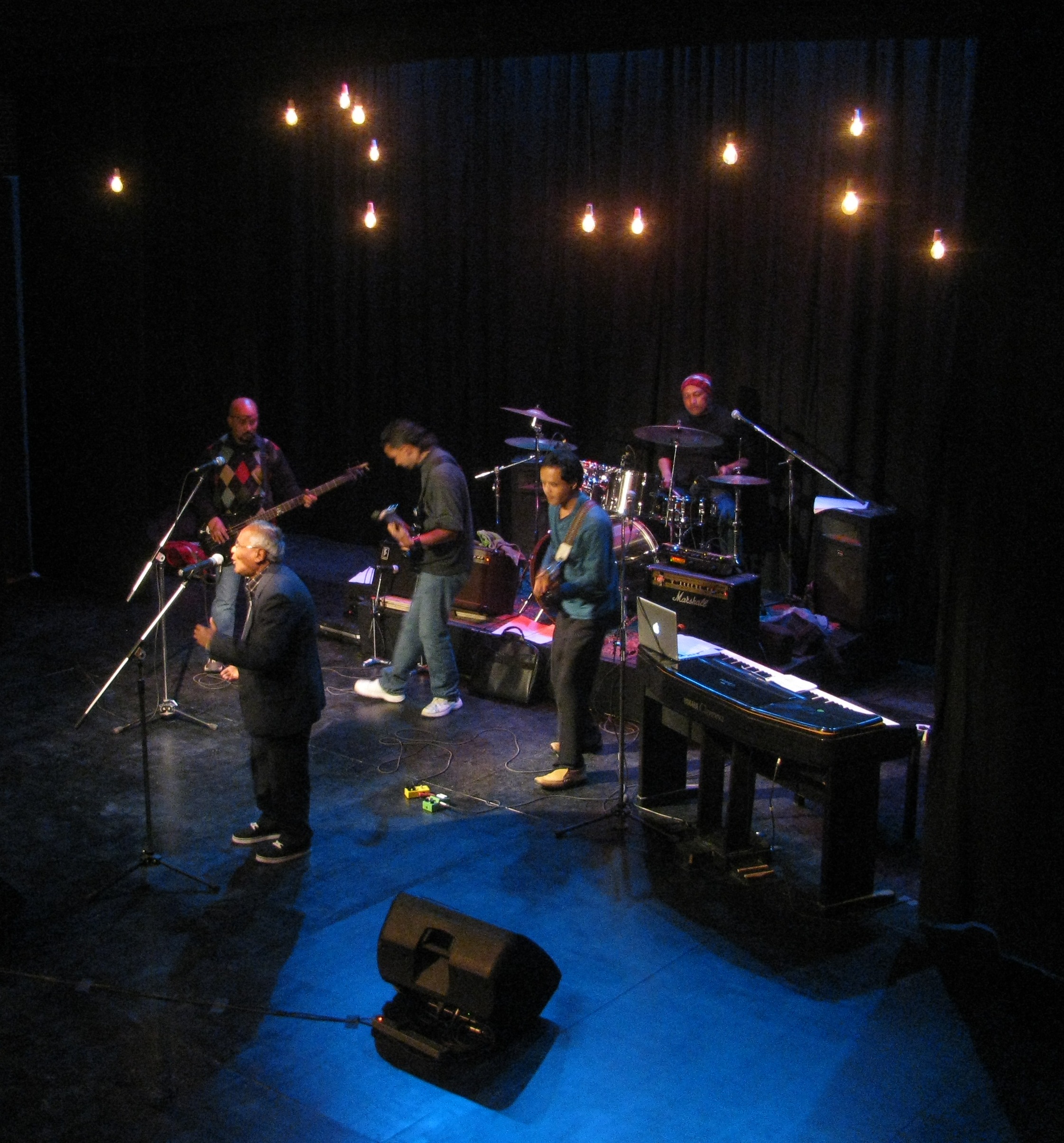
In 2013 – the festival trifle bigger and shifted wholly to the school’s Parker Hall – I walked to the venue through an exhibition of Thangka paintings by the Nepali artiste Ayush Yonjan. Evenings brought on stage, a band from the hill town of Shillong in North East India. They sang songs from the 1950s and 1960s.

In between we had a host of speakers, among them – Krzysztof Wielicki, William Dalrymple, Romulus Whitaker, Janaki Lenin, John Gans, Mark Vermeal, Simon Beames, Mamang Dai, E. Theophilus, Omair Ahmed, Dawa Steven Sherpa, Allan Sealy, Sejal Worah, Daniele Nardi, D.R. Purohit, Jeph Mathias, Kaaren Mathias, Tara Douglas, Maria Cofey, Peter Smetacek, Neela Venkatraman, Freddie Wilkinson and Deborah Baker. The topics spanned history to wildlife, experiential education, poetry, mountains, mountaineering, photography, river journeys and butterflies.

The band from Shillong (Photo: Shyam G Menon)

The band from Shillong (Photo: Shyam G Menon)

As before, the festival was anchored by author, Stephen Alter and his team, including those from the school’s Hanifl Centre for Outdoor and Environmental Study. It was supported by the Winterline Foundation, begun by Woodstock alumni.

No doubt, all that engaged. But In 2013, my take away was Diemberger’s comment on film. I guess my personal set of circumstances, my private funk in climbing was waiting for it. Like a bullet to invincible images on stained glass, the comment demolished the intervening interpretation of climbing by distinction and let nature in. I imagined speed climber distracted by the changed ambiance, sitting down to admire the world from a mountain slope. Something has snapped in him. He thinks – how about a tent, a warm cup of tea, some love and affection, the slow life?

(The author, Shyam G Menon, is a freelance journalist based in Mumbai.)


A DIWALI MORNING

Illustration: Shyam G Menon

Illustration: Shyam G Menon

Sharp 7AM.

My hard earned dream crumbled.

A whole film of imagined life stopped playing with that cracker blast announcing Diwali.

Lights came on in the theatre. I stirred in the seat I had snugly settled into, rubbed my eyes and gazed back at the projection room. Despite my best attempts, those shafts of light failed to return. Damn! What had I been doing? Was I singing to the heroine? Was I lone ranger on wild landscape? Was I delivering an inspiring speech? Hell, there was neither memory of where I had been nor depth of sleep remaining to transport self to oyster of imagination. It was all truly shattered.

A second blast went off.

I was now one hundred per cent awake.

I stay on the ground floor. The faint smell of burning chemical – that unmistakable smell of Diwali – drifted in. “ Happy Diwali,’’ I mumbled to myself and pressed my face into the pillow hoping that the harder I pressed my face into the foam, it would become a bomb-proof, puffy barrier shielding me from the nuisance outside the window. A third cracker went off, this one with a hiss and a fizz, a bang gone dud. “ Bet that was a quality certified manufacturer,’’ I muttered, recalling the emergent claim in cracker advertisements.

The kid wasn’t discouraged.

I heard the sound of feet shuffling outside. His movements paused as he focused on lighting the next cracker, lovingly packaged a thousand kilometres away and dispatched here to blow up my sleep. Was he writing: ` to uncle with love’ on it before going bang? Then I heard him sprint to safety. I looked at the ceiling: would it be bang gone dud or BANG? The question mark felt like that infamous scene of Russian roulette from `The Deer Hunter.’ With Indian quality standards, claimed certification to boot, you could never be sure how the next blast would be. I held my breath; counted the seconds. Then I hit the pillow. BOOM! This one shook me. I was now sitting on the bed, my hair on end like Dr Emmet Brown from `Back to The Future.’  I could visualize a piece of burnt paper scribbled ` to uncle with love,’ drifting down from the ceiling in Diwali-smelling room.

I don’t burst crackers.

From the balcony, I briefly watched the proceedings. The kid had been joined by his friends. Against a background score of blasts laced by shouts of appreciation to bangs delivered as such, I made some coffee. What to do? I turned on the computer. In the time taken for it to boot, I recalled a conversation overheard at Chembur station, the previous night. A Malayali man was explaining the scale of Diwali in these parts of India, to somebody back home. “ It is trifle dull this year. I guess common people don’t have money to splurge. Crackers are expensive. But everyone will be active tomorrow and day after, that’s for sure,’’ he said.

In India, a cracker is a frame of mind, like spicy food made hotter with chillies and more chillies. Reason escapes it. Over the past couple of days, Dalal Street, where the city’s stock brokers went, had been doing the same thing. The economy had done badly; politics was lousy, jobs were hard to come by, there was inflation on the streets, elections were due and if they cared – freelance journalist was on his last legs. Yet, Jeejeebhoy Towers, home to Mumbai’s stock exchange, boomed. What was it celebrating? I have no idea. Maybe I should interview the kid. I suspect his reasoning and the market’s would be the same.

The computer booted.

I logged in.

There was nothing on the mail; nobody saying hello. Diwali felt like bang gone dud. Or maybe, they were all busy celebrating and would get down to remembering world, later. Guess you got to be a kid bursting crackers or a trader on Dalal Street to feel BANG! BANG! on Diwali.

From a corner of the mind, `Kill Bill’ and Nancy Sinatra crept in.

Bang bang, he shot me down

Bang bang, I hit the ground

Bang bang, that awful sound

Bang, bang, my baby shot me down

I tuned into an Internet radio station. What should I listen to? Upstairs stayed silent, indifferent. Old faithful, I decided, and clicked on `blues,’ then, `blues rock.’ Lazer Lloyd sang “ why Mr Politician, why do you lie to me?’’  It seemed pretty apt for country sailing into elections. In my suburb, overlooking clusters of shops selling crackers were posters of local politicians supporting Diwali celebrations. They smiled like benevolent patriarchs. Or, gazed unsmilingly like visionaries deciding my tomorrow, certainly their profitable tomorrow. On the radio, Stevie Ray Vaughn, Joe Bonamassa, Gary Moore and Otis Taylor took stage. Then, Etta James belted out, “ the blues is my business and business is good.’’

I started typing this article.

The coffee soothed. The sentences formed. The blues struck a chord.

Suddenly, life seemed good.

Thank you kid for the wake up blast, I thought.

(The author, Shyam G Menon, is a freelance journalist based in Mumbai)

THE BUS STATION

Illustration: Shyam G Menon

Illustration: Shyam G Menon

Some years ago, a friend from Ladakh and I, were on our way from Uttarkashi to Delhi.

We travelled to Rishikesh in a packed jeep and from there, took a bus to Haridwar.

Upon reaching, we found that there were no buses just then to Delhi.

Trains were full and the only available tickets required patronizing the black market.

We decided to wait for a bus.

The bus station was the regular sort – dismal. It was located opposite Haridwar’s railway station and therefore in a rather busy part of town. We briefly walked around in the neighbourhood, had tea from a roadside vendor before the railway station and then settled down to wait at the bus station. These are the occasions when you indulge in India-watching. What’s that man doing? Isn’t that woman beautiful? Those people, dressed that way – where could they be from? What’s that vendor selling? Why do people have so many children? So on and so forth. I wondered what my Ladakhi friend made of the Haridwar environment, thick with people. Ladakh was vast desolate mountain landscape with few people. It was cold desert. As one of the least populous districts of India, his land was the absolute opposite of this congestion at the foothills of the Himalaya, where the plains lapped innocently at mountains’ feet not yet betraying the ocean of troubled life beyond the teasing waves. As you went more and more into the plains, crowd and congestion rose till India became crushing reality of huge population struggling for resources. Yet we never speak of our numbers. I had just begun freelancing then and in the years that followed, I would discover how averse even the Indian media was to being reminded of population as anything but market and potential GDP.

A bus, clearly not state transport type, drove into the station and stopped. A troupe of youngsters got out. One of them carried a drum. Ten minutes later, a street play ensued in the bus depot. It was on safe sex, HIV, population, family planning and so on. The people around watched, amused. Women pulled their saris over their faces and laughed shyly. Until some years ago sex was too touchy to discuss publicly in India. Babies happened. And when babies were a more conscious choice, it was packaged as human fulfilment, even cultural expression. Either way, every census returned more numbers of us. Who cared if we were drowning in all that fulfilment and expression? The street play went on for a while. When it concluded, the artistes treated themselves to tea, packed their props and returned to the bus. It drove off to new location somewhere else.

I couldn’t help admiring those young people.

They showed the courage to address something terribly important to India and grossly neglected by everyone from government ministers to common people. I also remember feeling sad – for nobody and by that I mean nobody, will ever tell those young people how critical they were for public awareness. In contemporary Indian imagination only losers do what those youngsters did. Winners find profitable careers; make money, have babies, leave India – so on. When aspiration is the stuff of escaping the drowning, who wants to plug the deluge? If you want to do anything sensible, you must be prepared to live with the stigma of being loser. I hope those young men and women find the resources to endure it.

The bus to Delhi arrived.

Hours later, we reached India’s capital.

From Delhi, my friend left for Ladakh.

I returned to Mumbai.

Recently, Business Standard – a well known Indian financial newspaper – reported on an Oxfam study alerting the world to the average price of staple foods like wheat and maize doubling worldwide by 2030 (http://www.business-standard.com/article/markets/world-stares-at-doubling-of-food-prices-by-2030-113101501088_1.html). Some of us may find that too conservative, for in our own lifetime we saw prices shoot up more. The scorching price of onions was top news in India some weeks ago. Anyway – average prices doubling globally was Oxfam’s estimate and they attributed the scenario to a host of factors ranging from climate change to high population, falling productivity in agriculture and cultivable land diverted for crops other than food courtesy market forces. The main cause and probably the most immediate of all causes cited, was climate change. But think a bit and you will see behind it, the ways of a giant population. We and our ways worldwide contributed in no small measure to climate change. We can’t dissociate ourselves from adverse weather phenomena. We cannot also dissociate ourselves from the ways of the commodity markets. Today on the planet, we are a global population of over seven billion people plus the habits and aspirations of that many. We will exceed nine billion people globally by 2050. Our demand for food is projected to rise by 70 per cent. As yet, we don’t seem to have good enough answers or leadership for what potentially lay ahead. The forecast on sharp rise in food-demand is when we don’t have the will despite our existing predicament, to stop the rotting of food for want of proper storage. Not to mention, each one of us thinks we deserve family; the undeserving is someone else. The big picture engages none. Maybe, it exhausts everybody. The price of continued disinterest in the big picture can be steep. It isn’t about food alone. It is also about what people will do to get food; the potential for conflict therein.

Earth seems a bus station needing a street play.

Nobody wants to lose tackling a difficult truth.

The easy win, attracts.

I wonder where those youngsters are.

(The author, Shyam G Menon, is a freelance journalist based in Mumbai.)

IN THE SPOTLIGHT

Illustration: Shyam G Menon

Illustration: Shyam G Menon

We were around seventy people killing time in a large, bare classroom at a school in suburban Mumbai.

Every fifteen minutes or so, a group of volunteers would come and whisk off two or three from the room. At regular intervals, a round of applause, sometimes shouts of encouragement, reverberated from the outside. Fervent shouting meant the competitor was battling in the arena, sustained applause meant he had done damn well. Once in a while, a moan would emanate. Its meaning was well known and dreaded.

What would my fate be? I thought.

Barring another person – a veteran climber – everyone else in the room seemed well below thirty years of age. They were mostly college students or youth in their twenties, early twenties. Preparation had been diligent and designed to peak for the zonal climbing competition. Fit gladiators, all. A lot of people in the room were shaking out their limbs, limbering up or trying to focus. Once in a while somebody would get up and trot around the room, a few hops and stretches added for warm-up. Occasionally the door frame attracted and a climber or two did pull-ups. The person next to me was wiping his climbing shoes. He cleaned every nook and cranny of its sticky rubber; then inspected it closely to make sure. What if one particle of dust was what made the difference?

Here and there in the room, the people with the best chances relaxed in a heap of cronies. It was funny – anyone capable in India became an emperor. There was careful pattern to the talk of king and crony. The hangers on would massage the champion climbers’ ego – “ you are a wizard; you are strong,’’ so on and so forth. The champions in turn did that old feudal trick of courting the underdog. They would cite inadequate practice and better preparation by foes. Everyone wanted to win, badly so. From the quiet ones preparing in their minds for battle to the hangers on enticing the champs up cliffs of sycophancy to the champs fighting off the unwanted adulation – all wanted to win. Why not? We live in the age of ambition and competition.

I knew most people in the room but didn’t have anyone to really connect to. I was in my late thirties then, average climber and participating in the zonal competition partly to find out if I could belong to climbing at such level and partly to challenge the negativity in my head. I had wanted to take part in the competition but didn’t feel like because I was sure I would place at the bottom. Who wants a bottom dweller? But that seemed a case of me being unfair unto me, plus fear of failure.

So in I went.

Those days, every weekend was spent climbing. Soon after I registered for the competition, preparations began. I had to do what I could. I was employed at a newspaper. After work, I frequented a friend’s house to train. Abhijit Burman aka Bong had a tiny climbing wall made of a single plywood sheet fitted with artificial holds. This was his old house, before he acquired a new place where he built a wall such that he seemed to be living under it. And that was before he lost his living space to climbers moved in to live under his wall! I trained my way. Young people do a lot of dynamic moves. It featured lunges and leaps. It was the popular climbing style. I was too much a bag of injuries to risk that. Besides I didn’t like dynamic moves. They make for great visual. But outside competition environment and pre-protected sport routes, most climbers wouldn’t do it. Yet that’s what competitions strive to be – great visual. It is activity squeezed into spectacle format. Without it where’s the fun for participant and arena? Not to mention business model, for media and sponsors don’t go where there isn’t spectacle. All sports therefore have their competitive half. We may have run originally as hunters engaged in lengthy pursuit of prey. But there is no competition on the planet more engaging than ascertaining who is the fastest runner around even if you can hold that pace for only less than ten seconds. The stadiums of ancient Greece and the arenas of ancient Rome are thus among the longest standing truths about human behavior. They have since hardened into markets deciding how sport should be. My upcoming zonal competition was a tiny, tiny version of that legacy by market.

Twice or thrice every week, I finished work early and took the suburban train to my friend’s house for an hour or two on his climbing wall. On the day of competition, parked in that classroom of gladiators, I knew my efforts to prepare had been very little compared to the training and goals in my neighborhood. So I kept quiet and rested. Till the numbers in the room dwindled and the airy classroom was so thick with the wait that it started to suffocate like a prison. The bars on the windows looked like the burly rods of a jail. I had sat in chambers like this before when I was a regular competitor at college in extempore speech contests. You went through a period of isolation before the competition but that was rarely for more than an hour, including five minutes to prepare once topic was given in isolation within isolation. With seventy climbers listed and mine being the last number to be called, it was a wait from morning till evening. I was mad with restlessness by the time I reported at the wall. Forget the climbing wall; I could have walked through brick and concrete to taste freedom.

A voice announced my name on the loudspeaker. I fastened my harness, picked up my chalk bag and approached the wall. I was nervous. I don’t know how competitors manage to wave to crowds and such. My deduction now is – they wave to get the nervousness over and done with. Once the world is acknowledged and elegantly pushed out of your head, all that remains is climbing. My head was full of several worlds asking – what the hell are you doing here? A few of my friends cheered and the sound system switched to loud, thumping Hindi film music. People started clapping in anticipation of spectacle. I made a threaded figure of eight on the rope incorporating my harness loop also into it. Its safety knot locked off like a mute button silencing surrounding world.

Now there was no escape.

What next for reluctant warrior?

Suddenly my average climbing ability was all over me and embarrassingly so, for I had additionally walked into the spotlight. It was like being on the poster of `Chicago’ with no dancing skills at hand. I could imagine the flair shown by the others. The youngsters would have danced and pirouetted their way up from hold to hold. That’s what all those ovations I heard in isolation had been.

They must have been fantastic.

Will I be as good as them? The well trained climber, having prepared for weeks, works his way elegantly from hold to hold up the wall, till on that roof high above the ground – oh watch this ladies and gentlemen – he executes a one hand-hang, rests a while in a figure of four, chalks up his hands, shows off the power in his abs as he assumes the horizontal, calmly clears the roof and waltzes his way to the top!

Applause!

In retrospect and after watching several competitions, I have realized that aside from being a great climber, a winner on the wall is usually someone who can channel the encouragement from the audience into a positive flow of energy for climbing. Someone who enjoys climbing and who just enjoyed it better given all those people sitting around. You just shouldn’t get shaken up. My existence was different. I enjoyed climbing; climbing at my pace. I didn’t enjoy people as easily. At the wall, I was shaken and stirred, down to the tip of my roots. And my thought at that point was – what the hell am I doing here? I just didn’t believe that I could do anything. I didn’t study the route properly and all I remember is mumbling my readiness to the person belaying. Then I blindly climbed a few moves up, found myself wrong footed for the next move and lost interest.

I came off the wall.

A moan of disappointment went up from the audience. But it didn’t linger long. A new song blared loud on the sound system. The competition had concluded and it was now time for the results. I knew where I stood in the list. I quietly packed my rucksack and left the scene. Some weeks later, Bong, who had been part of the competition’s organizing team, handed me a certificate that said I had taken part in the zonal. It is there, somewhere in my cupboard.

The day after the competition, I was back to being newspaper reporter in Mumbai’s rat race. Save one friend at work, nobody knew where I had been. Several months after this competition, I participated in another one. It was far more informal and internal to my climbing club. It was on natural rock. I finished a respectable fourth I think, in that much less challenging field.

I have since taken a clean break from competitions.

Fourth place seemed apt for honorable exit!

(The author, Shyam G Menon, is a freelance journalist based in Mumbai. The zonal competition mentioned in this article happened several years ago.)

COFFEE WITH THE BEAST

Illustration: Shyam G Menon

Illustration: Shyam G Menon

Several months ago, we were walking around Matunga in Mumbai when near Madras Cafe and Mysore Cafe we hit a zone filled with the aroma of filter coffee.

I like coffee.                                 

I could have tracked the aroma like a sniffer dog to the origin.

Imagine a man sniffing so and finding his way straight into a cafe, onto a chair, maybe all the way into the kitchen, into the coffee section and right next to the person making coffee. The person turns around and finds a face close to him that is all nostrils flared to smell and eyes shut contemplating visions inspired by the aroma! Startled – depending on his nerves, that may be an understatement of likely reaction. Like many good things in life monetized by man to beyond reach, coffee too is increasingly the stuff of world apart. Tracking coffee’s aroma could mean invitation to puncture your purse handsomely. These days, memories of my airport nightmares with coffee intervene and discipline the olfactory excitement. A cup of coffee costs over a hundred bucks at the airport. For no good reason save long held perception of air travel as sign of success – that’s the tragedy. Bigger tragedy is that there are people willing to, often craving to, indulge such imagery.

The aroma of coffee at Matunga first reminded me of the tricky airport. Then, it provoked anticipation of fancy coffee shop packed with youngsters enjoying more pocket money than I earned as income. We called it new India. Time to look away – I told myself. That was when I saw a board on the pavement saying `kaappi,’ which was how coffee was called in South India, where the brew had traditionally been popular. “ Hold on,’’ my senses ordered, checking the airport imagery. Board said ` kaappi’ not `cappuccino.’ It felt encouraging. This was probably an entrepreneur yet untouched by new India or someone defiantly opposing it, a revolutionary of the old order still fighting for the cause of affordable `kaappi.’ I went closer; a smaller sign within the shop said: introductory offer – filter coffee for ten rupees.

Red flag in the face of the airport bull!

I dove in.

My friend followed.

The shop was just a few days old. We settled into our chairs, appreciated the ten rupee-coffee and took in that outpost of a rapidly fading world. In my head a revolution bloomed. From that shop a movement for cheap coffee shall roll out onto the streets of Matunga, spread across Mumbai, shame those vendors at the airport and eventually warm a whole world. There was something fundamentally wrong in pricing the basic things of life so high and then calling it economic growth. I asked the young entrepreneur how much he would sell the coffee for, once the introductory phase got over. “ Maybe fifty?’’ he mused. I nearly spilled my filter coffee. Then I reasoned – revolution in new era would be different, pricier. Besides, fifty was better than hundred. In the preceding months, inflation having routed India’s ten and twenty rupee-currency notes had begun gnawing away hungrily at the edges of fifty, sending shivers down the spine of a hundred. Fifty rupees seemed okay although it made you wonder how expensive life until then would seem if viewed at current cost. Years ago at home in Kerala, I would ask for coffee or tea and it just appeared; no questions asked. Thousands of rupees had gone into keeping me alive. My parents must have struggled. Given our new consumerist ways, millions were probably going into keeping a new generation alive. The same way I never thought of all this when growing up, I am sure today’s youngsters don’t think of all this.

The aroma of coffee at Matunga first reminded me of the tricky airport. Then, it provoked anticipation of fancy coffee shop packed with youngsters enjoying more pocket money than I earned as income. We called it new India.

I resumed sipping the brew.

The shop was tiny.

If I walked six paces I would hit the wall.

“ Can’t you price a big cup for fifty and retain a smaller cup for ten, even twenty?’’ my friend asked.

“ That’s possible. But we have to pay forty thousand as rent here,’’ the young man said. I am recalling that figure from memory. Take it as near about.

My revolution died.

A populace roaring “kaappi, kaappi’’ was replaced by a muffled `kaappi’ lost amid roars of `cappuccino,’ `espresso,’ `Ethiopian,’ `Columbian’ and imported what not. The idea of `kaappi’ won’t lend itself it to ridiculous pricing to cover costs. The idea of fancy coffees will. That’s why they proliferate, even if it meant drinking the unfamiliar and saying: wow! I knew that everywhere in India, the beast of real estate lurked nearby. But still – for the sake of that young man, I felt like telling the beast, “ come on man give us a break!’’ I felt ashamed of the legacy of my generation; even that of my parents’ generation.  No matter what the reason, what legacy is it to have the beast shaping every step of the way? In India real estate was an absolutely cynical equation constantly benefiting from the country’s immense population. Packaged as great investment, it is essentially the cynical endorsement of a fundamental truth you need no brains to gauge. With so many standing on it, land automatically turned precious in India.  A roof above your head became a race with one’s purse, the needs of others and the speculation and avarice of more others who saw it as opportunistic investment. These trends shaped imagination and an Indian life had become the stuff of living by such opportunistic imagination. You could almost say – to be born, was to immediately abet opportunism for you represented a new set of wants in what was already a casino of wants. What legacy is it to suck the world clean of enjoyable life leaving mercantilism behind? Like residue on a kitchen sieve, a boring mercantile mentality would be the residue of our times should somebody sieve our existence.

I felt sorry for the young man. He wanted to serve us coffee. We wanted it too. It was such a simple thing. But all of us – customer and service provider – seemed alive in the wrong time for simplicity. The young man looked trifle uncertain as my friend quizzed him of plans ahead. “ Maybe I will sell fruits alongside. No; idli, vada and upma, some cookies too. I have a kitchen,’’ he said pointing to what seemed no more than a small stone slab fixed to the side wall. He had forty thousand to pay every month; plus raw material cost, labour cost and then, hopes of own income. It was a tall order. He smiled as he spoke. We smiled encouragingly.

Before we left, we wished him luck. 

I felt sorry for the young man. He wanted to serve us coffee. We wanted it too. It was such a simple thing. But all of us – customer and service provider – seemed alive in the wrong time for simplicity.

I wondered what the beast sipped – coffee; tea, cocoa, hot chocolate? If it had shape, I would have hit it with whatever I had – my bag, umbrella, whatever. But I knew that the beast would only be amused. It would turn around and ask, “ why hit me when self flagellation is what you need to do?’’ Outside the small shop, we melted into the evening’s whirlpool of people and traffic at King’s Circle. It resembled the swirls in a giant cup of frothy brew, stirred with spoon for someone to drink. I could imagine the beast readying for its invigorating, daily sip of crowded, congested us. We were its affordable ` kaappi.’ Thanks to us, its ways seemed guaranteed.

A week ago, I walked by the same place in Matunga.

Neither young man nor coffee shop was around.

(The author, Shyam G Menon, is a freelance journalist based in Mumbai. A smaller version of this article was published in The Hindu Business Line newspaper.)