
First Indian woman runner to complete Grandmaster Quest of Asian Trail Master
In May 2026 Bengaluru-based Ashwini Ganapathi Bhat stepped into unchartered territory to became the first Indian woman runner to complete the Grandmaster Quest of the Asian Trail Master.
The Grandmaster Quest entails running six races from the Asian Trail Master calendar that is of minimum 70 kilometres or has an elevation gain of at least 4,500 metres. The quest has to be completed within two years of the first race. One of the races has to be outside the resident country of the runner.
Ashwini has been into ultrarunning for several years. She has secured podium positions in many of the races that she has participated. She holds the national record for the maximum distance in backyard ultra. In 2025, she ran the Bengaluru BigFoot Backyard Ultra for 28 hours notching up a total mileage of 187.6 km, surpassing the previous national best of 180.9 km set by Aparna Choudhary. (For more on this follow this link https://shyamgopan.com/2025/06/03/backyard-ultra-opendro-wins-ashwini-sets-a-new-national-best/).
Ashwini is in the process of figuring out trail running. “Being out there with nature is my life’s calling. I have done many road and stadium ultras but I don’t think I have enjoyed as much in a trail run,” she said.
The joy, according to her, of running a trail race is pristine pure. “Trail running humbles us. We have to climb a hill if it is a part of the route. Mountains don’t care what background we come from,” she said.
Ashwini is not focussed on performance metrics.
She describes trail running as both humbling and equalising. “Mountains don’t care about your background. You climb because the route demands it,” she said.
Ashwini came across the concept of the Grandmaster Quest at the Asian Trail Masters a few years ago while volunteering at Malnad Ultra. The initial curiosity soon gave way to serious planning. She attempted one of the races and decided to follow them through to complete the Quest.
Silabur Ultra Trail at Sarawak, Malaysia on May 4, 2024 – 100 km with 1,800 metres elevation gain
Ashwini finished 6th among 31 women and 17th overall of 120 starters. Completed the race in 19:15 hours against the cut-off of 33 hours.
“I landed at the venue three days before the event. Silabur has many caves. The trail route took us through deep jungles and two caves. I was very much looking forward to new landscapes and experiences hiking through new terrain,” she said. At around 60 km mark, the route turns back for another 40 km to the finish line. At this point runners get access to their drop bags. “It rained when I was at around 60 km. I changed my clothes and set out to finish the remaining 40 km,” she said.
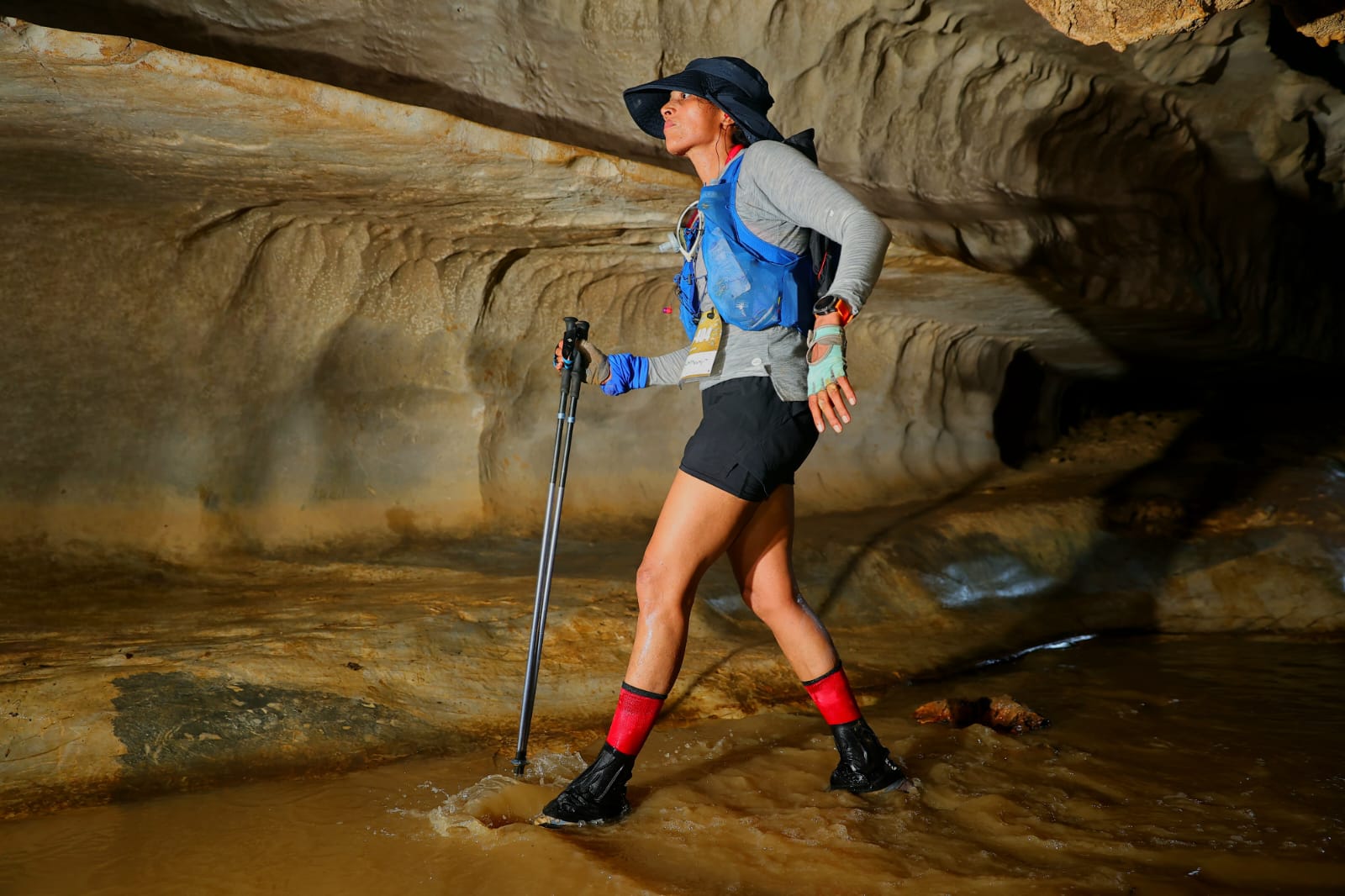
One of the biggest challenges was the weather – hot and humid. The race, originally slated to start at 10 am, commenced at 10:30 am because of the delay in checking runners’ mandatory gear by the officials of the event. Runners were mandated to carry a few items including head lamp, collapsible drinking cup, blinker lights and about 600 calories of food.
“I reached the start line at 8 am. Waiting for the race to commence, I was completely drenched in sweat,” she said.
The route wound through huge sections of palm plantations with gravel and not a trail path. “That is always the hardest for me in a trail ultra. They are gnarly and we had 10 km of that from around the second or the third kilometre,” she said. Ashwini managed to chug along until the 60th km, when she changed her clothes but did not change her shoes. “That decision came to bite me later. I ended up with blisters in my feet. It also started raining and we had to navigate through a couple of streams in the dark. This race taught me that I have to take care of everything, including my feet too and early before things got out of control,” she said.
The last 15 km of this race was an ordeal due to the blisters. “I had nothing in my bag to take care of the blisters. That’s how inexperienced I was,” she said.
When interviewed by Kris Van De Velde, founder of Asian Trail Master, before the start of the race, about her goal for the race, Ashwini said she is here to enjoy the race and finish it strong with no major issues.
This race had a couple of intermediate cut-offs. Malaysia and Indonesia have a huge number of trail races and fairly large participation of recreational trail runners. Malaysian races have lenient cut-offs, Ashwini pointed out.
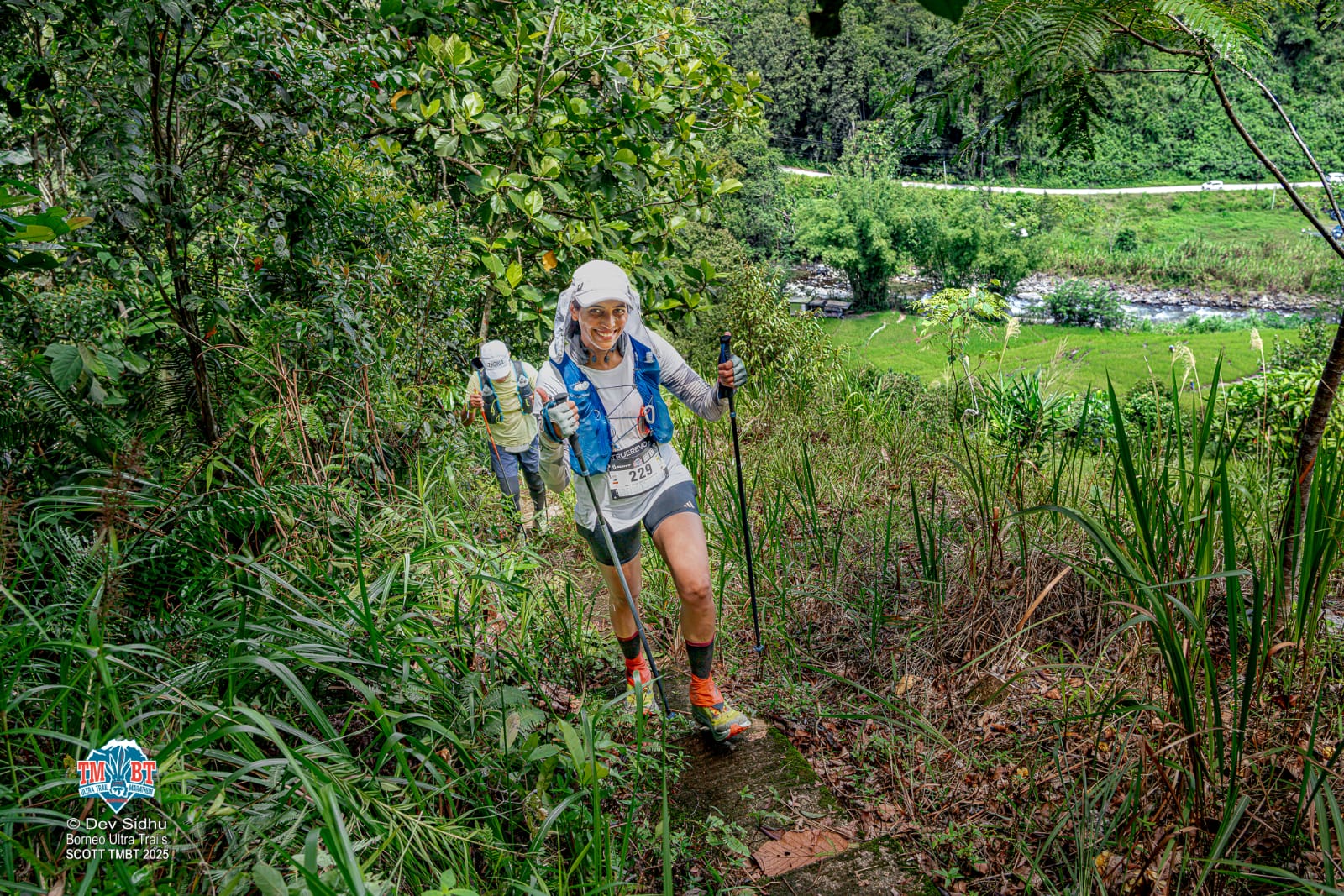
Being a vegetarian, Ashwini has to ensure that she has food with herself as most aid stations offer warm non-vegetarian food along with a selection of fruits and electrolyte drinks. “I mostly rely on gels. About 75 percent of my fuel is gels. I do carry dates, chips, salted peanuts and chocolates,” she said.
Also, one has to work around electrolyte drinks in training itself as electrolyte drink offered at aid stations may not necessary suit every runner.
This was Ashwini’s second international run, the first one being the 60 km Everest Ultra in 2022.The event entails first hiking up to the Everest Base Camp and then do the run with an overall elevation gain of 2,200 metres. She was the only finisher among 19 runners that year.
Bali Mountain Marathon (previously Bali Ultra Trail) at Bali, Indonesia on August 3, 2024 – 80 km with 4,600 meters elevation gain
Ashwini finished fourth among 20 women and 14th overall. Completed the race in 17:18 hours against the cut-off of 23 hours
The race was held in one of the most picturesque islands in Bali. “We were actually inside a crater and within that a mountain that we needed to circumvent as part of the route,” Ashwini said.
“It was a breathtaking experience. We had to start from the edge of the crater, go inside the crater, climb a mountain and then get down on the other side and go to the end of island to hit the ocean and come back,” she said.
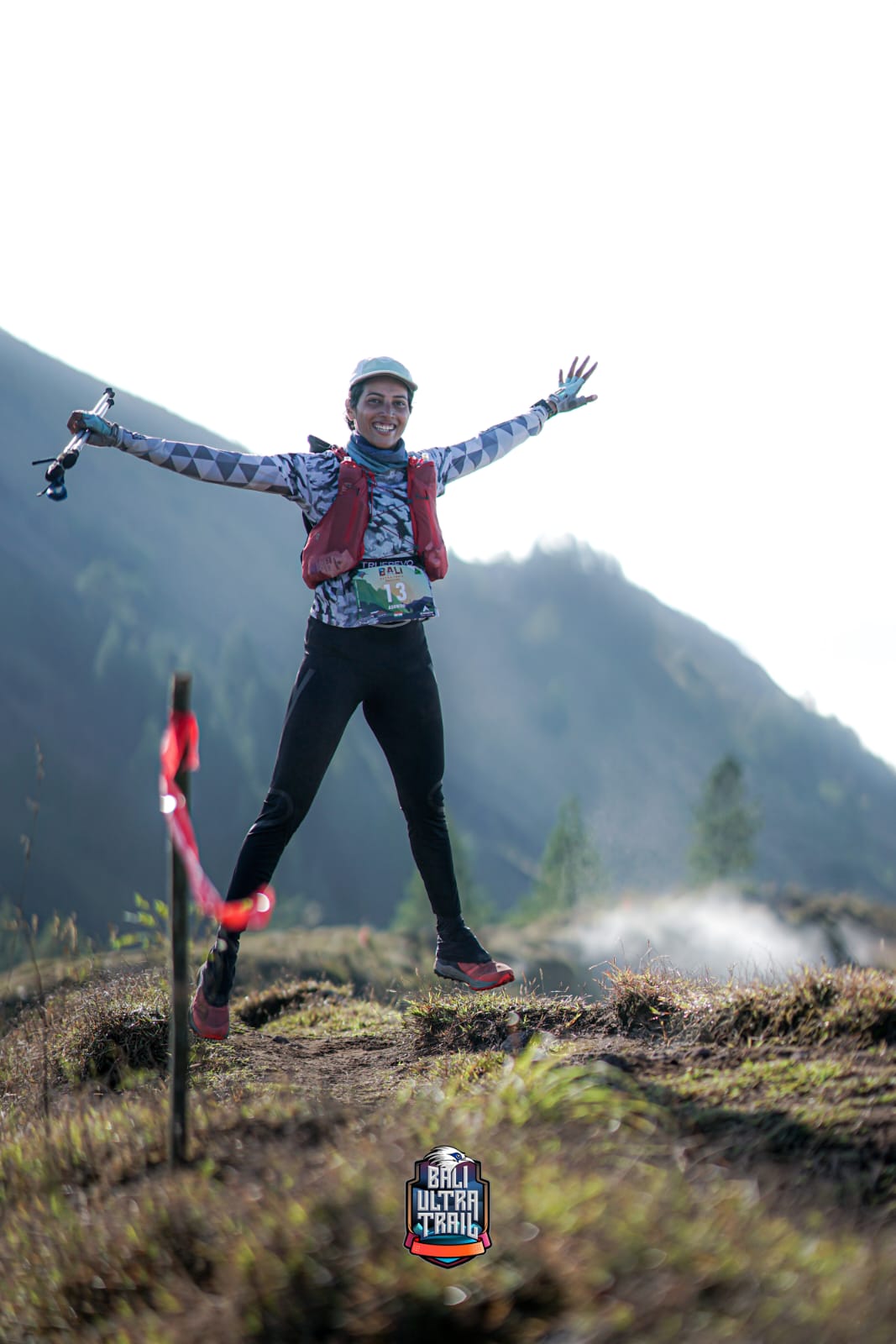
The biggest challenge in this race was the terrain. “It had a lot of volcanic scree and sandy stretches. Also, it was hotter and more humid than Malaysia. Of the 80 km stretch, about 5 km had tree cover, rest of the route was open to the skies,” she said.
While doing this race, Ashwini realised that she needs to put in some systematic training to improve her performance. In September 2024, she joined Invictus Performance Lab.
“Trail running really tests the body. In trail running, one places excess load on one side because of the terrain. Therefore, unilateral training for those joints is important for trail running,” she said.
Ashwini believes that the strength training and experimentation with nutrition and hydration with the help of Invictus has benefited her immensely.
“All the races that I do involve several hours. Even the shortest ones require 17 to 18 hours. At Invictus, I am given inputs on what kind of fuels I should try,” she said.
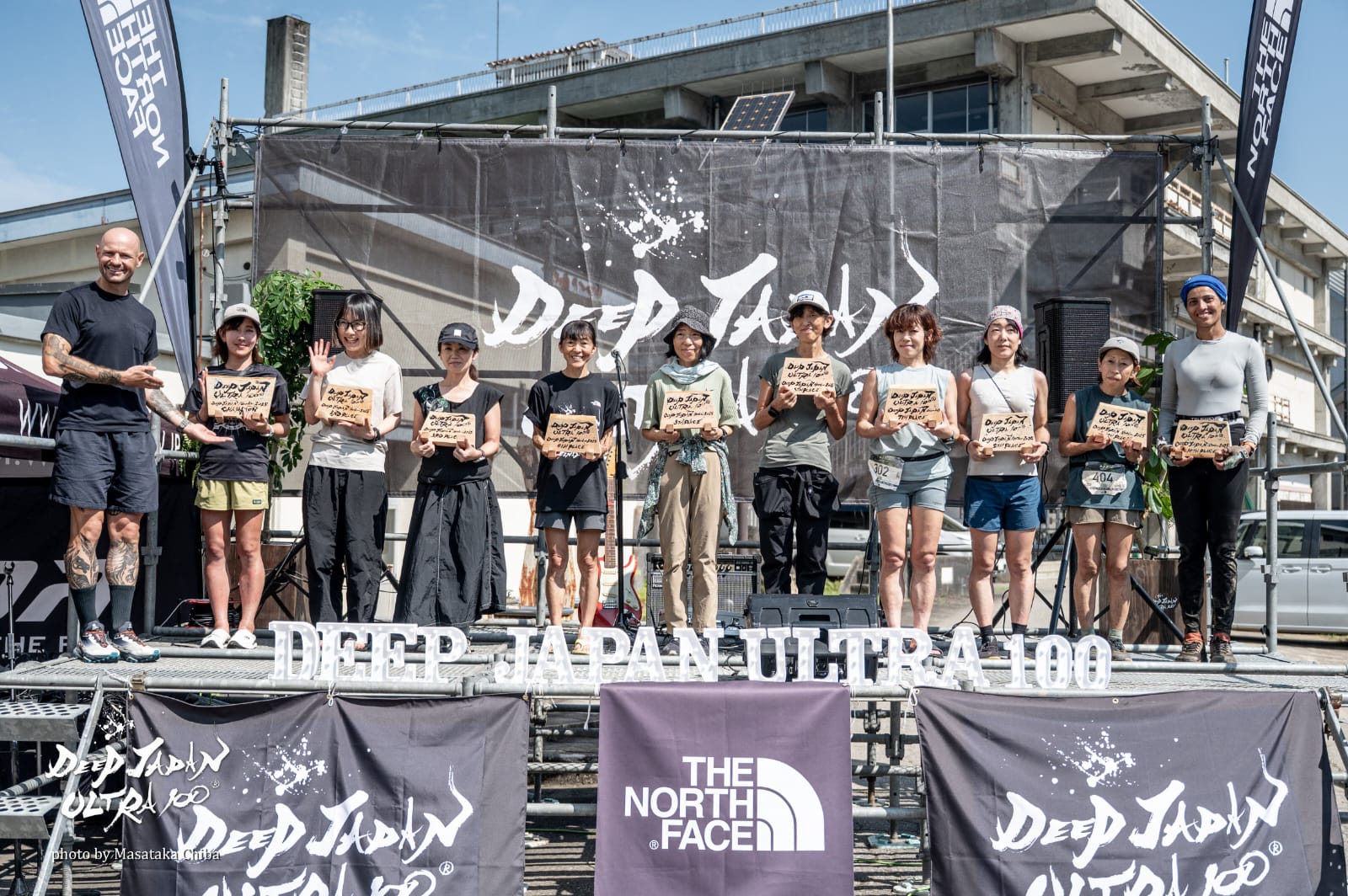
Deep Japan Ultra at Niigata, Japan on June 27, 2025 – 174 km with 9,300 metre elevation gain
Ashwini finished 10th among 12 women and 60th among 126 starters. Completed the race in 45:43 hours against the 46-hour cut-off
In January 2025, Ashwini signed up for a 100-miler trail run in the US. She travelled to California and ran 81 km of the race but the event was cancelled thereafter because of a storm.
The Japan ultra trail became Ashwini’s first 100 miler in trail.
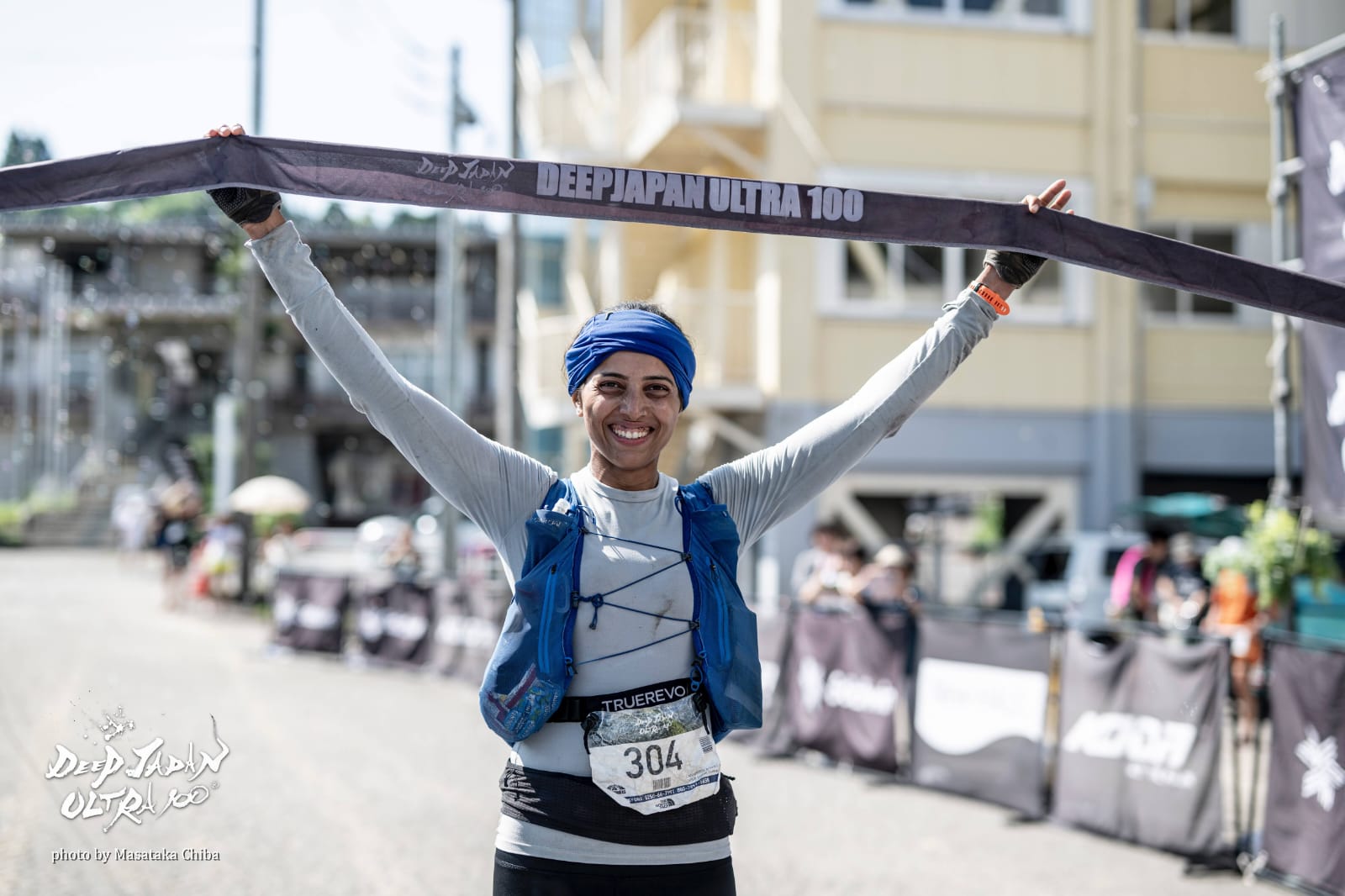
“It was the hardest race I have done so far. It was brutal. We had to climb three different mountains with 9,300 metres of elevation gain. The terrain was quite technical. There were snow patches in one of the mountains that we had to climb it from three different directions,” she said.
The downhill paths were slippery and rocky, with tree roots sticking out everywhere. “In some sections, we even had to use ropes to get down, which made me question if this was trail running at all,” she said.
This race had eight intermediate cut-offs and a final cut-off of 46 hours. “In the initial part of the race, I was chasing the cut-offs. I was well ahead of time in the first five cut-offs,” she said.
At the end of about 28 hours, Ashwini was not able to consume any food. “I was quite exhausted and my energy levels were declining because I wasn’t able to eat anything. It was quite warm. I did contemplate quitting the race twice. But when we are on a mountain we can’t quit. We have to get to an aid station to quit,” she said.
Sleep deprivation, exhaustion, and the sheer magnitude of the climbs started to take a toll.
At that point, she was heading into the longest stretch of the race, with the next aid station 27 kilometres away. Knowing what lay ahead, she had filled her soft flasks & hydration bladder to the brim, carrying 2.5 litres of water, aware she would need every drop to get through the next six to seven hours.
Because it was a long race, the organisers had mandated that runners also carry a satellite phone, tracking device and a power bank to charge these devices periodically. These were in addition to the other mandatory gear that runners were required to carry. Ashwini was carrying nearly 6 kgs in her running vest apart from her own race nutrition.
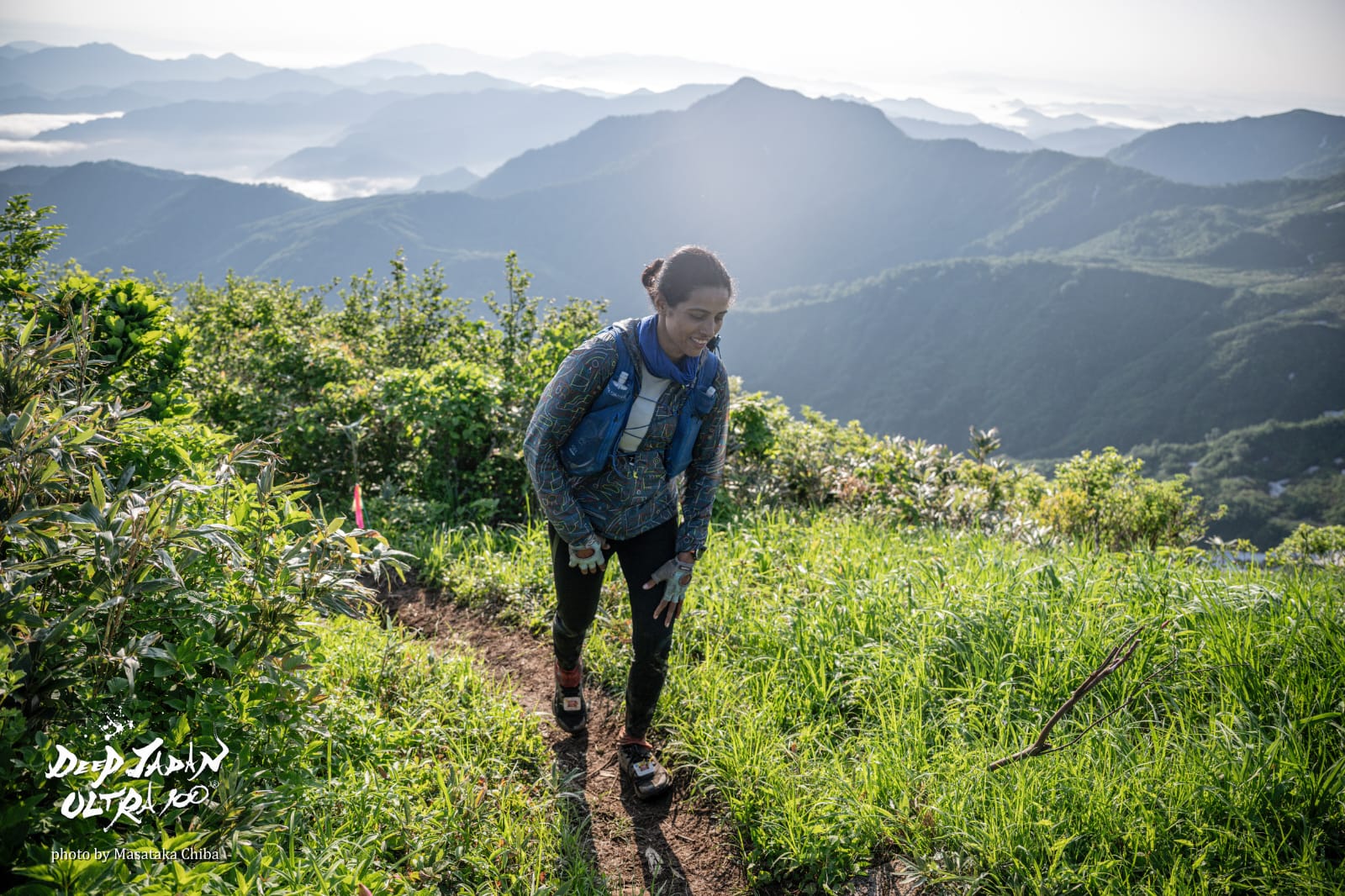
“For about 5 to 6 hours I kept going. My plan was to go to an aid station and quit the race. It was really the defining moment of my entire running life. Questions started cropping up in my mind, “how badly do I want it?”. The fact that my husband was going to be at the finish line helped me stay focussed on the race,” she said.
She did not give up and finished the race 17 minutes before the cut-off. She was the first non-Japanese finisher that year. With this race, she also became the first Indian women to complete a single stage 100 miler trace race.
The Most Beautiful Thing at Sabah, Malaysia on August 30, 2025 – 109 km with 5,500 meters elevation gain
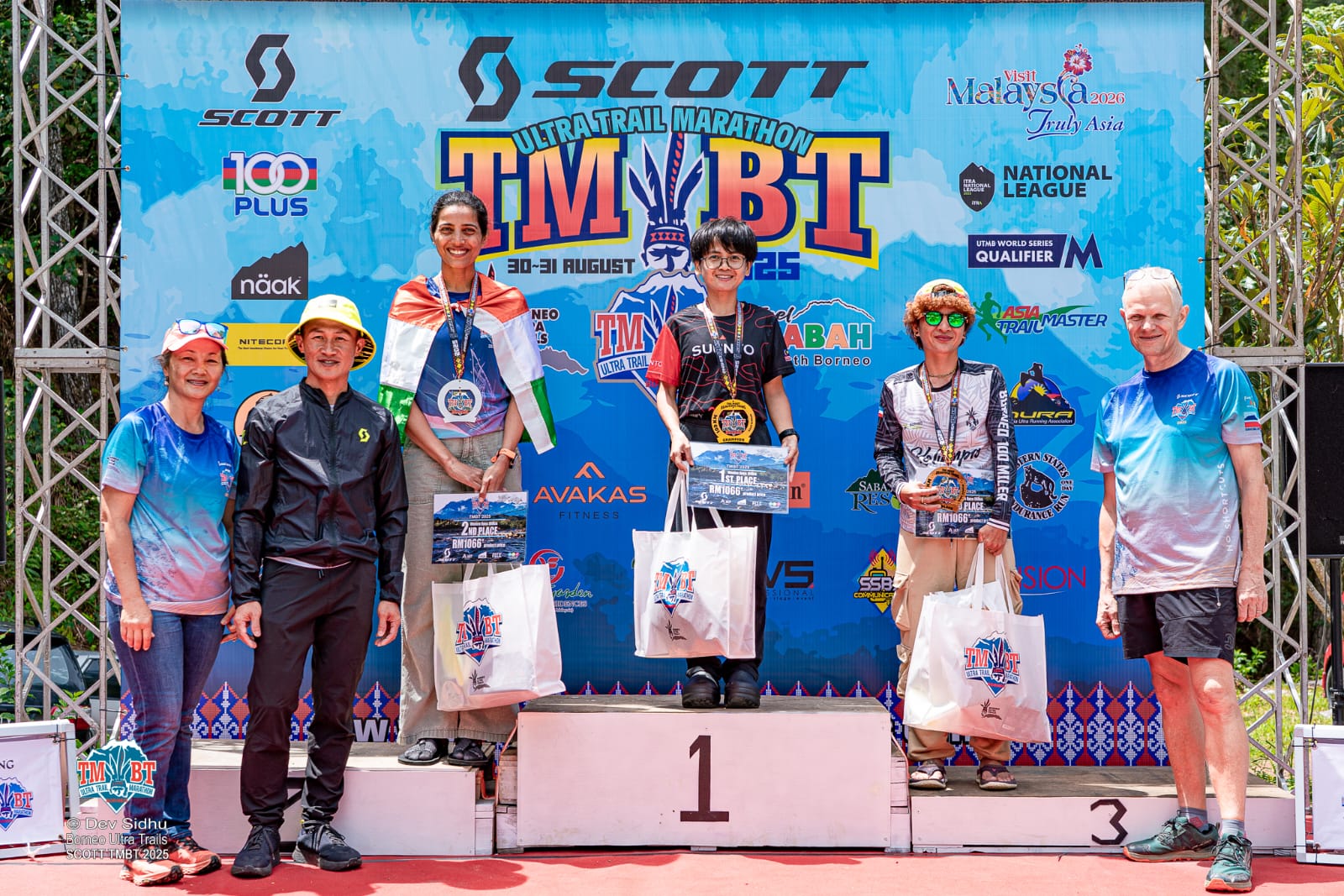
Ashwini finished second among 66 women and 14th among 279 starters. Completed in 21:18 hours against the cut-off of 33 hours
The event is called The Most Beautiful Thing as the route circumnavigates the highest mountain of Malaysia & Borneo – Mount Kinabalu. Sabah’s jungles promised heat, humidity, relentless climbs, and technical descents.
Yet, as Ashwini lined up for the 5 am start, things felt different this time.
In the initial part of the race Ashwini enjoyed the scenic moments capturing many photos and videos of the route. She was almost at the end of the pack of runners. At 60 km point, she changed into fresh clothes and had her food. At the next aid station she was told that she was in the 8th position among women. “I had another 35 km to go. It was 9 pm and I feel good running at night. I started running and as I went along I was overtaking many runners. Around 86 km mark I saw one female runner. Keeping her as a target I continued along,” she said.
At the last aid station with just 11 km to go, Ashwini realised that she had come up to second position among women. “The remaining 11 km was completely uphill. I just power hiked my way to the finish. The woman I was tracking finished 35 minutes ahead of me,” said Ashwini.
“This race helped me realise that I have the potential to do well. I felt confident,” she said. She finished in a little over 21 hours against the cut-off of 33 hours.
Vietnam Trail Marathon at Mộc Châu, Vietnam on January 31, 2026 – 70 km with 2,900 metres elevation gain
Ashwini finished 14th among 60 women and 69th among 535 starters. Completed the race in 10:21 hours against the cut-off of 18 hours.
In January 2026, a couple of weeks ahead of the Vietnam race, Ashwini ran the 90 km race of Vagamon Ultrail in Kerala as a practice run. “I decided to use Vagamon as a good training run considering it was of similar distance and elevation to the Vietnam event. But at 10 km point in the race, I twisted my right ankle. It was painful and I limped along for about a kilometre,” she said.
At the aid station she checked her foot and decided to continue the race. Her right ankle had swelled up but she felt no pain.
In the weeks leading up to Vietnam, she cut back her running to about 20 km a week. Instead, she spent time on the stationary bike and followed the plan set by her physio at Invictus. With rehab, support, and some help from taping, she made it to the start line feeling stronger, even if she knew she might not be at her best.
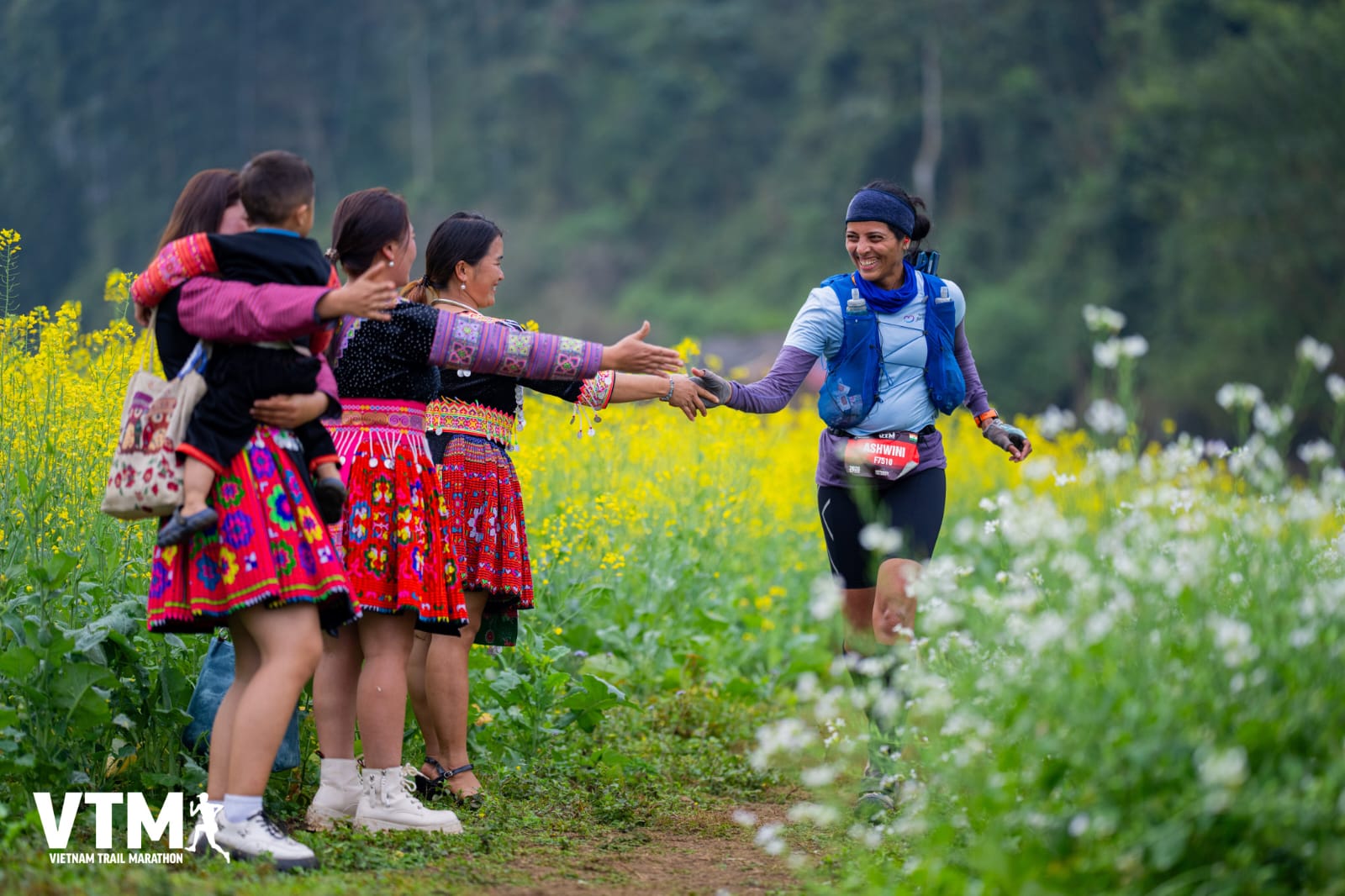
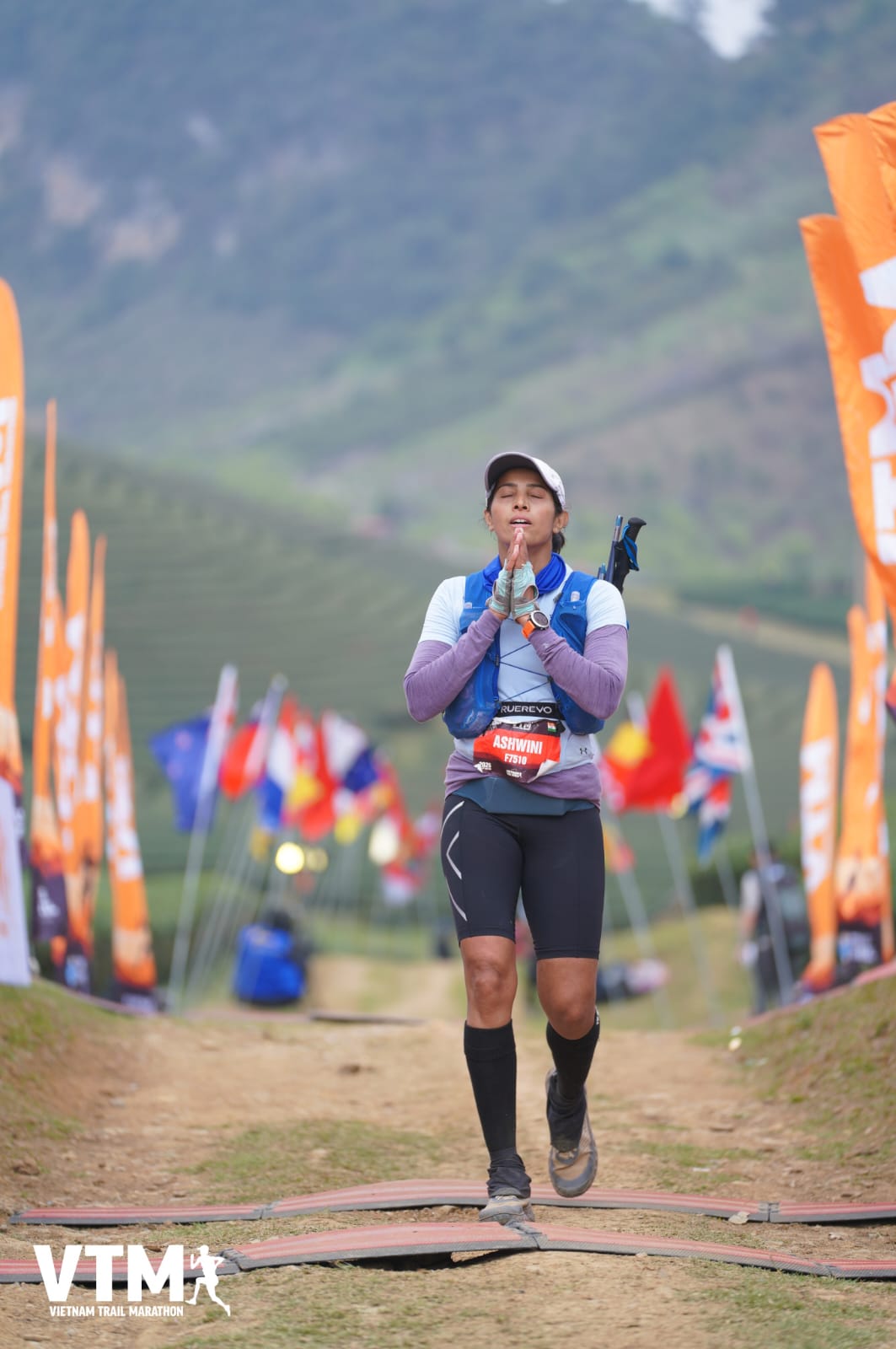
The Vietnam race was the shortest she had done in the Asian Trail Master series so far. The race was held in Mộc Châu. The route winds through jungles and small villages, with locals cheering along the way.
“It was the most scenic race I have done,” she says.
Merapoh Rainforest Trail at Pahang, Malaysia on May 1, 2026 – 164 km with 3,700 metres elevation gain
Ashwini finished second among 27 women and 5th overall among 146 starters. Completed in 28:33 hours against the cut-off of 42 hours
“This race was a long one but it did not have much of elevation gain. There was a lot of water crossing, including a 3 km river crossing and many caves, some with water,” Ashwini said.
The challenge was managing the feet during this race. “I experimented with many things for my feet. Finally, I hit upon baby diaper cream, which has zinc oxide. It does act as a water repellent. I had to change socks many times, change shoes once,” she said.
Of the six trail races that Ashwini did for the Grandmaster Quest, this particular one was her least favourite. But performance-wise, it turned out to be her strongest.
From the Japan 100-miler to the Merapoh 100-miler, her final four Asian Trail Master races were supported by Tekion, an automotive retail technology company. Ashwini says that this backing allowed her to train with intent, recover better, and truly show up as an athlete.
Choosing Trail Running
Trail running, according to her, is always offering something new. “Every race, every distance, every terrain, even the weather, brings a different experience. No matter how much you think you have learnt, there is always an element of uncertainty. That is what draws me in,” she said.
Being out there in nature, in its rawest form, is a gratifying experience. “Every run brings the same joy, curiosity and awe that I felt the very first time,” she said.
And today, she hopes more people find their way to a sport that has changed her life.
(The author, Latha Venkatraman, is an independent journalist based in Mumbai)
(Photo courtesy – Ashwini )

