VRAAM / BHARAT PANNU IN TOP QUARTET

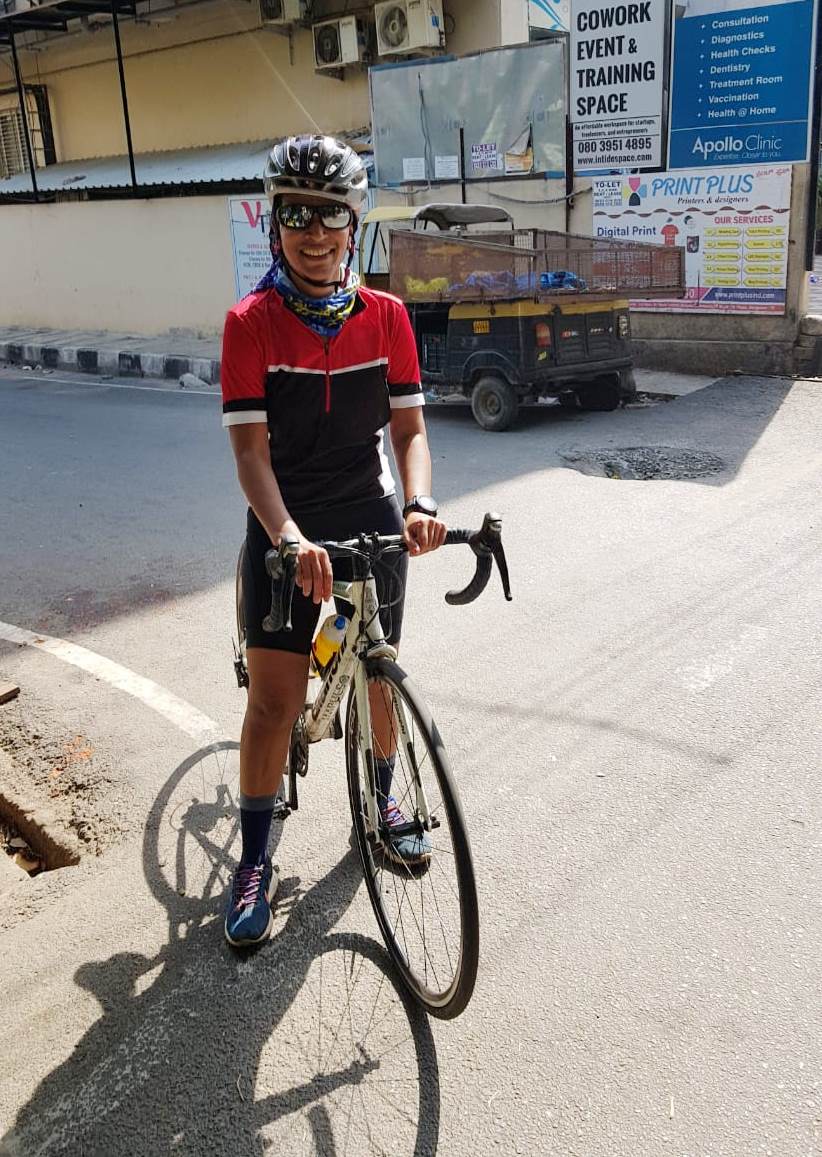
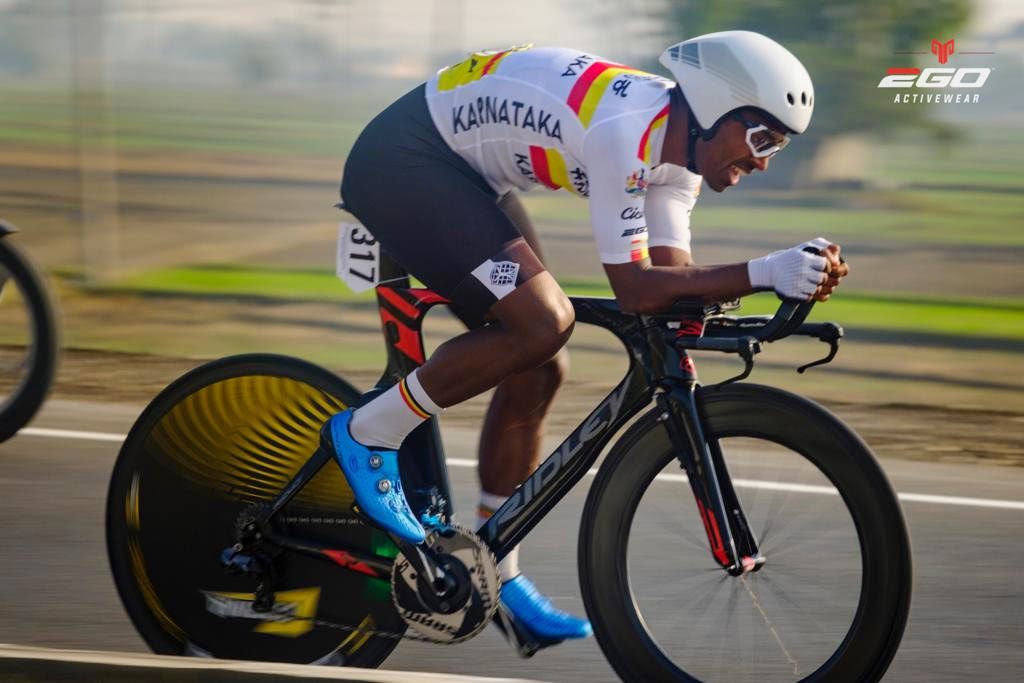
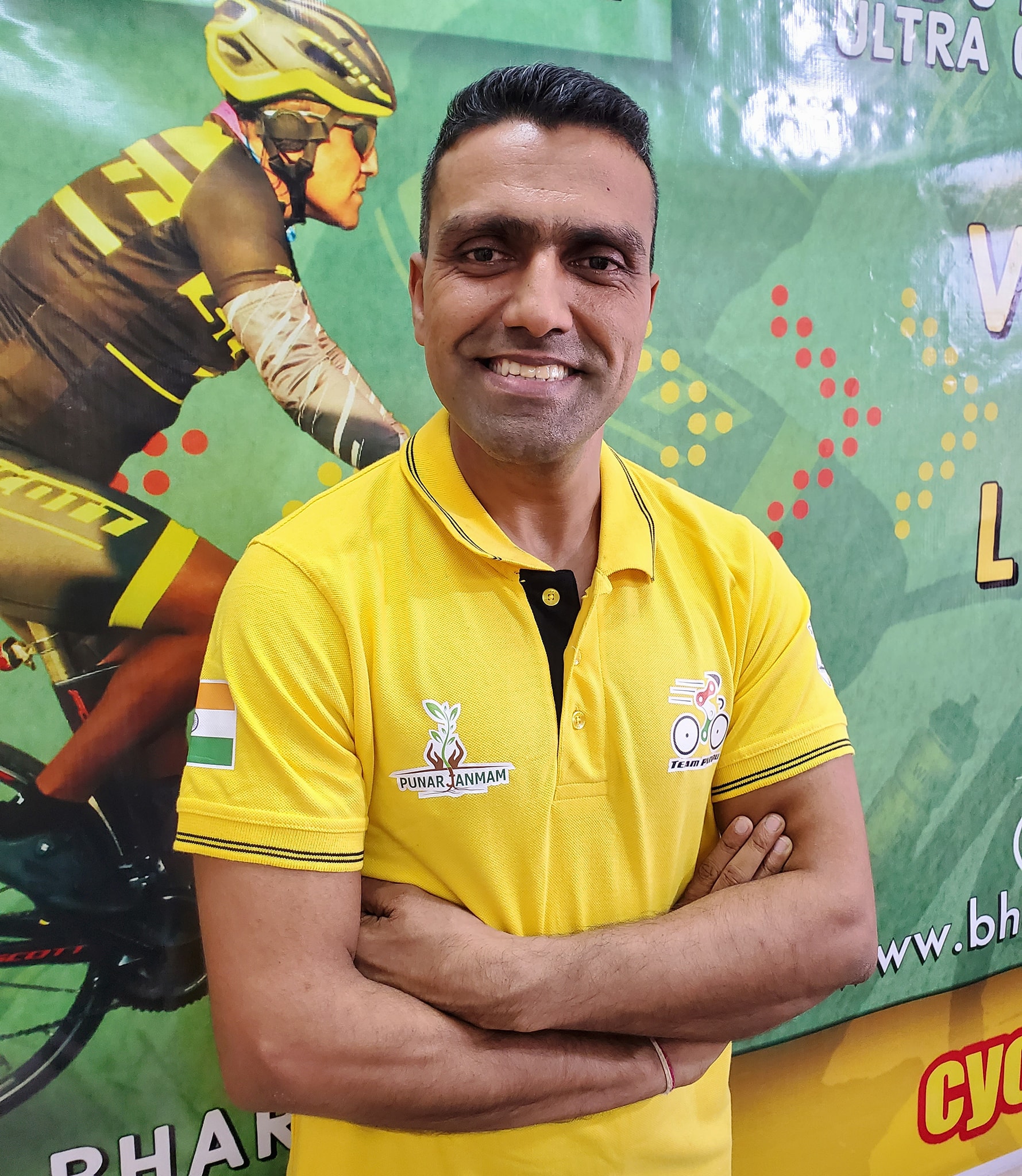
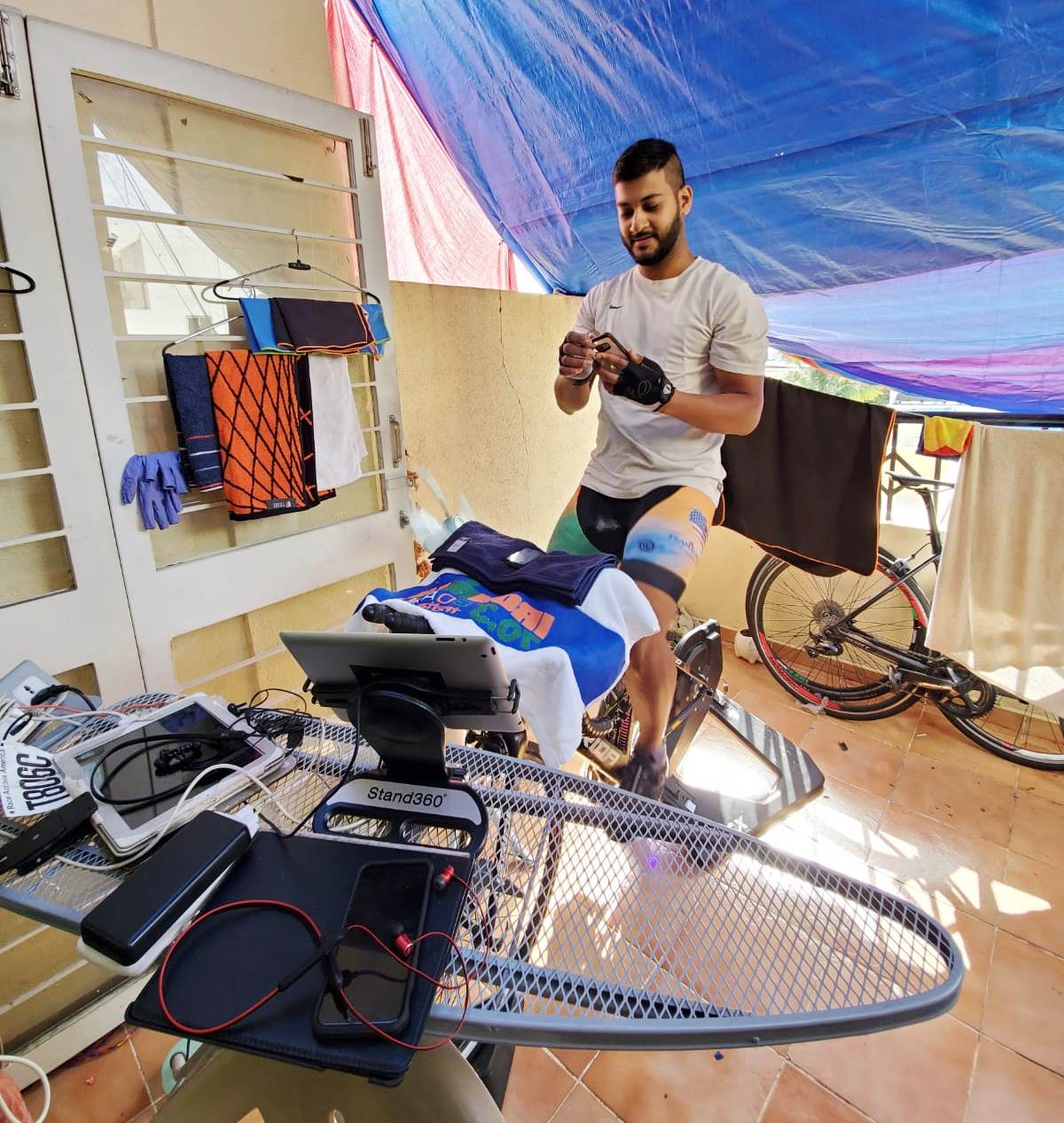
Bharat Pannu (This photo was downloaded from the cyclist’s Facebook page)

Please see updates at the end of this article; revised rules for finishing were disclosed on the afternoon of June 25.

In the ongoing Virtual Race Across America (VRAAM), Lt Col Bharat Pannu was in third position overall as of 2AM, June 25. The leaderboard of the race showed that he had covered 2784.61 kilometers in the days since June 16, when the event commenced.

In the lead was Hirokazu Suzuki of Japan who had pedaled 3169.06 km. Second and fourth places were held by cyclists from the UK; a cyclist identified as putters29 at 2792.32 km and Brad Lincoln at 2748.45km, respectively. The second, third and fourth places were thus separated by narrow margin. At 10.45PM on June 24, Bharat was in fact placed second. In a Facebook post on the approach to Day 9 of the race, Bharat noted that although much distance still remained, “  I can very gladly say that the toughest sections of the race are now over.”
The virtual version of RAAM follows the cancellation of the 2020 edition of the real race, announced on April 3. The subsequent virtual race is being hosted on FulGaz, an Australian cycling app. Participants pedal on a home trainer at location of their choice, the distance they log appearing on screen as movement across the US. RAAM – its route runs from the US west coast to the east – is one of cycling’s toughest endurance races. Bharat, who is a familiar face in ultracycling in India, had been training for RAAM for the past couple of years. His 2019 attempt was prematurely terminated following an injury he sustained while training in the US. The subsequent 2020 attempt appeared lost due to pandemic till it found an extra lease of life in VRAAM.  The virtual race – like the real one – has a cut-off of 12 days. The total distance to cover in the real race is approximately 4800km. At the time of writing, 22 riders were listed on the VRAAM leaderboard (accessed via FulGaz website) of which 15 had gone past 1000km and 11, more than 2000km.

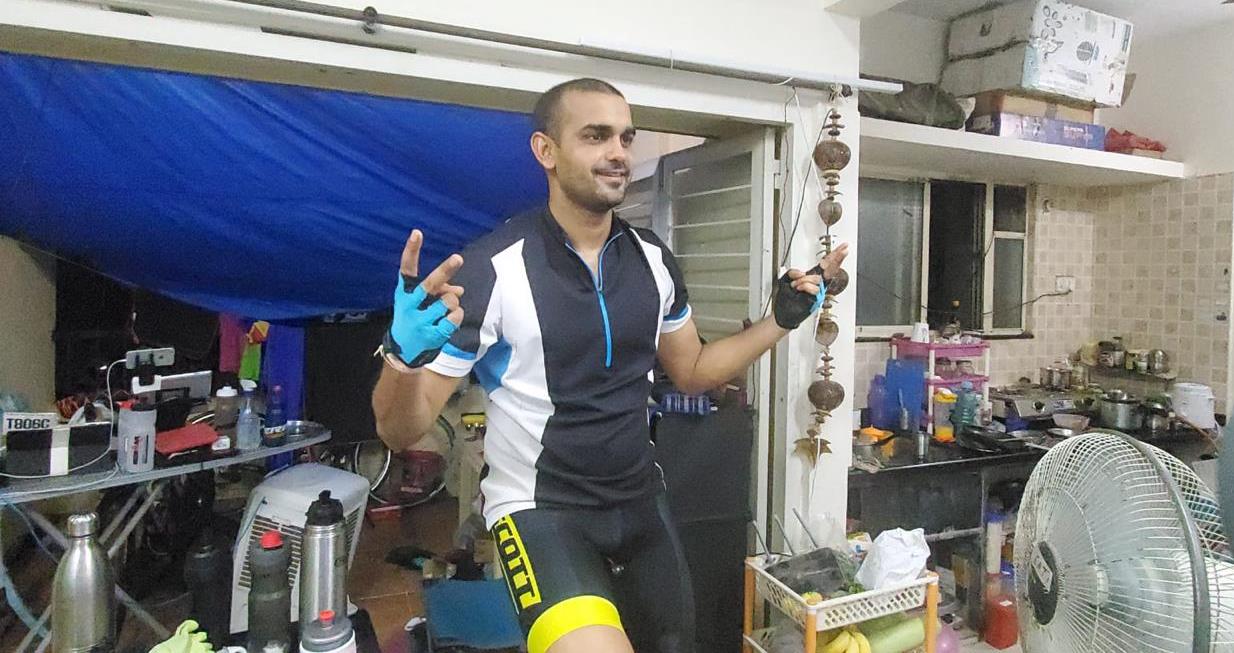
Sandeep Kumar (Photo: courtesy Sandeep)

RAAM has a second race built into it – Race Across West (RAW) – which is smaller and runs along the initial portion of the race route. Major Sandeep Kumar, who is a keen cyclist and part of Bharat’s support crew, completed the virtual version of RAW – VRAW – successfully. He covered the distance of 1528km in five days, seven hours and 33 minutes. As of early June 25 on the VRAW leaderboard, he was placed 23rd overall and third among Indian cyclists (he features as sandeeptrooper). The first Indian cyclist to complete VRAW was Vivek Shah. He did so in four days, 10 hours and 33 minutes.  The second Indian cyclist at the finish line was Jitendra who completed in four days, 23 hours and 58 minutes. The fourth Indian cyclist to finish was Sachin Shirbavikar (seven days, 25 minutes). Praveen Sapkal (1342.74km) and Anand Verma (1143.37km) were still on their way. At the top of the VRAW heap was Simon Potter of the UK; he completed the race in three days, five hours and 11 minutes.

Unlike the real RAW which has a cut-off of 92 hours, the virtual race has the same duration as VRAAM – 12 days. This allows interested riders to take their shot at this smaller race any time in that duration. At the time of writing, the positions on the VRAW leaderboard were therefore still dynamic. For those supporting a VRAAM participant as member of his crew, the longer cut-off in VRAW is particularly useful.  With Sandeep having completed VRAW, fellow member of Bharat’s support crew and a former finisher in the eight person-team category at RAAM, Arham Shaikh, has since commenced his attempt at VRAW. As of 2.20AM on June 25, Arham had logged 909.18km as per the virtual race’s leaderboard. All three – Bharat, Sandeep and Arham – were cycling in Pune.
Arham Shaikh (Photo: courtesy Sandeep)

Sandeep said that VRAW had been a learning experience for him. “ I learnt a lot as regards managing nutrition and sleep, not to mention extended hours on the saddle. The event has raised my self-confidence and I will be looking for further challenges in ultra-cycling now,’’ he said. VRAW also gave him the opportunity to be at home and yet compete with good cyclists from around the world. “ It was the best I could reap from lockdown conditions,’’ he said. In the first 24 hours of the race Sandeep covered more than 350km. Thereafter he had a difficult phase due to an emergent knee problem that was then contained with the help of the team physio. From the third day onward things started to improve. “ It was however a grueling race for me,’’ he said. The main reason for this was the additional dose of elevation gain that the race designers introduced. It was probably done to compensate for the otherwise stationary nature of virtual racing with all that you need for support, at hand. According to Sandeep, in VRAW, the elevation gain freshly added was of the order of around 10,000m; it took cumulative elevation gain over the 1528km pedaled to around 25,000m. “ We were just climbing,’’ he said laughing. Similar tweaks have been done to the parameters of the significantly longer VRAAM too. In his earlier mentioned Facebook post, Bharat provided a break up of how the race had progressed (distance cycled plus cumulative elevation gain) till Day 8: Day 1 – 399km / 11,500m; Day 2 – 767km / 17,800m, Day 3 – 1,180km / 23,400m, Day 4 – 1,470km / 28,400m, Day 5 – 1,843km / 33,000m, Day 6 – 2,078km / 39,000m, Day 7 – 2,358km / 45,650m. The real race is known to have cumulative elevation gain of over 170,000 feet (51,816m).

According to Sandeep, he took some time to get used to the FulGaz platform. Up until the VRAW attempt, for his home-based training, he had been mostly a user of Zwift. The new technology required the group he was with, to correspondingly upgrade their computer and telecom hardware. Thus even as they didn’t leave India for a real race overseas, the virtual project wasn’t without its imprint on the purse. Then there was technology’s teething problems to sort out; primarily lags in updates registering on the app’s screen while the cycling was on. “ FulGaz listened. They were supportive and sorted the issues out,’’ Sandeep said.

Update 1: In a major revision to the rules of the race, VRAAM informed on June 25 via its Facebook page that any rider covering 3248km within the stipulated cut-off period would be deemed a finisher. The message read:

After careful consideration and a thorough review of the VRAAM course, in addition to the health and well being of all competitors we have made the decision to reduce the official race qualifying finish distance to 3248km.

To be an official VRAAM finisher competitors will need to complete the following;

Complete 3,248km by 11pm June 28th Sydney Eastern Standard Time

All results will be provisional until verified by FulGaz and VRAAM. Race Across America HQ will verify the official solo RAAM qualification distance within the next 48 hours.

The winner will be the competitor who has ridden the furthest distance by the end of the race.

When contacted, Sandeep said that the challenging parameters of the virtual race had been taking a toll on riders participating from various parts of the world. There was concern growing over how people may finish because after more than nine days on the saddle and the route proving tough, riders hopeful of finishing continued to stare at good distance still left to cover. In their urge to complete, sleep levels had been dropping. There was fatigue. A couple of good riders reported injury. It is assumed that these factors may have led to the revision of rules. “ Bharat has been fine so far. But we have to be careful because the onset of injury is typically sudden,” he said.  As regards podium finish, the understanding in Pune was that those pursuing it would have to keep riding past the 3248km currently assigned to finish. Cyclists riding the farthest by race’s close (the end of the 12 day-duration) would be best placed to claim space on the podium. As of 2.35PM June 25, the second and third positions on the VRAAM leaderboard had changed from what it was much earlier in the day. Bharat was back in second place having covered 3015.92km; a rider identified as mixirica from Brazil was placed third at 3012.28km. Putters29 had slipped to fourth (3001.14km). These positions continued to be bunched. Suzuki of Japan was way ahead at 3354.04km.

Update 2: Checked at 12.40PM on June 26, Bharat was in fourth position having logged 3326.76km. That placed him well past the 3248km, which is the revised distance to be deemed a VRAAM finisher. Mixirica (Brazil) was at 3352.45km and potters29 (UK) at 3354.59km; Suzuki was at 3573.46km. Meanwhile from among Indian cyclists attempting VRAW, Praveen Sapkal had finished in nine days, two hours and 38 minutes. Anand Verma was at 1329.96km and Arham, at 1240.03km.

(The author, Shyam G Menon, is a freelance journalist based in Mumbai. Names from the leaderboard quoted in the article are as they appeared on the list. In some cases there was no gap between first name and surname; discretion had to be suitably exercised for the purpose of writing.)         

COVID-19 AND THAT DRUG IN A MOUNTAINEER’S FIRST AID KIT

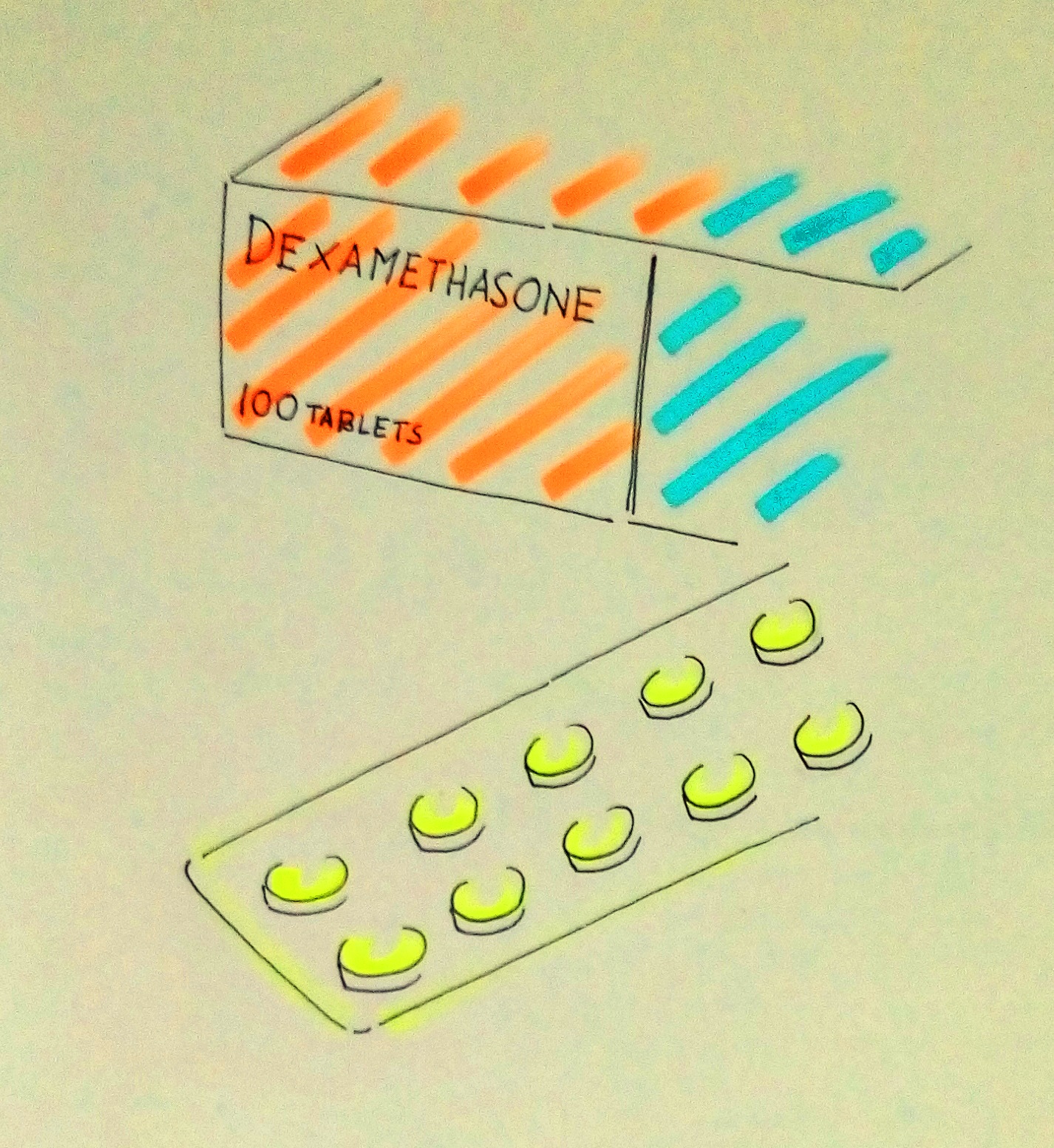
Illustration: Shyam G Menon

A drug that is familiar to mountaineers finds mention in humanity’s ongoing tussle with COVID-19. We use the juncture as an opportunity to reacquaint ourselves with Acute Mountain Sickness (AMS) and the drug in question.

Dexamethasone has been part of medicines used to treat high altitude illness for several years. Notwithstanding the lives it may have quietly saved so, its moment in the limelight happened in mid-June 2020 when news reports from the UK said, it was proving to be a life-saver in the battle with COVID-19. The drug’s name wouldn’t have escaped the attention of mountaineers and outdoor enthusiasts. Proper acclimatization, hydration, descent to safe altitude when beset with discomfort and having acetazolamide and dexamethasone in the first aid kit, form the classic defence against high altitude illness.

Colonel (Dr) S. P. Singh (Retd) is currently Additional Professor, Department of Physiology, All India Institute of Medical Science (AIIMS), Rishikesh.  He runs India’s first course in High Altitude Medicine there. A product of the Armed Forces Medical College (AFMC), Pune, Dr Singh has been working in the field of high altitude medicine and physiology since 2008 when he was posted to the Indian Army’s High Altitude Medical Research Centre, in Leh (Ladakh). He has a number of publications in the field and was a member of the team that wrote the latest edition of the army’s guidelines for prevention and treatment of high altitude illness. Dr Singh responded to questions posed by this blog.

“ Dexamethasone is a medicine that is used for treating a large number of illnesses, including those due to inflammation (within that, auto-immune diseases where the body’s immune system attacks its own cells; for example: rheumatoid arthritis) and allergy; for example: skin allergies, eye allergies etc. It is also used as a life-saving drug when severe inflammation threatens dire consequences. The body produces corticosteroid hormones (better known to doctors as glucocorticoids) which are essential for life and continuously regulate a host of functions including energy production, water content of the body, immune regulation and behavior. An important function of glucocorticoids is to help us overcome stress. The term stress implies any shift in the environment that changes or threatens to change the existing optimal state of the body. Thus, extreme heat, cold, low environmental oxygen ere all examples of stress. Large amounts of glucocorticoids are secreted by the adrenal glands of the body to help overcome stress, ‘’ he said.

Dexamethasone in the context of AMS

In mountaineering, dexamethasone is spoken of in the context of Acute Mountain Sickness (AMS).  According to Dr Singh, AMS is the most common illness to occur in un-acclimatized sojourners arriving at High Altitude (>2700m/9000ft). It consists of a constellation of symptoms viz., headache, decreased appetite, nausea, vomiting, giddiness / dizziness and weakness / fatigue. Most people who develop these symptoms recover spontaneously or with symptomatic therapy (pain killers, anti-vomiting drugs and rest) within 2-3 days. Thus, AMS is a harmless illness, in terms of no threat to life and limb. Yet, it is important that people with AMS not ascend higher till their symptoms resolve completely. This is so, because we believe that approximately one per cent of people with AMS will develop High Altitude Cerebral Edema (HACE) if they ascend higher while symptomatic. HACE involves collection of excess water in the brain (brain edema) and can kill a person within hours of onset.

Hypoxia (the condition in which, the body or a portion of the body is deprived of adequate oxygen supply at the tissue level) is the direct cause of AMS. It leads to an increase in the pressure of Cerebro-Spinal Fluid (CSF – a derivative of blood in which the brain and spinal cord float) inside the skull. This is associated with increased leakiness of brain capillaries, which allows excess water to enter the brain from the blood causing very mild brain edema (in contrast to the florid edema of HACE). The cause of the increased leakiness of capillaries might be mild inflammation due to low oxygen at high altitude. Dexamethasone appears to prevent / treat AMS / HACE by inhibiting inflammation, preventing / reducing capillary leakiness and improving blood oxygen levels by salutary effects on the lungs. Because steroids have a general action to help us overcome stress, dexamethasone helps overcome the stresses of high altitude in the first few days while the body responds to and settles down in the new environment.

Since dexamethasone decreases capillary leakiness and has positive effects on the lungs to improve blood oxygen levels, it is of benefit in the prevention and treatment of AMS, HACE and HAPE. However, dexamethasone is a synthetic corticosteroid. “ It is important to remember that much higher doses of (synthetic) corticosteroid are given, than are naturally present in the body, to suppress inflammation and allergy. These high doses also carry the risk of significant adverse effects. For instance:  when given in the case of pneumonia due to a bacterial infection, dexamethasone will suppress fever and symptoms of lung infection but if the infection is not treated simultaneously with antibiotics it will spread throughout the body. Therapeutic doses must, therefore, be given with great caution, under strict supervision, along with other therapy,’’ Dr Singh said.

Descent is the definitive cure for all high altitude illness

The other major drug for AMS is acetazolamide (Diamox). According to Dr Singh, acetazolamide creates a mild acidosis in the body. This counters the alkalosis (the normal pH of blood is 7.35 – 7.45. pH<7.35 is acidosis and pH>7.45 is alkalosis) that is inherent on ascent to altitude. As a result of the acidosis caused by acetazolamide the rate and depth of breathing increases and the water content of the body reduces (due to excess urination). These effects are bound to be beneficial because more breathing means more oxygen in the body. Also, since AMS / HACE / HAPE are all conditions of excess water in the brain / lungs; maybe less water in the body helps. Acetazolamide also has a mild direct effect of decreasing the pressure inside the skull by reducing formation of CSF. “ Acetazolamide is best known for preventing AMS / HACE and has a smaller role (as dexamethasone) in the treatment of these conditions too, although dexamethasone is far superior for treatment. Clinical experience and some scientific studies suggest that acetazolamide may have a role in the prevention of HAPE too. This is, however, not yet established,’’ Dr Singh said.

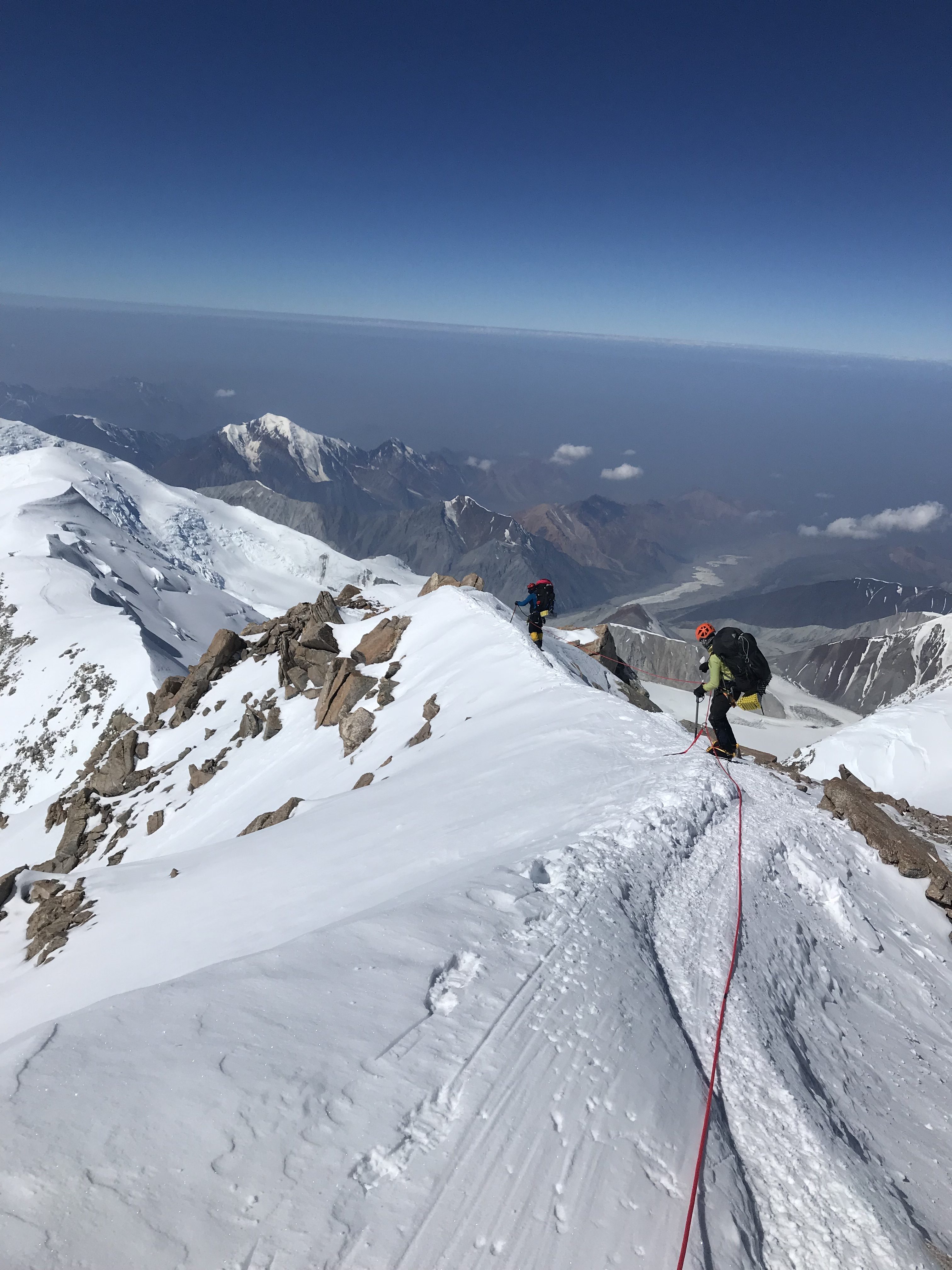
High altitude; from an expedition to Denali (20,310 ft) in Alaska (Photo: courtesy Seema Pai)

In the context of AMS, both these drugs – acetazolamide and dexamethasone – are typically talked of as prophylactic treatment. Dr Singh explained it. “ Prophylaxis means to administer a drug before the occurrence of an illness, when the chances of the illness occurring are high, to prevent the occurrence of the illness. For example: hydroxychloroquine (HCQ) has been touted for prophylaxis / prevention of COVID-19. As already brought out, dexamethasone is effective in the cure of AMS but is usually not necessary. AMS is amenable to symptomatic therapy (pain killer for headache, anti-vomiting drugs for nausea / vomiting) and if needed some oxygen supplementation for a short period (usually 30-60 minutes helps significantly). Descent is not necessary for the treatment of AMS, but the decision must be guided by local conditions, tour itinerary and logistics. For example: if the rest of the team has no option but to ascend and the person with AMS can’t be left alone, it is better to send him down with one more person rather than risk HACE by ascent. Cases of HACE and HAPE must descend as soon as possible, unless, of course, institutional care is available at the altitude of occurrence. For instance: people arriving in Leh, who develop HAPE or HACE are treated in the hospitals there. After recovery, the patient with HACE should not ascend further but the person with HAPE may, with exercise of due caution. Descent is the definitive cure for all high altitude illness,’’ he said.

In general, acetazolamide (Diamox) would seem more popular with the outdoor fraternity as a means to check AMS. It is a good drug for prevention of AMS / HACE and may be of benefit for prevention of HAPE too. “ More importantly acetazolamide is a safe drug. It is given to some patients with eye problems (glaucoma) for months and years with minimal adverse effects. So, we know it is safe. With dexamethasone one must be careful of the dose and duration it is taken and even so, some people might develop adverse effects at lower doses or shorter durations,’’ Dr Singh said. He feels that a first aid kit for mountaineering should contain both the drugs. “ Acetazolamide is our old friend that will prevent all three acute high altitude Illnesses – AMS, HACE and HAPE; whereas dexamethasone is the life saver in an emergency situation. No medical supervision is required for ingesting acetazolamide. If you know you have no drug allergy to sulfonamides (an antibiotic with structural similarity to acetazolamide) go ahead and take acetazolamide. A dose of 125mg (Diamox) twice a day or 250mg sustained release preparation (Iopar) once a day, starting the day before you ascend to altitude and continued to the second day there, is a great way to prevent / reduce the severity of AMS / HACE. If you intend to continue climbing and know you are prone to AMS, continue acetazolamide to the second day of reaching your target altitude. Should you find the benign side-effects such as a metallic taste in the mouth or tingling of the lips, hands and feet troublesome you could shift to dexamethasone tablet 4mg twice a day. But it would be good to not take dexamethasone in this dose for more than 10 days. A combination of both drugs in the same doses may also be used if you want to go high (from sea-level to >3500m in one day) very fast and have to indulge in strenuous activity there without time to acclimatize. Given in these doses for the recommended duration, medical supervision is not needed, provided the cautions mentioned above are adhered to,’’ Dr Singh said.

None of this however takes anything away from the merit in patiently acclimatizing to high altitude. That is the safest method. Patience – respecting the time needed for the body to gradually acclimatize – is, key. “ In my experience, there is nothing that can replace natural acclimatization,’’ Dr Tsering Norbu of Ladakh Institute of Prevention (LIP), said. Based in Leh, the retired physician is known well to visiting mountaineers. “ If you are not allergic to sulfa drugs, then we prescribe Diamox. We don’t approach dexamethasone in a similar fashion because it is typically used as a life saver in cases of AMS where the situation is bordering HACE,’’ he said. Being a tourist destination 11,500 feet up from sea level, Leh gets its fair share of high altitude illness. LIP is a NGO working in the domain of health. When patients require formal medical intervention, he refers them to the district hospital, Dr Norbu said.

COVID-19 and dexamethasone

On June 16, 2020, amid world battling COVID-19, BBC reported that dexamethasone “ cut the risk of death by a third for patients on ventilators. For those on oxygen, it cut deaths by a fifth.’’ This was a finding from the UK. What made dexamethasone significant beyond its stated life-saving ability was the fact that it was available in good supply and was affordable. The name of the drug must have struck a bell immediately with mountaineers worldwide. Asked what likely made dexamethasone relevant in the treatment of COVID-19 patients on ventilator support and whether medically there is any parallel in the stress the body underwent with what happens during AMS, Dr Singh said, “ since dexamethasone helps combat stress it could possibly help in COVID-19 pneumonia or Acute Respiratory Distress Syndrome (ARDS). COVID-19 involves inflammation which damages the lungs even as it fights the virus. Dexamethasone can suppress inflammation and because it reduces capillary leakiness it should reduce the severity of the symptoms caused by ARDS. The caution that needs to be kept in mind, I believe, is that dexamethasone is not the definitive cure (it does not kill the virus) and by suppressing inflammation which controls the infection even as it causes symptoms, it might worsen the infection. If, however, adjunctive therapy to kill the virus is available then dexamethasone could help tide over the critical time in ARDS when inflammation does more harm than good to our body. The disease process of ARDS in COVID-19 involves increased capillary leakiness. Other than that, there is little in common with HAPE. Having said that, I believe a respiratory physician may be able to help you better with this question,’’ Dr Singh said.

Colonel Muthukrishnan Jayaraman is an endocrinologist with the Indian Army. A regular runner, he has contributed in the past to articles related to health on this blog.  “ Dexamethasone in COVID-19 is as an anti-inflammatory to counter the cytokine storm that happens especially in the more severe forms of the disease,’’ he said. Further on June 17, BBC followed up with another report explaining how dexamethasone works in the case of COVID-19. “ This drug works by dampening down the body’s immune system. Coronavirus infection triggers inflammation as the body tries to fight it off. But sometimes the immune system goes into overdrive and it’s this reaction that can prove fatal – the very reaction designed to attack infection ends up attacking the body’s own cells. Dexamethasone calms this effect. It’s only suitable for people who are already in hospital and receiving oxygen or mechanical ventilation – the most unwell. The drug does not work on people with milder symptoms, because suppressing their immune system at this point would not be helpful,’’ the report said.

Illustration: Shyam G Menon

For a pulmonologist’s view, this blog reached out to Dr Jacob Baby, Lead Consultant (Pulmonology), Aster Medcity, Kochi. “ Dexamethasone is a synthetic corticosteroid; they are naturally occurring chemicals produced by the adrenal glands located above the kidneys. Corticosteroids affect the function of many cells within the body and suppress the immune system. They also block inflammation and are used in a wide variety of inflammatory diseases affecting many organs. Dexamethasone is 20-30 times more potent steroid action than naturally occurring cortisol. It reduces inflammation by blocking an enzyme named phospholipase A2, which breaks cell wall phospholipid and releases inflammatory mediators. Glucocorticoids function through interaction with the glucocorticoid receptors by up-regulating the expression of anti-inflammatory proteins and down-regulating the expression of pro-inflammatory proteins. It is cheap and easily available and used as effective anti-inflammatory in many inflammatory diseases like asthma and rheumatological disorders like inflammation of muscles, inflammation of blood vessels, chronic arthritis, and lupus. It also exerts excellent anti-edema (reducing swellings) action enabling its use in cancerous conditions, brain swelling and also swelling in the spinal cord,’’ Dr Baby said.

On how dexamethasone works in the case of COVID-19, he said, “ Recovery Trial in the UK – for treating COVID 19 – had an arm investigating dexamethasone. Oxford researchers announced the results of the dexamethasone trial, in which 2104 enrolled patients were administered 6 mg of the drug for 10 days. Dexamethasone reduced deaths by one-third in ventilated patients and by one-fifth in patients receiving only oxygen. One death would be prevented by treatment of around eight ventilated patients, or around 25 patients requiring oxygen alone. The drug reduced the 28-day mortality rate by 17 per cent with significant benefit among patients requiring ventilation. COVID-19 causes accumulation of cytokines mainly IL-6 in the lungs. IL-6 increases inflammation in the lung cavity which causes the production and accumulation of fluids in the lungs. Dexamethasone reduces inflammation and suppresses immune activation of immune agents. The drug induces anti-inflammatory effects by reducing the secretion of cytokines into the lungs.’’

(Compiled and edited by Shyam G Menon, freelance journalist based in Mumbai.)

SPORT AND THE SHADOW OF RULE 50

Illustration: Shyam G Menon

On January 14, 2020, the website of Time magazine carried an article by Melissa Godin listing the instances when athletes brought political protest to the Olympic Games.  The incidents range from support for Irish independence to fists raised in Black Power salute, protest against the erstwhile Soviet Union and declining to compete against Israel as means to highlight the plight of Palestinians. What prompted the compilation was – earlier that month, the International Olympic Committee (IOC) disclosed new guidelines regulating protest by athletes at the 2020 Tokyo Olympic Games.

Rule 50 of the Olympic Charter, which guards the political neutrality of sport and the Olympic Games already deals with this subject.  But it was vague about what constitutes protest. Time magazine noted that the new guidelines, which mention examples of what count as protest, coincide with rising activism among athletes, especially those from the US. In August 2019 two US athletes had been placed under probation for a year after one knelt and the other raised a fist during medal ceremonies at the Pan American Games (they were protesting against gun violence, racial injustice and the recent acts of their country’s president). The report cited the president of the International Olympic Committee (IOC), Thomas Bach, saying that the Olympic Games must never be a platform to advance political or any other divisive ends. He maintained that the political neutrality of the Games is undermined when the occasion is used by organizations and individuals “ as a stage for their own agendas, as legitimate as they may be.’’

At the same time as the magazine article appeared, COVID-19, which would characterize 2020 in a defining way, was only weeks into being reported. It would be another two months before the World Health Organization (WHO) declared it a pandemic and the question of whether the 2020 Olympic Games would be held or not would haunt the IOC. On March 24, the Games were eventually shifted to 2021. On May 25, 2020, George Floyd died as a result of police excess in Minneapolis, USA. It was a horrific incident, one that sparked a wave of protests in the US with reverberations elsewhere. In the mood of protest following Floyd’s death, Bach’s observation from January and Rule 50 of the Olympic Charter attracted attention afresh. Early June, the IOC confirmed to the Daily Telegraph that it stood by Rule 50. Days later, Sebastian Coe, President, World Athletics told the Independent, that he wouldn’t discourage athletes from expressing their views as he felt the current generation is more willing to speak out than previous generations were. “ There is nothing in World Athletics’ Integrity Code of Conduct to prevent athletes from protesting as long as it is done in a respectful manner, considers other athletes and does not damage our sport,’’ Coe was quoted as saying in the report by Lawrence Ostlere. For proper perspective, it must be mentioned here that Coe, a former world record holder and Olympic champion, who also anchored the organization of the 2012 London Olympic Games, has been nominated to the IOC. World Athletics hasn’t had a member on the IOC since 2015. To be admitted, Coe needs to first step down from other private business responsibilities he holds which constitute potential conflict of interest.

Over the last decade or so, the factors that contribute to social justice have taken a beating in many parts of the world. Governments have veered to authoritarianism, there is a general feeling that justice is partial to capital, inequality in wealth distribution has grown and those left out feel marginalized. Simply put – topics for protest are many. So are governments with trumped up public image and skeletons in the cupboard, who will be sensitive to protest. Amid this, 2020 will be remembered as the year of the virus. As COVID-19 swept across a planet devoid of vaccine to combat it, the best solution we had was to break the chain of transmission. Hygiene protocols and physical distancing became primary defence. Above all, it demanded that we accept a cardinal truth – the virus exists. If you don’t accept that it exists then all the hygiene protocols, physical distancing; even the frantic search for a vaccine – they lose relevance. The protests over George Floyd’s death happened because people acknowledged that the problem at its core – the virus causing it – exists. Compared to that, Rule 50 sanitizing Olympic venues of protest is the equivalent of pretending that the world’s problems don’t exist in the first place. Athletes may be elite by virtue of being at the Olympics. But they hail from mainstream society and many of them have experienced firsthand, discrimination based on race, gender, economic and social inequality. How can you pretend that society beyond the stadium doesn’t exist? It is what you come from; it is what you go back to.

To its credit, Rule 50 does not altogether ban protest. A document called Rule 50 Guidelines Developed by the IOC Athletes’ Commission, available on the IOC website, explains the details. According to it, Rule 50 of the Olympic Charter provides a framework to protect the neutrality of sport and the Olympic Games. It states that no kind of demonstration or political, religious or racial propaganda is permitted in any Olympic sites, venues or other areas. “ It is a fundamental principle that sport is neutral and must be separate from political, religious or any other type of interference.  Specifically,  the  focus  for  the  field  of  play  and  related  ceremonies  must  be  on  celebrating athletes’ performance and showcasing sport and its values,’’ the document said. For emphasis, it pointed out that even the head of state of the host country gets to utter only a preset sentence declaring the Games open. Neither they nor any government official is allowed any further comment on any occasion during the Games. Besides no government official can appear in a medal ceremony. “ While respecting local laws, athletes have the opportunity to express their opinions, including:

  • During press conferences and interviews, i.e. in the mixed zones, in the International Broadcasting Centre (IBC) or the Main Media Centre (MMC)
  • At team meetings
  • On digital or traditional media, or on other platforms.

It should be noted that expressing views is different from protests and demonstrations. It should be noted, too, that these guidelines are also applicable to any other accredited person (trainers, coaches, officials, etc.)’’ the document said, adding, “ Here are some examples of what would constitute a protest, as opposed to expressing views (non-exhaustive list):

  • Displaying any political messaging, including signs or armbands
  • Gestures of a political nature, like a hand gesture or kneeling
  • Refusal to follow the Ceremonies protocol.’’

The problem here – it would seem – is one of comparative mileage. Since protests seek public attention, the proverbial valve on the pressure cooker that Rule 50 provides is only worth its weight in visibility and media coverage. At any Olympic Games, the most watched footage probably relates to the opening and closing ceremonies, the competition at various sport venues and the medal ceremonies. Who watches press conferences and interviews? Only journalists go there and reports filed subsequently are allotted due significance by editors depending on the overall news flow from the larger sport event. Consequently, someone could ask this question and it would seem relevant: what matters more in a stadium – the advertisements of sponsors selling this and that or a black band on an athlete’s arm reminding us of social injustice the world is yet to comprehensively address? It goes to the heart of human existence: what are we alive for? Having said that; it must be mentioned, protesters too need to keep a few things in mind. Just as advertisements become irritating through excess, an overdose of protest can progressively leave us indifferent to calls for social justice. That’s the danger in world by trend and perception management, which is what our times have become. So perhaps there is relevance in leaving sport alone?

Illustration: Shyam G Menon

Although rarely said as such, one strong motive for keeping sport free of controversy is that it helps sport events happen by making available a sanitized platform sponsors can support. To be precise, it isn’t total no-no to controversy; it is opportunistic leverage with partiality to clean slate as best bet for sustaining long term. On the other hand, money’s aversion for conscience and its appetite for opportunism catches the goat of anyone with a conscience. Notwithstanding this tussle, fact is, political neutrality has its benefits. Cast so, sport becomes an avenue for engagement among people when other options more easily lost to politics, are exhausted. Neutral sport is an important instrument in humanity’s tool box. It brings us to the question: what if you have a grievance but don’t protest? What if you let your performance in sport, do the talking instead?

Jesse Owens is among the biggest icons of the Olympic Games. He came up the hard way. Although a successful university athlete, he had to live off campus with other African-American athletes. He enjoyed no scholarship and worked part time jobs to pay for his education. On May 25, 1935, at the Big Ten meet in Michigan, he rewrote three world records and equaled another in a span of 45 minutes. Next year he won four gold medals at the Berlin Olympics. The world sat up and took note. However on return home, his life continued to be a struggle. He had difficulty finding work given the social environment of that period. He filed for bankruptcy in 1966, hitting rock bottom before his predicament improved. Despite his personal struggles, he didn’t initially support the protest on the podium at the 1968 Olympics (according to Wikipedia’s page on Jesse Owens, he became more sympathetic of the incident, later); he tried to convince President Jimmy Carter that the US shouldn’t boycott the 1980 Moscow Olympics as sport is politically neutral. Yet eighty four years after the Berlin Olympics, with more sterling performances by athletes to show and more social fissures and inequalities added worldwide, we are left wondering: will Olympic triumph alone suffice to focus the world’s attention on social justice delayed or do we need to sport a black band on prime time as well? How different is 2020 from 1936? Or is it not different at all? If things haven’t changed significantly, what kept it so? Those are the questions. The answers won’t be easy for IOC or anyone, to handle.

On June 14, 2020, Global Athlete – it calls itself “ an athlete-led movement that will inspire and lead positive change in world sport, and collectively address the balance of power between athletes and administrators” – put out a statement claiming that recent statements of the IOC and the International Paralympic Committee (IPC) proposing banning of athletes who take a knee in solidarity with the anti-racism movement, constitutes “ a clear breach of human rights.” The statement which said that the “ collective voice” of athletes had “ pressured the IOC to pivot on its position and now consult with athletes on Rule 50,” also called upon the IOC and IPC to abolish the rule.

(The author, Shyam G Menon, is a freelance journalist based in Mumbai.)

GEARING UP FOR VIRTUAL COMRADES

Illustration: Shyam G Menon

Runners from around the world including India will be attempting the virtual race of the Comrades Marathon – Race the Comrades Legends – on Sunday, June 14, 2020.

The 2020 edition of the ultra-marathon, held annually in South Africa, was cancelled due to the COVID-19 pandemic. The organizers of the Comrades Marathon decided to hold a virtual race on the same day as the real race was scheduled to be held.

The virtual race offers various distance options – five kilometers (Couch2Comrades – Fun run), 10 km (Comrades Sprint), 21.1 km (Comrades Legends Half Marathon), 45 km (Half Comrades) and 90 km (Comrades Legends Ultra). Participating runners are expected to upload their race data at the end of the day. Finishers will be couriered the Race the Comrades Legends medal.

Among overseas events, Comrades has a dedicated following in India. Preparations for it are different from taking a shot at one of the World Marathon Majors. The route at Comrades links Durban and Pietermaritzburg in South Africa’s Kwazulu-Natal province. Besides distance, the route features elevation gain and alternates each year between an uphill and a downhill run. The event is actually an ultramarathon lurking behind the name of a marathon. Participants therefore court an extended period of training. In Mumbai, those who sign up for Comrades usually graduate through regular long distance training runs (and events therein) to several group runs including in places like Lonavala for a feel of hilly terrain. This long duration of engagement with the event and fellow runners headed to South Africa, builds an ephemeral sense of community. The onset of pandemic and the eventual cancellation of the real event in South Africa would have brought inevitable disappointment. June’s virtual Comrades will offer some consolation.

“ I guess the attractive part is that it will probably be one of those few chances to run virtual Comrades Marathon. Also, the medal will be unique,” said Mumbai-based ultra-runner Satish Gujaran. Satish is the first and the only Indian runner yet to complete Comrades Marathon ten times consecutively. At the time of writing, nearly 80 runners from India had enrolled for the virtual race, of which nine were scheduled to run the 90 km distance. In India, recreational runners have not been able to get out for training runs as the lockdown was stringent. “ Without much training, it may not be possible to run 90 km, especially for runners from Mumbai,’’ Satish said. He has opted not to run the virtual race. Instead, he may pace some runners on Sunday.

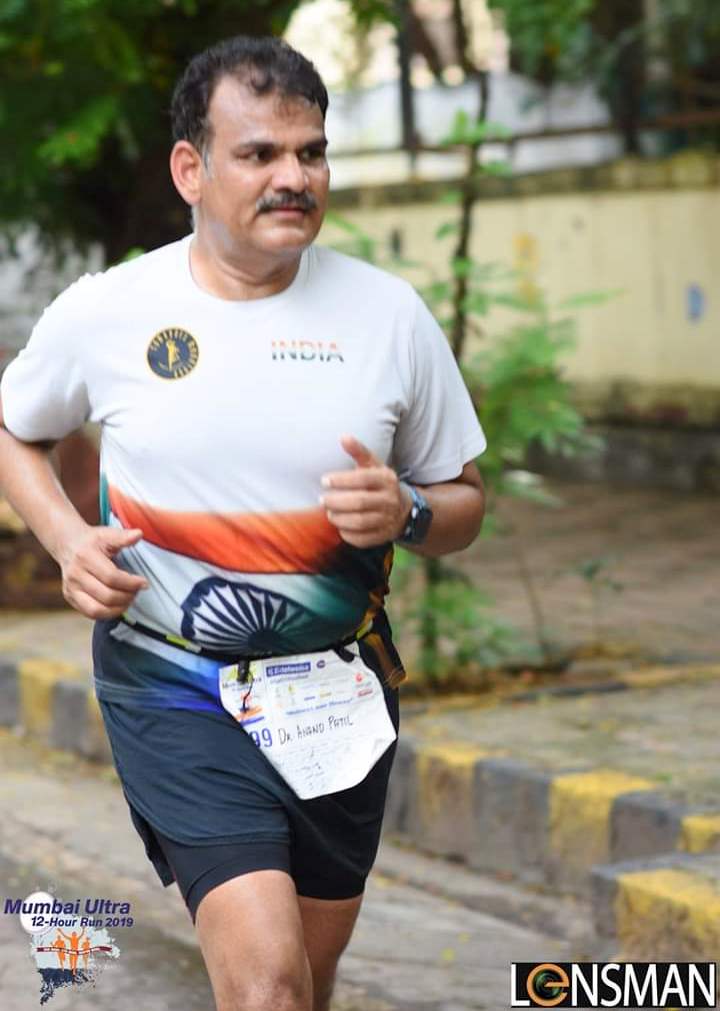
Dr Anand Patil (This photo was downloaded from the runner’s Facebook page and is being used here with his permission)

Notwithstanding Satish’s observation, among those attempting the 90 km virtual race is Mumbai-based ultra-runner and triathlete, Dr Anand Patil. He is a surgeon by profession. “ This was to be my ninth Comrades,’’ he said referring to the now cancelled 2020 edition of Comrades. He has run the ultra-marathon for eight years in a row.

Dr Patil is attempting the virtual race despite not having done any training during the lockdown so far. He was hoping to resume running after the latest round of relaxation to lockdown. That would still leave him only a week or so to the virtual event. A recreational triathlete, Dr Patil said he has completed the Ironman triathlon 19 times. He also did the Ultraman in Australia in 2017. His background in endurance sports, including a past featuring back to back long distance runs, is what has given Dr Patil the confidence to try the 90 km-run without any dedicated training done recently.

“ I have worked on a training formula called fitness pyramid. At the base of this pyramid is stamina. The other elements of this pyramid are endurance, strength and speed. Even if I don’t train for a couple of months, I will be able to do an ultra-distance event,” Dr Patil said. Further, according to him, a diet that is abundant in micronutrients and is devoid of supplements is good to build immunity.

It is generally said that during exercise and for some time thereafter, the body experiences a dip in immunity. Consequently, in these times of pandemic and need to preserve immunity, debates on exercise have been partial to avoiding extreme strain. Asked of this angle, Dr Patil said he is not worried about his immunity dipping during the 90 km run. Immunity, according to him, is a function of many factors. “ Factors such as hereditary attributes, diet – these are important for building Immunoglobulin G, an antibody, in the human body. Any physical activity releases cortisol, which is also good for the immune system,” he said.

For Sunday’s virtual race, Dr Patil is contemplating routes in two places – Lonavala and Mumbai. He sought approval from CMA (Comrades Marathon Association) to start his run at 5:30PM on Saturday to enable him to run in Lonavala. “ CMA replied saying that I can start my run at 1AM on Sunday. That does not work for Lonavala,” Dr Patil said. He will therefore be running in Mumbai. He has sought approval from local authorities in Mumbai to start his run at 1AM as there is a curfew from 9PM to 5AM due to the ongoing lockdown.

Manisha Srivastava (Photo: courtesy Manisha)

If all goes as planned, on Sunday, Dr Patil will commence his run from Gateway of India; move to Colaba, Metro Cinema, Mantrayala, NCPA, Babulnath and onward to Haji Ali, Worli Sea Face, Mahim, Bandra Sea Link toll naka, Mela junction at Worli and end the route at Shivaji Park. The distance required for the virtual event will be completed using repeated short loops within the larger route.

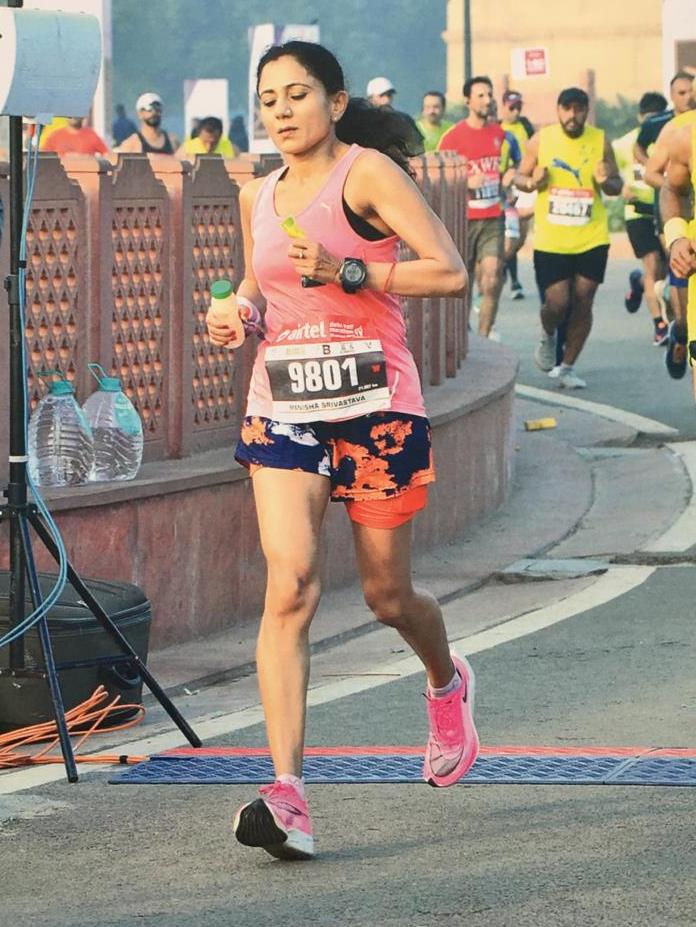
Gurgaon-based ultra-runner Manisha Srivastava has also opted for the 90 km distance for Sunday’s virtual race. She will be running inside her apartment – it is a fairly big one, and on the stairs of her building to accumulate the required elevation gain.

For the entire period of lockdown, she focussed on home-based workout and did not step out for a run. “ Until the lockdown was announced, I was training for Ultraman Canada,’’ she said. Confined to her apartment for the past two months, Manisha decided to do the virtual race as a means to reconnect with her training.

Ultraman Canada, originally slated to be held in July 2020, has been postponed to July 2021. Ultraman is a three-day triathlon stage race. The first day starts with a 10 km swim followed by a 145 km bike ride. The second day has a 275 km bike ride and on the third day there is an 84.4 km run. Each of the disciplines must be completed in 12 hours.

Update: Dr Anand Patil completed his 90 km run in 14 hours, two minutes and 32 seconds. Having secured permission from the authorities, he commenced his run at 12:05AM from Gateway of India. He finished the run well although Mumbai’s humid weather and heavy vehicular traffic did weigh him down. Manisha Srivastava completed her run in 11:29:45 hours. Running inside her house was a challenge as it caused the GPS device to work with a lag, she said. At last count over 300 people from India had registered to run the virtual Comrades Marathon. In all, some 43,000 people from all over the world, participated in the event.

(The author, Latha Venkatraman, is an independent journalist based in Mumbai.)

THE SUNSHINE VITAMIN

Illustration: Shyam G Menon

Few things encapsulate the relevance of the outdoors as vitamin D does. It has been aptly called the sunshine vitamin. When human life recedes indoors – as it has in recent times dominated by work and workplace, sedentary lifestyle and growing atmospheric pollution – we turn our back on sunshine. In India, that should provoke thought because we were already a population associated with vitamin D deficiency. This blog spoke to two doctors who lead an active lifestyle for an overview of the role vitamin D plays in our life:

“ In the basket of vitamins, vitamin D is an important one. Yet ironically, it isn’t strictly a vitamin. Vitamins cannot be produced by the human body. What we call vitamin D is more a hormone. Thereby, it is the only vitamin, which can be produced in the body,’’ Colonel Muthukrishnan Jayaraman, an endocrinologist with the Indian Army and a regular runner, said. The main role of vitamin D is in bone mineralization and calcium metabolism. Research has shown that vitamin D has receptors in many cells. It has an anti-cancer role; cancer can get out of control in cells that are deficient in vitamin D. Although not yet established beyond doubt, vitamin D is believed to influence immunity. Deficiency in vitamin D can lead to inflammation and autoimmune diseases. Further, there are connections between vitamin D levels and diabetes.

In general, nutritionists advise a Recommended Dietary Allowance (RDA) of 600 to 800 units of vitamin D (600 being for those up to the age of 70 years; 800 for those above 70). Over time, the body needs more vitamin D. There is also an optimum level of 30 nanograms per milliliter, assigned for vitamin D in the blood. Below 20 nanograms is deemed deficient. Above 30 is good for bone health. However, above 100 is toxic. “ Between 30 to 100 nanograms – that is what we need. There has been a recommendation that the RDA be more,’’ Col Jayaraman said. The body gets vitamin D through synthesis and supplementation. In the latter, sources of vitamin D include select fishes and egg. “ Some of the food items we turn to for vitamin D are expensive. But we have an inexpensive avenue to process vitamin D in sunlight. The sun’s ultraviolet B (UVB) rays affect cholesterol in the skin cells and provide the energy for vitamin D synthesis. It is generally noted that the sunshine available between 11AM and 3PM works best for this purpose. The recommended period of exposure to sunlight is 15-20 minutes. You can expose as much of your skin as you wish. Don’t go overboard. Excessive exposure, prolonged exposure – these can be counter-productive. We are all familiar with the sensation of sunburn. At about the point of being sunburnt, you may conclude that you have done enough to synthesize a month’s worth of vitamin D. That is a practical thumb rule,’’ he said.

The population of South Asia – including India – is generally deficient in vitamin D. This has been attributed to the darker skin of the region, which is not very efficient at vitamin D conversion. The predicament has been compounded by acquired habits like excessive use of sunscreen (especially brands sporting high PF value) and emergent environmental problems like atmospheric pollution. “ A study from Mumbai last year showed that almost 80 per cent of the survey sample was deficient in vitamin D. There was another from North India, which showed deficiency of 15-30 per cent. Deficiency was higher in urban areas and less in rural areas. It betrays the impact of lifestyle and varying degrees of exposure to sunlight therein. However what should worry us in India is that even solders and farmers, who are generally associated with greater time spent in the outdoors, have vitamin D deficiency,’’ Col Jayaraman said. Further, contemporary lifestyles are not helpful for vitamin D production. “ Modern day life has grown progressively sedentary and courted the indoors. We don’t indulge in sports; we spent less time outdoors. What we should note is that the risk associated with fair skin – that of excessive exposure to sunlight causing skin cancer – is not high in the Indian context, ‘’ he said.

“ Vitamins refer to a group of nutrients which are not synthesized by the body and are required in small amounts through dietary sources. In Latin, vita means life. Vitamine was the original word as Thiamine was the first vitamin to be discovered. At that time it was thought that all such nutrients would be amines (they are organic compounds which contain and are often actually based on one or more atoms of nitrogen). The amine angle wasn’t found to be true.  So the `e’ in vitamine was dropped to de-emphasize the amine reference,’’ Dr Pravin Gaikwad, a pediatrician based in Navi Mumbai, who is also a runner and triathlete, said.

Vitamins are micronutrients necessary for cell function, growth and development. There are 13 essential vitamins required for the body to work properly. Vitamin D, through a historical accident, became classified as a ` vitamin.’ It is produced in the human body. It is absent from most natural foods except certain fish and egg yolk. Even when it’s obtained from food, it must be transformed by the body before it can do any good.  It’s actually a fat soluble pro hormone steroid that has endocrine (hormonal) and extra hormonal functions. Hormonal function is involved in calcium homeostasis and extra hormonal function is related to genetic mechanisms required in cell multiplication, differentiation and death (apoptosis). The dietary sources of vitamin D are oily fish such as salmon, mackerel (100 gm gives 1006 units); cod liver oil and egg yolk (100 gm egg yolk offers 218 units of vitamin D; each measure of egg yolk is approximately 18 gm, so 5-6 eggs would be required). Red meat and animal liver supply negligible amounts of vitamin D.

Illustration: Shyam G Menon

The main raw material for vitamin D is sunlight. Therefore, it is also known as the sunshine vitamin. The recommended requirements are: adults up to 70 years – 600 IU per day, beyond 70 – 800 IU per day. Vitamin D has been found to regulate the expression of almost 900 genes involving calcium phosphate metabolism, immune system and brain development. It is well-known that vitamin D deficiency causes rickets in children and osteomalacia (softening of bones) in adults. It also aggravates osteoporosis. Further, vitamin D deficiency causes chronic muscle pain and muscle weakness. Several observational studies have demonstrated the association between robust levels of vitamin D and reduced mortality and the risk of developing certain types of chronic diseases.

“ Vitamin D has been found to be important for physiological functions such as muscle strength and neuromuscular coordination. Deficiency may lead to increased risk of falling, especially in the elderly. This vitamin’s role in preventing development of colo-rectal cancers, breast and prostate cancers has also been observed. Vitamin D’s role in brain development and function has been a subject of study lately. It has been found to be so crucial that it is also regarded as a `neurosteroid.’ Further, it has been documented that vitamin D can influence fundamental processes for brain development in the embryonic brain. The influence of vitamin D is also suggested in complex planning and formation of new memories. Vitamin D deficiency could be responsible for the patho-physiology of schizophrenia,’’ Dr Gaikwad said.

As said earlier, the main raw material of vitamin D for human beings is sunlight. It is derived through the photo conversion of 7 dehydrocholesterol to cholecalciferol (vitamin D3) in the skin by UVB radiation – 299-310 nm – following exposure to sunlight. The amount of vitamin D produced depends on several variables like environmental factors, personal variations and personal habits. The environmental factors include latitude; season, time of day, weather conditions, amount of air pollution, natural ozone layer and surface reflection. Personal variations include skin type; age and obesity. Habits include sociocultural habits like clothing and religious preferences, lifestyle, workplace and sun avoidance-practices like using sun block. Exposing the whole body to UVB radiation inducing a light pink color for 15-20 minutes will prompt production of up to 10000 IU of vitamin D. As per the Endocrine Society’s clinical practice guidelines, vitamin D deficiency in blood is less than 20 ng/ ml; insufficiency is 21 to 29 ng/ ml and sufficiency: 30 – 100 ng/ ml. “ Over 50 per cent of the world’s population and around 75 per cent of the Indian population is supposed to have insufficiency or deficiency of vitamin D,’’ he said.

The solar radiation between 11AM to 3PM is maximally helpful for vitamin D production. Over 7AM to 11AM and 3PM to 7PM, the radiation is around 40 per cent of what you get at the earlier mentioned time. “ It’s obvious that most of us (including children nowadays) are not outdoors at the time of peak exposure,’’ Dr Gaikwad said. According to him, a study published in 2018 from Pune indicates that men in western India, living in an urban setting at 18.5 degrees north and having dark skin, required over one hour of casual sunlight exposure to the face, forearm and hands (15 per cent of surface area) between 11AM and 3PM or scaled equivalent time to maintain vitamin D level above 20 ng / ml and 2 hours for 30 ng / ml.

Challenges to proper vitamin D synthesis include: increased air pollution, which makes solar radiation available less on the planet’s surface and the thinning of the natural ozone layer, which actually helps with getting radiation but is found to increase incidence of skin cancer. To note further is that it is direct sunlight and not reflected sunlight from surfaces (of buildings) which has maximum UVB for vitamin D production. “ We Indians have skin type 5 (Fitzpatrick type 5) due to which we are able to produce less vitamin D compared to lighter skins. However, the same factor plays a favorable role in preventing skin cancers,’’ Dr Gaikwad said (according to Wikipedia, the Fitzpatrick scale was developed in 1975 by Thomas B. Fitzpatrick as a way to estimate the response of different types of skin to ultraviolet [UV] light. Type 5 is described therein as: very rarely burns; tans very easily).

The older one’s age, less is the skin thickness. That leads to decreased capability for vitamin D production. With incidence of overweight and obesity increasing alarmingly, cases of vitamin D deficiency have also increased because vitamin D available in the blood reduces as it gets deposited more in fat cells. Sociocultural habits like clothing also makes production of vitamin D that much more difficult. Our present day lifestyle and workplaces offer no outdoor exposure during the peak hours. Sunblock with SPF 15 and more reduces UVB penetration by more than 95 per cent. High fiber phosphate in the diet makes calcium in food less available for absorption. Low calcium in diet exhausts vitamin D stores fast. Finally, in South Asians, there is a gene which may also contribute to low body stores of vitamin D by activating its turnover thereby exhausting its stores, Dr Gaikwad said. Generally, we get around 10 per cent of vitamin D from food and the rest from the sunlight. In August 2018, FSSAI allowed fortification of food with vitamin D. Certain milk brands are now fortified with vitamin D. It is also pushing for the fortification of oils.

There’s no evidence to suggest that very high doses of vitamin D can prevent or treat COVID-19 and that individuals with limited access to sunlight should consider a supplement, a British Medical Journal (BMJ) report on nutrition, prevention and health has stated, Dr Gaikwad pointed out.

Illustration: Shyam G Menon

Immunity depends on many variables of which sunlight is just one factor. If we maintain a healthy lifestyle – meaning thereby proper nutrition, exercise (at home in the present pandemic situation) and adequate sleep – and ensure ways to withstand the stress of modern life, immunity would not be compromised. In general, given that modern lifestyle demands we be less exposed to sunlight, vitamin D production would obviously be less. The best option seems to be to monitor the blood levels of vitamin D and take supplements, if necessary. Vitamin D is a fat soluble vitamin (not water soluble like vitamin C and B complex vitamins). It remains stored in the body for a long time and does not get excreted if taken beyond required levels. In Nordic countries, where the winter lasts for a long time, blood vitamin D levels are known to fall by only 20 to 40 per cent. “ If lockdown extends for a long time, a blood test to check vitamin D levels – especially in the elderly population above 70 years of age – may be considered,’’ Dr Gaikwad said.

The risk of taking very high doses of vitamin D is vitamin D toxicity. As it is a fat soluble vitamin, vitamin D accumulates in the body gradually and shows symptoms of hypervitaminosis D after a few months, which are largely reversible but may cause kidney damage and calcium deposition in arteries. So it is always recommended to be taken under medical guidance with monitoring of blood levels, if necessary.

(Compiled and edited by Shyam G Menon, freelance journalist based in Mumbai.)

THIS YEAR IT’S RACE ACROSS AMERICA, FROM YOUR HOME

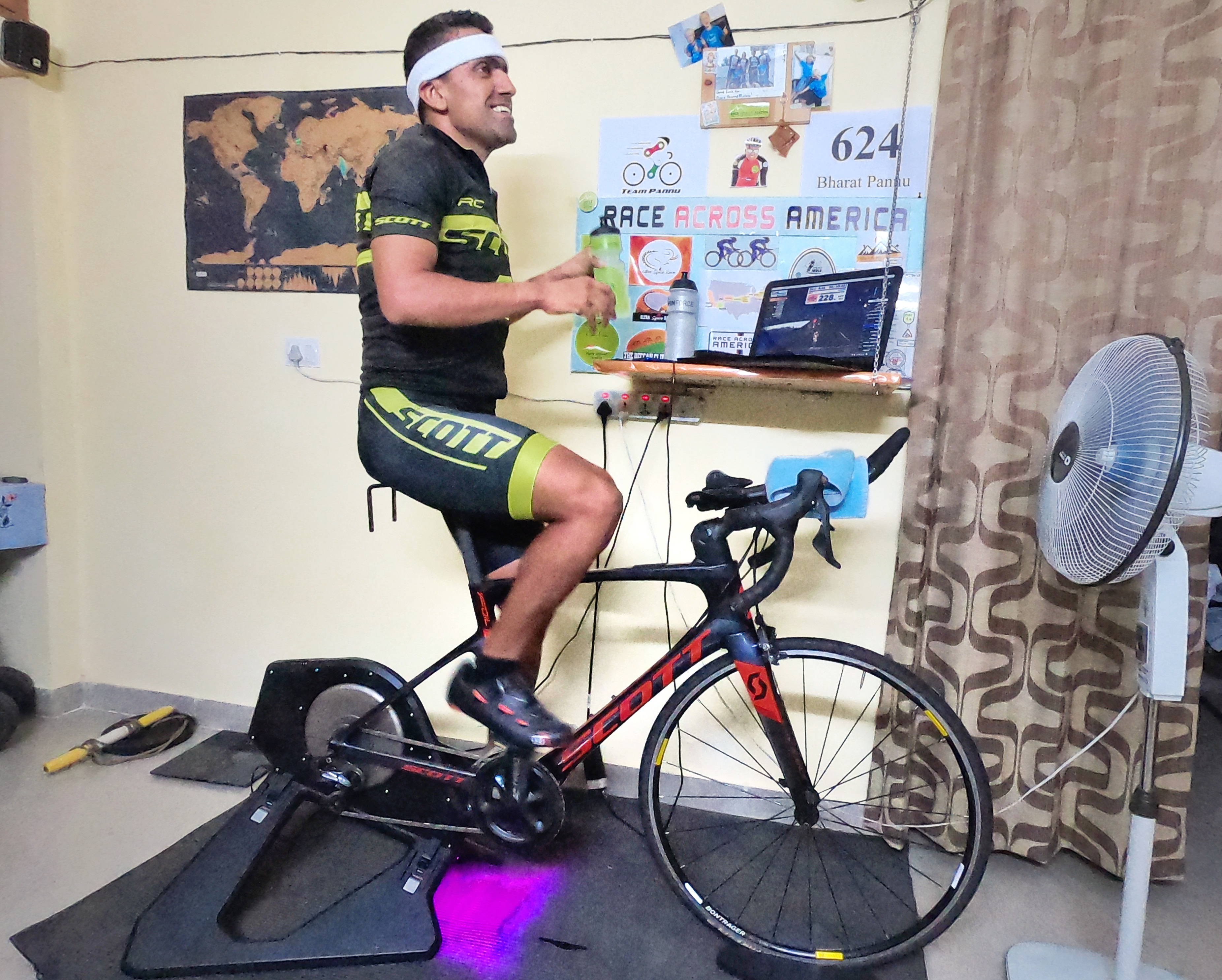
Lt Col Bharat Pannu on his home trainer (Photo: courtesy Bharat)

As COVID-19 swept across the planet, many bicycle races got cancelled. Lockdown restricted access to the outdoors and people were forced to refashion their chosen sport for pursuing it indoors. Runners attempted marathons indoors; cyclists pedaled on their home trainers..

Computer programs promising virtual rides have been around for some time. Amid pandemic and lockdown, they zoomed in popularity. It wasn’t long before bicycle races embraced the technology.

In early April 2020, one of cycling’s famous events – the annual Tour of Flanders – had an online digital version, won by Belgian cyclist, Greg Van Avermaet. According to those who followed the race, the format featured a shortened distance of 30 kilometers compared to the event’s real distance of 250 kilometers. This was partly because the event was a demonstration of technological possibilities and partly because riding in race mode for three hours on the home trainer was considered challenging enough. On April 3, in an email communique to those who had registered to participate in Race Across America (RAAM), the event’s organizers informed that the 2020 edition of the race was being cancelled. Some 20 days later, on April 24, VeloNews reported that Australian journalist Rupert Guinness who was among those scheduled to attempt 2020 RAAM, had set the ball rolling for a virtual reality version of the race. The report said that more than 800 people from around the world has signed up with expressions of interest to race.

RAAM – its route runs from the US west coast to the east – is one of cycling’s toughest endurance races. It is also fairly well known in India now, having been attempted thrice by that pioneer – Samim Rizvi (he would try it four times altogether; in 2011 he finished just outside the race’s 12 day cut-off), before the Mahajan brothers (Dr Hitendra Mahajan and Dr Mahendra Mahajan) placed first in the two-person male under-50 category at 2015 RAAM. In 2017, Lt Col Srinivas Gokulnath became the first Indian cyclist to complete the race within cut-off in the solo category; he was followed to the finish line by fellow Indian, Dr Amit Samarth. This year as RAAM goes virtual in mid-June, Lt Col Bharat Pannu will pedal his avatar across a digital American landscape comparable to the distance and elevation gains of RAAM. He will be racing in the solo category. Bharat, who is a familiar face in ultracycling in India, has been training for RAAM for the past couple of years. His 2019 attempt was prematurely terminated following an injury he sustained while training in the US. The subsequent 2020 attempt appeared lost due to pandemic till it found an extra lease of life in Virtual RAAM (VRAAM).

Based in Bengaluru, Bharat will move to Pune for VRAAM, scheduled to commence on June 16. The virtual race has three categories – the full 3000 mile-length of RAAM, the shorter race built into RAAM called Race Across West (RAW / in this instance: VRAW) and the60, which involves riding one hour every day for the 12 days of VRAAM. The overall cut-off for VRAAM remains the same as in the real race – 12 days. According to the virtual event’s website, “ all ride distances will be stunning road segments in the USA. They will not be the actual RAAM course.’’ The virtual race covers a total distance of 4542 kilometers and entail elevation gain of 73,739 meters. The technology platform used is FulGaz. As per details available on the FulGaz website, the VRAAM route is composed of iconic and interesting rides from the US. It has also been mentioned that since the actual route of RAAM is not being followed, sometimes a segment may repeat. The real RAAM is done with support vehicles and support crew. Bharat had planned all that before the 2020 edition of the race was called off. His crew was largely drawn from the community of cyclists in Pune. They will be supporting him for VRAAM too. “ I would have liked the attempt to be staged at a venue accessible to the public. But the present circumstances don’t allow that. So it will be at a private location,’’ he said.

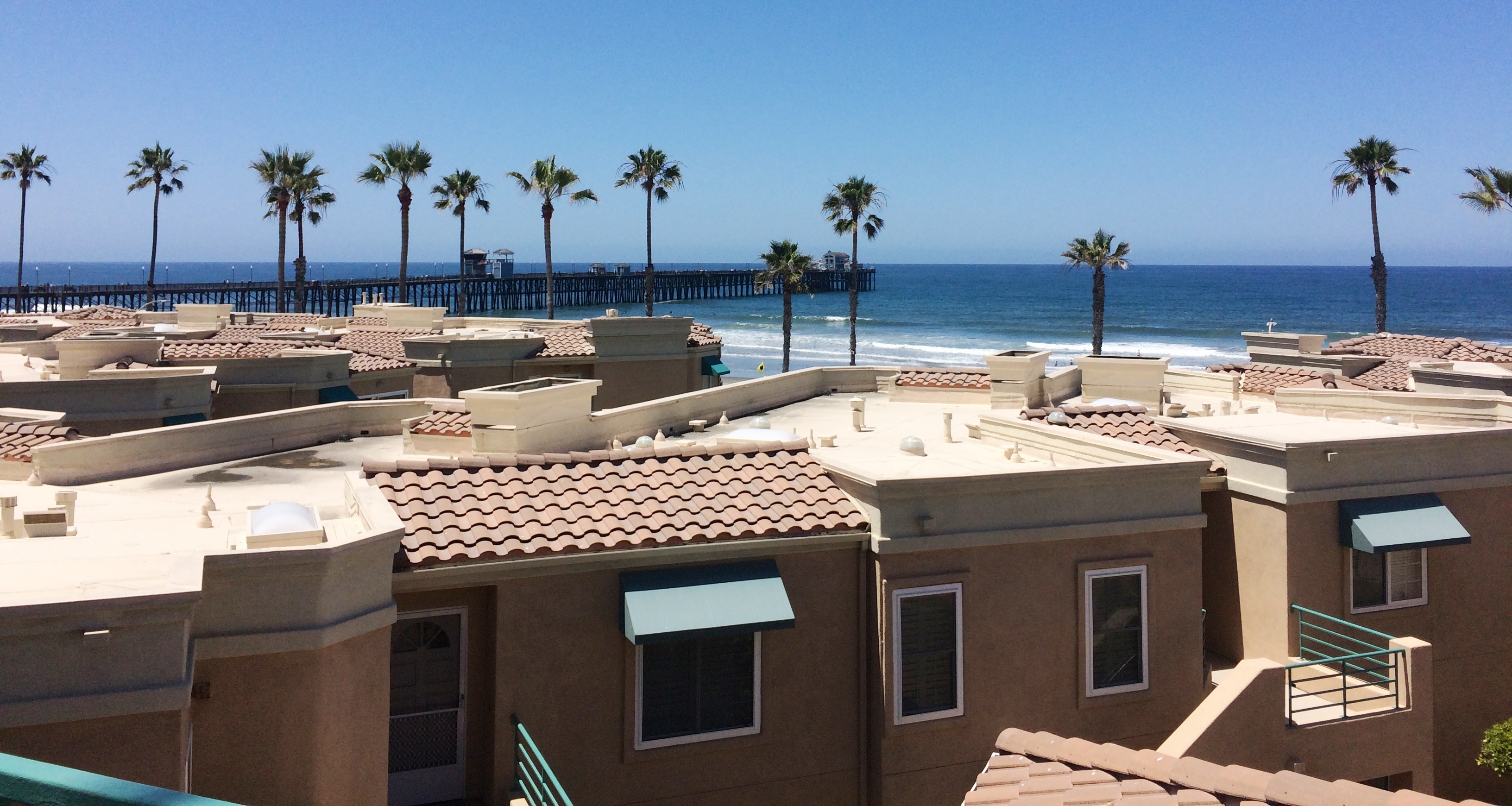
A view of Oceanside pier in California, traditional starting point of Race Across America (Photo: Rajeev G)

At the heart of the VRAAM attempt will be the present day home trainer. Bharat has been using a smart trainer for the past few years. While virtual reality means he avoids being physically present in the US, a multi-day endurance race like VRAAM will have challenges despite rider being stationary. In fact, one of these challenges relates to the physical restrictions associated with cycling on a trainer. In the outdoors where bicycle moves on open road, the cyclist meets every turn and climb with a body language that is freer and more versatile than what is possible when bike is rooted to one spot. As may be imagined, when the bike is locked into trainer and the whole contraption stays stiff and incapable of lateral flexion, dynamic movements of the sort possible in normal cycling become impossible. There will be no leaning into curves, no weaving, very little of standing up and pedaling. You are limited to an utterly linear delivery of power. Repeating this over a long period of time takes a toll. The issue of saddle sores could be more pronounced in this kind of cycling because you don’t have room for postural adjustments that allow relief. “ When riding your bike outside, the bike moves and flexes in response to your body, kind of like a dance… a stationary bike doesn’t move, so there may be a bit more friction and as the rider moves side to side…,’’ Tracy McKay, Bharat’s US-based coach pointed out. The neck is another critical part that endures stress during distance cycling. Extended hours of cycling are known to fatigue the muscles holding the head up. For VRAAM, Bharat will have the computer screen showing his avatar, hooked up to a TV screen for bigger image. Slip into his saddle and imagine it – you can’t keep that TV screen in poorly thought through location and endure the resultant strain on the neck endlessly. You have to plan its position well; as Bharat said, keep it in line with his most comfortable riding position, maybe at an angle that is tad lower than normal to be easy on the neck.

The biggest challenge is none of the above. Human beings thrive on variety, multiple stimuli and three-dimensional eyesight. The actual course takes you through mountains, arid country and plains. All of these settings have very palpable ecosystems. They challenge the rider but also retain variety in the experience. Confined to where he is, Bharat will have little change in weather and no change in surroundings. His perception of world he is cycling through will be the two dimensional display of a computer program. Advanced smart trainers exist that allow lateral flexion to an extent and also simulate feel of terrain. But replicating the outdoor experience entirely and convincingly is still a long way off. “ VRAAM is basically a mental challenge,’’ Bharat said. What he may end up battling the most is – monotony. “ As always the mental aspect is the real challenge…VRAAM provides some visual stimulation to provide sense of change and progress. At the same time riding in stationary (format) with all creature comforts available may prove very tempting to step away from the bike more often. The brain creates interpretations of what we are experiencing to help manage and safeguard our well being. For the riders, staying on the bike must be more important and valuable than getting off the bike,’’ Tracy said. He also pointed out that hydration / nutrition requirements for VRAAM will be different.

Given he will be pedaling in contained ambiance Bharat estimates he won’t have to worry of outdoor risks like traffic, taking a tumble or falling off the bike. “ I believe I will be therefore taking less rest and keeping the momentum going,’’ he said. According to Tracy, VRAAM and RAAM are similar and different at once. “ VRAAM should not be looked at as a simple video game… it is not a training event. It is its own unique challenge that’s never been done. Technology allows riders and their crews to look at rider data heart rate; elevation, relief, load, etc. it will be tough! Good Training for RAAM, yes and vice versa…’’ Tracy said.

Major Sandeep Kumar (Photo: courtesy Sandeep)

Besides Bharat who will be attempting RAAM in the solo category, there is Major Sandeep Kumar who will be participating in VRAW. Sandeep started out in running; he was part of a group from the army that did 50 half marathons in 50 days. He moved on into ultrarunning and the triathlon. In 2016, he secured podium position at a triathlon of full Ironman dimension, held in Chennai. “ I was doing cycling also during this period but it is a sport requiring time and attention and I didn’t have enough to spare given the nature of my work,’’ he said. Becoming part of Bharat’s crew for the 2019 edition of the well-known Indian ultracycling event, Ultra Spice, changed that. The race provided the army officer a ringside view of what went into ultracycling. Sandeep was included in Bharat’s team for 2020 RAAM, as crew member overseeing nutrition. Then pandemic struck and RAAM got cancelled. When VRAAM was announced, he decided to support Bharat and also attempt the shorter VRAW. “ We were already training on smart trainers. So attempting VRAW made sense. However cycling indoors for long will be challenging,’’ he said. Additionally, there are three members of Bharat’s original support crew for RAAM who will attempt the60. Unlike in RAAM, a race roster wasn’t available for VRAAM making it a bit difficult to ascertain if there are other Indian starters besides the said five.

 (The author, Shyam G Menon, is a freelance journalist based in Mumbai.)

CYCLING / VIRTUAL REALITY: IS IT THE PROVERBIAL TIP OF THE ICEBERG?

Illustration: Shyam G Menon

Within the classic trinity of endurance sports – swimming, cycling and running – cycling has been early candidate for creativity by technology.

As life slipped indoors due to COVID-19 and lockdown, swimming pools shut and running got severely curtailed. But cycling stayed partly afloat thanks to the home trainer.

The concept of trainer is not recent by any yardstick. According to Wikipedia, the “ dandy horse,’’ also called Draisienne or Laufmaschine was the first human means of transport to use only two wheels in tandem. Invented by Baron Karl von Drais, it lacked pedals but is regarded as the first bicycle. He introduced it to the public in 1817-18. In the early 1860s, the Frenchmen Pierre Michaux and Pierre Lallement, in their design, added a mechanical crank with pedals on an enlarged front wheel – this was the velocipede; the first bicycle to enter mass production. Look up the history of the bicycle trainer and you will usually find a photo of a velocipede trainer from 1884. So it would seem: as of 2020, the bicycle is roughly 203 years old and the trainer, 136 years old at least.

The velocipede trainer resembles an early form of the stationary bike or exercise bike. It makes no effort to hide its immobility. What we today recognize as the home trainer, packages that trait into a piece of specialized equipment or accessory – it is an adjunct converting regular bicycle into a stationary bike.  This home trainer now comes in various finishes, the most advanced of which is the smart trainer. The latter category allows you to experience a ride in virtual reality (akin to gaming environment). Using specialized software you can link a responsive trainer to a digitally mapped cycling route. You see yourself on computer screen as an avatar responding to the physical effort you put on trainer. In high end programs, you can compete with others in the digital ecosystem of a race of your choice. Needless to say, in these months of pandemic, technology platforms promoting virtual cycling have gained popularity while the home trainer has sold well with select models out of stock on some websites.

The best known of cycling’s emergent technology platforms is Zwift; it is described on Wikipedia as “ a massively multiplayer online cycling and running physical training program that enables users to interact, train and compete in a virtual world.’’ It is made by a California-based company called Zwift Inc, cofounded by Jon Mayfield, Eric Min, Scott Barger and Alarik Myrin. As of 2018, Zwift had 550,000 user accounts, that page said. But this number is from before the COVID-19 pandemic. The lockdown accompanying the pandemic is known to have hugely increased the traction for programs like Zwift (some media reports have estimated user base at a million plus). “ The companies creating these platforms were investing in technology and marketing earlier itself. The pandemic and the lockdown that followed grew their user base exponentially,’’ Nigel Smith, Head Coach, Kanakia Scott Racing Development, a road racing team based in India, said. It wasn’t possible for this blog to get an idea of the scale and value of the relevant potential market. What we do know is that cycling is one of the world’s biggest sports and among humanity’s popular forms of physical activity; there is separately a rising army of gamers and programs like Zwift appeal to both dedicated cyclists and those in the overlapping borderlands of cycling and gaming. According to crunchbase.com, Zwift – it was founded in 2014 – has so far raised $ 164.5 million including a December 2018 instalment of $ 120 million. A podcast by Rouleur magazine also cited similar figures. Additionally, the Crunchbase page said that as per Privco, Zwift had a post-money valuation in the range of $ 500 million to $ 1 billion as of December 19, 2018. A December 2018 report on sportsbusinessdaily.com regarding the $ 120 million raised, mentioned that according to its co-founder and CEO, Eric Min, the startup was “ approaching unicorn status.’’

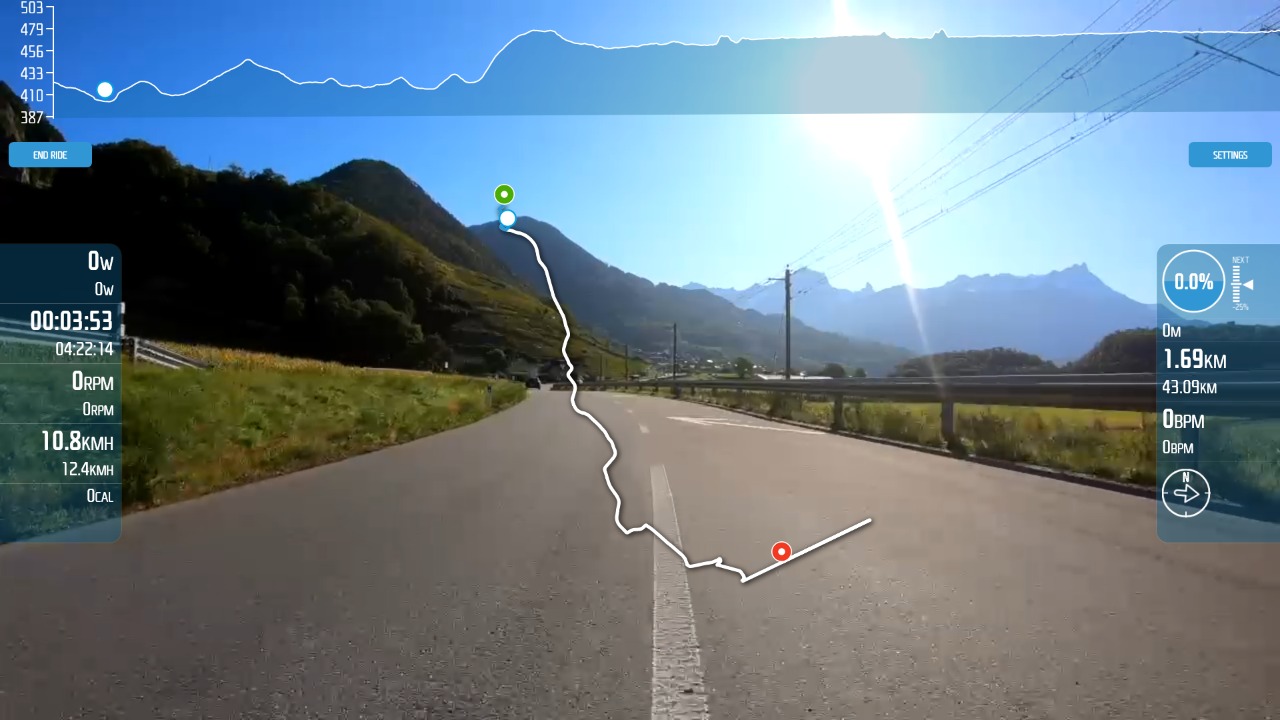
Screenshot of FulGaz’s version of the UCI 2020 World Championships ITT course in Aigle, Switzerland. The home trainer adjusts resistance based on the actual course elevation profile (Photo: courtesy Naveen John)

There is a December 2014 interview with Eric Min by Kelli Samuelson, available on the Zwift website. Two paragraphs therein provide an overview of the company’s inception. Min and his partner Alarik Myrin had co-founded Sakonnet Technology. It worked out well and the duo thought: why don’t they start the next venture together? “ We were looking at different industries, but it seemed all the great ideas were already taken! The turning point was when my older brother Ji, a private equity professional, advised me to stick to what I know best. Alarik had been encouraging me to take a hard look at cycling since I was so passionate about the sport. But whatever we decided to start together, it had to be consumer focused with the technology at the core of it and the business had to scale,’’ Min has been quoted as saying. At this point in time, due to family commitments and work, he was doing most of his cycling indoors. “ It had dawned on me that the indoor cyclist was being underserved and that the indoor experience hadn’t really changed all these years. It still wasn’t fun or social! Then I had a moment of eureka. What if we could take something that was historically mind numbing and turn it into entertainment? What if we could take advantage of video game technology, social networks, and friendly competition, and package that experience for the indoor cyclist?’’ Min explains in the interview.

Late April 2020, as news appeared of the push to host a virtual reality version of Race Across America (RAAM), the program involved was FulGaz. There are differences between the nature and texture of these programs. “ Zwift appears more interested in the blend of cycling and gaming. It is not above creating a make believe gaming world around cycling. There are already elements of equipment upgrade and trade using points earned, built into the format. It is also more social. That seems to be their preferred trajectory. On the other hand, FulGaz – it is an Australian company – appears focused on making their version of virtual reality as close to real life as possible. They offer some iconic cycling routes in digital format, which your avatar cycles through. The first type of product should appeal to the larger crowd combining cycling and gaming; the second should appeal to the more serious cyclist. That is what I would think,’’ Naveen John, among India’s leading bicycle racers, said, when asked about how the market was getting split between the various programs on offer. Are these technology platforms indicative of a whole new world of obsession opening up within cycling?

There are aspects of cycling outdoors that may not be acquired if your interest is restricted to excelling only in virtual reality. Aside from software, the core of this new paradigm is built of home trainer and bicycle. Once a bicycle is mounted on a trainer, its feel and behavior is different from riding outdoors. “ You pick up bike handling skills and bunch riding skills by cycling outdoors,’’ Nigel said. However there are critical variables in the equation – technology and the push of virtual reality to progressively become as close to reality as possible. Already high end trainers exist that can simulate the feel of terrain and permit a degree of flexion for bike mounted on it. But if you push gaming further, then what you wish for in the realm of fantasy may exceed what you normally need in the real world of cycling. Not surprisingly, there have been moves by companies currently in the programming sphere to get into related physical hardware. This is why the simple and tempting question of whether performances in virtual reality will outdo performances returned in the real world (example: which will be faster, RAAM or VRAAM?), doesn’t make complete sense. The two are not exactly comparable; it is not apples to apples.

The two worlds – their nature, their potential and their challenges – are mutually different. However, at some levels, there would be benefits transferable to each other’s distinct universe. Nigel did not think that there could be coaching totally focused on excelling for home trainer-based virtual reality. He feels the general push is still to cycle outdoors and excel there. “ There is a way to race and excel on these technology platforms and it is not necessarily the same as riding outside. I think what a coach would look for is a well-rounded athlete and not merely an efficient cardiovascular system on a pair of strong legs. However, training on the home trainer lets you focus on specifics,’’ he said. Another example of potential synergy was reported by Cycling News – a story from the Zwift Academy program begun in 2016, in partnership with Canyon-SRAM.  The article quoted Eric Min describing Zwift Academy as “ an entirely new means of identifying talent.’’ The 2019 Zwift Academy had nearly 9000 woman participants, a growth of 80 per cent compared to the previous year. Jessica Pratt of Australia who topped the program secured a one year contract and the final spot on Canyon-SRAM’s roster for 2020, the article said.

Illustration: Shyam G Menon

Further, between June 2020 (time of writing) and same time a year ago, there is a palpable difference as regards general interest in cycling’s virtual reality avatar. “ About a year ago, I recall there was a debate comparing cycling in the real world and the same in virtual reality. At that time, sentiment was definitely favorable to the outdoors,’’ Nigel said. The divide isn’t that sharp now. What the pandemic unleashed in home trainer-based cycling, may well be a genre that becomes a world by itself. There are reasons why this line of thought merits attention.

For some time now the Olympic movement has been studying the world of gaming. In 2017, the International Olympic Committee (IOC) had said that competitive gaming could be considered as a sporting activity. There have been reports since indicating that the 2024 Paris Olympics may have e-sports in the list of sports for demonstration. The earlier mentioned December 2018 report on sportsbusinessdaily.com quoted Min as saying, “ our goal is to bring Zwift to the Olympics.’’ In September 2019, NBC Sports reported that IOC and Intel have partnered for the Intel World Open, an e-sports competition to be held before the 2020 Tokyo Olympics (the 2020 Olympics have since been postponed to 2021 due to the COVID-19 pandemic). In December 2019, an article in Business Insider said that in recent clarifications (following the 8th Olympic Summit held earlier that month) the IOC has said its interest is confined to games based on real sports. According to it, “ the committee floated the possibility of embracing video games that make use of virtual or augmented reality to add a physical component to gameplay.’’ In other words, the IOC wants you to move, be physically active; plonked down on a chair and pushing buttons won’t do. In this new matrix, cycling sits pretty. Programs like Zwift and FulGaz require you to be actively pedaling on home trainer. “ From the ranks of established sports, I think cycling has a good chance of making that cut as regards e-sports at the Olympics,’’ Naveen said. That is of course, assuming the Olympic movement is still interested in e-sports and the programs currently fascinating cyclists continue to be partial to physical activity.

(The author, Shyam G Menon, is a freelance journalist based in Mumbai.)

STUDY SHOWS RISE IN FREQUENCY OF EXERCISE DURING LOCKDOWN

Illustration: Shyam G Menon

Following a survey of 12,913 participants from 139 countries, the website runrepeat.com has concluded that the act of indulging in physical exercise increased in general, during the COVID-19 induced-lockdown. There was however a dip in frequency of exercise for those normally used to exercising very often.

The survey required participants to report how many times a week they exercised, worked out or played sports before the outbreak of COVID-19 and after the outbreak acquired global scale. For the purpose of study, a person working out 1-2 times a week was deemed an average athlete; up to three times a week – moderate athlete and more than four times a week, avid athlete. Average athletes were found to have increased their frequency of exercise by 88 per cent. Moderate athletes increased their frequency by 38 per cent. However, avid athletes decreased their frequency by 14 per cent on average, a report by Paul Ronto, dated May 27, 2020, available on the runrepeat.com website, said (the report may be accessed on this link: https://runrepeat.com/exercise-covid-19-study). The survey was done between March 24 and March 30 this year.

Within these blocks, those who normally exercise once a week were found to have hiked that frequency by 156 per cent. Figures for other categories were – twice a week: +55 per cent; thrice a week: +8 per cent, four times a week: -10 per cent, five times a week: – 16 per cent, six times a week: -18 per cent and seven times a week: -15 per cent.

The study also looked at running since that was an activity permitted at many places during the period of survey. The trends were broadly similar to what has been cited in the case of exercise. Those used to participating in running once or twice a week ramped it up by 117 per cent, those previously running up to three times a week increased it by 55 per cent on average and avid runners – those running more than four times a week – decreased their efforts by nine per cent.  Broken down further, the details were – those who previously ran once a week: +205 per cent; twice a week: +76 per cent, thrice a week: +22 per cent, four times a week: -2 per cent, five times a week: -10 per cent, six times a week: -13 per cent and seven times a week: -11 per cent.

The runrepeat.com study has also been mentioned by World Athletics in its statement of June 3, 2020 on a four year strategic plan to grow athletics as world emerges from lockdown.

(The author, Shyam G Menon, is a freelance journalist based in Mumbai.)

2020 BOSTON MARATHON / SOME RECONCILE TO A REAL RACE IN DUE COURSE, OTHERS GEAR UP TO GO VIRTUAL

Bajrang Singh (Photo: courtesy Bajrang)

The 2020 edition of Boston Marathon has been cancelled. The marathon, initially slated to be held on April 20, 2020, was postponed to September 14, 2020. With the Boston Mayor cancelling mass participation events due to the COVID-19 pandemic, the organizers had to cancel the marathon and instead opt to hold it as a virtual race, which can be run anytime during the week September 7-14. It was the first time the marathon was being cancelled in its 124 year-old history.

Boston Marathon has stringent entry norms and attracts some of the best amateur marathon runners from around the world. The initial postponement and subsequent cancellation was on expected lines; as warranted by the current global situation. Nevertheless, there is an element of disappointment. A virtual race isn’t the real thing – right? Further, at least some runners – particularly those coming to Boston from developing economies – may have suffered financial loss owing to cancellation of flight and hotel bookings.

This blog spoke to a few runners from India who had registered for the 2020 Boston Marathon:

For Lucknow resident Bajrang Singh, this was to be his first attempt at the Boston Marathon or for that matter, any World Marathon Major. He had qualified for the 2020 edition of the iconic race with a fairly good margin.

On March 4, he traveled to North Carolina where his son’s family resides. “ I wanted to train in conditions similar to Boston Marathon. That’s why I came here much earlier,” he said.

But with every passing day, the pandemic got progressively worse. Boston Marathon, slated to be held on April 20 originally, was postponed to September 14, 2020.

“I was disappointed when the marathon got postponed to September. Still, I decided to attempt the September race. Now that has been cancelled,” he said.

A retired army officer, Bajrang Singh, 60, started long-distance running in 2016. “ During my career in the army, I ran short distances. I retired as a Colonel in 2014 when I turned 54 and in some time took up long-distance running,” he said.

At the 2019 Airtel Hyderabad Marathon, Bajrang Singh completed the race in three hours, 40 minutes and 32 seconds. The finish timing at Hyderabad helped him to qualify for the 2020 Boston Marathon with a decent margin.

“ Now I am stuck in the US and waiting for international flights to resume so that I can get back to Lucknow,” he said.

In the US, the lockdown has not been as stringent as it is in India. “ People have been moving around though large gatherings are not allowed,” he said.

Once he is back in Lucknow, he plans to attempt the virtual format of the Boston Marathon scheduled for September.

Deepti Karthik (Photo: courtesy Deepti)

Early May Deepti Karthik, amateur runner from Bengaluru, cancelled her registration for Boston Marathon. After the race got postponed to September from April, she felt it was prudent to withdraw from the event.

In 2020, Deepti was to run three World Marathon Majors – Tokyo Marathon, Boston Marathon and Berlin Marathon. Tokyo Marathon was held in March this year restricted to elite athletes. Besides Boston, she also cancelled her registration for the Berlin Marathon.

“ I am disappointed that the races were postponed and cancelled. However I don’t regret canceling my registration for these events,” Deepti said.

She feels it would be prudent to let at least one year go by before people can participate in a race, especially international marathons. Amidst lockdown in India, Deepti was able to focus on strength training and engage in occasional short runs in a lane close to her house.

Now that the 2020 Boston Marathon has been cancelled, the uncertainty surrounding the event has lifted, Sunil Chainani, Bengaluru-based runner, said. “ There is disappointment but given the current situation, it is the most sensible decision,” he said.

Sunil Chainani (Photo: courtesy Sunil)

He was to run Boston Marathon for the first time, this year. In his endeavour to complete the six World Marathon Majors he has already done Berlin Marathon, New York City Marathon and London Marathon.

Sunil is yet to study the details of the virtual race. “ But it will never be the same. Boston Marathon is about the atmosphere, the spectators, the weather, the route and the pleasure of running with good runners,” he said.

He is still keen to run the Boston Marathon and hopes to manage it in April 2021, subject to conditions surrounding the pandemic. “ I would like to emphasize that I will not take any chances that are detrimental to my health,” he said.

A member of the ultra-running committee of Athletics Federation of India (AFI), Sunil kept himself engaged during lockdown with fitness activities including strength training and various challenges. With lockdown norms easing in Bengaluru, Sunil has been able to step outside for his early morning run.

Nihal Baig (Photo: courtesy Nihal)

Mumbai-based triathlete, Nihal Baig, was to attempt Boston Marathon for the first time in 2020. He may now consider attempting the virtual race as a challenge to himself.

“This is probably the first time Boston Marathon is getting cancelled,” he said.

During the lockdown, he was able to run within his housing complex. It gave him a loop of 1.5 km and an extended loop of three kilometers. “ The longest run I have done so far is 28 km. I have managed with hydration for these runs. But to run a marathon, I may need gels,” he said.

By September 2020, which is when Boston Marathon’s virtual race is slated for, the situation surrounding the pandemic would have hopefully changed for the better.

A triathlete, Nihal was also able to do intense cycling workout at home. “ But I have not been able to swim because all pools are shut,” he said. He has enrolled for Ironman 70.3 Goa, slated to be held in November this year.

Ashoke Sharma (Photo: courtesy Ashoke)

“ Most of the Ironman triathlons around the world have been cancelled or postponed. So far, there is no word on any change from the Goa Ironman event,” he said.

Ashoke Sharma was to commence training for Boston Marathon in June coinciding with the easing of lockdown norms in Gurgaon, where he stays.

“ With the cancellation of the race, I don’t have to do any intense training for some time,” he said. He had enrolled for the 2020 edition of Boston Marathon after qualifying for it. “ I plan to register for the 2021 edition of the marathon depending on how the situation surrounding the pandemic pans out,” Ashoke said.

“ I was mentally prepared for the cancellation,” he said. This was to be his first attempt at the event. He has already finished Berlin Marathon, London Marathon and Chicago Marathon among the six World Marathon Majors.

He is not sure about signing up for the virtual race. “ In September, the weather in Gurgaon is not very pleasant,” he said. During the ongoing lockdown, Ashoke has been doing home-workouts including cycling.

Kumar Rao (Photo: courtesy Kumar Rao)

For Kumar Rao the 2020 edition of Boston Marathon was to be his third outing at this marathon. “ I was expecting the cancellation given the situation,” he told this blog from Bengaluru, where he resides. Kumar has also registered for the 2020 edition of New York City Marathon.

“ My plan now is to train for the virtual format of the Boston Marathon. I have been running on my treadmill, clocking a distance of 50-60 km per week,” he said. Kumar has also been doing other workouts to maintain fitness.

He is keen to explore virtual races. “ I would like to do some virtual races to keep the motivation going,” he said. By September when the Boston Marathon virtual race is scheduled to be held, the pandemic scenario may have altered, he said.

Five years ago, Murthy R K quit his high paying corporate job to focus on training and securing qualification for the Boston Marathon.

“ I am really disappointed that the event has been cancelled. For the past five years, I worked really hard to qualify for this marathon. A lot of hard work has gone into meeting the qualifying time,” Murthy, an amateur runner from Bengaluru, said.

“ I attempted the Mumbai Marathon five times to get my Boston qualifying time,” he said.

Murthy R K (Photo: courtesy Murthy)

Qualifying for the Boston Marathon is a “ major achievement,” according to Murthy. “ It was the most satisfying experience,” he said.

He is very keen to run the virtual format of the race. “ It will be a prestigious and historic experience doing the Boston Marathon’s virtual race,” he said.

A coach now, Murthy has been busy with home-based fitness activities, training individuals and groups on various elements of fitness.

“ I have not stepped out for a run during the lockdown phase. With norms easing, I may commence running outside,” he said. Murthy is averse to running inside apartments as it could lead to injuries.

Among the six World Marathon Majors, he has already completed New York City Marathon, Chicago Marathon and Berlin Marathon. “ I am not keen to complete all six WMMs. If I am able to do it through qualification I will go for them,” he said.

(The author, Latha Venkatraman, is an independent journalist based in Mumbai.)

LOCKDOWN & ME / SIGNS OF LIFE

Ramesh Kanjilimadhom (Photo: courtesy Ramesh)

Amidst continuing lockdown due to COVID-19, there has been relaxation of rules. Runners and cyclists have reappeared in some cities and towns, albeit in small numbers. It is a beginning although the new normal with mask, physical distancing and no races on the horizon, won’t be easy for all to embrace. Yet, signs of life – that it is.

For well over a month Ramesh Kanjilimadhom was confined to being indoors. In that while, the IT professional and amateur runner worked out to keep himself physically fit. Then, to stay connected to his chosen sport, he began jogging within the compound of his apartment complex. “ It was to keep myself going. By no yardstick can that be a replacement for running outdoors like before,’’ he said.

Contacted on May 22, five days into the fourth phase of the nationwide lockdown, he said that following relaxation in the severity of lockdown in Kerala, some runners have resumed their early morning run. Ramesh is among founders of Soles of Cochin, the state’s best known running group. It is a very sociable, outgoing group; the outfit’s social media presence reflects that spirit. The new normal has two important aspects, which are a departure from the sociable past – the use of masks and physical distancing. Ramesh described the outings amid the fourth phase of lockdown. Given the group is active on social media and well networked, a few of them still assemble at a predetermined place but with none of the clustering of before. They maintain physical distancing and wear masks. When the running commences, they don’t run as a group; they maintain separation. Post run, there is none of the old visits to café for breakfast either. According to Ramesh, it is not easy transitioning from an environment where people ran close together and chatted as they went along, to one where they are distanced from each other and consciously staying in a protected personal ecosystem. You have to acquire that habit. From among those venturing out in the new normal, the majority – including Ramesh – runs solo.

It is tempting to assume that the discomfort felt is less for those pushing longer distances like the marathon and the ultramarathon as they are used to being in a personal cocoon.  Ramesh thinks that assumption is too simplistic. “ Even distance runners used to find a few others of their league and proceed as a small group. So it is more a case of managing individual character, whether you liked sociability and proximity or could do without it. Overall, the current experience is a bit monastic compared to how sociable running used to be earlier,’’ he said. Ramesh said that runners from the group, who are doctors, had discussed the recent media report of a Chinese runner who used to run wearing a mask and eventually suffered a collapsed lung. Based on details available, they were not convinced that the collapsed lung was a direct consequence of wearing a mask; it seemed more due to existing comorbidity. However, Ramesh conceded that although people wear a mask when running in the new normal, it is not a pleasant experience. “ First of all, it is uncomfortable. Second, in places like Kochi, the humidity is quite high. It takes no time for the mask to get wet,’’ he said.

It was in September 1987 that Pink Floyd released their thirteenth studio album: A Momentary Lapse of Reason. For cover, it had a picture showing hundreds of hospital beds. Its opening song was the instrumental ` Signs of Life.’ The name of that song could be apt description for recreational sport right now in India. Things came to an abject standstill when lockdown commenced from the midnight of March 24. Now, amidst continuing lockdown due to COVID-19, there has been relaxation of rules. Runners and cyclists have reappeared in some cities and towns, albeit in small numbers. It is a beginning although the new normal with mask, physical distancing and no races on the horizon, won’t be easy for all to embrace. Yet, signs of life – that it is.

Anjali Saraogi (Photo: courtesy Anjali)

Anjali Saraogi and her husband run a health care services company in Kolkata. “ I haven’t run for over ten weeks now. I decided to take this lockdown positively and focused on yoga and flexibility,’’ she said. Anjali represents India in international ultra-running events. She holds the national best among women in the 100 km run. At the 2019 IAU 100 km Asia & Oceania Championships, held at Aqaba, Jordan, Anjali set a new national best of 9:22 hours, breaking her own previous record.

According to her, running with a mask on is very challenging. Getting back to races will take a long time. “ The running community will have to figure out how to organize races, which have huge crowds, especially at the big events. Also, the expo of the event, the holding area, the start line, the finish line and volunteering – all these are usually so crowded and involves physical contact,’’ she said. For some time ahead, the focus of running will be purely on fitness. She believes the new normal will definitely dilute the fun element, the bonding and camaraderie that training runs and races used to offer.

Pervin Batliwala (Photo: courtesy Pervin)

As COVID-19 plays out in India, one of the clearest trends yet is that of positive cases being most in a handful of major towns and cities. And of this unfortunate lot, Mumbai is the worst hit. In the domestic world of running, Mumbai is among cities most active in the sport; it hosts India’s biggest annual event in running – Tata Mumbai Marathon (TMM) – and it is home to a large number of amateur runners. Transposed onto running, Mumbai’s lockdown story becomes one of a city of runners caged by the misfortune of being a red zone. It is a predicament they must weather. “ I miss running on the road and meeting my runner friends in the process,” Pervin Batliwala, Mumbai-based amateur runner who has been an age category podium finisher in many races, said. She does not miss the gym, though. “ Through the lockdown period, I have been doing workouts at home at least three times a week,” she said around the time the fourth phase of India’s nationwide lockdown was due to commence. Recently she started jogging in the compound of her colony, which is quite large by Mumbai standards.

Although she misses running on the road, Pervin enjoys the fact that she does not have to wake up at unearthly hours to commence her run. “ Running in the new normal would mean we have to keep a distance between runners. But running with the mask on is not in the least comfortable. It is suffocating,” she said. A gregarious individual, Pervin loves running with big groups and enjoys chatting while on the run. However, as of mid-May, she was already reconciled to the new normal. “ We have to take the whole process of resuming running gradually. Anyway, there is no goal or race to focus on, anytime in the future,” she said. For 2020, Pervin had enrolled for the Tokyo Marathon and the Chicago Marathon. The Tokyo Marathon, held in March this year, was confined to elite runners and the organizers allowed amateur runners to defer their participation to 2021. “ Tokyo Marathon may allow runners to defer further to 2022. If so, I will opt for 2022,” she said. Chicago Marathon has already announced the option for deferring participation to 2021.

Chitra Nadkarni (Photo: courtesy Chitra)

Given the pandemic, most major running events and similar mass participation events in the field of endurance sport have been getting postponed or cancelled. Hope at large is no more centered on return of races; it is centered on simply getting back to doing the things we love, something as simple as the morning run for instance. The new normal will get some time getting used to. Maintaining adequate physical distancing from other runners won’t be easy in training and particularly so at running events, Chitra Nadkarni, said. A Mumbai-based amateur runner and frequent podium finisher in her age category, she was all set to shift her focus to the triathlon after the 2020 Tokyo Marathon. Following COVID-19 outbreak, the marathon in Japan was eventually held restricted to elite runners. But her triathlon plans are on. With the aim of attempting an Ironman event, she has been focusing on cycling. “ I have put my cycle on a trainer and have been training regularly,” she said.

Endurance sport at the training level and at the event level will not be the same, says Chitra. “ It is going to be a sad scenario. I will miss meeting, training and bonding with people,” she said. Things are not very clear at this juncture and will take quite some time to evolve into a new normal, she said.

Anuradha Chari (Photo: courtesy Anuradha)

Mid-May when lockdown eased in Bengaluru, Anuradha Chari, recreational runner and triathlete, was able to go for a long bicycle ride covering a distance of about 45 kilometers. Prior to lockdown, Anuradha was doing 60-70 km. After being confined to limited space, a bike ride of said distance was liberating experience for her. “ It felt good to get out and breathe some fresh air. I went slower than my usual pace and also covered lower distance compared to my normal mileage,” she said. While there was personal relief in being out, the altered reality outside wasn’t a pretty sight. The ride was exhilarating but the sight of migrants walking along the road to destinations they wished to reach was distressing. Also, the deserted roads did not feel entirely safe, Anuradha said. All through the lockdown, she hadn’t been able to focus on a fitness regime to the level desired for want of time. “ With work from home, cooking and cleaning, I could not spare time for workouts,” she said. She did step out early morning for a short run around her housing complex. Going forward, the need for physical distancing will remove some of the fun from both training and racing, she said.

Mini Nampoothiri (Photo: courtesy Mini)

The new normal may be particularly challenging for those who are new to running or are yet to settle into a solo space. That early phase is when you seek a supportive ecosystem and typically in sport, it means training with others around. It is a symbiotic relationship – you feed off the group’s energy and the group gaining from each one’s contribution has more energy to spread around. “ I was running with others alongside as I was new to running,” Dr Mini Nampoothiri, Navi Mumbai-based gynecologist and amateur runner, said. She has been running for over two years. At the time of writing, she had participated in half marathon races and distances lower than 21.1 kilometers. Functioning under lockdown like everybody else, she is keen to get back to running but knows it may be a different experience in the new normal. “ I am waiting to get back to running,” she said, mid-May. She felt that running with a mask on will be most uncomfortable. Physical distancing while running will make running much less enjoyable for her, Mini said. But she felt she would adapt to the new normal. She avers she should be able to run solo during her training runs in the future.

Naveen John (Photo: courtesy Naveen)

The view is tad different when perspective is that of elite athlete. “ If there is a national competition tomorrow, I will do well,’’ Naveen John said late-May 2020. Among India’s top bicycle racers, he held out the same possibility should he be heading to Belgium to participate in a kermesse, which is usually the norm for him in this time of the year. The observation reflected how well he had trained during the preceding three phases of the nationwide lockdown (by late-May, India was into the fourth phase). “ I am absolutely happy with my fitness,’’ he said. Despite the training and hard work there was a sliver of disillusionment – rather an honest admission of reality – emergent. “ The challenge now is that for the first time in my career in cycling, there is no horizon,’’ he said of India and world sailing on with no real end game in sight for the pandemic. The lockdown itself hadn’t worried Naveen much. He had rationalized that a couple of months spent so, won’t make a dent to the years he had spent so far in cycling and the years ahead. The forecast of a monastic new normal with much less sociability in sport too didn’t upset him because as he put it, athletes chasing high performance are already into the hermit life. Further, all athletes have to cope with episodes of being out of action due to injury and illness. The lockdown could be treated as a slightly longer version of the same. But the important thing is – there is a return to normalcy; a sense of confidence with roadmap alongside for how to get back to normalcy. This roadmap is missing with COVID-19 and to the extent it is absent, athlete misses concrete direction when preparing for the future. “ Previously my plans used to span three to four weeks. Now I am taking it one week at a time,’’ he said.

On the bright side, Naveen is back to cycling outdoors. From the third phase of lockdown, Bengaluru authorities made it possible for cyclists to venture out. He leaves home at 5 AM, when there are very few people out on the road. “ It feels good to be out again,’’ he said. Naveen is currently working on devising a template for the rest of the year. In all likelihood the rest of 2020 will require a change in paradigm for him. A landmark shift in global cycling that happened during the lockdown was the virtual reality version of the annual Tour of Flanders (the actual event was postponed due to pandemic). Unfortunately a similar version is not available for Belgium’s renowned season of kermesse and other races rated below the elite segment. One reason is that outside the professional category of racing (to which elite races belong), the world of virtual reality hasn’t yet got a level playing field in place. Among parameters used to judge outcome in virtual races is the product of power generated on home trainer divided by stated weight of rider. The latter is a case of self-declaration. Systems to monitor such parameters exist in the professional category but not in the rungs below it, where Naveen has so far participated. This inhibits virtual races from catching on in a strange year like 2020, although the practise of cycling using trainers and apps has grown exponentially amid pandemic.  Simply put therefore, there is nothing to fully replace the kermesse season Naveen will miss this year. “ I think this year will be a case of focusing on training self and others,’’ he said. He is working on the details.

Apoorva Chaudhary (Photo: courtesy Sunil Shetty / NEB Sports)

Ultra-runner Apoorva Chaudhary was confined to her apartment in Gurgaon during the lockdown. On May 25, she managed to travel to Bijnor in Uttar Pradesh, where her parents live. “ I resumed my running only after I got here. I don’t do very long runs. There are no Covid-19 cases on the 10 kilometer-route that I run on,’’ Apoorva said. She holds the national best in 24-hour ultra. At the 2019 IAU 24-hour World Championships held at Albi, France, Apoorva clocked 202.212 km during the stipulated period, the highest for a woman runner from India.

In Bijnor, she steps out very early for her training run. “ People here don’t go out for walks. Therefore, except farmers getting ready to move to their farmlands, there are very few people out,’’ she said. She tried running with a mask but found it too uncomfortable. “ That’s the reason I go out super early for my run,’’ she said. While at home during the lockdown, Apoorva focused on strength training, something that most endurance athletes ignore to a great extent. She likes running alone and sometimes with one or two runners. “ In the new normal, I will miss the old routine of catching up with runner friends after a training run,’’ she said. Although there are no races on the horizon, as and when they begin, she feels runners may be reluctant to enroll for fear of catching the virus. In the new scenario, runners will run for the joy of running and the competitive approach will take a back seat, she said.

Update: In its order dated May 31, 2020, concerning guidelines for easing restrictions and phased opening of lockdown, the Maharashtra government has permitted the return of outdoor physical activities like cycling, jogging and running in non-containment zones from June 3 onward. No group activity is allowed; only open spaces nearby or in the neighborhood may be used and the activity will have to be between 5AM-7PM. “ People are actively encouraged to use cycling as a form of physical exercise as it automatically ensures social distancing,’’ the order said. All physical exercise and activities must be done with social distancing norms in place. The order said that people are advised to walk or use bicycles when going out for shopping. The above is a condensed version. For a complete overview please refer the actual government order. 

(The authors, Latha Venkatraman and Shyam G Menon, are freelance journalists based in Mumbai.)