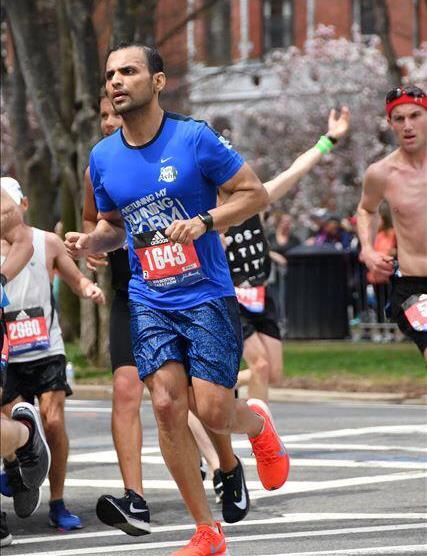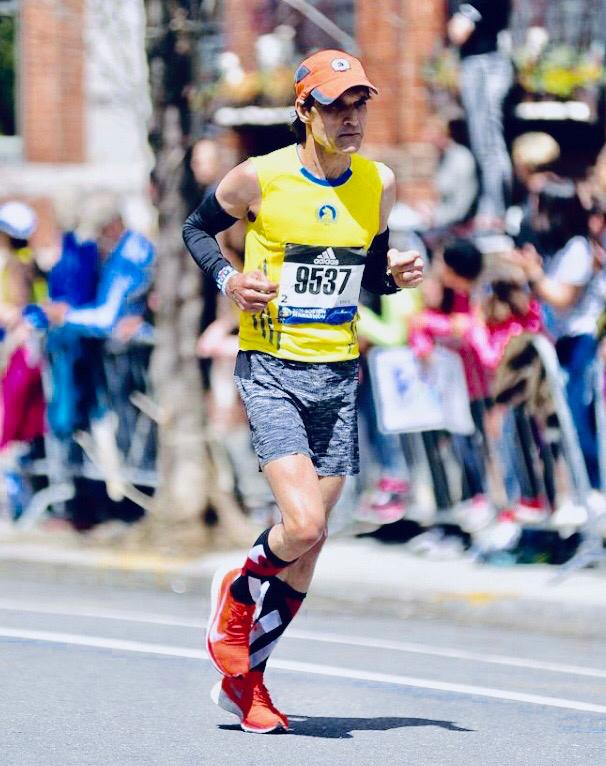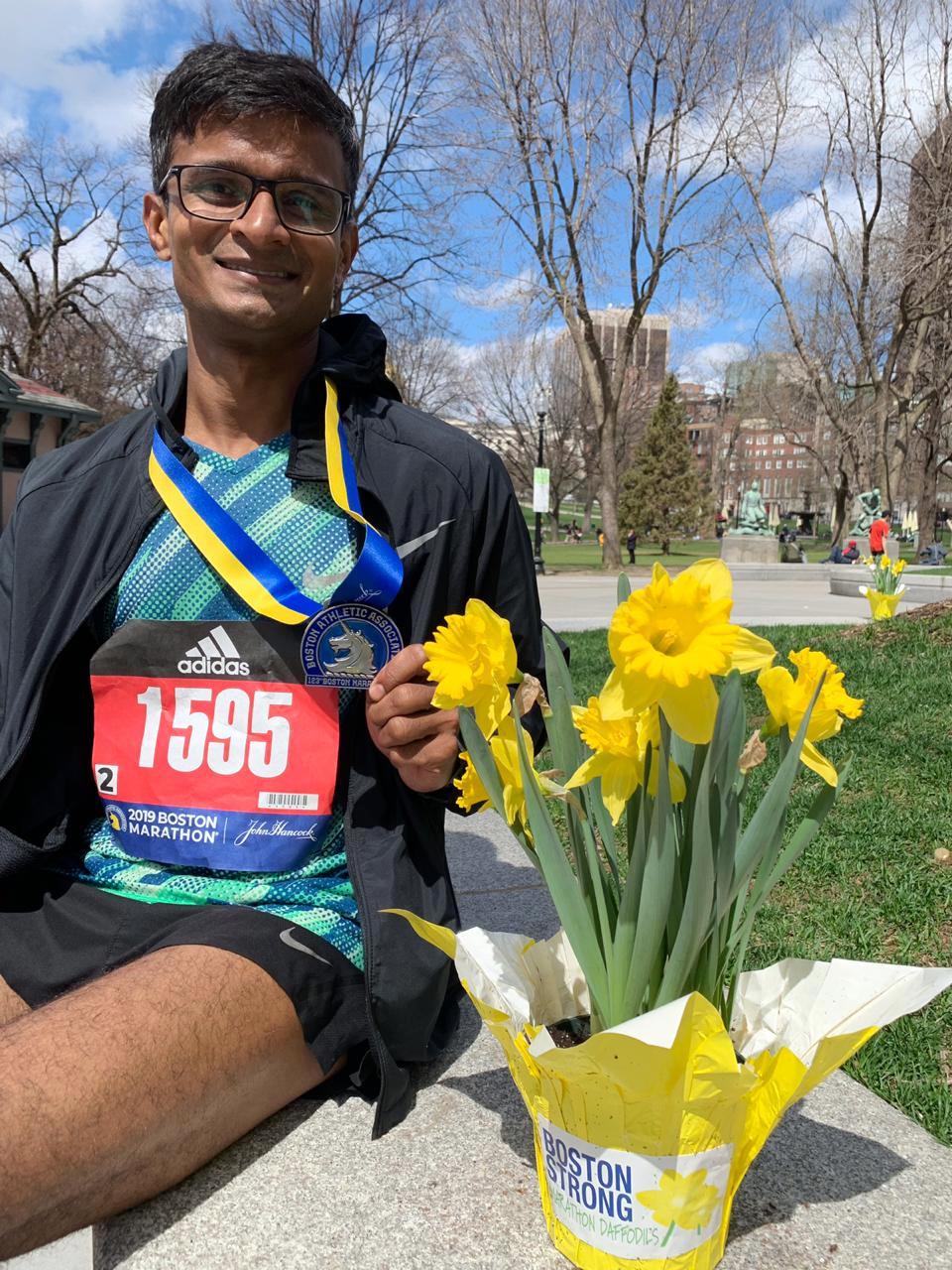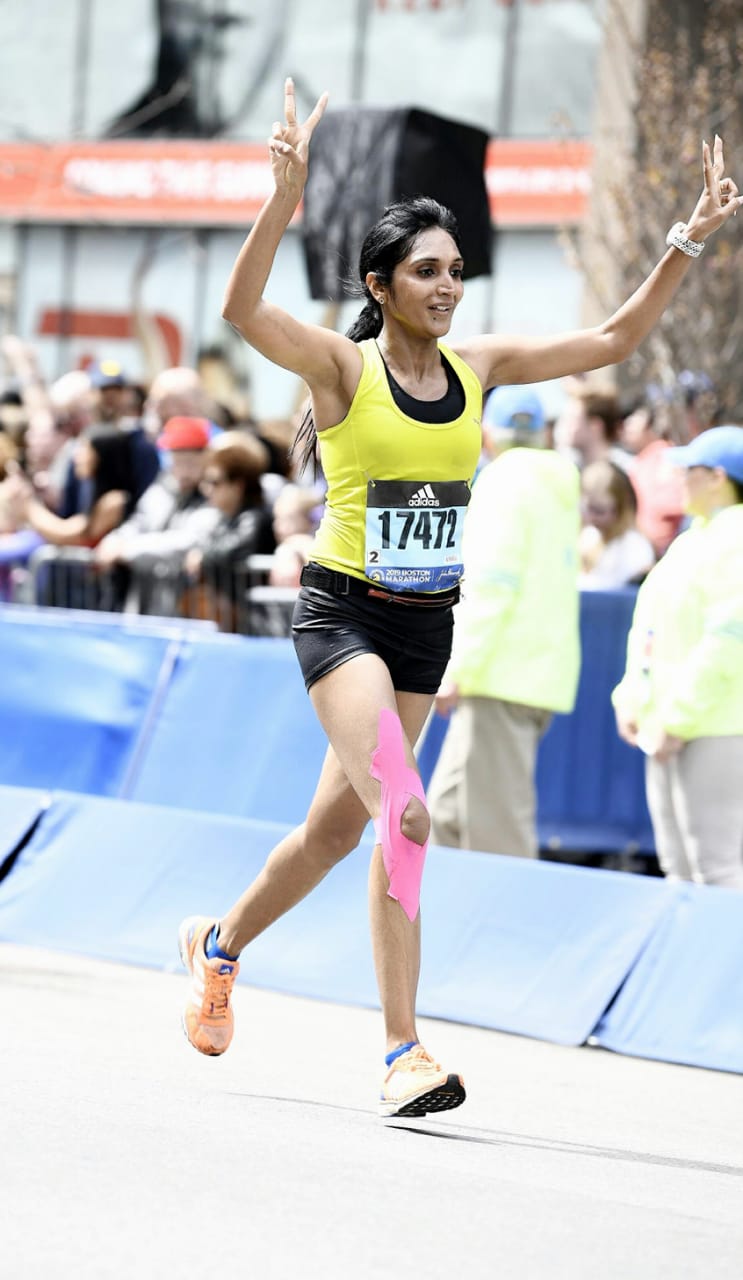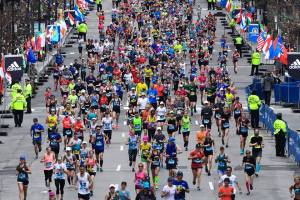
INDIAN PARTICIPATION IN COMRADES UP YEAR AFTER YEAR

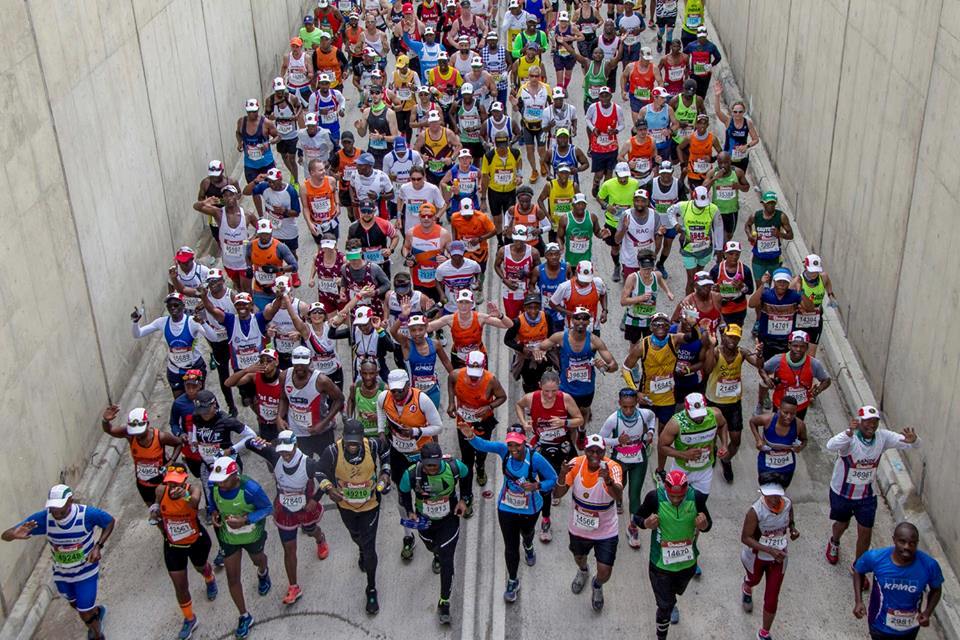
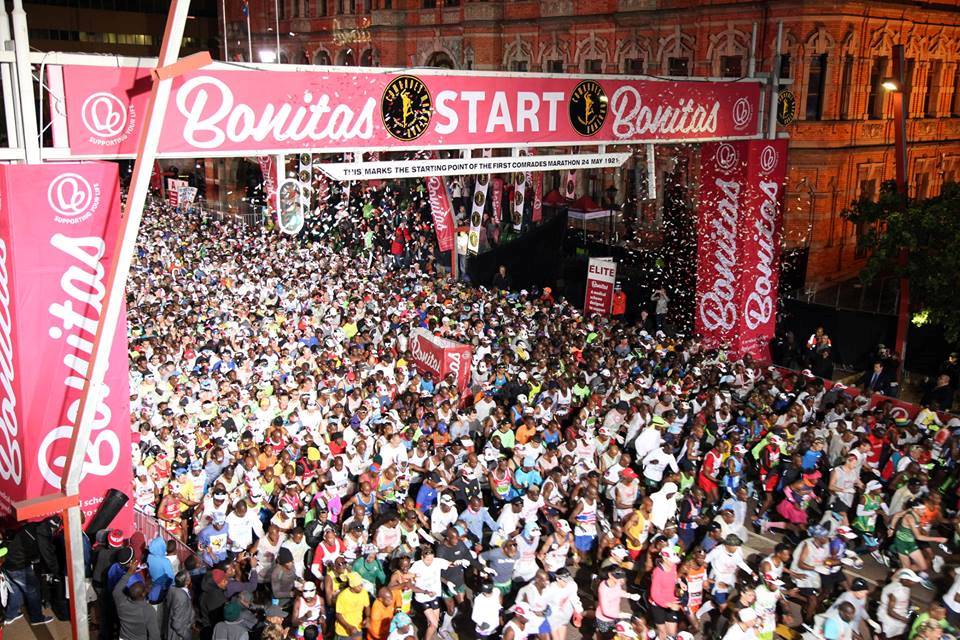
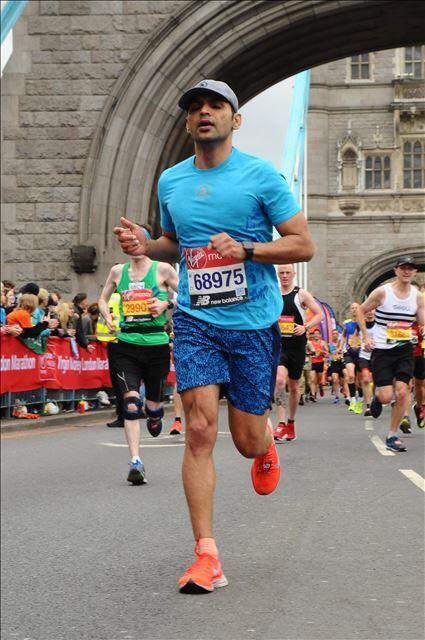
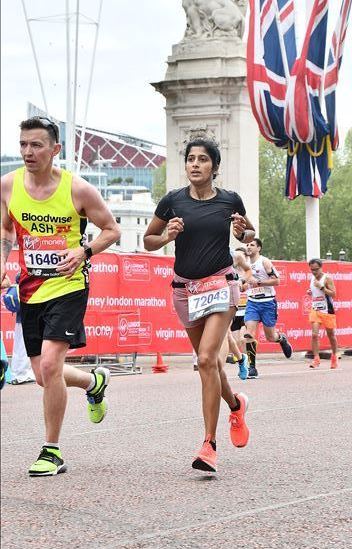
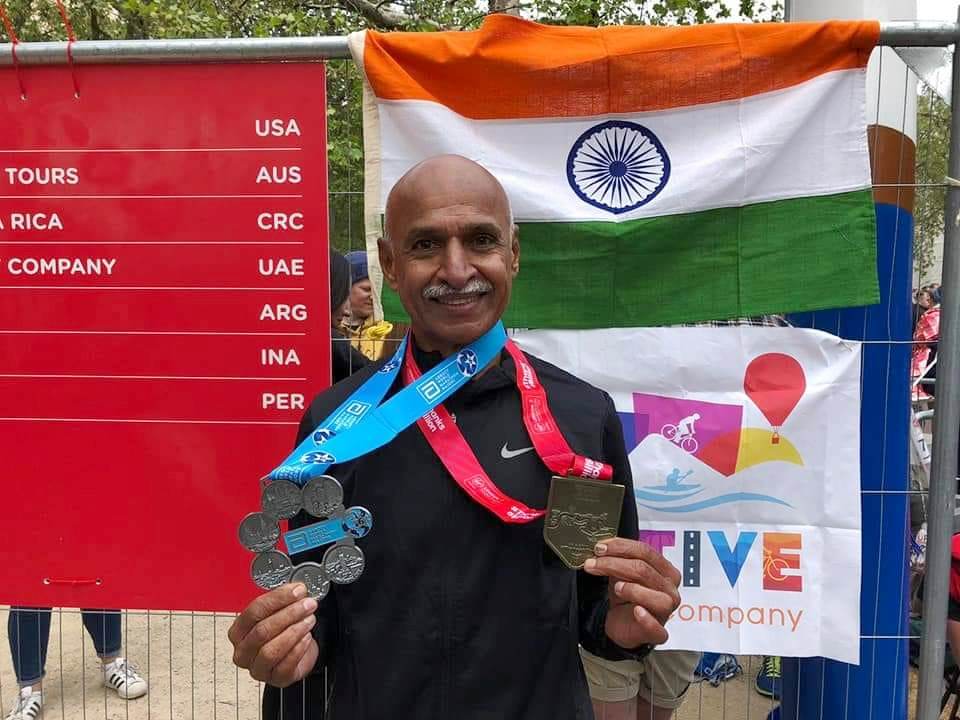
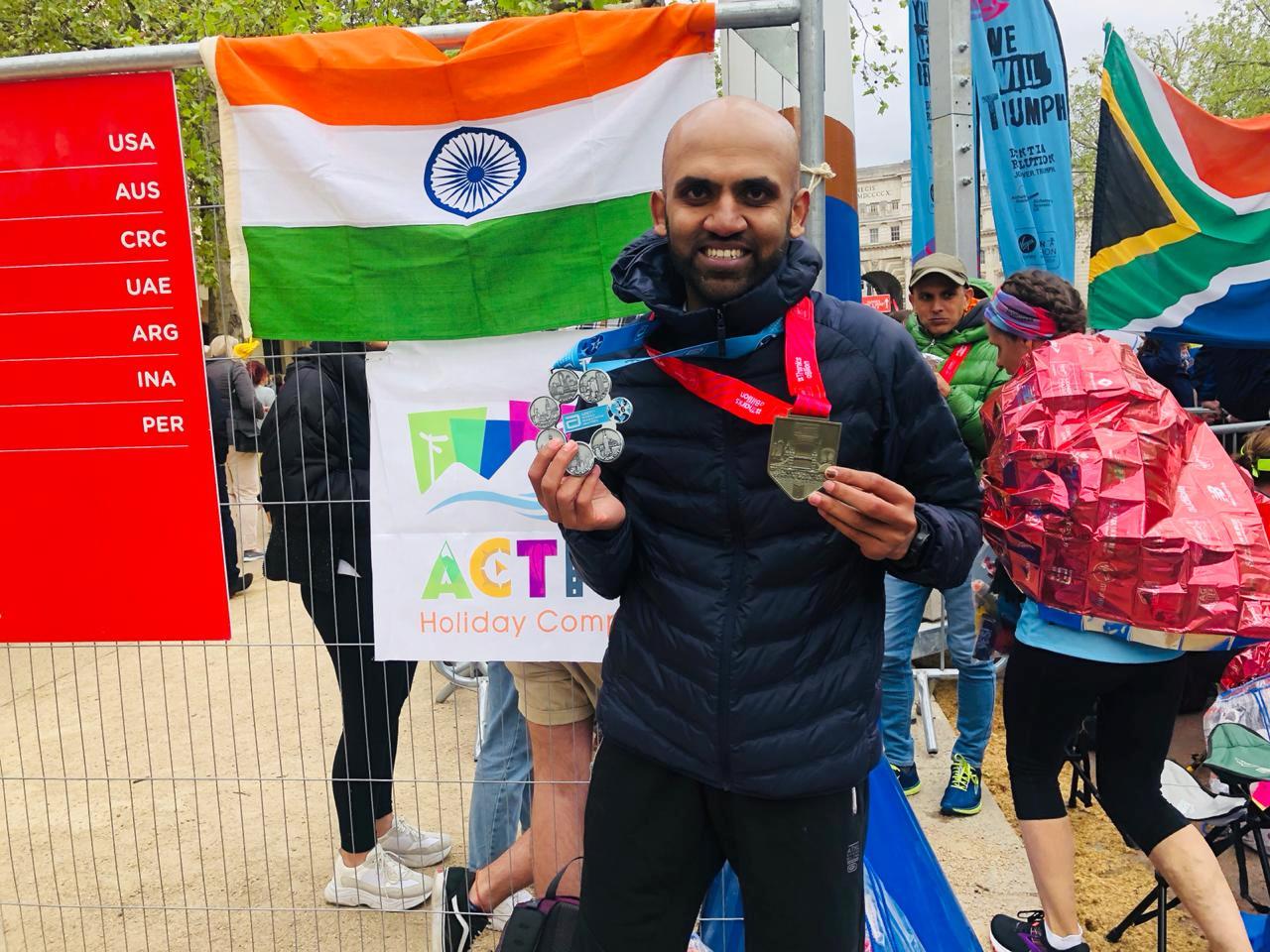
This photo was downloaded from the Facebook page of Comrades Marathon and is being used here for representation purpose. No copyright infringement intended.

Over 200 runners from India are expected to participate in the Comrades Marathon in South Africa on June 9, 2019.

Indian participation at the event has been rising every year. In the 2018 edition of the ultramarathon, over 160 Indian runners had registered to participate.

Promoted as the `Ultimate Human Race,’ Comrades Marathon is an ultramarathon of 87-89 kilometers run between the cities of Durban on the coast and Pietermaritzburg at an elevation of 1955 feet.

The race, which draws runners from several countries, was first held in May 1921. The race alternates each year between uphill and downhill and between the two cities mentioned.

This year’s edition is an uphill run with runners having to complete a total distance of 86.83 kilometers in a time of 12 hours with six timing cut-offs in between. The race will start at the Durban City Hall and end at Scottsville Racecourse in Pietermaritzburg, the event’s Instagram post said.

This year’s overall registration is higher at 25,000 runners compared to 20,000 runners last year.

Comrades Marathon has been gaining popularity among Indian recreational long-distance runners over the past few years. “ Event support is good. It is a very well organized event. This time around 210 persons have registered to run from India,’’ Satish Gujaran, Mumbai-based ultramarathon runner, said.

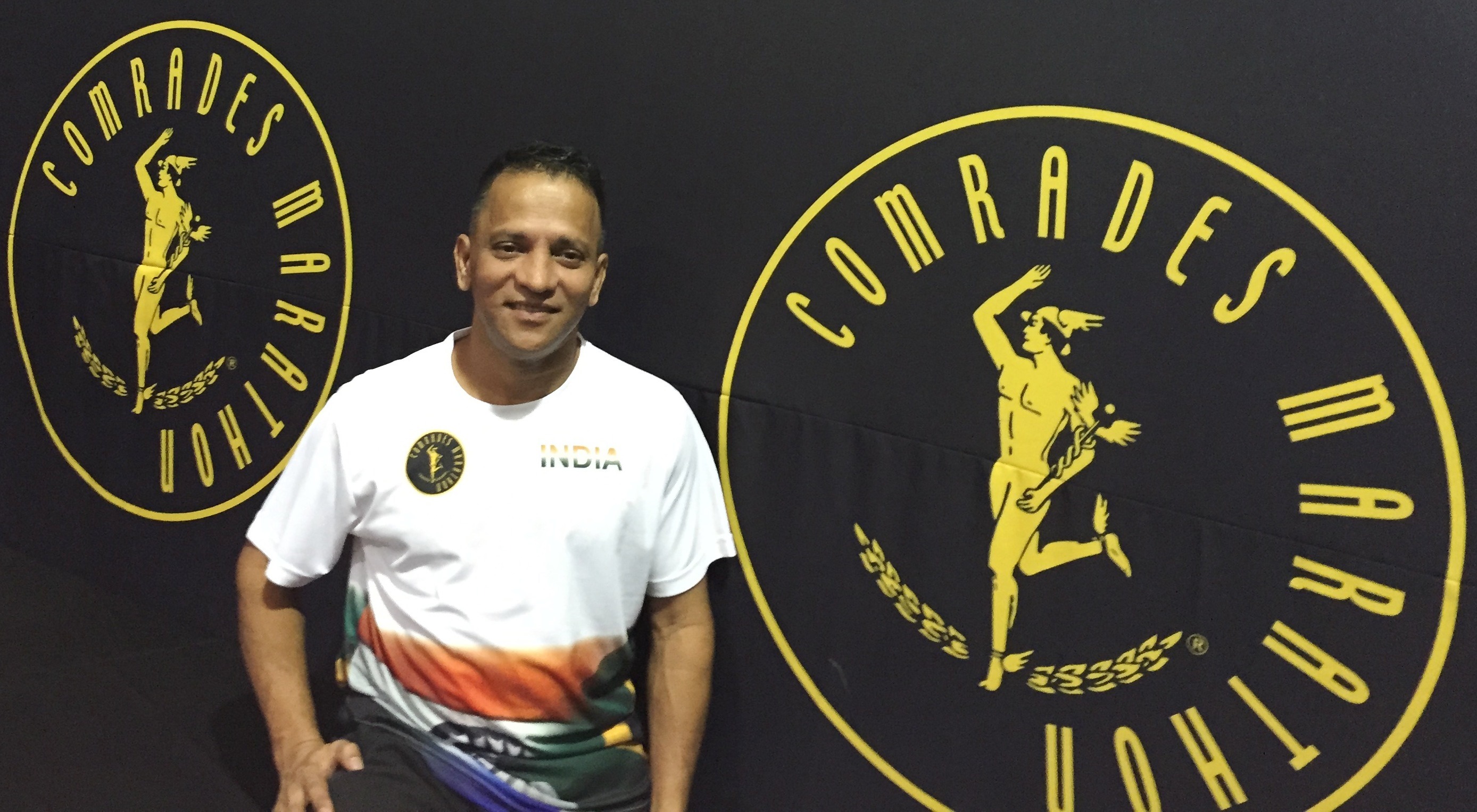
Satish will be running the Comrades race for the tenth time in a row this June. Once he completes his tenth Comrades, he will be awarded a Green Number. Green Number runners are allowed to retain their Comrades Marathon bib number in perpetuity.

Satish Gujaran (Photo: courtesy Satish)

According to him, training for the ultramarathon is very important. Training starts in February with four key long runs – 42k in February, 56k in March, 65k in April and another 56k in May before the tapering phase commences.

Satish first ran the Comrades Marathon in 2010. Since then, he has not missed running the iconic ultramarathon a single year. “ In the early years it was difficult to train for Comrades because there were not many runners. Training for Comrades needs the support of other runners,’’ he said.

Given the rising number of runners, planning training runs for Comrades Marathon has become easy. “ Some 100 runners participate in training runs nowadays,’’ he said.

The crowd support, cheering, volunteering and the carnival-like atmosphere in South Africa prompts runners to come back time and again to run the race, Satish said.

“ You will find people with their families lining up all along the route to cheer and support runners,’’ he said.

For entry to Comrades you have to meet specified time limits. If it is a marathon that you participated in earlier and wish to submit as proof of eligibility, it must meet the cut-off of 4:49:59 required to qualify. For 48-50k it is 5:49:59; for 52-54k it is 6:24:59, for 56k – 6:44:59, for 60k – 7:19:59, for 64k – 7:54:59, for 68k – 8:29:59, for 80k – 10:24:59, for 90k – 11:59:59 and for 100k – 13:29:59. These time limits are as of 2019. The comparatively low entry barrier for Comrades has also helped grow the number of runners from India year after year, observers said.

Bengaluru-based runner and coach, Ashok Nath will be attempting his fifth Comrades race this time. He resorts to a lean and a short training program that entails running long distances not more than 40k. “ If you approach Comrades smartly by jogging and walking, you can complete the race without much difficulty,’’ he said.

Ashok Nath (photo: courtesy Ashok)

According to him, an ultramarathon has to be approached at two levels – physiological and psychological. “ If you cannot foresee running the distance in 11 hours you should not attempt running Comrades. That’s because you need to keep at least one hour buffer as anything can go wrong in the duration of the run,’’ he said.

He also suggested the option of doing a 12-hour bicycle ride as part of the training.

“ When I first ran the Comrades Marathon in 2011, there were all of seven runners from India attempting it. This year, there are over 200 runners participating,’’ said Dilip Patil, a Mumbai-based recreational runner.

He has completed Comrades seven times. He registered for the 2019 edition but will not be participating as he is nursing an injury.

According to him, there are three milestones to achieve at Comrades Marathon – you run once; run both the up version and the down version, run the event 10 times to get the green number.

“ Once you go there and see the environment you fall in love with the event. It is a test of physical and mental fitness,’’ Dilip said.

(The author, Latha Venkatraman, is an independent journalist based in Mumbai.)

ETHIOPIA’S BELIHU, KENYA’S TIROP WIN 2019 TCS WORLD 10K

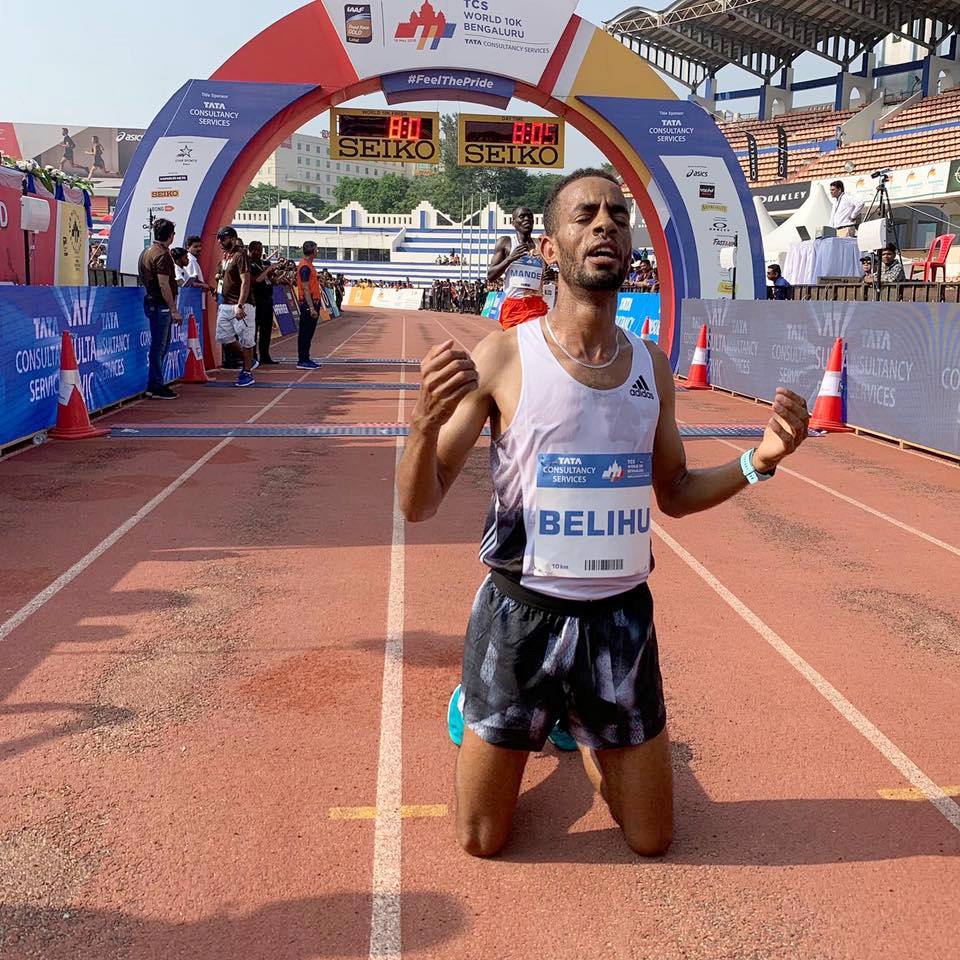
Andamlak Belihu (This photo was downloaded from the Facebook page of TCS World 10K and is being used here for representation purpose. No copyright infringement intended.)

On a day of heat and humidity, Andamlak Belihu of Ethiopia crossed the finish line in 27:56 minutes to emerge winner of the 2019 edition of TCS World 10k in Bengaluru.

He was eight seconds off his personal best and 12 seconds outside the course record, the race report available on the website of International Association of Athletics Federations (IAAF), said.

Uganda’s Mande Bushendich came in second with a timing of 28:03 and Ethiopia’s Birhanu Legese finished third with a timing of 28:23. According to the race report, eight men crossed the half way mark in 14:11 minutes with Bushendich taking the lead followed by Belihu. The lead changed with less than two kilometres left for the finish.

The 2019 edition of the event – India’s premier 10 kilometer-race – happened on May 19.

In the women’s race, defending champion, Agnes Tirop of Kenya was the winner with a timing of 33:55 (in 2018 she had finished the race in 31:19, a course record). Letesenbet Gidey of Ethiopia finished second while Senbere Teferi came in third. As per the provisional results all three podium finishers in the women’s category overall, had the same timing – 33:55. When contacted, an official of the race organizer, Procam International said that the three women had completed the race within microseconds of each other. “ It was very close,’’ he said.

Tirop is the first woman to win back to back in the 12 years the race has been held so far. As per the race report, the women’s race began at a modest pace with nine women going through the first half of the course in 18:06 minutes, two minutes slower than the corresponding figure from 2018. Eight of them were still bunched together as they entered the stadium (Kanteerava Stadium, from where the race commences) for a final lap. The deciding stretch was the last 50 meters with victory decided on the strength of a narrow margin. The top five finishes happened within two seconds, the report said.

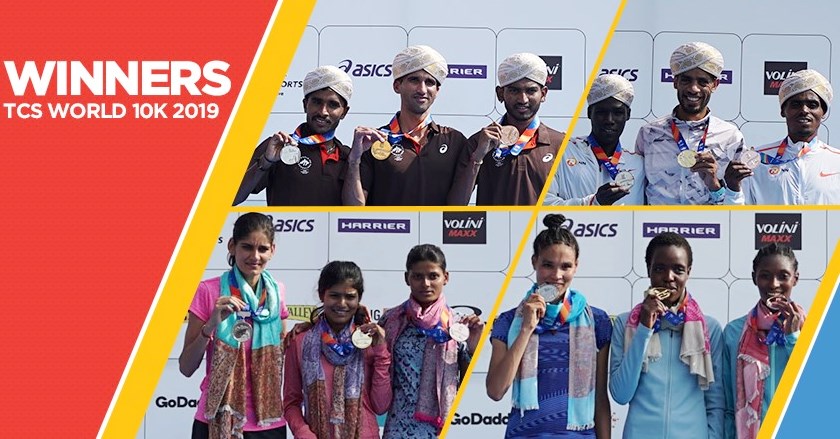
The winners of 2019 TCS World 10K (This photo was downloaded from the event’s Facebook page)

Among Indian men, the podium finishers were Karan Singh (29:55), Lakshmanan Govindan (30:02) and Avinash Mukund Sable (30:36). Winners among Indian women were Sanjivani Jadhav (35:10), Parul Chaudhary (35:36) and Chinta Yadav (36:34).

Kumar Rao, who was the winner in the 70-74 age category pointed out that the weather was unusually warm and humid. “ I was well on the way for a sub-50 finish, but cramped badly at 9.6 km and lost 90 seconds recovering from it before resuming the run,’’ he said. Kumar finished in 50:47.

Shilpi Sahu, a Bengaluru-based runner, also said it was very hot and humid. “ But it did not affect me much. I had a nice run as I paced myself well. I had a couple of injuries to mind as well,’’ she said. Shilpi finished in 47:01 and got third position in her age category of 40-44 years.

(The author, Latha Venkatraman, is an independent journalist based in Mumbai.)

THE BOSTON BIG SUR COMBO

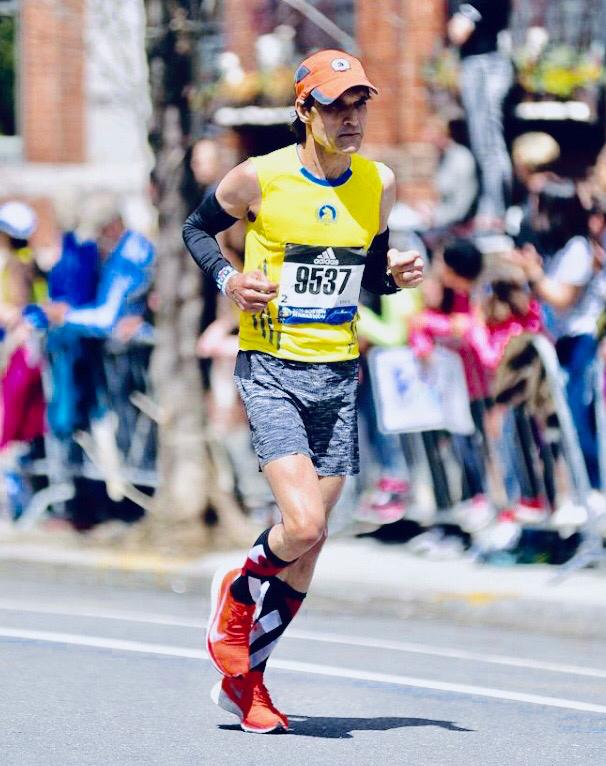
Kumar Rao (Photo: courtesy Kumar)

This is an article by invitation.

Kumar Rao, now 70, started running 25 years ago during his stay in Caracas, Venezuela. He was then an employee of American Express Bank. A colleague urged him to take up running.

His first race was ten years ago, aged 60; a 10k run in Bengaluru, where he resides currently. At the age of 63, he attempted his first half marathon and two years later ran his first full marathon.

In April 2019, Kumar ran the Boston Marathon (he is among the oldest participants from India yet, at the event) for the second time and followed it up two weeks later with another full marathon at Big Sur International Marathon, held in California with the Pacific Ocean and its adjacent seashore for backdrop.

At Boston, Kumar Rao ran his personal best (PB) of 3:59:33. Though his finish at Big Sur International was tad slower than his Boston Marathon timings, Kumar considers it his best race primarily because he achieved a negative split for the first time since he took up running marathons. He also got a podium finish in his age category.

Kumar is on track to complete the six World Marathon Majors by the end of this year. He has already finished five of these events and is slated to attempt Berlin Marathon later this year to complete the tally.

Here, he talks about his journey to that second stint at running Boston Marathon and his participation in the Big Sur International Marathon.

Kumar Rao (Photo: courtesy Kumar)

The last one year has been quite eventful for me, culminating with two very good runs – Boston Marathon and Big Sur International Marathon.

At 2019 Boston Marathon, I got my first sub-four hour finish of 3:59:33, a personal best. Also, I finished in the top 10 percent of the 70-74 age-group (18/189), well within my BQ time with 20 minutes to spare.

This was an improvement of more than five minutes from my previous personal best at Tokyo in February 2018 and a 25 minute improvement on my previous Boston Marathon race in 2017.

At Big Sur, I finished in 4:03 hours but here for the first time ever I managed to get a good negative split. I finished the first half of the distance in 2:05 hours and the second half in 1:58.

This was also another Boston Qualifier for me. Additionally, I won the second place in my age group and earned a spot on the Big Sur all-time Top-10 M70-74 finishers list.

Both the finishes were well within the Boston qualification time for my age group (M 70-74). My age-graded equivalent time for both races was below 2:59.

After a year beset with an episode of debilitating Chikungunya viral fever in June and an accident while running last December, I was quite pleased to score some significant achievements in these tough hilly marathons, separated only by 12 days.

When I signed up for Boston and Big Sur last September, I was recovering from the Chikungunya attack of June. This had caused some serious Rheumatoid Arthritis type joint pain along with pain in my hands and feet for several months. I had also signed up for the Chicago Marathon that was coming up in October 2018, for which I had barely started training with less than six weeks to go.

Most of my Chicago training entailed running in the afternoon through the monsoon season, as my joints used to be quite stiff and painful in the morning. This also prompted me to adopt a strict anti-inflammatory diet and practise intermittent fasting, which helped me lose four kilos weight. I was not feeling confident about finishing the upcoming Chicago Marathon, let alone running two major marathons in two weeks.

Chicago was my eighth full marathon and I covered the distance in a reasonable time of 4:25:23. My performance here gave me confidence to pursue improvement in my timings in future races.

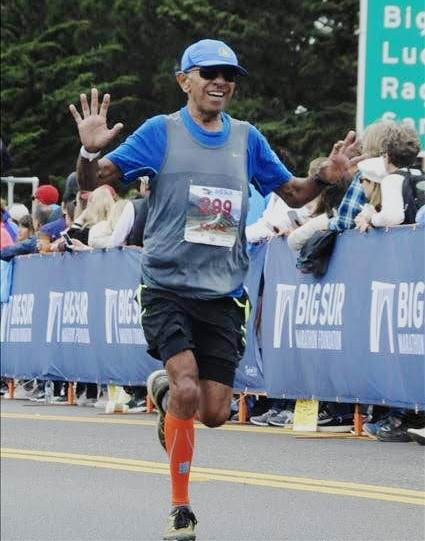
At Big Sur (photo: courtesy Kumar Rao)

The next major race was the half marathon at Tata Mumbai Marathon in January 2019. Training was going quite well as I had resumed my normal training schedule of running in the morning and gym training in the evening.

In December, I had a mishap during a race on a hilly road on the outskirts of Bengaluru. It was quite dark when the race started. I seem to have some problem seeing in the dark. I tripped and fell after 2 km and had to run back to the start with my upper lip completely split and bleeding profusely. I was rushed to the hospital and had to undergo plastic surgery which unfortunately kept me off running during the critical two-week period of TMM training.

At TMM, I was quite pleased to finish on the podium with third position in my age group of 65-69 years. I finished that race in 1:49:26. I had also secured a second place on the podium in my age group at the TCS 10K run in May 2018, with a finish of 49:27.

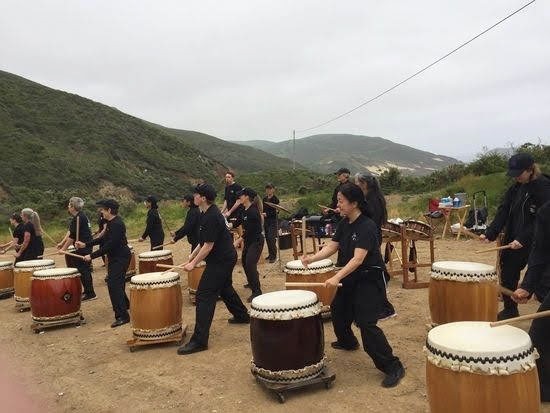
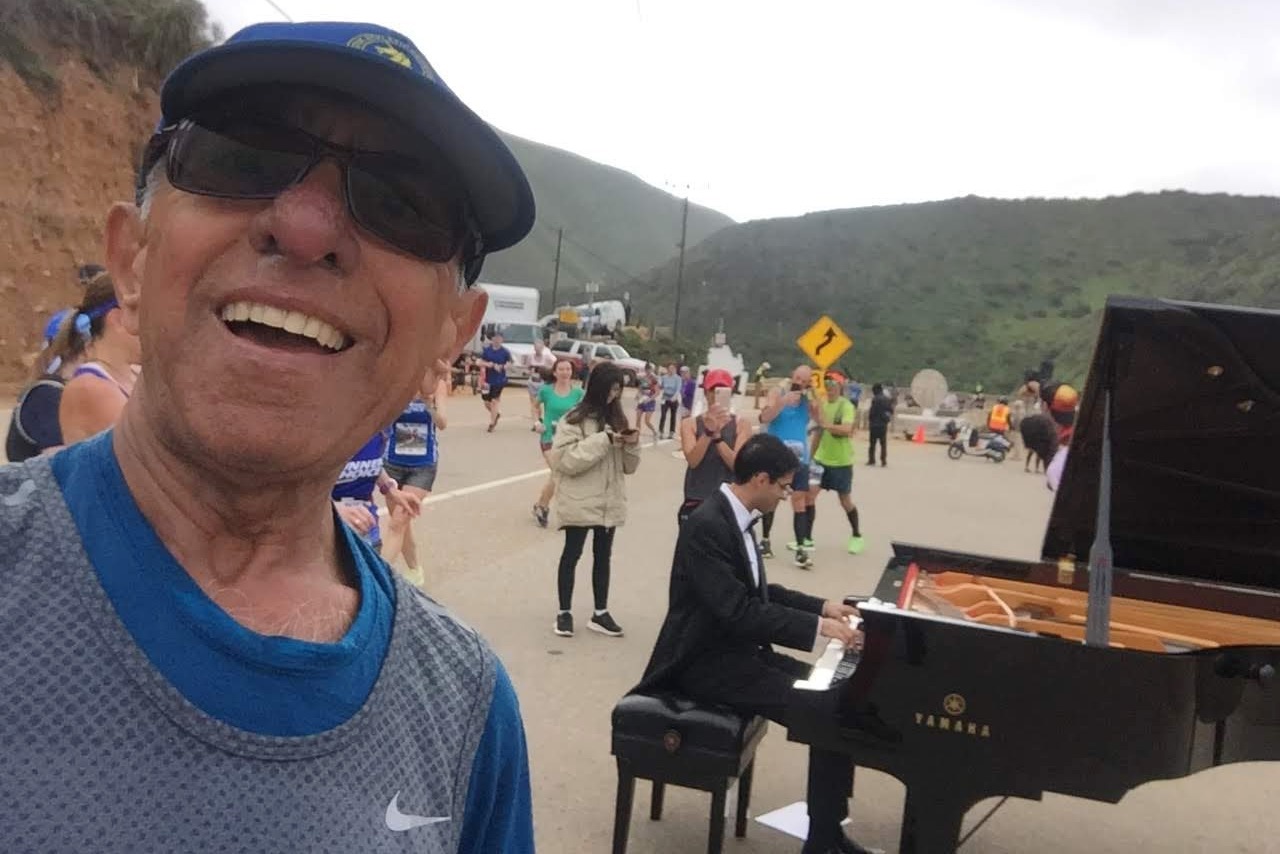
With personal bests in all distances (10 K, HM and Marathon), and unsure of the state of my recovery after Boston, I nevertheless decided to attempt the Big Sur of April 28, 2019. I ran enjoying the spectacular landscape and entertainment along the route, stopping to take photographs at several points such as the spectacular 4 km climb up to Hurricane Point and the drummers at the top, the iconic Bixby bridge with a view of the winding highway and the Pacific Ocean, the pianist on the far side of the bridge; you enjoy classical music throughout the course, including a complete orchestra at one point.

After crossing the midway mark in 2:05:05, I decided I was doing fine and should try to beat my pre-Boston PB of 4:05. The weather was ideal with temperatures ranging between 8 and 13 degrees Celsius; there was cloud cover as well.

The hill training that I put in for Boston Marathon helped me immensely. At Big Sur, the hills did not pose any challenge. The second half took 1:58:20, a huge negative split by 06:45 (about 5.5%).

Kumar Rao; at Big Sur (Photo: courtesy Kumar)

The 2019 Big Sur went off well. I finished without any cramps or major aches. Feeling fresh at the end of the race was quite surprising to me, as just two weeks earlier, Boston had appeared tough. From the perspective of the course, Big Sur is probably tougher with 665 meters of elevation gain as against 200 meters for Boston. It also has more hills as well as steeper ones.

In 2019, the Boston weather turned out to be quite warm prompting me to shed some layers of clothing during the race. I ran this race trying to maintain an even effort throughout and complete it within four hours.

At the start point, I took some time with my dynamic stretches and lunge matrix. By the time I started almost all runners had already left and I found myself running alone down the steep first mile of the course to the applause and cheers of the crowd, feeling like an elite runner. Soon I caught up with other runners and was able to get to my goal pace. I was conversing with other runners on the way until I hit Newton hills.

I stepped up my effort on the hills and started to feel some pain in my quadriceps and hamstrings during the final four or five miles but willed myself not to cramp.

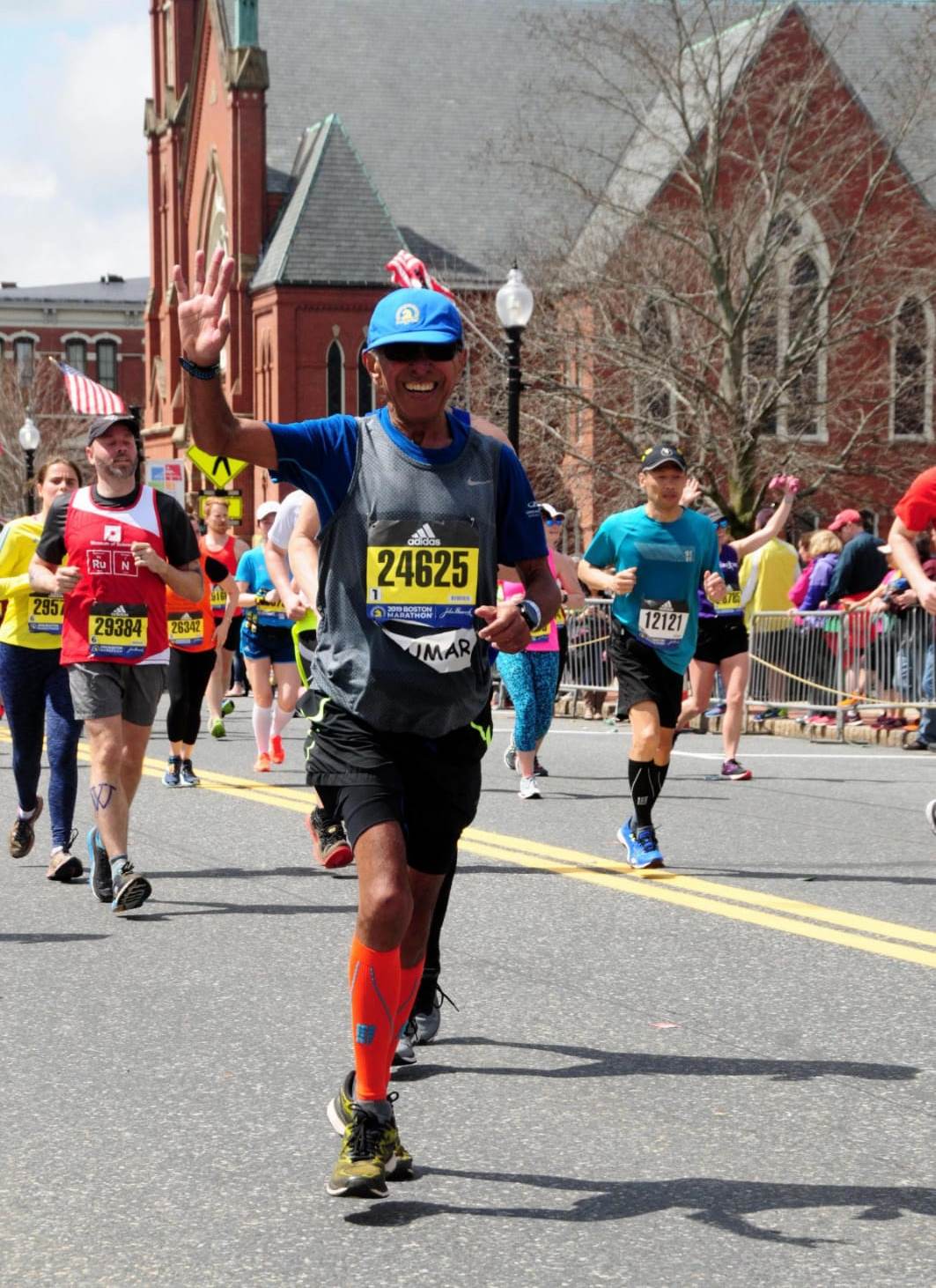
Kumar Rao (Photo: courtesy Kumar)

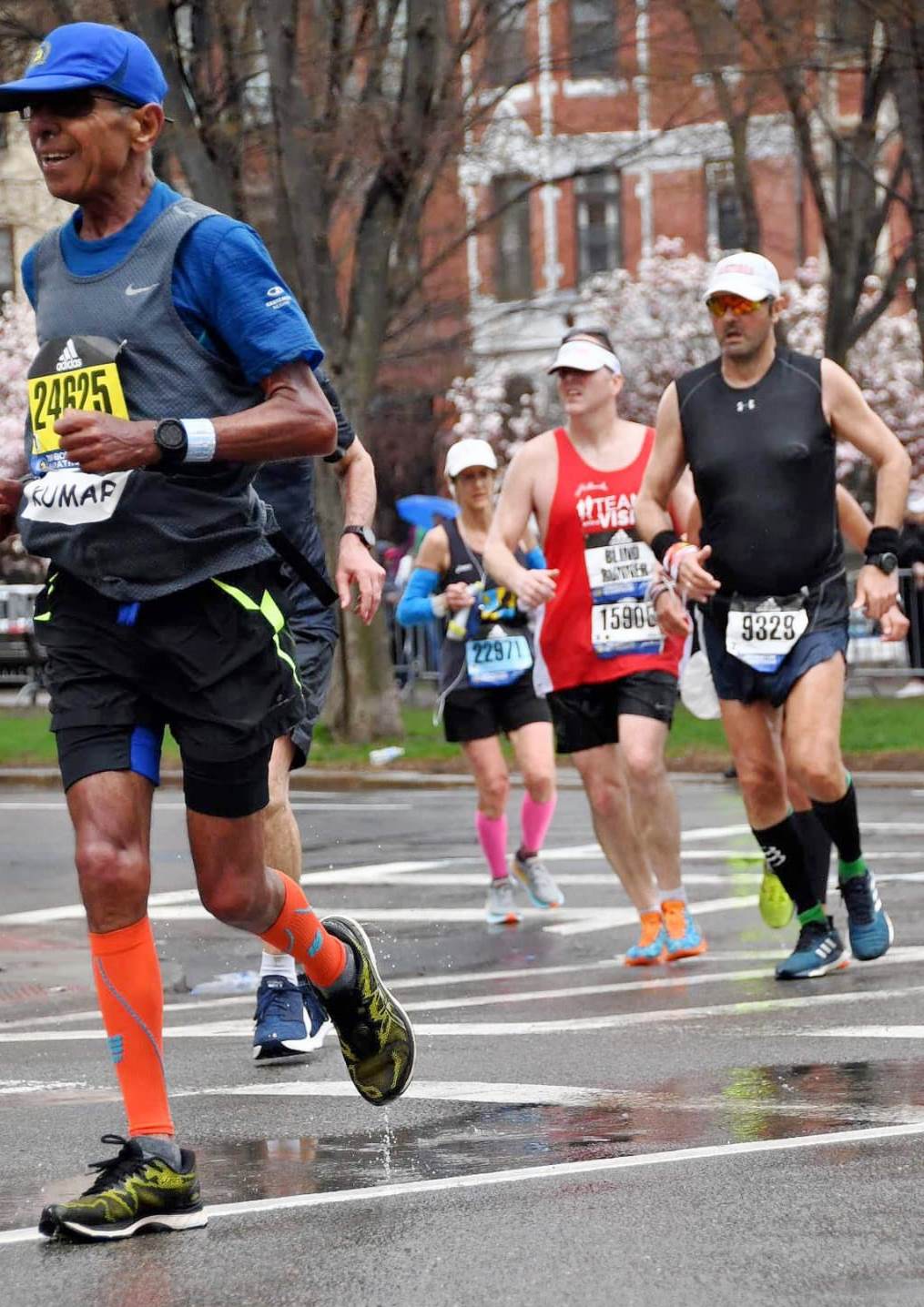
I found myself overtaking runners in front of me and could hear cheers of “ Kumar, Kumar” from the crowds that had lined up in the late miles. After the turn on to Boylston Street I sprinted to ensure that I would complete the race in less than four hours. I ran this race without stopping even once or walking at any time. I was carrying my own hydration and fuel. I felt tired at the end but after collecting the medal, was able to walk to the meeting point I had agreed to with my son, Abhijit. As soon as I got there, I had severe cramps in both feet and was unable to take another step. I collapsed into the arms of my son, who had been waiting for me with some warm clothing and a delicious smoothie. After some rest and stretching, I was able to walk back to the hotel room a few blocks away from the finish line. A hot tub-soak did wonders. After that my son and I went out to celebrate the achievement. Overall, this ` B2B challenge’ was a great experience and I am likely to repeat it next year.

I now have TCS 10K coming up on May 19 and am slated to run two more marathons this year – Berlin in September and Marine Corps in Washington DC in October.

I have enjoyed this journey and have learnt a lot since my first run t an event, ten years ago. Running has been a great hobby and I hope to continue with endurance running for as long as I can, at least until I can learn to swim and substitute it for running as a means of maintaining fitness.

(The author, Kumar Rao, is a runner based in Bengaluru.)

WE BORROW WORLD RECORDS BUT WE KEEP TITLES / BRUCE FORDYCE WRITES TO JIM WALMSLEY

Bruce Fordyce (Photo: Shyam G Menon)

This is an article by invitation. Early May 2019 as news appeared of a race due in northern California where runners would attempt breaking the world records for 50 miles and 100 kilometers, this blog asked South African great Bruce Fordyce if he would be willing to contribute an article about the 50 mile-world record that has been his since 1983. He agreed. Reproduced below is the article he wrote (it appeared first on his website www.brucefordyce.com, which has an associated blog); it is in the form of a letter to Jim Walmsley of the US who bettered Bruce’s longstanding record. The new mark was set at the Hoka One One Project Carbon X 100km race.

Congratulations Jim Walmsley on setting a new world record for 50 miles at the Hoka One One race and for running with such courage and dignity.

I would be lying if I said the news of your success didn’t cause a slight wrench in my heart and a dull sense of regret that lasted some time. Suddenly I was no longer the world record holder for 50 miles. The record had been part of my life for 36 years and its departure, while not as traumatic, reminded me of the death, three weeks ago, of our favourite black Bombay cat, Onyx. I still look for Onyx, lying on his favourite couch, and I still can’t stop looking over my shoulder to see that silky black cat following me up the stairs to his food bowl. I suppose it will be the same with my, now your, 50 mile record. I must remember to amend my CV.

Of course, I had been warned. I had been given time to compose myself. When I heard the news that a group of elite athletes had gathered to celebrate the launch of the new Hoka shoe while having a tilt at the 50 mile and 100 kilometres world best times I knew there was trouble afoot. When I spotted your name on the entries list, I knew that my days were probably numbered. After all Jim, your CV is extremely impressive and your bold, aggressive front running approach to racing is the direct opposite of my rather timid approach to the pain of any ultra.

And so, galvanised by my final hours as world record holder, I dredged the back of my mind for memories of September 1983 when I ran my third London to Brighton and where I ran through 50 miles in 4:50:21 en route to the finish on the Brighton beachfront close to the famous pavilion. (I still had 4 miles to run, to Brighton Pavilion and the finish line.)

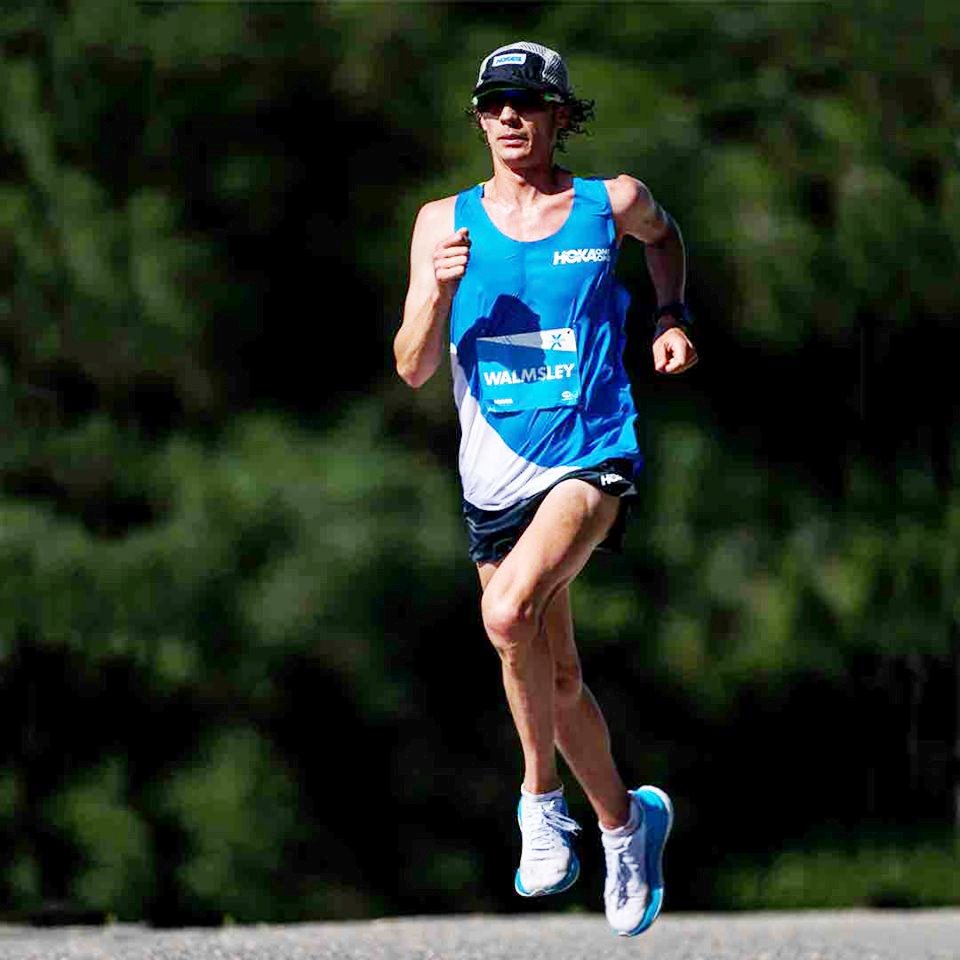
Jim Walmsley (This photo was downloaded from the athlete’s Facebook page. It is being used here for representation purpose)

At 7 AM on that Sunday morning a London bobby stepped onto the road beneath the famous Big Ben, stopped the early morning traffic, and beckoned at us runners to line up. Then the famous clock’s chiming bells sent us on our way across Westminster Bridge, past the Elephant and Castle pub, and down the A23 road to Brighton all the way to the sea. On the way we ran past quaint sounding villages and landmarks such as Pease Pottage, Crawley, Ditchling Beacon and Dale Hill. We also ran past seemingly randomly placed drinks tables where the local vicars and parish volunteers proffered tennis biscuits and Lemon Barley water for refreshments, and cranky old race historian John Jewel rode part of the route on the legendary Arthur Newton’s ancient Edwardian bicycle. After many miles of hard running we were confronted by the ridge of chalk hills known as the Sussex Downs (which should be called the Sussex Ups). There was nothing quaint about those rolling hills or about the quality of the opposition I raced against. Some of these great athletes are no longer with us, but a very fast pace was guaranteed when the field consisted of names such as Don Ritchie, Cavin Woodward, Graeme Fraser, Tony Abbott and Danny Biggs. We dashed through our first 8kms (5 miles) in 27 minutes or so. This pace wouldn’t give anybody in Nairobi or Addis Ababa sleepless nights but as you and I both know Jim, it does become a problem when you have to stitch 10 of those splits together with no respite.

At about 48 miles in this race Ian Champion, the race organiser, jumped out of a car and shouted in his delightful cockney accent that I was on pace for a world record and that they were taking splits at 50 miles. Ian, still a good friend, was a full- time red London bus driver and a part time race official in those days. He could have been plucked straight out of the Beatle’s song Penny Lane / Strawberry Fields.

“ This is no porky pie (lie) Bruce mate, you’re heading for a world record, now get your bum into gear!’’ he yelled.

At my lowest ebb yesterday, I took comfort from the wise words of the greatest of us all, the legendary Wally Hayward. As you know Jim, Wally Hayward won five Comrades marathons and set numerous ultramarathon records. He also ran the Comrades in 9:45, just three weeks shy of his 80th birthday, proving so eloquently that you don’t necessarily have to be first across the finish line to be a great winner. Earlier that same year I had taken eight minutes off the Comrades marathon record (yes 1983 was a very fine vintage for me). After the race I found myself chatting with Wally. He counseled me “ Bruce, always remember, we borrow records, but we keep titles.’’

“ I have long ago ceased to hold any records in the Comrades,’’ he continued, “ you chaps are running half an hour faster than I, but I will always be the 1930 Comrades champion. No one can take that from me.’’

“ Nor can they take the 1950, 1951, 1953 or 1954 titles from you or any of the other great titles in your glittering career,’’ I should have added.

Of course, Wally was correct. I still have a treasured photograph where I am receiving the enormous Arthur Newton trophy from the Mayor of Brighton at a post-race function. Incidentally, titles and medals were only handed out at this function after we had toasted The Queen.

Wally emphasised that we are merely custodians of records. We look after them, treasure and honour them and then we hand them on.

This photo was downloaded from the Facebook page of Comrades Marathon. No copyright infringement intended.

I received the record from Don Ritchie, and now Jim, you have it, and you deserve it. Be warned, however, that here in South Africa we have a Zulu warrior called Bongmusa Mthembu who could take five minutes off the record and, on his day, David Gatebe is capable of running even faster. When he won the 2016 Comrades marathon David probably passed through 50 miles in 4:43 or so.

Your new record is a magnificent addition to your CV but there is one glaring omission from that CV and that is a Comrades marathon title. Like Odysseus’s sirens the race is calling you, beckoning from the province of Kwazulu-Natal. Come and race the most famous ultra of them all and test yourself against the best in the world. You will enjoy the whole amazing African adventure. If you were to win the Comrades you would join an illustrious club of US winners. Ann Trason, Cheryl Winn, Camille Herron and Alberto Salazar have all won our great race. None of them set a record while doing so.

Whenever I am slightly sad or depressed I love to run and after a run nothing seems to really matter that much (the memory of Onyx still haunts me however and the sadness might take a few runs yet before it fades). And so I ran very early this morning in Parktown in Johannesburg (my favourite city) and enjoyed crunching over autumn leaves and listening to olive thrushes greet the dawn. A Fiery-Necked night jar called from the Parktown Ridge filling the dawn with its mystical cry “ Good lord deliver us, Good Lord deliver us.’’ From the top of the Westcliff stairs I paused to gaze at a fiery vermilion African sunrise. As a species, humankind was born in Africa and our earliest ancestors were the most magnificent runners. They handed this gift of running down to us and Jim, you and I have certainly not spurned that gift.

I have heard rumours that there is some technical reason that your record might not be ratified. As far as I am concerned you have run a recorded 50 miles faster than anyone else.

You are the record holder!

Once again, congratulations Jim.

Bruce Fordyce

(The author, Bruce Fordyce, is a well-known ultra-runner. His blog can be accessed at www.brucefordyce.com. For a report on the Hoka One One Project Carbon X race please click on this link: https://shyamgopan.com/2019/05/06/50-miles-jim-walmsley-sets-a-new-mark/ or scroll down on this blog. Besides the 50 mile-world record, Bruce Fordyce holds the record for the most number of wins at South Africa’s annual Comrades Marathon. He won it nine times; eight of that in a row. For more on Bruce please try this link:  https://shyamgopan.com/2019/02/12/bruce-fordyce-on-comrades-and-running/)

50 MILES: JIM WALMSLEY SETS A NEW MARK

Jim Walmsley (This photo was downloaded from the Facebook page of Hoka One One and is being used here for representation purpose. No copyright infringement intended)

In a race in northern California on May 4 2019, the longstanding world record for running 50 miles was improved albeit unofficially.

The new timing – 4:50:08 – credited to Jim Walmsley of USA compares to the 4:50:21 set by South Africa’s Bruce Fordyce at the London to Brighton ultramarathon in 1983. The improved timing was reported from the Hoka One One Project Carbon X 100km race, organized by running shoe manufacturer Hoka. The attempt entailed challenging the existing records over 100km and 50 miles; the latter tackled in the course of running 100km. According to a report ahead of race on letsrun.com, eight athletes were scheduled to participate: Jim Walmsley; Hideaki Yamauchi, Patrick Reagan, Tyler Andrews, Sabrina Little, Mike Wardian, Yoshiki Takada and Aiko Kanematsu. Walmsley is one of the most accomplished ultra-runners today with seven course records at ultramarathons worldwide to his name, Yamauchi is two-time defending world champion in 100km and Little is the former American record holder for the 24 hour-run. The world record over 100km (6:09:14) is held by Japan’s Nao Kazami.

In its pre-race report, letsrun.com said that Fordyce sent the runners texts of encouragement. The South African great is best known for winning the Comrades Marathon nine times, eight of that in a row.

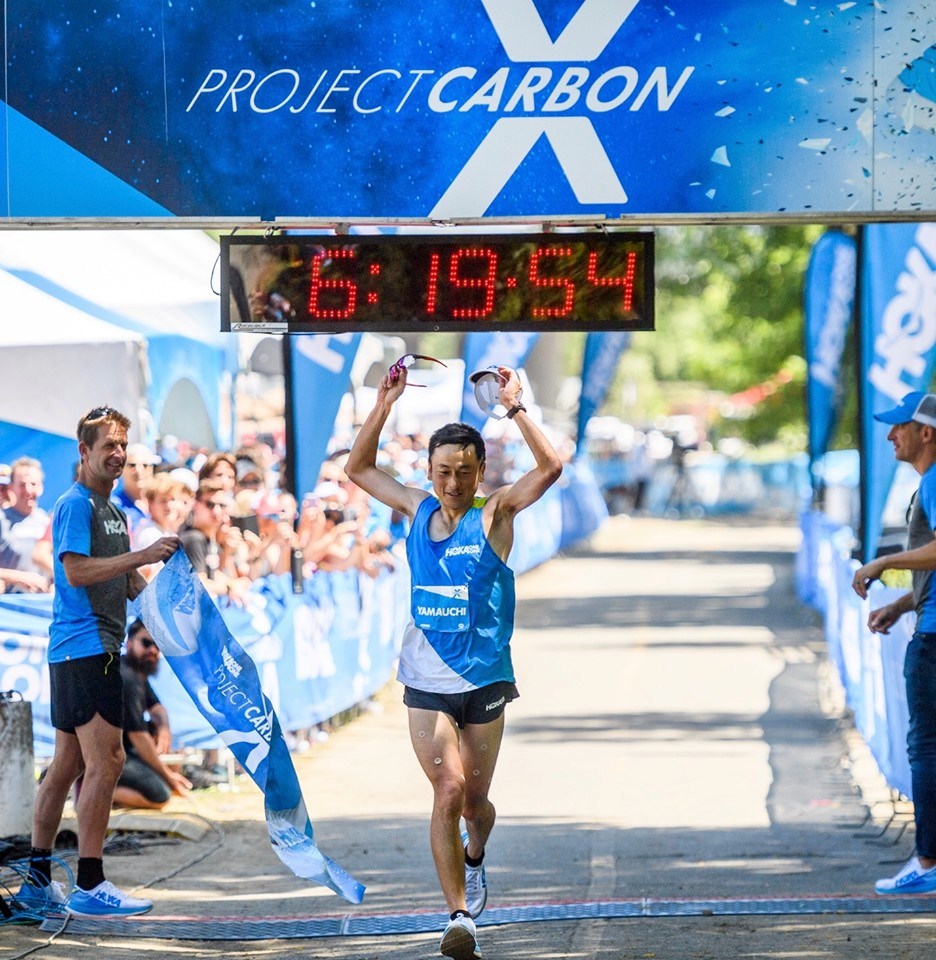
Hideaki Yamauchi (This photo was downloaded from the Facebook page of Hoka One One and is being used here for representation purpose. No copyright infringement intended)

Race day in California was quite warm. The course started in Folsom and went down to Sacramento where the runners then ran five loops. While Walmsley shaved off several seconds from Fordyce’s 36 year-old 50 mile-record, Yamauchi covered the 100km distance in 6:19:54, tad outside his personal best (PB) from 2016. Patrick Raegan was second across the whole 100km distance and Yoshiki Takada third; Walmsley having crossed the 50 mile-mark ahead of the rest, finished fourth overall. The video of the race, available on Hoka’s website, qualified the final timings as ` unofficial.’

Readers may notice the similarity this event has with Nike’s Breaking 2, the 2016-2017 project that sought to break the two hour-barrier in the marathon. It was held at a Formula One race track in Italy and featured three elite athletes and pacers to keep them on track for targeted timing. Although Kenya’s Eliud Kipchoge won the race with a timing of 2:00:25, a significant improvement on the then prevailing world record, it did not count as a new world record under the standards of the International Association of Athletics Federations (IAAF). The current official world record held by Kipchoge is a slower 2:01:39 set at the Berlin Marathon of September 2018.

(The author, Shyam G Menon, is a freelance journalist based in Mumbai.)              

AT A GLANCE / MAY 2019

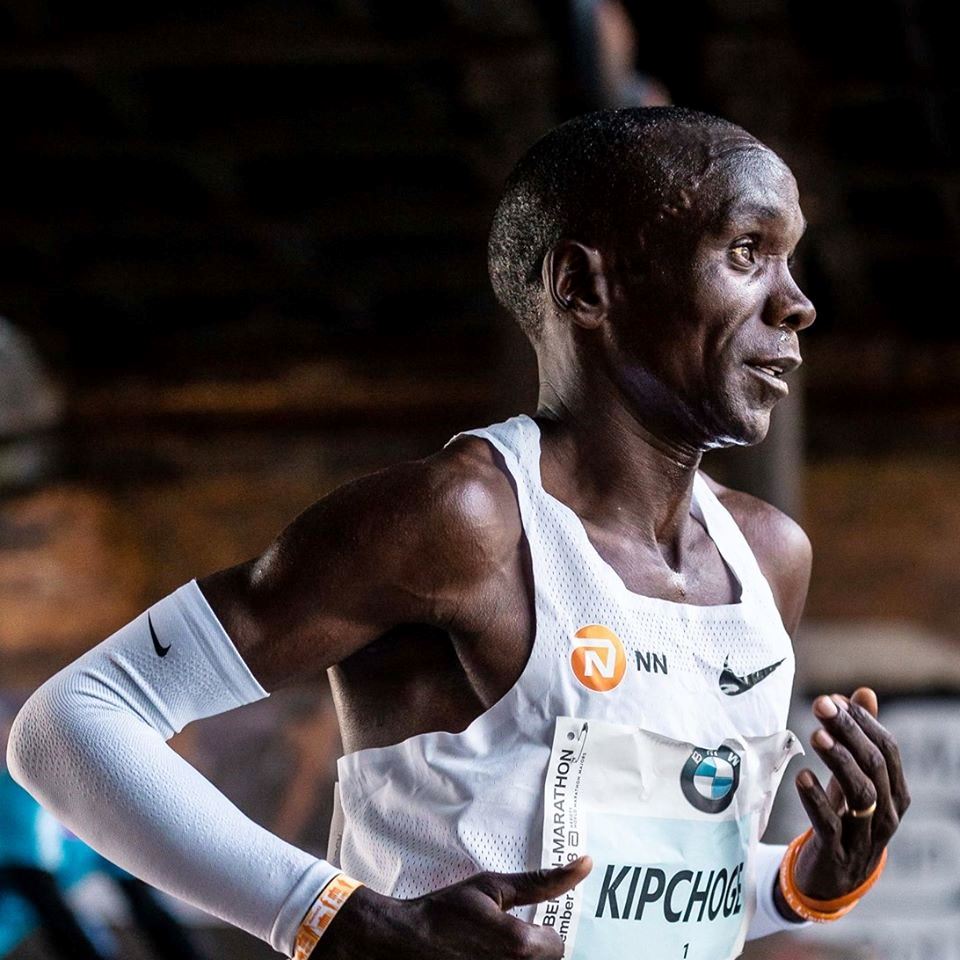
Eliud Kipchoge (This photo was downloaded from the athlete’s Facebook page and is being used here for representation purpose. No copyright infringement intended)

Kipchoge to attempt sub-2 marathon again

On Tuesday (May 7) the media reported that plans are afoot in the UK for an event in which Kenya’s world record holder Eliud Kipchoge will once again attempt breaking the two hour-barrier in the marathon.

This is the second project in the past few years showcasing such an attempt.

Over 2016-2017, Kipchoge was part of Breaking 2, a project sponsored by Nike to run a marathon in under two hours. That run at a Formula One track in Italy saw Kipchoge cover the distance in a time of two hours, 25 seconds (2:00:25), significantly faster than the then prevailing world record. However given the nature and structure of the race, it wasn’t officially recognized as new world record. Breaking 2 had featured three elite runners – Kipchoge, Lelisa Desisa of Ethiopia and Zersenay Tadese of Eritrea – and pacers (30 of the world’s best runners) to keep them on track for targeted timing. The current world record (2:01:39), recognized by International Association of Athletics Federations (IAAF) was set later by Kipchoge at the 2018 Berlin Marathon.

According to media reports, the latest attempt at sub two hour-marathon is funded by Jim Ratcliffe, the wealthiest man in Britain and chairman of chemicals company, Ineos.

The project has been christened Ineos 1:59 Challenge.

India’s U20 athletes fare well in Eurasian Championships

Indian under-20 (U20) athletes won five gold and three silver medals at the U20 Eurasian Athletics Championships held in Almaty, Kazakhstan from 29-30 May 2019.

According to an official statement from Athletics Federation of India (AFI), on day one, Gurvinder Singh clocked 10.42s in the boys 100m to claim gold while Vikrant Panchal with a time of 47.90s in boys 400m, finished first. In the girls 400m final, Florence Barla won the gold medal with a time of 54.73s.

On the final day of the competition, Sreekiran bagged the boys 800m gold with a time of 1:54.62 while RohitYadav added a fifth gold medal to India’s tally finishing on top in the boys javelin throw event with a  performance of 74.55m.

The Indian team comprising Abdul Razak, Priscilla Daniel, Florence Barla and Vikrant Panchal also bagged the 4x400m mixed relay gold with a time of 3:30.58s.

The three silver medals were won by Abdul Razak (boys 400m, 48.80s), Priscilla Daniel (girls 800m, 2:12.43) and Sahil Silwal (boys javelin throw, 72.36m), the statement said.

U20 national teams from Kazakhstan, Kyrgyzstan, Uzbekistan, Iran, India and Tajikistan competed in the two-day athletics meet.

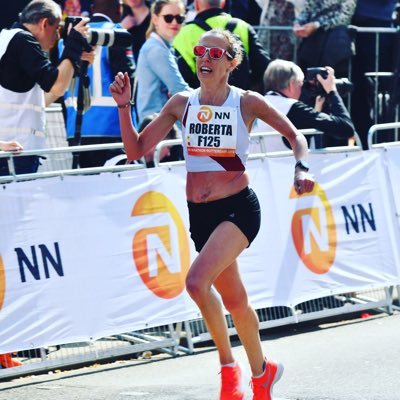
Roberta Groner (This photo was downloaded from the athlete’s Twitter handle. It is being used here for representation purpose only.)

Roberta Groner makes it to US team

Forty one year-old Roberta Groner who is only the third American woman over 40 to run a sub 2:30-marathon has made it to the US team heading to Doha for the 2019 IAAF World Athletics Championships due later this year.

The first six members of the US team was announced on May 31 by USATF, the national federation. According to information available on the website of the International Association of Athletics Federations (IAAF), Shadrack Biwott, Andrew Epperson and Elkanah Kibet have been named to the men’s team while Kelsey Bruce, Carrie Dimoff and Roberta Groner have been named to the women’s.

This will be Groner’s first national team appearance. In April 2019, she had set her personal best of 2:29:09 in Rotterdam. A profile of her on Runners World mentions that she ran her first major marathon in 2011 – that year’s Chicago Marathon, which she completed in 3:12:42. By the time of that profile in 2017, she had lopped off 42 minutes from the time she took in Chicago. Groner was a runner till age 21 but then took a ten year-break from the sport, from 1999 to 2009. A nurse, she is mother of three children.

Her breakthrough year was 2017, when in December she qualified for the 2020 US Olympic Marathon Trials by placing second at the USATF marathon championship race in California.

Triumph and tragedy at altitude

Kami Rita Sherpa, 49, has climbed Everest for the twenty third time setting a new world record for the most number of successful ascents of the peak by an individual. He achieved the mark in mid-May 2019. The Nepali climber was bettering his own record. In 2017, according to media reports, he had tied with Apa Sherpa and Phurba Tashi at 21 successful ascents achieved. In 2018, he notched up one more to be in a league of his own. Reports said Kami Rita Sherpa has been climbing Everest since 1994.

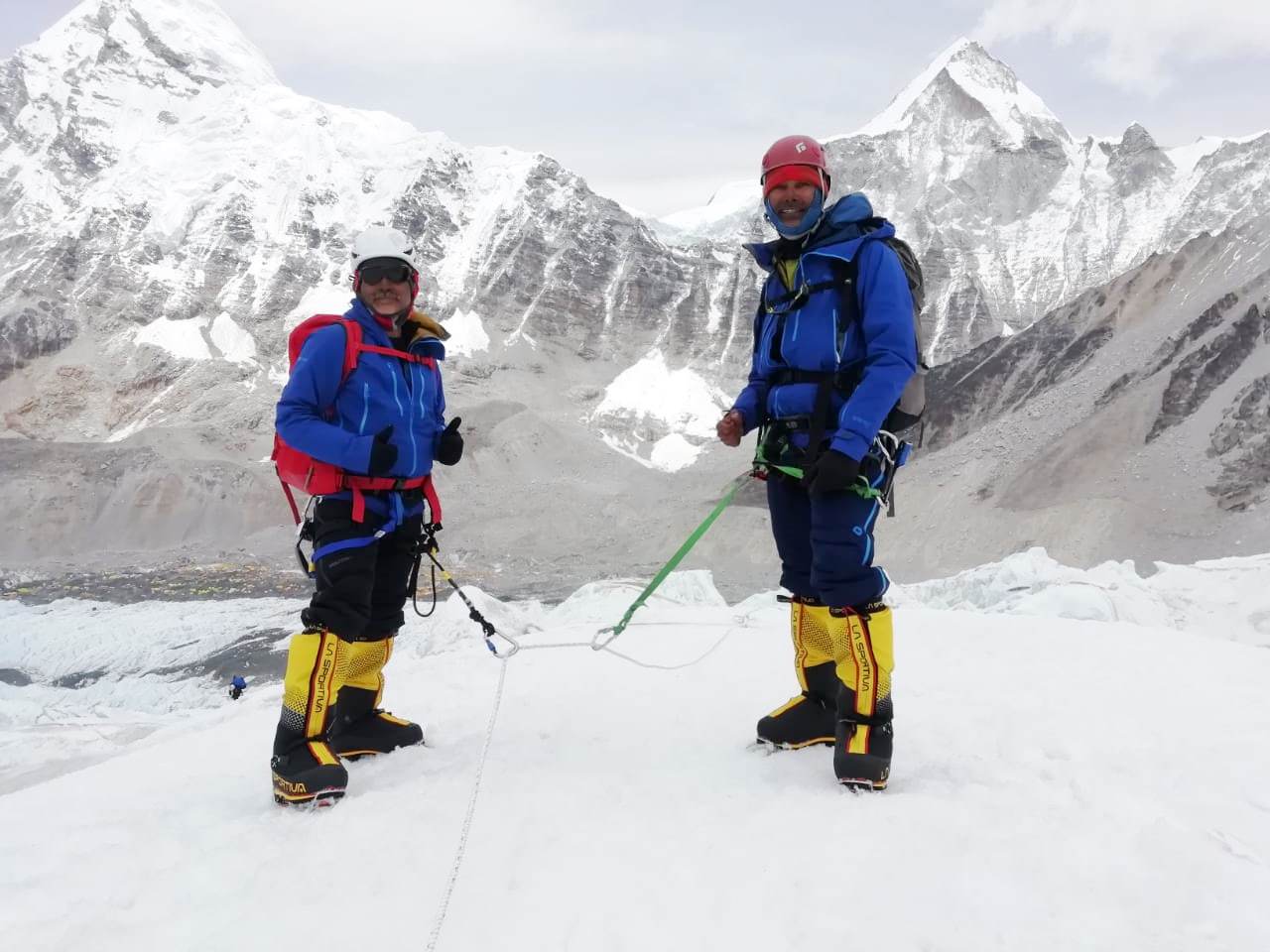
Pune based-mountaineering club, Giripremi, saw its expedition to Kanchenjunga plant ten climbers on the summit. According to news reports in mid-May, the successful ascent of Kanchenjunga marks seven of the world’s fourteen 8000m peaks climbed by the club. On the other hand, two Indian climbers died on the same peak. Biplab Baidya was on his way down from the summit when he passed away due to high altitude sickness. Kuntal Karar fell sick while attempting to ascend the peak, media reports said. Both passed away at elevation above Camp IV. They were from Kolkata; part of a team from that city. Of the world’s fourteen 8000m peaks, Kanchenjunga – it is India’s highest peak and the world’s third highest – is among the more difficult. Indians died this May on Everest and Makalu too. Weeks after an Indian Army team claimed to have seen footprints of the yeti (there is no credible proof of its existence) on the slopes of Makalu, it lost one of its climbers – Naik Narayan Singh. Media reports said, he died on the descent from Makalu’s summit. On the same peak, Dipankar Ghosh, an experienced Indian mountaineer, was reported missing on the way back from the summit. Reports of the incident published on Saturday (May 18) said that Ghosh hadn’t reached Camp IV as of Thursday night. Same day, the media reported that Ravi Thakur, resident of Gurugram, had passed away at Camp IV on Everest.

On May 23, news appeared that Anjali S. Kulkarni from Mumbai had passed away above Camp IV on Everest. Anjali and her husband, Sharad Kulkarni were returning from the summit, when tragedy struck. Her demise was attributed to the high numbers of climbers trying to reach the summit. It meant more time taken to successfully summit the peak and get back, something potentially dangerous given the hostile conditions that prevail at high altitude. The reports said Anjali couldn’t move on her own and died while guides were bringing her down. Later same day, the media reported that Kalpana Das from Odisha had died above the balcony area on Everest. She fell ill on the descent from the summit and passed away.

Morning of May 24, the website Dream Wanderlust informed that the mortal remains of Dipankar Ghosh and Narayan Singh have been recovered from the slopes of Makalu and brought down to Camp IV on the mountain.

This summary of news reports from the Himalaya is as of May 24.

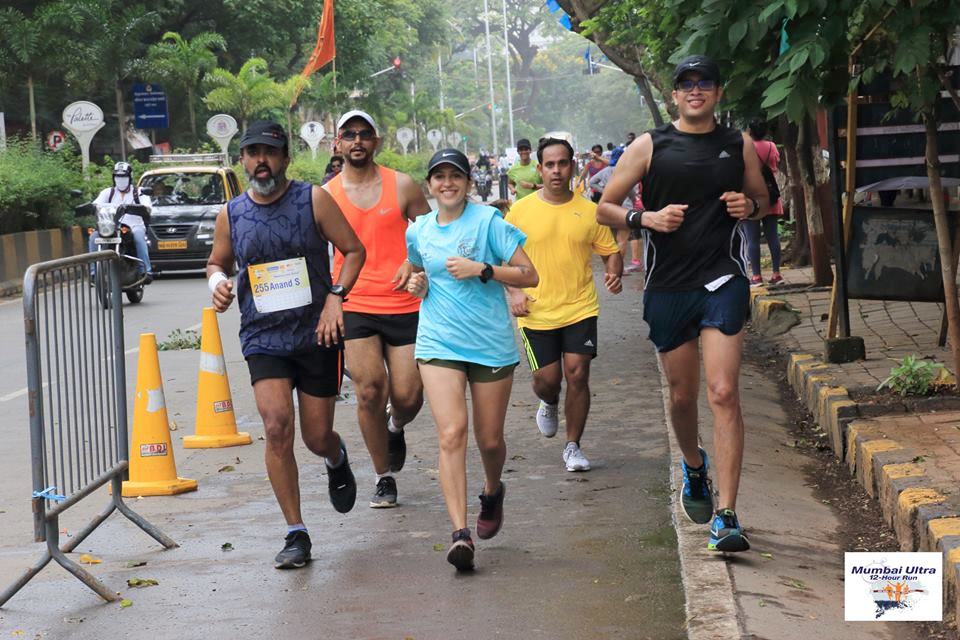
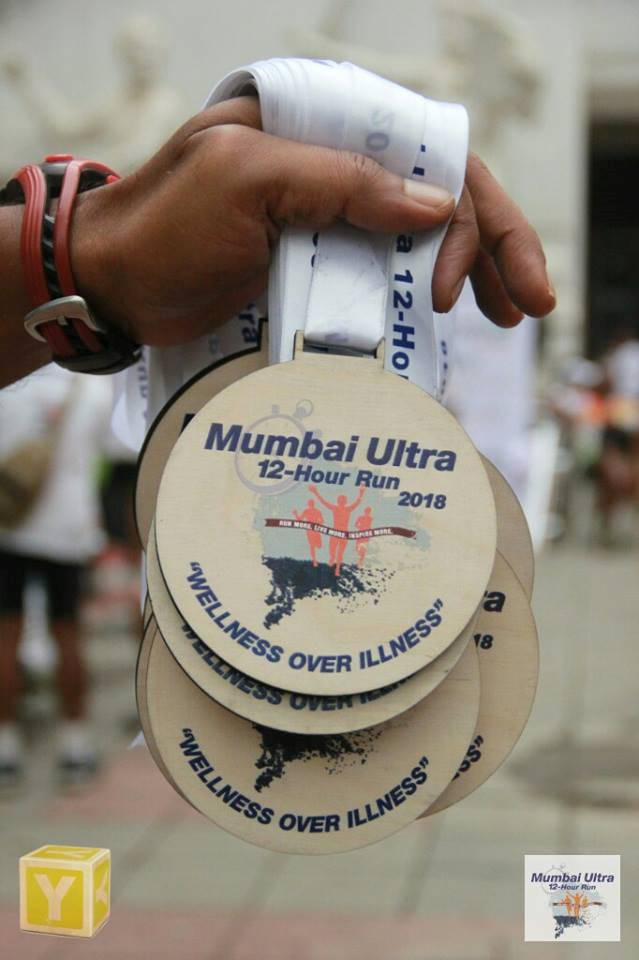
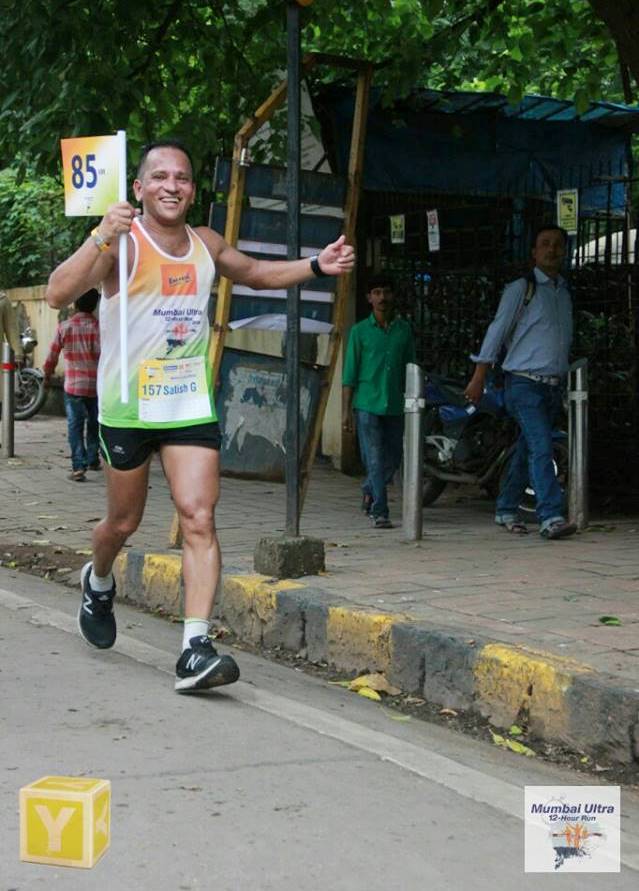
From 2018 Mumbai Ultra

2019 Mumbai Ultra: registration opens soon, timing chip introduced

The 2019 edition of Mumbai Ultra, the city’s original 12 hour-run, will open for registration in a couple of days, the organizers informed on Tuesday, May 7.

The bulk of the registrations will be done online through You Too Can Run. Entrants will have to submit proof of having run a marathon or any distance longer than that, before. A small number of entries would be permitted through the traditional offline route, Navin Hegde, one of the organizers, said.

From 2018 Mumbai Ultra

From 2018 Mumbai Ultra

Participants will have to make a minimum donation of Rs 1500 towards treatment of pediatric cancer patients. Donors will get 80G certificates.

For the first time since the event commenced in 2014, timing chips will be used this year. The purpose of having the chip is to make the recording of distance covered and time taken, more accurate.

“ This is to bring the event to a professional level,” Navin said, adding, “ for us every finisher is a winner.” One advantage in having properly recorded time and distance is that it can be submitted as part of runner’s resume at other races.

This year, the 12-kilometre loop used for Mumbai Ultra – from Shivaji Park to Worli Sea Face and back in central Mumbai – may be shortened because of the Coastal Road Project that has made portions it off limits. “ We will decide on the exact distance of the loop closer to the event,” Naveen said.

Ever since it started as an annual event, the Mumbai Ultra has been a popular outing for the city’s runners. Besides registered participants, several others turn up to pace their friends and run alongside. They join in at various points of the event’s 12 hour-duration. In 2014, when the Mumbai Ultra made its debut, approximately 150 runners registered to participate. By 2018, registrations were up to around 400. “ This year we are looking to have around 500,” Navin said.

(All the photos used in this report on 2019 Mumbai Ultra were downloaded from the event’s Facebook page.)

Scott Sports India ties up with Kanakia for its road racing team

Scott Sports India, the Swiss producer of bicycles, motorsports gear, sportswear and winter-sports equipment has roped in theme developer, Kanakia Group as principal sponsor for its first ever road racing team in India, Scott Racing Development.

Scott Sports India had announced its plan to launch Scott Racing Development last year.

Under the project – Kanakia Scott Racing Development – the focus will be on both physical and tactical aspects. While the physical emphasis would be on effective training as well as improvement of technique, tactical would focus on developing race strategy and adapting to conditions. In addition, the riders will be guided on understanding performance data to help manage their training and results.

The team will provide riders with the full range of necessary equipment for an elite cyclist as well as complete training under the guidance of Nigel Smith, Head Coach, Kanakia Scott Racing Development Team. The team will be based in Nashik, where they will train full-time as they prepare to participate in 8-10 races in India as well as 2-3 international races, an official statement, issued May 27, 2019, said.

Athlete fails dope test, question mark on Asian medal

On May 22, the media reported that Gomathi Marimuthu who won gold in 800m at the 2019 Asian Athletics Championships in Doha in April, had failed two dope tests.

Reports said that she failed a dope test at the Doha event. She tested positive for a banned steroid. The same reports also said that it has now emerged she failed a dope test at the Federation Cup held in Patiala in March. According to these reports, the National Anti-Doping Agency (NADA) was slow to communicate the test result from Federation Cup. Had that result been disclosed earlier, the athlete wouldn’t have been in the squad to Doha.

Adille Sumariwala, president, Athletics Federation of India (AFI) confirmed to the media that Gomathi has been provisionally suspended. She can ask for her B sample to be tested.  Should she fail that too, she faces a four year-ban.

The development puts a question mark on her gold medal at the Asian Championships.

Bharat Pannu withdraws from 2019 RAAM

Lt Col Bharat Pannu, who was among Indian cyclists scheduled to participate in the 2019 edition of Race Across America (RAAM), has withdrawn from the event following injury sustained during a training ride in the US. According to a post on his Facebook page, Bharat had a fall on May 20 while training in Borrego Springs, US. He fractured his right clavicle (collar bone). Doctors have recommended surgery to mend the broken clavicle besides bed rest for the next six weeks. It “ rules out my participation in this year’s RAAM,’’ Bharat wrote. His registration for this year’s event will be given a roll-over and considered for inclusion in the 2020 edition of the race. “ After the recommended recovery period of two months, I would like to plan my participation in the upcoming busy ultra-cycling calendar in India,’’ he has said.

The 2019 RAAM is scheduled to take place in June.

Dr Hitendra Mahajan (left) and Dr Mahendra Mahajan (Photo: courtesy Mahendra Mahajan)

Mahajan brothers: countdown to Everest

Nashik based-cyclists and adventurers, Dr Hitendra Mahajan and Dr Mahendra Mahajan, are nearing the final phase of their Sea to Sky expedition, which entails cycling from Mumbai to Kathmandu and then climbing Mount Everest.

On Monday (May 6, 2019) the brothers were in Debouche, resting and recovering from trips to high camps on Everest before returning to the peak for their summit bid. The highest they got to as yet was Camp 3 (around 23,000 feet). “ We are both fine,’’ Dr Mahendra Mahajan told this blog over phone.

The brothers have been in the Everest region for the past few weeks. Earlier, they had commenced their bicycle ride from Mumbai on March 31. They cycled in relay pattern, taking turns to be on the road. A reason for this was that their expedition also included work towards spreading awareness about cardiopulmonary resuscitation (CPR). While one brother cycled, the other went ahead to the next scheduled location for CPR workshop and set things up. Between Mumbai and Kathmandu, they did 15 such workshops in all including three in Nepal. Pune based-Force Motors, which has sponsored this expedition and has been a steady supporter of the brothers’ projects, provided two utility vehicles. “ We are grateful to them for the assistance,’’ Mahendra said. The brothers covered the distance from Mumbai to Kathmandu in about a week. They reached the Nepali capital on April 7. With the cycling phase over, the vehicles, support staff and bicycles returned to India.

A day after reaching Kathmandu, the brothers took the flight to Lukla. According to Mahendra, their Everest attempt is as part of a team managed by Kathmandu-based Pioneer Adventure. The team includes Everest aspirants from India, Pakistan, USA and Singapore. They commenced their walk-in to Everest Base Camp (EBC) from Lukla. Along the way, they climbed Island Peak (20,305 feet). After the walk-in and the trips up Everest (highest point reached yet being Camp 3) they descended to Debouche set amid green surroundings at lower altitude to rest and recover.

They were scheduled to spend three days in Debouche. The exact dates of summit bid upon return to Everest depended on weather conditions. “ Camp 2 was very windy,’’ Mahendra recalled. He felt that their summit window should probably be somewhere in the ten days following May 12. “ Both of us plan to attempt the summit,’’ he said.

In 2015, the Mahajan brothers had gathered much attention as the first Indians to complete the 4800km-long Race Across America (RAAM), a punishing cycle race from the west coast of the US to the east. In 2016, they completed a 6000km-ride along India’s highway system called the Golden Quadrilateral. Sea to Sky is their first major project mixing cycling and mountaineering.

Update: The brothers reached the summit of Everest on May 22. An account of this phase is available on this blog; the article is titled: The Mahajan Brothers and May 22 on Everest.

This photo was downloaded from the Facebook page of IAAF and is being used here for representation purpose.

Caster Semenya wins at Doha Diamond League / WMA expresses disapproval of IAAF policy

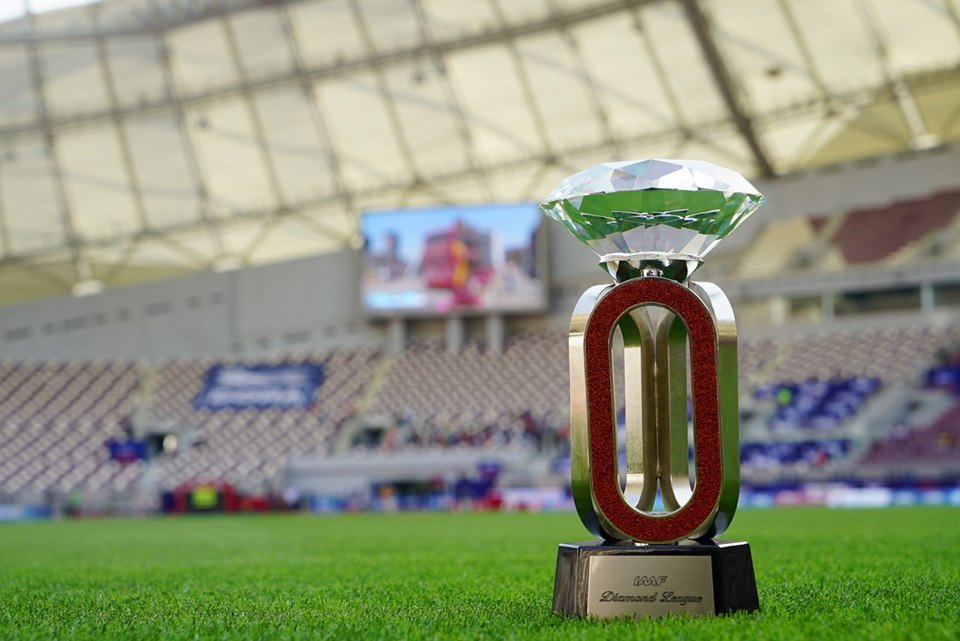
Two days after the Court of Arbitration for Sport (Cas) upheld the policy of the International Association of Athletics Federations (IAAF) with regard to athletes having differences in sexual development (DSD), Caster Semenya, the South African athlete at the center of it all, won the women’s 800m competition at the 2019 Diamond League in Doha, Qatar.

The IAAF policy is set to take effect from May 8, 2019. The Doha Diamond League event happened on May 3. Running with flawless technique and strategy, Semenya won by a comfortable margin and in her trademark style – composed and showing little sign of having been stretched by competition. She finished in one minute 54.98 seconds. It was her 30th consecutive victory in the discipline. Many believe the 800m competition in Doha may be Semenya’s last run in that discipline as the IAAF policy applies to distances spanning 400m to a mile. While her future course of action is yet to be disclosed Semenya told reporters after the Doha event that she does not intend to take medication to lower testosterone level (as required by IAAF policy) and has no plans to retire following the Cas ruling.

Early morning, May 4, the video of the Doha run – credited to IAAF Diamond League – was available on YouTube. The commentary tracking the athletes’ two laps said it all: (Lap 1) Well they are off and running. We could be watching a little bit of history here. Caster Semenya who has been so, so dominant over the last three to four years just slipped into Doha late on Wednesday evening; caught people by surprise. (Lap 2) Look at that silky smooth, serene style from Caster Semenya, into the home stretch, Semenya on her way to a third year victory here, my word – is there any end to her talent and she is just running away! Is this as some people have suggested, something of an act of defiance given what’s been going on? Look at the clock – 1:54:99; just outside the time of Paris last year but its very, very quick indeed. Very business-like, unemotional. They say that actions are much better than words and I think Caster Semenya expresses that perfectly. She has said very little apart from a few Tweets on social media in the last few days. Once again, she has delivered on the big stage. It has been rounded down – 1:54:98. 

WMA’s view:

Meanwhile the World Medical Association (WMA) has expressed disagreement with the IAAF policy. In a statement posted on its website on May 2, 2019, WMA said: The World Medical Association has reiterated its advice to physicians around the world to take no part in implementing new eligibility regulations for classifying female athletes. It follows today’s decision by the Court of Arbitration for Sport supporting IAAF (International Association of Athletics Federations) regulations requiring women athletes with specific differences in sex development to medically reduce their natural blood testosterone. WMA President Dr. Leonid Eidelman said: ‘We have strong reservations about the ethical validity of these regulations. They are based on weak evidence from a single study, which is currently being widely debated by the scientific community. They are also contrary to a number of key WMA ethical statements and declarations, and as such we are calling for their immediate withdrawal’.

For an overview of the Caster Semenya story, please try this link: https://shyamgopan.com/2019/05/01/caster-semenya-loses-her-case-against-iaaf/

Appeal in the offing?

On May 14, the international media reported that South Africa’s sports ministry confirmed that the country’s track and field federation – Athletics South Africa (ASA) – will appeal against the ruling of the Court of Arbitration for Sport (Cas) in the Caster Semenya case. ASA was part of the original litigation that saw the International Association of Athletics Federations (IAAF) being challenged for its regulations around testosterone levels in competitions for women in sports. According to international media reports, both ASA and Semenya’s lawyers declined comment on the matter of appeal even as a spokesman for South Africa’s sports ministry said a decision to appeal had been made.

Semenya to move Federal Supreme Court of Switzerland

On May 30, the international media reported that Caster Semenya will be taking her case to the Federal Supreme Court of Switzerland.

The athlete said so in a statement.

This follows the earlier rejection of her appeal by the Court of Arbitration for Sport (Cas).

(The authors, Latha Venkatraman and Shyam G Menon, are independent journalists based in Mumbai.)

2019 LONDON MARATHON / TALKING TO SOME OF THOSE WHO PARTICIPATED

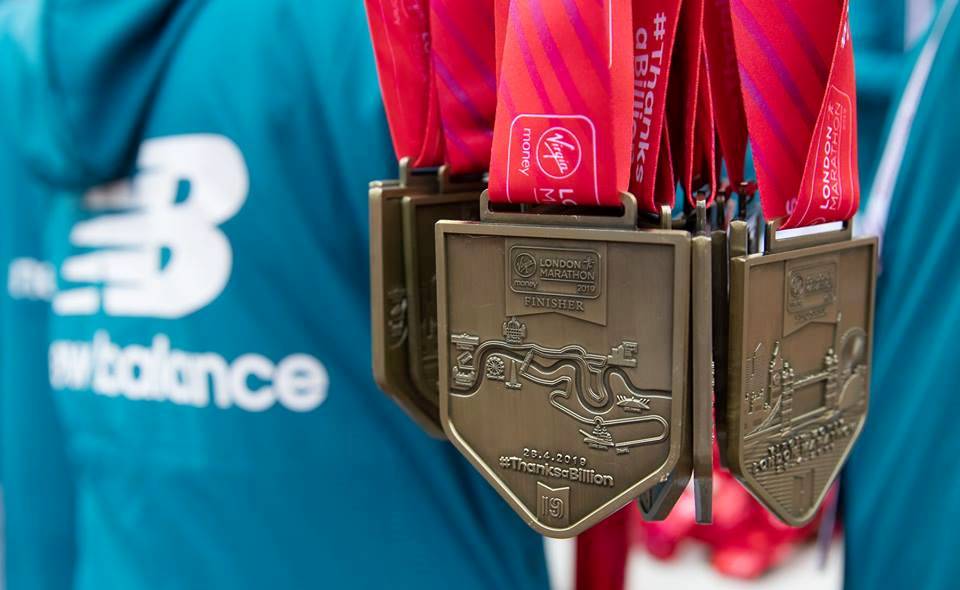
2019 London Marathon finisher’s medal. This photo was downloaded from the event’s Facebook page and is being used here for representation pupose. No copyright infringement intended)

A record number of runners – 42,905 according to the organizers – participated in the 2019 edition of the London Marathon.  The race was won by Kenya’s Eliud Kipchoge in the second fastest time in history.

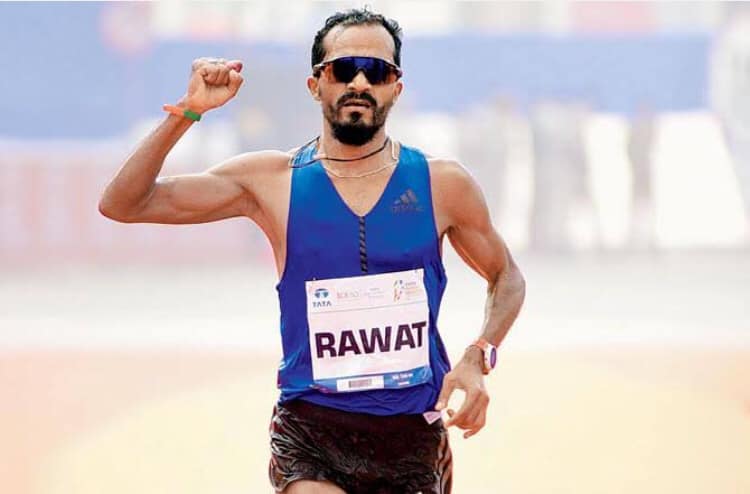
For India, the 2019 edition was special as it saw an Indian athlete – Nitendra Singh Rawat – run in the elite category of the London Marathon. He finished 27th overall. It was also a race to remember for amateur runners. Mumbai-based Himanshu Sareen completed the six World Marathon Majors, with this run. As did Bengaluru-based runner and coach, K.C. Kothandapani and Karthik Anand, a runner from the same city.

This time around the organizers reduced use of plastic bottles by cutting the number of aid stations. At one of the aid stations, sports drink packed in seaweed pouches was on offer. An innovative product by a London-based start-up, the pouches are biodegradable. They can be discarded after use or consumed. The product drew much media attention for its abject relevance in making running events green and sustainable. But prior familiarity seemed to matter; certainly on race day when people attach premium to finishing and striving for personal best (PB). Some of the Indian runners this blog spoke to did not try the product as they wished to stick to options they were accustomed to.

Here’s what those we spoke to had to say of 2019 London Marathon:

Nitendra Singh Rawat (This photo was downloaded from the athlete’s Facebook page)

Nitendra Singh Rawat

Having risen to the top echelons of India’s marathon fraternity and set the course record at Mumbai Marathon, Nitendra Singh Rawat had been thinking of racing overseas at one of the World Marathon Majors.

He chose the 2019 London Marathon and applied to participate in the amateur category through the regular ballot process. “ I didn’t succeed. So I mailed the organizers explaining my backdrop and my wish to run in London. They got back seeking details. That’s how I was eventually accepted to run in the elite category at the event. The whole process from application to confirmation took a month or two,’’ Nitendra said.

According to Nitendra, the green signal to run in London landed a day ahead of the 2019 Tata Mumbai Marathon (TMM). There was a hurdle to overcome – traveling to London and back is expensive. He needed funding. That January, he emerged winner among Indian elite runners at TMM. He asked Procam, organizers of TMM, if they would sponsor his trip to London. They agreed. “ I am very grateful to them for the support,’’ Nitendra said. He trained for the 2019 London Marathon in Ranikhet, home base of the Indian Army’s Kumaon Regiment, to which Nitendra belongs. “ I trained targeting a timing of 2:12-2:13,’’ he said. The timing mentioned, besides being an improvement on Nitendra’s existing personal best, is also in line with the general drift among contemporary Indian marathoners to catch up with the late Shivnath Singh’s longstanding national record in the discipline.

The 2019 London Marathon was a much talked of affair. The field was quite competitive. The stars of the show were defending champion and world record holder, Eliud Kipchoge of Kenya and the UK’s middle distance great Mo Farah, who just months earlier had won the 2018 Chicago Marathon. Giving them company was a battery of elite runners from Ethiopia, Kenya and elsewhere. Race day in London commenced rather cold. Conditions improved as the race progressed. According to Nitendra, he could maintain the pace he had trained for till about the thirtieth kilometer. Around 27-28 kilometers, he sensed tiredness creeping into his calves. Slowly it built up. Past 35 kilometers, the discomfort aggravated considerably. “ Running at that pace became difficult. I had to slow down,’’ he said.

Nitendra completed the race in 2:15:59 placing 27th overall. It wasn’t among his fastest races. His course record in Mumbai is 2:15:48. Besides, he had trained with 2:12-2:13 in mind. So a bit of disappointment is there.

Looking ahead, Nitendra wishes to run more races overseas. The reasons are simple and obvious – roads are better maintained abroad; weather conditions overseas are more hospitable to improve timing, the elite squad at major events is very competitive and being in their proximity is every long distance runner’s dream. “ You get to learn,’’ Nitendra said. Among the World Marathon Majors, Nitendra said, he would like to run next in Berlin. But the more immediate goal is to train and be ready for the 2019 IAAF World Athletics Championships due in Doha, Qatar in September.

Himanshu Sareen (Photo: courtesy Himanshu)

Himanshu Sareen

Barely 15 days after Himanshu Sareen crossed the finish line at Boston Marathon, he ran the 2019 London Marathon. “ There was no recovery time between Boston and London,’’ Himanshu said. At London Marathon, his last World Marathon Major, Himanshu had set an optimistic target as well as an acceptable target. The optimistic target was to achieve a sub-2:50; the acceptable target was 2:55.

“ Very early into the run at London I realized that I would not get a sub-2:50. It was too crowded. Unlike Boston, where the quality of runners is far superior, here you are running with runners of varying caliber. Overtaking is not possible,’’ he said. Himanshu finished the run in 2:55:09 hours. Favorable weather, flat route and awesome crowd support made the run enjoyable, he said.

“ I am happy to have ended the World Marathon Majors with this brilliant run,’’ he said. As per data available on the website of World Marathon Majors, Himanshu now holds the fastest time at each of the six events from among the 30 Indian amateur runners who completed the series.

Asked about the seaweed pouch at 2019 London Marathon, Himanshu said, “ it is a good experiment and has the potential to be a game changer in the gel and electrolyte market.’’ He tried it. “ The gummy bit felt the same as Lucozade gel. The seaweed casing part was a bit chewy and although it was consumable I discarded it because it was difficult to ingest while running fast,’’ he told this blog.

Kavitha Reddy (Photo: courtesy Kavitha)

Kavitha Reddy

“ It was a great run,’’ Pune based-amateur runner, Kavitha Reddy said of 2019 London Marathon. She she crossed the finish line in 3:23: 01, a personal best. “ My target was around that timing and I was able to achieve it,’’ she said adding that she consistently paced herself throughout the run.

“ It was a wonderful race. The energy level was high with people cheering loudly. The weather was perfect,” she said. The crowd support all along the course gave the race the feeling of a carnival. She was aware of the new hydration product that London Marathon organizers had introduced. But she did not try it. “ I normally carry my own water, gels and salt tablets. This time I took water from the aid stations,’’ she said.

This was her fourth World Marathon Major; she has completed New York, Boston and Berlin previously. She is scheduled to run Chicago Marathon later this year.

K. C. Kothandapani (Photo: courtesy Kothandapani)

K.C. Kothandapani

Bengaluru-based runner and coach, K.C. Kothandapani wanted to give his best at London Marathon 2019 as it was for him, the last of the six World Marathon Majors. His training for the marathon was quite good.

On the morning of race day, there was rain but during the run there was no rain. “ Our race was scheduled to start at 10:10 AM. We, including Karthik, his wife Deepti and Kavitha Reddy, reached about two hours before the start. During the first kilometer we were all together. My target pace was 5:01 per kilometer to achieve a 3:30 hour finish. I was well on target,’’ Kothandapani, who once worked with the Indian Air Force, said.

As the course started winding downhill, he ensured that he did not run too fast. Every seventh kilometer, he had a gel. His pace hovered in the sub-5 minutes per kilometer region. At the 17th kilometer, he lost one and a half minutes for a loo break. At the 40th kilometer, with just two kilometers to finish, he started to feel some strain in his left hamstring.  He slowed down slightly.

He finished the run in 3:28:43 hours, a personal best in recent times. “ I am very happy with my performance. I wanted to finish the World Marathon Majors on a high,’’ he said.

Cheering all along the route was excellent, Kothandapani said.

Among the six World Marathon Majors, Boston Marathon was the most memorable, he said. He ran Boston Marathon in 2015. He went back in 2018 to run the iconic marathon but midway through the course, ended up did not finish (DNF) because of adverse weather conditions.

“ I would like to go back to Boston and run it again. I would like to attempt it in 2021 when Boston Marathon turns 125 years,’’ he said adding that he would like to go for New York City Marathon in 2020 when it will be the 50th year of the event.

Karthik Anand (Photo: courtesy Karthik)

Karthik Anand

The 2019 edition of London Marathon was also Karthik Anand’s final event from the World Marathon Majors.

The Bengaluru-based runner ran his first World Marathon Major in September 2016 in Berlin. He followed it up with Tokyo, Chicago, Boston, New York and London. “At London, my target was to finish the run in 3:25 but I developed cramps at the 32nd kilometer and I had to walk the remaining ten kilometers to the finish,’’ he said. Karthik finished the run in 3:39:36 hours well outside his personal best. In February this year, Karthik had run the IDBI Federal Life Insurance New Delhi Marathon to a personal best timing of 3:24:35.

His training for London Marathon was good with mileage averaging 90 km per week interspersed with speed, tempo and long runs. Of the six World Marathon Majors, New York City Marathon is Karthik’s favourite. “ The crowd support here is the best. Also, I was pacing someone. So I enjoyed that run,’’ he said. Berlin Marathon is comparatively easy. So is Tokyo Marathon, where post-race organization is the best, Karthik said. He ran Boston Marathon, the toughest among the six, in 2018. It became the most difficult marathon for him because race day weather was brutal with heavy rains, strong winds and temperatures that were the coldest in three decades.

Deepti Karthik (Photo: courtesy Deepti)

Deepti Karthik

Deepti Karthik was introduced to running by her husband Karthik Anand, who was training with Pacemakers under coach, K.C. Kothandapani. She started running in 2011 and in 2014 she joined Pacemakers.

She got into running primarily for fitness. “ I did a lot of half marathons but my timing was not improving. That’s why I decided to attempt the full marathon,’’ she said.

In the last five months, Deepti has run three full marathons starting with Ajmera run in Bengaluru in December 2018 where she ended up on the podium with a timing of 4:25. She followed this up with IDBI Federal Life Insurance New Delhi Marathon, where she finished in 4:23:15. In London, Deepti was able to knock off another 10 minutes from her timing and finish the race in 4:13:12.

“ After running the full marathon I realized that endurance is my forte,’’ she said.

Deepti now plans to attempt the remaining five World Marathon Majors.

Rajesh Nambisan (Photo: courtesy Rajesh)

Rajesh Nambisan

Having completed his quest of running full marathons on all the seven continents, Navi Mumbai-based runner, Rajesh Nambisan, is now on course to wrap up the World Marathon Majors.

In April 2019 when he crossed the finish line at London Marathon he was completing his fourth World Marathon Major, having already run at New York, Berlin and Chicago. Next month, Rajesh is scheduled to run the Comrades Marathon, the ultra-marathon that is held in South Africa. Last year, he completed the downhill version of Comrades Marathon. This year’s attempt will be to do the uphill version.

London Marathon was right in the middle of his training for Comrades. “ In consultation with my coach Dr Pravin Gaikwad, I decided to take London Marathon as a long tempo run. I did not want suffer any injuries so close to Comrades,’’ he said. The Comrades Marathon is slated for June 9.

“ There was no stress for me at London. The relatively flat course and the pleasant weather on race day helped me cruise along at an even pace,’’ he said. He completed the first half of the marathon in 2:06 hours and the second half in 2:10. His timing of 4:16:10 at London Marathon was his personal best. “ The cheering along the London Marathon route is so amazing that you can easily complete your run without any stress,’’ he said. Rajesh did not want to try the biodegradable seaweed gel pods that were on offer at London Marathon. “ I typically carry my own gel and hydration. I did not want to try something new during the race,’’ he said.

Once done with Comrades Marathon, Rajesh plans to move away from the ultra-marathon.

“ Running an ultra-marathon requires several hours of training. I would like to focus on shorter distances,’’ he said.

(The authors, Latha Venkatraman and Shyam G Menon, are independent journalists based in Mumbai.)

CASTER SEMENYA LOSES HER CASE AGAINST IAAF

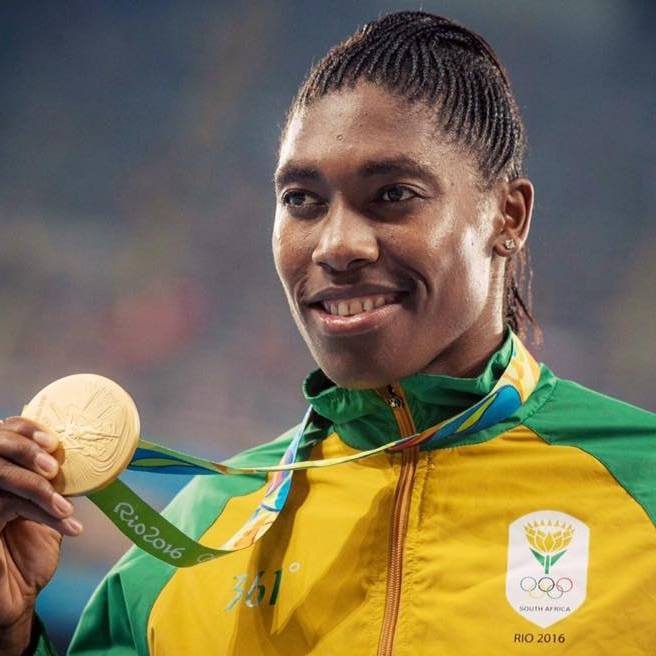
Caster Semenya (This photo was downloaded from the athlete’s Facebook page and is being used here for representation purpose only. No copyright infringement intended)

South African athlete Caster Semenya has lost her case against the International Association of Athletics Federations (IAAF), the media reported on Wednesday (May 1).

Semenya, an athlete with differences in sexual development (DSD) and the current 800m Olympic champion, will now have to take medication to bring down her testosterone level if she wants to continue participating in competitions over distances spanning 400m to a mile. The ruling by the Court of Arbitration for Sport (Cas) is expected to have impact across countries.

A BBC report on the subject mentioned that Cas had “ serious concerns as to the future practical application’’ of the regulations. It also said Cas has asked IAAF to consider delaying the application of rules to 1500m and one mile events till more evidence is available.

The legal battle between 28-year-old Caster Semenya and IAAF was keenly watched by the global sports community.

According to Wikipedia, Semenya rose to prominence in 2008 when she won gold in 800m at the World Junior Championships. She also won gold at the 2008 Commonwealth Youth Games held in Pune, Maharashtra. At the 2009 African Junior Championships she won gold in both 800m and 1500m.  In August 2009, she won gold at the IAAF World Championships in Berlin. Following this victory, questions were raised about her sex. The quick improvements in her timing came under scrutiny. IAAF asked her to take a sex verification test. Although the results were never officially published, some of it was leaked to the media resulting in claims of Semenya having intersex trait, Wikipedia said. The testing and how the episode was handled came in for allegations of insensitivity and racism. Semenya received much support within South Africa.

In July 2010, she was cleared again to compete in women’s competitions. At the 2012 London Olympics, Semenya was selected as flag bearer for the South African squad, at the opening ceremony. She won silver in 800m at the 2012 Olympics. In 2015, after Mariya Savinova of Russia who won gold in 800m at the 2012 Olympics was banned for doping violations at the games, Semenya’s silver was upgraded to gold. In 2015, the IAAF’s policy on hyperandrogenism (high testosterone level in women) was suspended following the case of Dutee Chand versus Athletics Federation of India (AFI) and IAAF. According to Wikipedia, the ruling found there was lack of evidence provided on testosterone increasing female athletic performance. IAAF was given two years to provide evidence. Dutee competes in 100m and 200m.

In April 2016, Semenya became the first person to win the 400m, 800m and 1500m at the South African National Championships. In August, she won gold in 800m at the 2016 Olympic Games held in Rio de Janiero. In 2017, she won gold in 800m and bronze in 1500m at the World Championships held in London. In April 2018, IAAF announced new rules requiring hyperandrogenous athletes to take medication to lower testosterone level, effective November that year. Given the scope of these rules was limited to 400m, 800m and 1500m, the perception grew that it was targeted at Semenya. In March 2019, news reports said that the United Nations Human Rights Council found IAAF’s plan to classify women athletes by their testosterone level, contravening international human rights law. The UN called the plans “ unnecessary, humiliating and harmful.” The IAAF said the motion given to the UN contained “ inaccurate statements” – BBC had informed then.

According to a report in The Guardian on Wednesday’s development, three arbitrators studied the case – IAAF’s policy and Semenya’s appeal against it – for nearly two months. Two of them accepted IAAF’s argument that female athletes with high testosterone level possessed significant advantage in size, strength and power from puberty onward. They felt that IAAF’s policy was reasonable and necessary.

At least one news report on Wednesday said Semenya is considering an appeal. Other options – as explained in media discussions following the Cas ruling – include submitting to medication (with potential impact on performance) or moving to distance categories not covered by the IAAF policy.

“ The IAAF is grateful to the Court of Arbitration for Sport for its detailed and prompt response to the challenge made to its Eligibility Regulations for the Female Classification for athletes with differences of sex development, and is pleased that the Regulations were found to be a necessary, reasonable and proportionate means of achieving the IAAF’s legitimate aim of preserving the integrity of female athletics in the Restricted Events,’’ IAAF said in a statement posted on its website.

The IAAF regulations are set to take effect from May 8.

(The author, Shyam G Menon, is a freelance journalist based in Mumbai.)

KIPCHOGE TRIUMPHS AGAIN IN LONDON, KOSGEI MAKES IT KENYAN DOUBLE

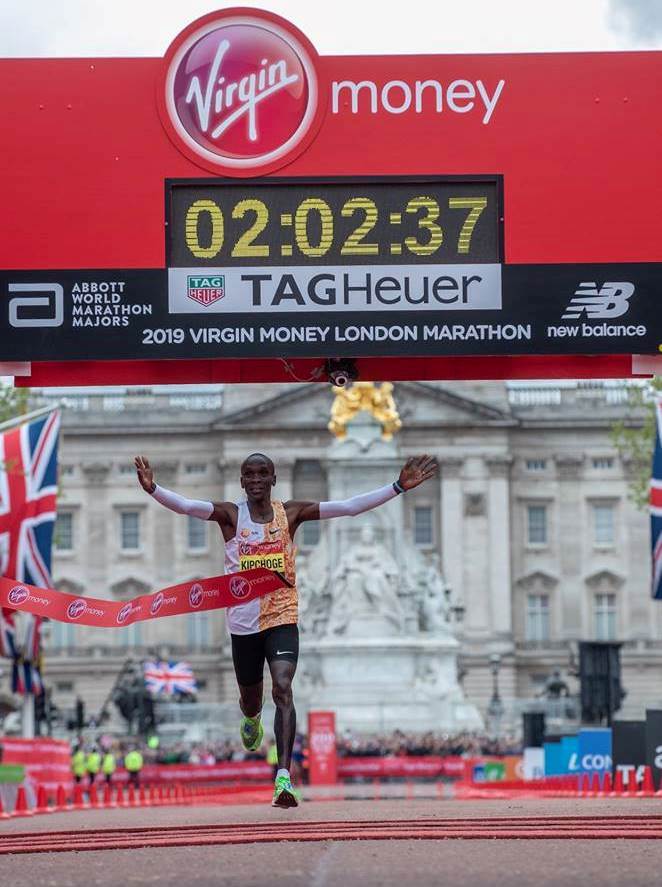
Kenya’s Eliud Kipchoge wins the 2019 London Marathon (This photo was downloaded from the Facebook page of London Marathon)

In a clinical demolition of competition, Kenya’s Eliud Kipchoge ran the second fastest marathon in history to claim top honors at the 2019 London Marathon.

He covered the distance in two hours, two minutes and 37 seconds, a new course record.

The current world record – 2:01:39 – also held by Kipchoge, was set at the 2018 Berlin Marathon.  Among the World Marathon Majors (of which the London Marathon is one), Berlin is reputed to have the fastest course.

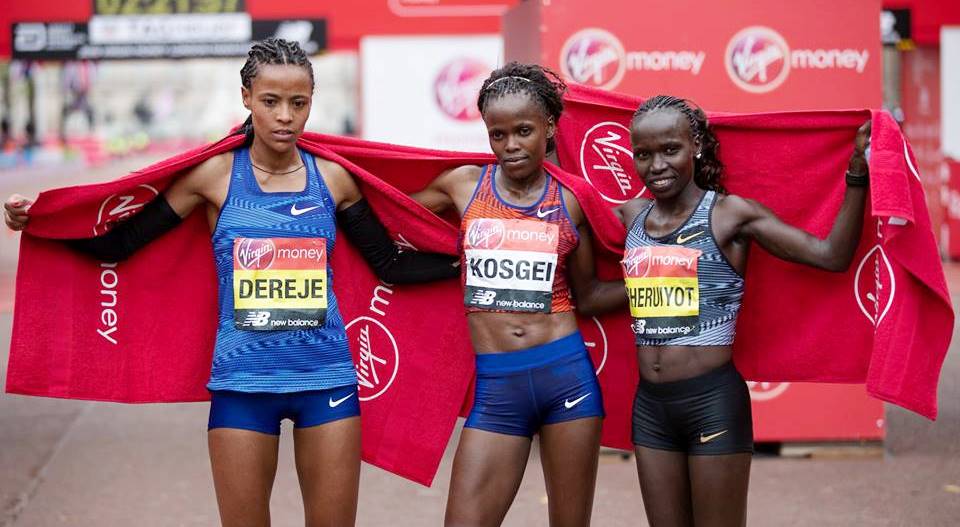
Kenya’s Brigid Kosgei won in the women’s category in London with a timing of 2:18:20. She was followed by fellow Kenyan Vivien Cheruiyot (2:20:14) and Roza Dereje (2:20:51) of Ethiopia. Finishing second among men in London on Sunday (April 28, 2019) was Ethiopia’s Mosinet Geremew (2:02:55). The third place went to Mule Wasihun (2:03:16), also of Ethiopia.

In the event’s wheelchair race, Daniel Romanchuk of US finished first among men while Manuela Schar of Switzerland took top honors among women.

Sunday’s triumph was Kipchoge’s fourth win at the London Marathon, making him the first person to do so. He previously won the race in 2015, 2016 and 2018. Adding to his formidable reputation was that when he set the world record in Berlin, he shaved off 78 seconds from the previous record. Further as per information on the website of International Association of Athletics Federations (IAAF) he was heading to London with a race record of 11 marathons won from the 12 he took part in, including the 2016 Olympic title. On the eve of 2019 London Marathon, a big question was – can competition check Kipchoge’s march? Even as eventual winner on Sunday was Kipchoge, a trio of Ethiopian runners kept him company in the lead pack; the three Ethiopians performed creditably keeping the group intact for almost three quarters of the race. As Kipchoge’s relentless pace began to bite, they dropped back one by one, leaving it to Geremew to chase the Kenyan athlete often described as the greatest marathon runner yet, to the finish line. The Ethiopian finished 18 seconds behind Kipchoge.

The winners from the women’s category; from left – Roza Dereje, Brigid Kosgei and Vivien Cheruiyot (This photo was downloaded from the Facebook page of London Marathon)

Mo Farah, whose presence (he along with Kosgei were winners at the 2018 edition of the Chicago Marathon) was billed as competition to Kipchoge ahead of the race, had to settle for fifth position. Only the second athlete in the history of the modern Olympics to win both the 5000m and 10,000m at successive Olympic Games, Farah with one World Marathon Major victory to his name has been having a tough transition to the marathon. Although the event’s publicity machinery drummed up a Kipchoge versus Farah race, the British runner came into the race with at least seven other participants having personal best (PB) superior to his. He finished in 2:05:39, to place fifth. The run up to the 2019 London Marathon was marred by a spat between Haile Gebrselassie, one of the all-time greats of marathon, and Farah. As reported in The Guardian’s live coverage of Sunday’s race, following his fifth place-finish Farah told the media that the controversial spat hadn’t been cause for distraction. “ I felt great at the start, felt great halfway, but when the pacemakers dropped out at 20 miles, they got a gap on me and that gap was hard to close … from 20 miles the wheels came off and I was just hanging in there, to be honest,” The Guardian quoted him as saying.

India’s Nitendra Singh Rawat, who ran in the elite section of the men’s marathon, covered the distance in 2:15:59 to place 27th overall. It was certainly fast by Indian standards but not among Rawat’s own fastest runs. In 2016, Rawat had set a course record of 2:15:48 at the Mumbai Marathon. In January 2019, at the same Mumbai event, he had romped home in 2:15:52. According to reports in the national media, Rawat is the first Indian athlete to run in the elite category of the London Marathon.

Reports ahead of race day said that over 40,000 people were scheduled to participate in the 2019 London Marathon.

(The authors Latha Venkatraman and Shyam G Menon are independent journalists based in Mumbai.)     

2019 BOSTON MARATHON / TALKING TO SOME OF THOSE WHO PARTICIPATED

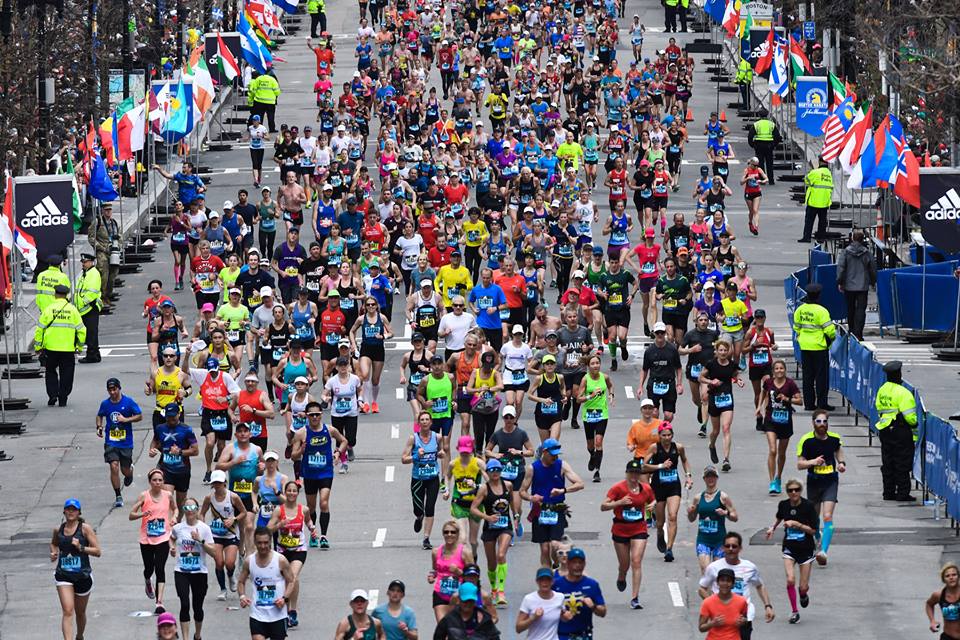
This photo was downloaded from the Facebook page of Boston Marathon and is being used here for representation purpose. No copyright infringement intended.

Boston Marathon is the world’s oldest annual marathon. It is part of the World Marathon Majors. Entry to this elite list of marathons is mostly through qualification on the strength of timing.

At the 123rd edition of the Boston Marathon, 26,632 runners completed the race. As per the race website, this amounted to a finish rate of 97.4 percent.

Weather is one of the major factors impacting performance of participants here. This time around, initial forecasts did not augur well. However the scenario changed closer to race date.

The weather could not have been more perfect, some of the runners from India that this blog spoke to, said.

Over 50 runners from India participated in the 2019 edition of the marathon. “ It was a strong performance by runners from India,’’ Bengaluru-based runner and coach, Ashok Nath said. He was running his tenth Boston Marathon.

Excerpts from conversations we had with runners:
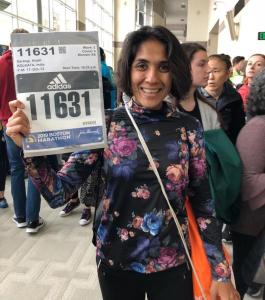
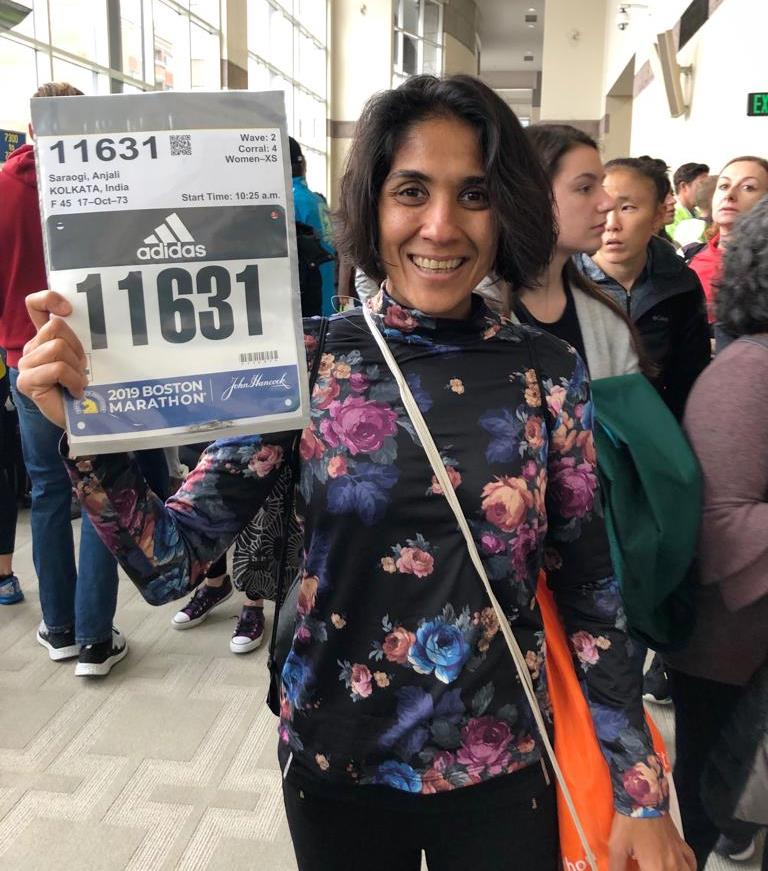
Anjali Saraogi (Photo: courtesy Anjali)

Anjali Saraogi

In India, Kolkata-based amateur marathon runner, Anjali Saraogi, often ends up on the podium in her age category in the races she participates in.

2019, at Boston, she was the fastest woman among Indian runners who participated in the iconic marathon held on April 15, 2019.

She finished the race in three hours, fourteen minutes and thirty-three seconds, achieving a personal best across marathon races she has run so far.

Anjali was on the verge of not running the race because the weather in Boston worried her. “ When I landed here a week ahead of race day, it was freezing cold with temperature around 1 degree Celsius,’’ she said. She went out for a training run but felt very cold. Her finger joints hurt. “ My feet and hands felt like stone. It was as though I was barefoot. My pacing went awry. I lost track of hydration,’’ she said.

She had her eye on the weather forecast, which kept changing but mostly appeared bleak.

Disappointed, Anjali decided that she would not run the marathon. But on Saturday, the weather showed signs of improvement.

On race day, when she left home there was torrential downpour. “ Visibility was low. I had loads of clothing on me,’’ she said. By the time she got to Hopkinton, the start point of the marathon, the downpour had reduced to mild drizzle.

“ Boston Marathon features fast runners because of the stringent qualification norms for entry. You have to run at the pace of the runners or you could be tossed around,’’ she said. Anjali was very troubled and stressed thinking about it. But after 32k, the roads open up. Also, the sun was out.

During the second half of the race, she cramped because of inadequate hydration. It stemmed from days ahead of the marathon lost to cold weather.

“ Boston is a hard race. There is not one moment of rest. It is continuously up and down. But the volunteers are so cheerful and helpful, they take the race to a different level,’’ Anjali said.

Her meticulous training helped her a great deal. Equally helpful was the marathon experience. “ The fast runners of Boston Marathon helped me achieve a personal best,’’ she said.

Anjali called Boston Marathon a glorious race. However, she is doubtful if she will repeat it given the logistics, travel expenses and most important of all – the unpredictable weather of New England.
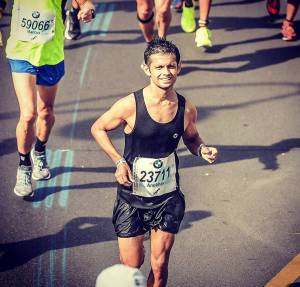
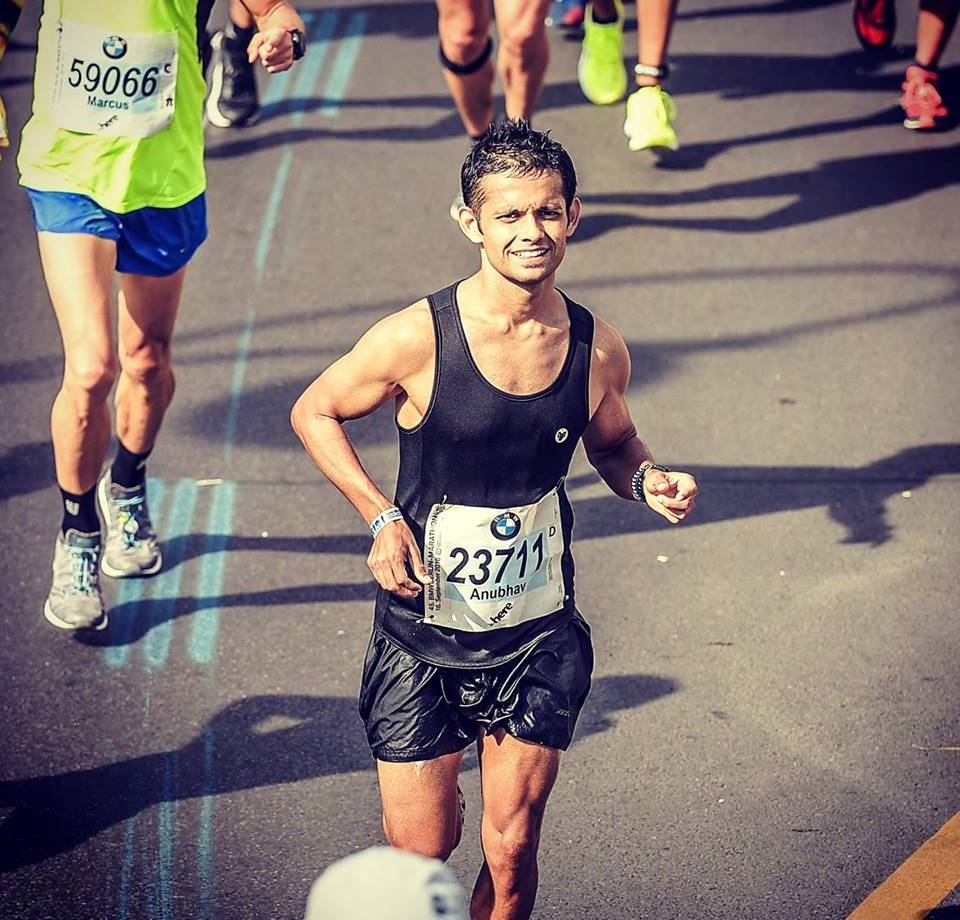
Anubhav Karmakar (This photo was downloaded from Anubhav’s Facebook page)

Anubhav Karmakar

When you browse the results of Indian runners at 2019 Boston Marathon on the race website, the name that tops the list is that of Anubhav Karmakar.

Anubhav crossed the finish line at Boston Marathon in 2:45:45.

His target was to finish within the range of 2:43-2:46 and he achieved it. Once a corporate employee, Anubhav is now a coach for endurance races and has set up his own outfit, Athloft, offering training for running, cycling, triathlon and duathlon.

At the 2019 edition of Tata Mumbai Marathon (TMM), Anubhav had finished third in his age category of 30-34 years with timing of 2:52:30.

Anubhav’s first foray into fitness was joining a gym but he found it unsustainable. He started running in 2013. Cycling engaged his mind more. He got into bicycle racing and slowly moved to the triathlon. He went on to do three half Ironman events.

It was in 2015 that Anubhav adopted a more structured approach to running. At the 2014 edition of Standard Chartered Mumbai Marathon (SCMM), he had finished the full marathon in 4:22:53. In five years, he was able to chop off an hour and thirty minutes from that. Mid-April, 2019, he was at the starting line of Boston Marathon. He knew well that the course won’t be easy.

He commenced the race strong and continued to feel strong mid-way through the marathon. He did the first half very clinically, ensuring that he did not overdo. During the second half Anubhav decided to go by “feel.’’ He had heard about Heartbreak Hill, an incline that appears roughly around the 20 mile-mark on the route. Running through it was not that tough. But there were several other downhills, which proved to be difficult. “ It is difficult to pace yourself through the downhills,’’ Anubhav said.

Weather is a major challenge at Boston. On the morning of the marathon, there was heavy rain. Runners getting ready to leave for the start line had to carry a lot of waterproof stuff.

“ While we were on the bus traveling to Hopkinton, it was raining heavily. By the time we reached the start point the sun was out. I discarded my fleece jacket. After some time my gloves went off and soon after my arm warmers too came off,’’’ he said.

Anubhav finished strong. He topped the list of runners from India.
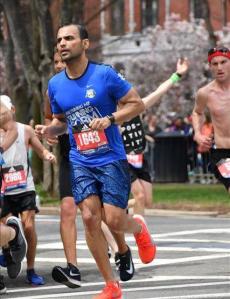
Himanshu Sareen (Photo: courtesy Himangshu)

Himanshu Sareen

Mumbai-based Himanshu Sareen was running Boston Marathon for the second year in a row. In 2018, he completed the run in 2:58:50, a timing considered quite good as race day-weather was brutal with heavy rains, strong headwinds and temperatures that were the coldest in three decades.

Many runners had dropped out of the race because of the deteriorating weather. Despite the conditions, Himanshu’s timing was not very far from his personal best of 2:49 hours, which he achieved at the 2018 Tokyo Marathon.

At the 2019 edition of Boston Marathon, Himanshu finished in 2:54 hours. Having set a target of sub-2:50, he started the run well. He was able to complete the first half of the marathon in 1:23 hours but the downhills in the second half slowed him down a bit prompting him to take a minute’s break at one of the aid stations.

“ For the last six months I have not been going all out in races because of a recurring hamstring problem,’’ he said. Recently he started training with Bengaluru-based runner and coach, Ashok Nath. He has begun to see the benefits of Ashok’s method of training and is confident of the coach’s guidance playing out in races ahead.

Himanshu started running about six years ago. Sometime in August 2013, looking for a holiday, he decided to travel to Brisbane with a friend; the latter had enrolled to run a half marathon. Himanshu did all of the three practice runs for this event – 5k, 8k and 11k. He finished the actual race in 1:47:46. By Indian amateur running standards, this is good timing for a first run.

Himanshu succumbed to the running bug.

Within a short time he ramped up to ultra-marathon distances. In 2014, he ran the 250k Fire and Ice Ultra in Iceland. The very next year, he did an ultra-run in Zermatt, Switzerland and then followed it up with UTMB. “ After these experiments with the ultra-marathon, I decided to focus on the full marathon distance,” he said.

Boston now done and dusted, next week, Himanshu will be attempting London Marathon, another of the World Marathon Majors. When that is completed, Himanshu would have run and finished all the World Marathon Majors.

Himanshu has been running marathons in various continents including Antarctica. With running, he has been able to also fulfill his passion for traveling. So far, Himanshu has traveled to 70 countries.
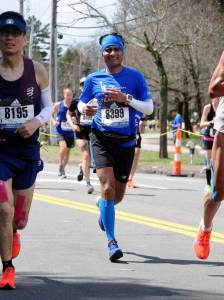
Purushottam Kulawade (Photo: courtesy Purushottam)

Purushottam Kulawade

In the early years of the Mumbai Marathon, Purushottam Kulawade, then a student staying at Sydenham College hostel, would walk over to Marine Drive to watch celebrity runners go by.

Enthused by the sport, he took to running. But in his first outing at a 10 kilometer-race in Pune, he ended up Did Not Finish (DNF). All the same, running continued; in 2009, he ran his first half marathon at Hyderabad and in 2010 his first full marathon at Auroville in Pondicherry.

A TCS employee, Purushottam now lives in Philadelphia. In 2018, he ran the Lehigh Valley Health Network Via Marathon in Pennsylvania. He got a personal best of 3:08:46 hours in that marathon. His entry to the 2019 edition of Boston Marathon was secured. But his training for it was not up to the mark as he was suffering from shin splints. He had set a target of 3:05 with the aim of bettering his personal best. His run went well but as it progressed the rising temperatures became a bother. “ I had not trained for such weather,’’ he said. He finished the run in 3:14:48.

Having completed Boston Marathon, Purushottam has just one of the World Marathon Majors left – Tokyo Marathon. That opportunity may come through in 2020.
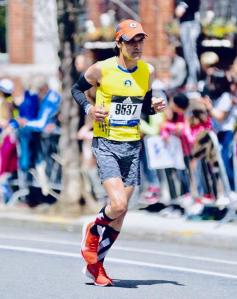
Ashok Nath (Photo: courtesy Ashok)

Ashok Nath

For the last few years, one name has consistently figured among Indian runners attempting the Boston Marathon. The 2019 edition was Ashok Nath’s tenth outing at the event.

“ I started running Boston Marathon with no intention of doing it so many times. After I completed it seven times, I thought I might as well do it ten times as ten is a nice number,’’ he said. To run Boston Marathon he has to block the month of April for it. It rules out the possibility of participating in Rotterdam Marathon, London Marathon and Paris Marathon, he said.

“ There is something about Boston Marathon. As 80 percent of the entrants come through the qualifying route, you end up running with runners of high caliber,’’ he said. The entire city comes out to support the runners.

He also pointed out that weather was a concern. On the morning of the run, skies were cloudy and there was heavy rain. “ My shoes and socks were wet,’’ he said. But as time went by, the weather improved.

The Bengaluru-based runner and coach wanted to finish strong and therefore did not want to push too much, early in the race. “ I was supposed to pace somebody. For the first five kilometers, I was searching for this runner but I could not find him. I then continued running at my pace,’’ he said. Ashok finished the run in 3:10:09 hours.

The uniqueness of Boston Marathon may prompt Ashok to go for it again. He has time to decide until September when registrations open for the next edition. At one level, he also wants to shift to shorter distance obstacle races.

In June 2019, he will be attempting his fifth Comrades Marathon, the ultra-marathon in South Africa.
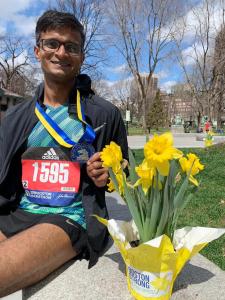
Sharath Kumar Adanur (Photo: courtesy Sharath)

Sharath Kumar Adanur

Entry norms for Boston Marathon are tough and yet runners, who are able to achieve the qualifying time, come back time and again to attempt it.

At the 2019 edition of Boston Marathon, Sharath Kumar Adanur, currently a resident of Jamshedpur, was attempting the race for the second time in a row.

“ I would like to come back to Boston. It is a challenging run,” he said.

With near perfect weather prevailing, Sharath had a very good run finishing the marathon in 2:51:28. He emerged second fastest from among the runners from India. However, he fell short of his target of sub-2:50. “ I trained well but I feel I should have put in more downhill training,’’ he said.

Last year, he had finished Boston Marathon amid difficult weather conditions. Sharath covered the distance in 3:17 hours; he ended up with hypothermia. He wanted to return to Boston and enjoy the race.

On a quest to complete the World Marathon Majors, Sharath will be returning the U.S. to attempt Chicago Marathon, later this year.  In 2017, he had completed New York City Marathon finishing the race in 2:57 hours.
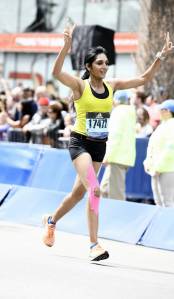
Seema Yadav (Photo: courtesy Seema)

Seema Yadav

For Seema Yadav, it was her first time running the Boston Marathon.

She was mentally prepared for challenging course and weather.

Standing in her corral at the start line, Seema could only feel a sense of elation at the fortune of getting a chance to run the world’s most iconic marathon.

“ It was like a dream run for me,’’ she said. Yet, the race was not without challenges. “ Every hour the weather was changing. From cloudy, rainy, cold weather to humid and hot conditions, you experienced everything in those few hours,’’ she said.

Seema was nursing injuries. Three weeks prior to the marathon, she suffered Illiotibial band (IT band) and Tensor Fascia Latae (TFL) insertion injuries.  Her training got hampered.

“ It was extremely painful. I could not bend my knee. If I bend my knee I would have shooting pain and my knee would lock,’’ she said. She visited the physiotherapist daily until she left for Boston.

But the pain remained. Having got entry to Boston Marathon through qualification, she did not want to give up.

“ During the run, the support from volunteers and local residents was so amazing that it helped me divert my mind from my pain,’’ she said. The pain kept worsening and Seema wondered if she should stop for a while but decided against it. She continued running.

“ So many thoughts were going through my mind as I ran. I kept repeating a mantra to help me calm down. A famous Hindi film song, Ruk Jana Nahi was also running through my mind. I was feeling so overwhelmed that I could come here and run this marathon in which 80 percent of runners are selected through qualification,’’ she said.

When she finished the race, she was in no position to stand. She was in severe pain; her blood pressure had also dropped. She was escorted to the medical camp where she spent some time before she began to feel better. Despite all these problems, Seema finished Boston Marathon in 3:26:46, a personal best.

A recent entrant into amateur running, Seema had finished overall fifth among amateur runners and first in the age group of 35-39 years at 2019 Tata Mumbai Marathon. Her timing was 3:30:01 hours.
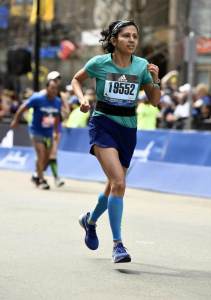
Tanmaya Karmarkar (Photo: courtesy Tanmaya)

Tanmaya Karmarkar

At Boston Marathon, Tanmaya Karmarkar was among runners from India who completed the race in less than three hours, thirty minutes.

She finished the run in 3:29 hours, a personal best for her.

“ At the start line, I was completely drenched and cold. Soon it started to get so humid and hot,’’ she said. The second half of the run was a little tough for her.

Tanmaya has been running for the past four to five years. She has finished on the podium at some of the races she participated in, in India. A Pune resident, she trains under Ashok Nath. At Boston, her target was sub-3:30 and she was able to achieve it.

She completed the Berlin Marathon in 2018 and is scheduled to go for the Chicago Marathon later this year.
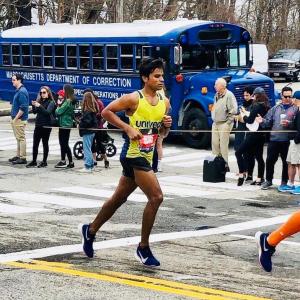
Sandeep Kumar (Photo: courtesy Sandeep)

Sandeep Kumar

In the 2018 edition of South Africa’s Comrades Marathon, Sandeep Kumar became the fastest Indian to complete the 90 k ultra-marathon, in the downhill version of the event. He completed the run in seven hours, thirty minutes.

A podium finisher at many of the races that he participates in, Sandeep works as an engineer with L&T in Surat. His preferred terrain for running is trail.

Originally from Haryana, he forayed into long-distance running in 2014. “ When I started running, I had heard about the stringent qualifying time required for entry into Boston Marathon,’’ he said. April 2019, at Boston, his run went off very well.

In 2018, Sandeep had participated in the 30th IAU 100k World Championship held in Croatia. He has also represented India at World Championships in South Africa and China previously.

Sandeep’s training for Boston Marathon was impacted as he was called by Athletics Federation of India (AFI) to attend a certificate course for coaches (to train those in the under-16 age category) at Patiala. He lost two weeks in March, a month ahead of Boston Marathon. The positive side was that he topped the course and stands a good chance of being called for the next level.

In November 2018, Sandeep met with an accident that resulted in hip dislocation. Recovering from that, a month later, he set a course record in the 33k Chambal Challenge in Kota, Rajasthan, with a timing of 2:32:44 hours.

At Boston, the logistics to get to the start point can be quite an ordeal. Also, the fatigue of jet lag was weighing him down.

“ There was so much energy in Boston. I began to feel very positive. I initially started quite fast and then cut back on my speed. I ran four minutes per kilometer until 30k and then slowed down a bit,’’ he said. He finished the marathon in 2:56:07 hours, a personal best. He was one among five runners from India who secured sub-three hours finish this year at the event.
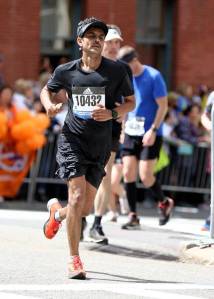
Subhojit Roy (Photo: courtesy Subhojit)

Subhojit Roy

Subhojit Roy’s training for Boston Marathon went off fairly well.

However, he feels that it could have been better.

After running Chicago Marathon in 2018 where he finished in 3:15:25, he ran the full marathon at Tata Mumbai Marathon (TMM) in January 2019.

“ It was a mistake to run the full marathon in Mumbai. Also, I did not drink adequate water or consume gels. Race day was hot. It took me about two to three weeks to get back to training for Boston Marathon,’’ he said.

Nevertheless, the run at Boston was “ fantastic.’’ He finished it in 3:14:33, a personal best.

At Boston, Subhojit was to be paced by his coach but the two of them could not meet. “ I ended up running the first half faster than expected,’’ he said.

In his youth, Subhojit played badminton on a regular basis. As the years went by, the regularity declined and the sport became confined to weekends. Soon friends also disappeared for various reasons; some laid low by injury.

“ I realized that I have to continue my fitness regimen solo. I started running and towards the end of 2013 I enrolled for a race,’’ Subhojit said. He ran that race without any training.

He enrolled for more long-distance running events. With each race his efficiency kept improving. “ I was also committed a lot of mistakes. I learnt from them,’’ he said.

At the 2016 edition of Standard Chartered Mumbai Marathon (SCMM), Subhojit ran the full marathon. He finished in 4:30 hours. The timing was not bad for debut but he had to walk the last 10 kilometers to complete the run.

A friend suggested that he attend a workshop conducted by Bengaluru-based runner and coach, Ashok Nath. “ I attended his workshop in 2016 in Mumbai and learnt a lot about the technique of running,’’ he said. He also realized that if he has to run a full marathon, he has to approach it seriously. He enrolled to train with Ashok Nath.

With guidance from the coach, he was able to correct his errors and systematically improve his timing. Participating in the 2017 edition of Berlin Marathon he finished the race in 3:22 hours; this enabled him to qualify for Boston Marathon. For his age group, the qualifying time required was 3:25 hours.

At the 2018 edition of TMM, Subhojit bettered that time to 3:20 hours and a month later at the New Delhi Marathon (NDM), improved it further to 3:16. “ I used the NDM timing to register for Boston as the margin was better,’’ he said.

The race experience in Boston was fantastic with great crowd support. “ When I finished I felt good. I would definitely like to go back to Boston,’’ Subhojit said.
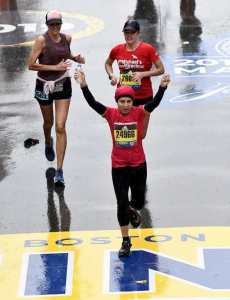
Lata Alimchandani (Photo: courtesy Lata)
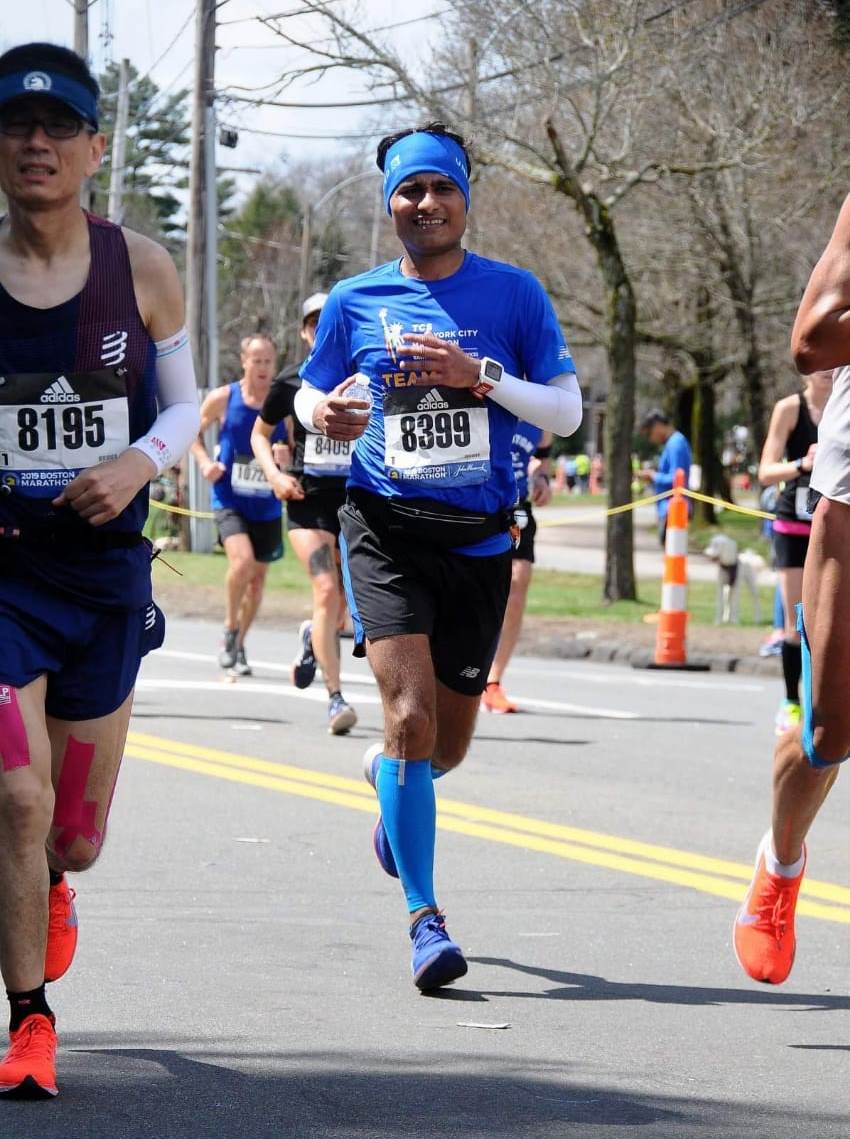
Lata Alimchandani

When she crossed the finish line at 2019 Boston Marathon, Lata Alimchandani had reasons to be happy.

With this run, she completed all the six World Marathon Majors.

Her timing at Boston (4:04:43) was a new personal best (PB).

“ I could have finished the run in 3:59,’’ she said with a hint of regret. At mile 24, she saw a young woman runner being picked up by the medical team. She lost some time there. “ I also don’t run with my eye on the watch. Had I done that I could have finished in better timing,’’ she said. Nevertheless she is happy with the outcome and the new PB.

On the morning of race day, there was a lot of confusion over what to wear for the race. “ We got a message that it is going to be stormy and windy with heavy rains. I had to wear layers and cover my shoes in plastic. But by the time I reached the start line the weather had changed. There was a scramble to remove some of the layers,’’ she said.

The Boston Marathon course is tough. But the organization was excellent, she said. This was her seventh international run; she has run marathons at Amsterdam, Berlin, London, Chicago, New York, Tokyo and Boston.

She ran the Tokyo Marathon in March this year.

(The author, Latha Venkatraman, is an independent journalist based in Mumbai.)