PSYNYDE ALERT: THE HOUR OF THE FURAN

The Furan (Photo: courtesy Psynyde Bikes)

The Furan (Photo: courtesy Psynyde Bikes)

It’s the hour of the Furan, a game changer for Psynyde Bikes.

Wikipedia describes Furan as a heterocyclic organic compound; one that is a colourless, flammable, highly volatile liquid with a boiling point close to room temperature. At Psynyde, Furan is a hardtail mountain bike (MTB). It represents the first time, Psynyde Bikes – a small enterprise funded by “ friends and family’’ – is making a departure from custom-built bicycles and launching a product for the larger market. Doing so, they have to move through all the regular motions of a bicycle manufacturer from finding the best way to make the bicycle, selling it and supporting it in the market.

The story is longer still, if one sees Pune based-Psynyde as a response by riders to the shortcomings of the Indian bicycle market, dominated for decades by a clutch of manufacturers churning out large volumes in protected economy. Thanks in large part to one man – Shiv Inder Singh, one of the founders of Firefox Bikes (subsequently bought by Hero Cycles) – a market for premium bicycles opened up in India. Away from the main market, cyclists like Praveen Prabhakaran and Vinay Menon, tapped into their personal learning to start initiatives such as Psynyde (for more on the origin of Psynyde, please try this link: https://shyamgopan.wordpress.com/2014/02/06/the-story-of-psynyde/).

Making custom-built bikes, Psynyde catered to a small niche of customers for whom, premium didn’t necessarily mean perfect. At that level of search, the bicycle world entailed materials science, computer aided design, frame geometry, welding technology and the like; basically the quest to make a perfectly fitting bicycle that also addressed the application in mind. There is much learning here but as Praveen said, it can also be a bit difficult sometimes coping with unrealistic deadlines and customer expectations. It was from this backdrop that the Furan, Psynyde’s first hardtail MTB to be made in large numbers, took wing. Two aspects qualify the Psynyde approach. First there is the obvious – they see their products as designed, tested and made by riders. Second, both Praveen and Vinay are clear: they wish to be in the performance segment, which at present is a niche within the premium category of bicycles. “ We want to address serious cyclists,’’ Praveen said.
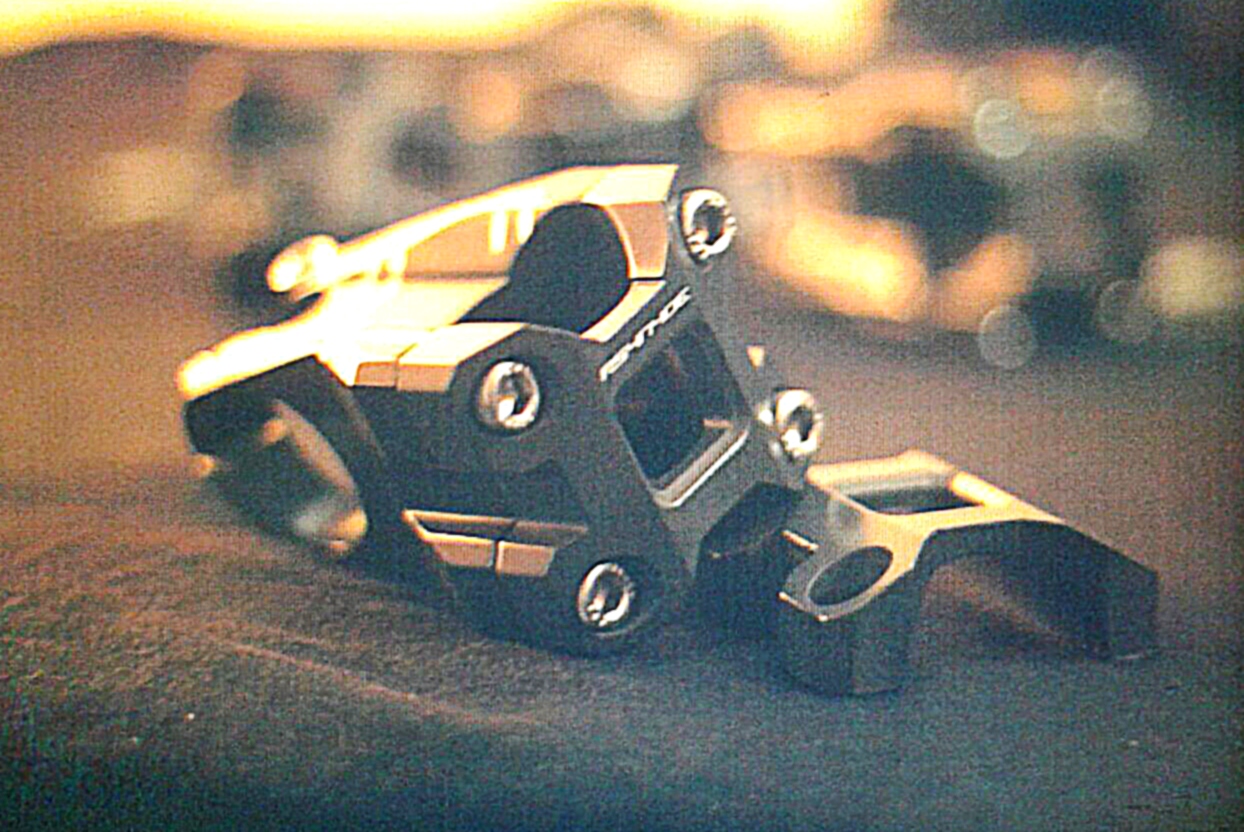
A bicycle component - a stem; part connecting the handlebar to the fork - made by Psynyde Bikes (Photo: courtesy Psynyde Bikes)

A bicycle component – a stem; the part connecting the handlebar to the fork – made by Psynyde Bikes (Photo: courtesy Psynyde Bikes)

The premium category can be broadly divided into three types of bicycles – road bikes, hybrids and MTBs. Road bikes are popularly called “racing cycle’’ in India. The MTB segment, born for uneven terrain and previously little known, became popular once the market opened up. The hybrid, as the term denotes, straddles the lightness of a road bike and the off-roading capability of a MTB without being pronounced in either. It is a flexible, overlapping segment gaining much popularity of late. Psynyde’s need to be identified with performance meant the hybrid was automatically ruled out for want of sharp definition. While Psynyde has custom-built road bikes, they did it using steel, a material that has advanced much in terms of metallurgy and machining. A discerning client will comprehend a light road bike made of special steel. But the market revered carbon fibre as ultimate in light weight road bikes. Psynyde is yet to acquire familiarity with carbon fibre. On the other hand, although there are good performance grade aluminum road bikes internationally, in India for some reason they are perceived as `entry level.’ Further, the posture adopted on a road bike isn’t exactly the market’s sweet spot. It is radical; an effort to sustain and to that extent, defining a road biker rigidly to the expense of other cycling styles. Looking for a product to debut with in the market, Psynyde’s focus therefore shifted to the MTB segment. MTBs attracted for a variety of reasons. To begin with, both Praveen and Vinay had a background in mountain biking with Vinay ending up among the best freeriders in India. When the Indian bicycle market opened up, the MTB was what everyone rushed to buy. Many people subsequently upgraded to hybrids and road bikes. But the entry was through MTBs, pointing to a fascination for the model. For its first mass produced bike, Psynyde decided to go with a MTB.

Next step was to decide which particular segment of MTB, seemed best to make a mark in. The MTB category can be roughly divided into three: cross country, trail bike and all-mountain. The cross country bicycle is designed to spend long hours off-road. It is usually strong at tackling uphill. What it occasionally misses is good control at aggressive levels of riding. According to Vinay, many of the MTBs currently sold in India are closer to this technical set up in lineage. All-mountain on the other hand, showcases control including in aggressive riding that pushes the limits. It typically has a wider handle bar and shorter stem. It tends to be tad heavier but is capable of greater control at higher speeds.  In the middle, sort of like a hybrid within the MTB segment, is the trail bike. Its geometry too is amenable to decent control when pushing the limits. A fourth segment – fat bike, featuring fat tyres – has started showing up in India, but for now, it is a novelty. The Furan was imagined as a performance MTB that could also be used on roads. Psynyde decided that a versatile trail bike is what the Furan must aspire to be.

The Furan (Photo: courtesy Psynyde Bikes)

The Furan (Photo: courtesy Psynyde Bikes)

Having resolved to build a trail bike focused on performance, the question next was: how do you define the performance package in a machine that is a composite of frame and outsourced components made to different quality levels and performance parametres? “ Our story is a lot similar to brands like Marin, GT and Specialized – all of who began as frame builders,’’ Vinay said. Like its wing is to an airplane, in a bicycle, the most important part is the frame. Every bicycle manufacturer worth its salt, stakes its reputation on the frame; its geometry and build quality. For Psynyde’s Furan too, its DNA would reside in the frame. That’s the calling card. Other components can vary to provide affordability. The Furan frame was thus matched to different combinations of components. Across the three finishes of Furan offered on the same frame, one critical component stayed the same – a fork with 120mm travel; it was in line with the performance segment the bike wished to be in. Very importantly and in a step unique for the Indian market, it was also decided to sell the Furan frame separately allowing dedicated cyclists in the market to build a cycle with components of their choice.

Next was firming up wheel size. By early 2016, when the idea of Furan was assuming shape, the global MTB market had split into three main wheel sizes: 26 inches, 27.5 and 29 – all having strong reasons for being what each is. The standard used to be 26. Altering wheel size shakes up the market. Existing frames, forks and suspensions become redundant when wheel size changes. It makes existing customers insecure. It puts new ones at the mercy of what companies dish out as logic for the shifts. The core reason for moving into dimensions bigger than 26 inch-diametre – the erstwhile standard – is roll over ability. As the term denotes, a bigger wheel rolls over obstacles easier; it also covers more distance. To complicate matters, even as they suddenly lost fancy for 26, big bicycle manufacturers who committed investments towards their chosen new standard, polarized in their preference for 27.5 and 29. This created the impression that money power and not users will decide trends. As if that is not enough, the manufacturers too appear to be undecided which way the wind will blow for some of their bicycle frames are capable of hosting more than one wheel size. In markets like India, where cycles are bought and retained for long due to less money with customers, such tricky shifts worry. What should Psynyde do? “ We grew up on 26, we are all 26 fans. If I am doing jumps with my bicycle, I still prefer 26,’’ Vinay said. At the same time, you have to accommodate the future and provide for versatile use, which includes covering distance on roads. One thing mattered – as a performance bicycle, expected to be put to punishing use, the Furan couldn’t risk flex in the rim. It seemed wise to embrace the future conservatively. The 27.5 was closer to 26 than 29. It was decided that the Furan should have 27.5 inch wheels.
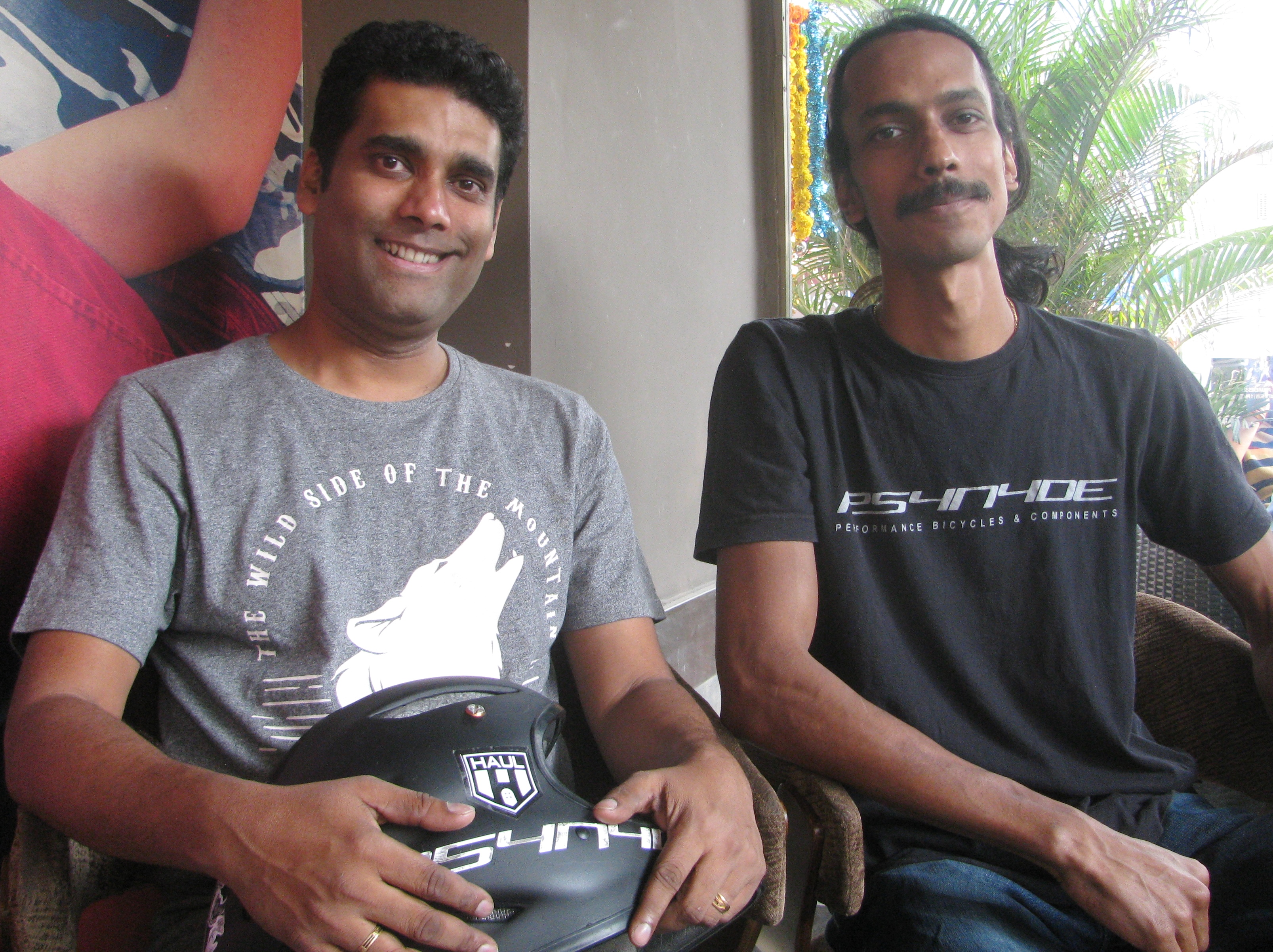
Praveen Prabhakaran (left) and Vinay Menon (Photo: Shyam G Menon)

Praveen Prabhakaran (left) and Vinay Menon (Photo: Shyam G Menon)

All through Psynyde’s journey, Praveen had been the brain behind design and manufacture. He was the one custom-building bikes and who in the process acquired knowledge of materials and welding techniques. While Praveen worked on the Furan’s design, the team searched for a factory that would build the frame from 6061 aluminum alloy. India is a price sensitive market dabbling still in steel for much of its bicycle manufacture. It does not yet support the economics of manufacturing 6061 frames to affordable cost nor does it have the required finesse in aluminum welding techniques. The place to look for was China. Praveen emphasized a point here. China is the global powerhouse in bicycle manufacturing. Many of the world’s leading brands of bicycles are made at factories in Taiwain, China, Vietnam and elsewhere in South East Asia. Investing in scale, the Chinese have a reputation for being low cost. It is also fashionable to associate the Chinese with poor quality. “ What is closer to reality is that they will make a product as you wish it to be. If you ask for a low quality bicycle, you will get a low quality bicycle. What we forget is that we blame the source based on what product we chose to sell in the market, ignoring who decided product specifications in the first place,’’ he said.
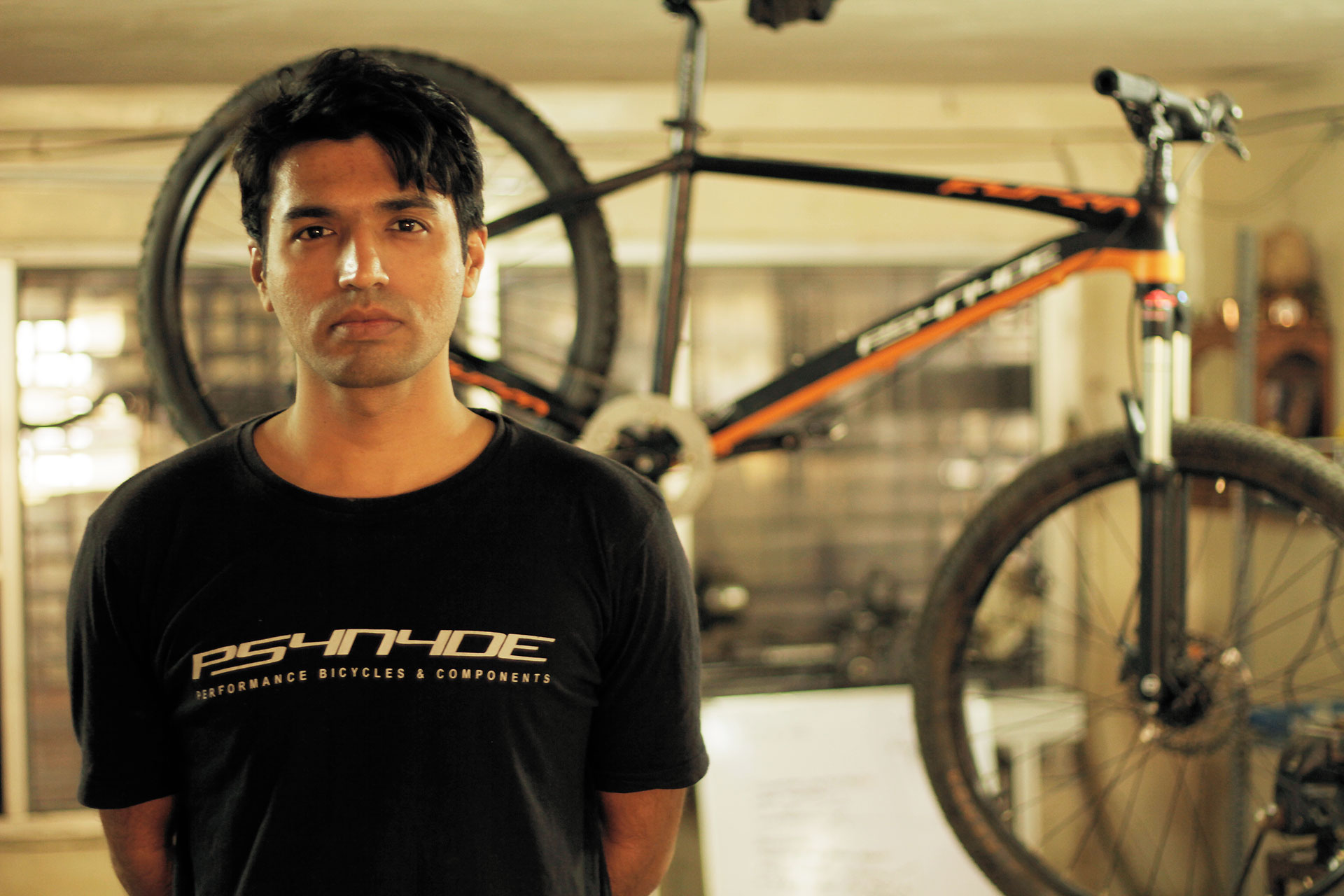
Sudeep Mane (Photo: courtesy Psynyde Bikes)

Sudeep Mane (Photo: courtesy Psynyde Bikes)

Sudeep Mane is a statistician. He grew up in Pune. His first job after completing studies was with Bajaj Allianz General Insurance. Finding himself interested in archery, he trained in the sport at Army Sports Institute (ASI) for about a year. Later he took up trekking. By then he had moved to his second job, at SAS Research & Development. His engagement with the outdoors growing, he decided to do his Basic Mountaineering Course from the Himalayan Mountaineering Institute (HMI) in Darjeeling. Upon finding it hard to obtain leave for a month – the duration of the basic course – he quit his job and proceeded to do the mountaineering course. His third job – this time with the US headquartered-IT company CNSI – found him based in Chennai. For a person liking outdoors and Pune’s hills, this was different terrain. So Sudeep focused his attention on training for the triathlon. As part of this, he bought an entry level Schwinn MTB. He also learnt swimming. A year and a half later, Sudeep took part in the triathlon organized by Chennai Trekking Club. He realized the sport wasn’t his forte; his swimming was not up to the mark. But he had made a discovery: he liked cycling. He had found something he wished to pursue. His inquiries revealed that the best bike would be a custom built one. On the Internet, he stumbled upon Praveen’s blog about building cycles. The blog appeared an on-off affair without systematic updates. Sudeep mailed Praveen. “ I mailed him exactly five words: do you still do this?’’ Sudeep said.
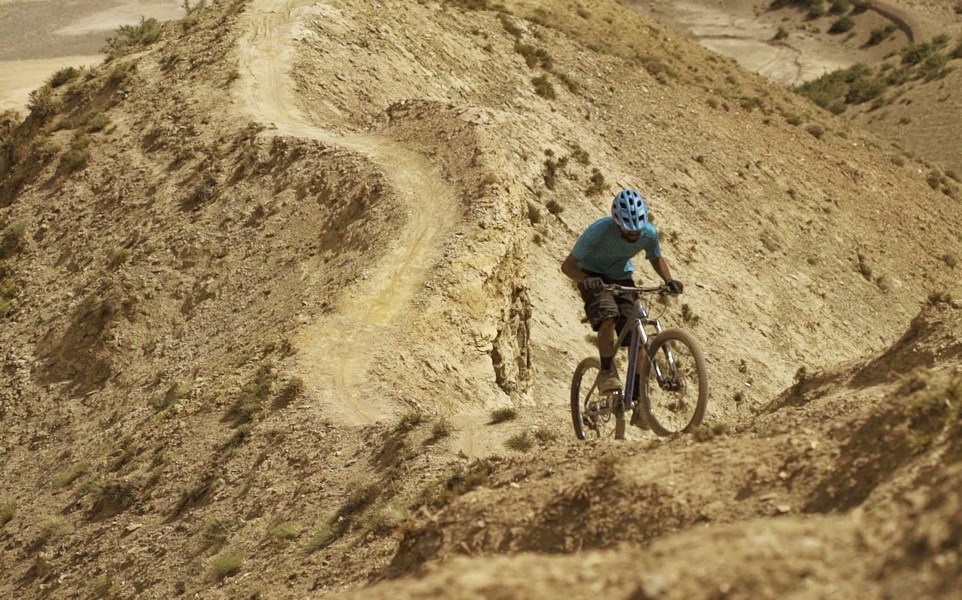
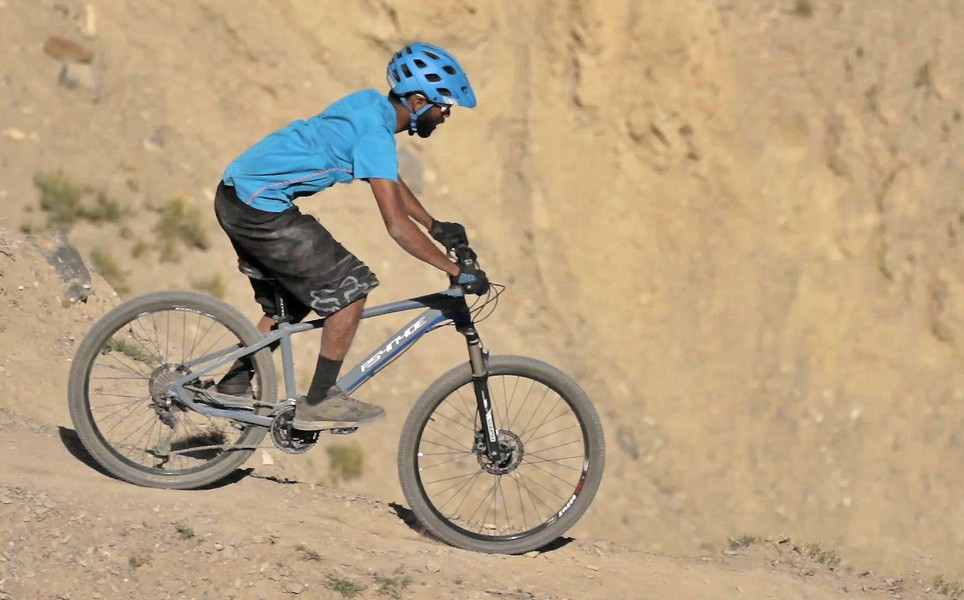
The Furan being tested in Spiti. Rider: Ajay Padwal (Photo: courtesy Psynyde Bikes)

The Furan being tested in Spiti. Rider: Ajay Padval (Photo: courtesy Psynyde Bikes)

Praveen built a bicycle for Sudeep; a road bike named Psynyde Projectile. Meanwhile Chennai was working on Sudeep. The city had a fairly big community of cyclists. “ Early mornings I would probably find two to three times more cyclists in Chennai than in Pune,’’ Sudeep said. Slowly the idea of a good quality bicycle in an Indian market progressively getting ready for it, took shape. In May 2015, Sudeep got in touch with Praveen and Vinay and pitched the idea of a partnership in making bicycles. Committing himself to the move wasn’t exactly easy for Sudeep. Having no previous experience as entrepreneur, he wondered whether he should do a MBA. Two things helped. A professor he knew at Mumbai’s Wellingkar Institute guided him; officials at the company he worked for – CNSI, were supportive. Today Praveen, Vinay and Sudeep are the core equity investors at Psynyde Bikes. Sudeep coming aboard had immediate impact. The enterprise acquired structure and a sense of urgency. In January 2016, Psynyde Bikes moved to official address on 1000 square feet space at a MIDC-industrial estate in Pune. “ Praveen was building cycles. Neither he nor I was thinking of how to sell it. I knew how to test a bicycle. Sudeep gave the idea concrete shape. That was needed. Otherwise, we would have still been chilling, taking it easy,’’ Vinay said. Sudeep oversees the finance function at Psynyde. He handled Psynyde’s dealings in China.

According to Praveen, the typical Chinese manufacturer keeps a catalogue of already designed products. Many brands order bicycles from the catalogue. What is bought is then badged to sport a given brand’s name. “ We were approaching a Chinese manufacturer with a bicycle frame we designed. We knew what kind of frame we wanted; we merely wished to get it built and produced in numbers. We were also uncompromising on specs,’’ Praveen said. By April 2016, two Furan frames and their associated components had arrived in Pune. Two bikes were assembled. Vinay headed to Spiti in Himachal Pradesh to test the MTB. With him was Ajay Padval, an upcoming mountain biker, currently part of a Psynyde sponsored-team of cyclists. They tested the Furan for a month in the mountains. They also participated in some mountain bike races. The Furan had a couple of finishes in the top ten-category, Vinay said.
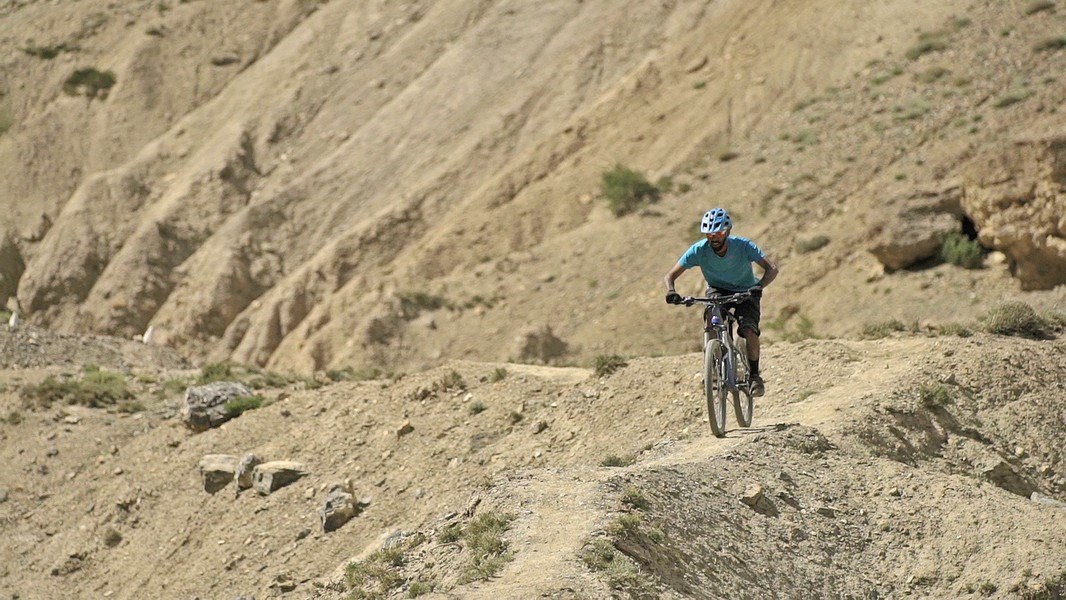
The Furan in Spiti (Photo: courtesy Psynyde Bikes)

The Furan in Spiti (Photo: courtesy Psynyde Bikes)

In early November when we met for this article, the Furan was in the stage of crowd funded-sales. About 120 bikes or so were totally on offer in the initial phase. Orders placed – as visible on the crowdfunding site in early November – were very few. Less than 10 days remained for campaign’s close. Neither the demand for Furan nor the level of funds raised by then (a little over one tenth of what they stated as goal) bothered Praveen and Vinay. They said there had been healthy enquiries for the bike from riders and dealers long known to them. While around 70 dealers who are into performance bikes, showed interest, about 25-30 of them have agreed to stock the Furan to gauge market response. “ The crowd funding campaign provides us visibility because news of the Furan gets dispersed thanks to the very nature of crowd funding. Being a small outfit, our budget for marketing is otherwise very low,’’ Vinay said. Sudeep provided insight into the start-up company’s finances. Broadly speaking, the money for investment has come from people who empathize with cycling, understand the product and have noticed the Indian bicycle market or believe in the promoters, their background in cycling and their commitment to it. He approached several banks for funding but nothing worked. Their procedures wouldn’t allow them to take a position on a new bicycle venture like this. So investors other than the promoters have put in their funds as loans. It is currently debt but should the company hit revenues forecast, it can be converted into equity. Otherwise it is money to be repaid. Interestingly these investors include some senior corporate officials, who have invested in their personal capacity.
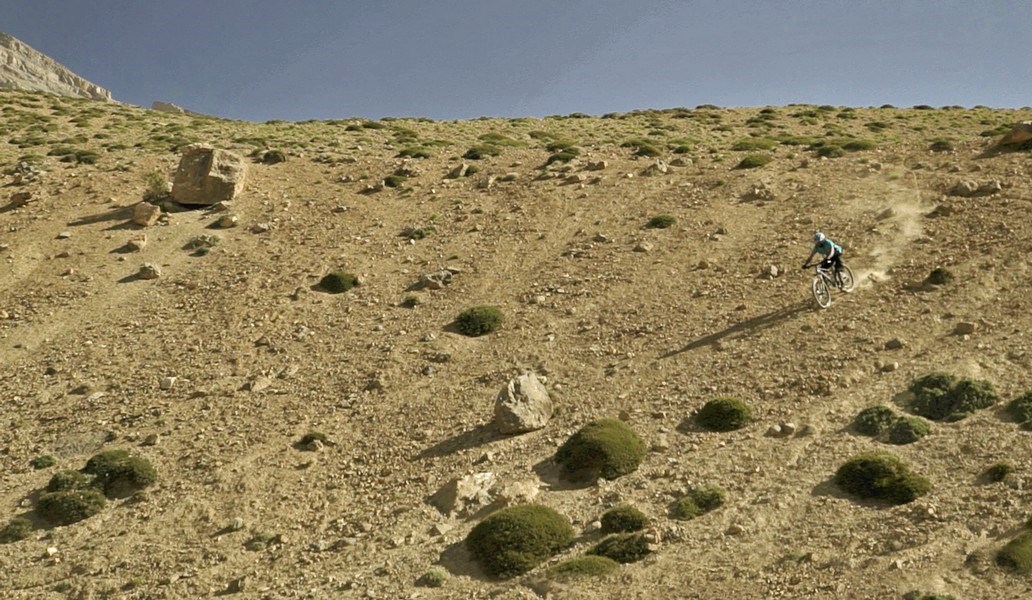
The Furan being tested (Photo: courtesy Psynyde Bikes)

The Furan being tested (Photo: courtesy Psynyde Bikes)

Deliveries of the Furan were slated to commence by mid-December. “ As regards where the Furan is in the Indian bicycling scenario, it is in a good spot right now. There are a small number of people who understand performance bikes. They will identify with our journey. We are also in no hurry to grow,’’ Vinay said. According to him, the Furan has the required quality certification to sell in the Indian market. Rider friends from overseas have shown interest. While they can pick it up in India, supplying the Furan to dealers overseas, even in limited numbers, will take time, for due certifications have to be obtained.

According to Praveen, the foray into manufacturing the Furan had another reason too; a secondary one. Psynyde had machined bicycle components in the past. These components were periodically disclosed on the outfit’s Facebook page. The components were meant for discerning riders. Fact is – you can’t have a market of discerning riders seeking high end components, unless the market has an idea of a good ride. For that, you need good bicycles. If the Furan can pull it off in its chosen segment, then Psynyde’s capacity to design and machine high performance components, also stands to gain. Vinay assigned five years for Psynyde’s Furan phase to play out. When that draws to a close – maybe earlier, maybe tad later – he expected to see others like him, Praveen and Sudeep enter the performance category with bicycles they designed. That would spell competition. But it is also the spirit of Psynyde, vindicated.

(The author, Shyam G Menon, is a freelance journalist based in Mumbai.)                    
 

“ ORGANIZING A RACE SEEMED THE THING TO DO IN LIFE’’

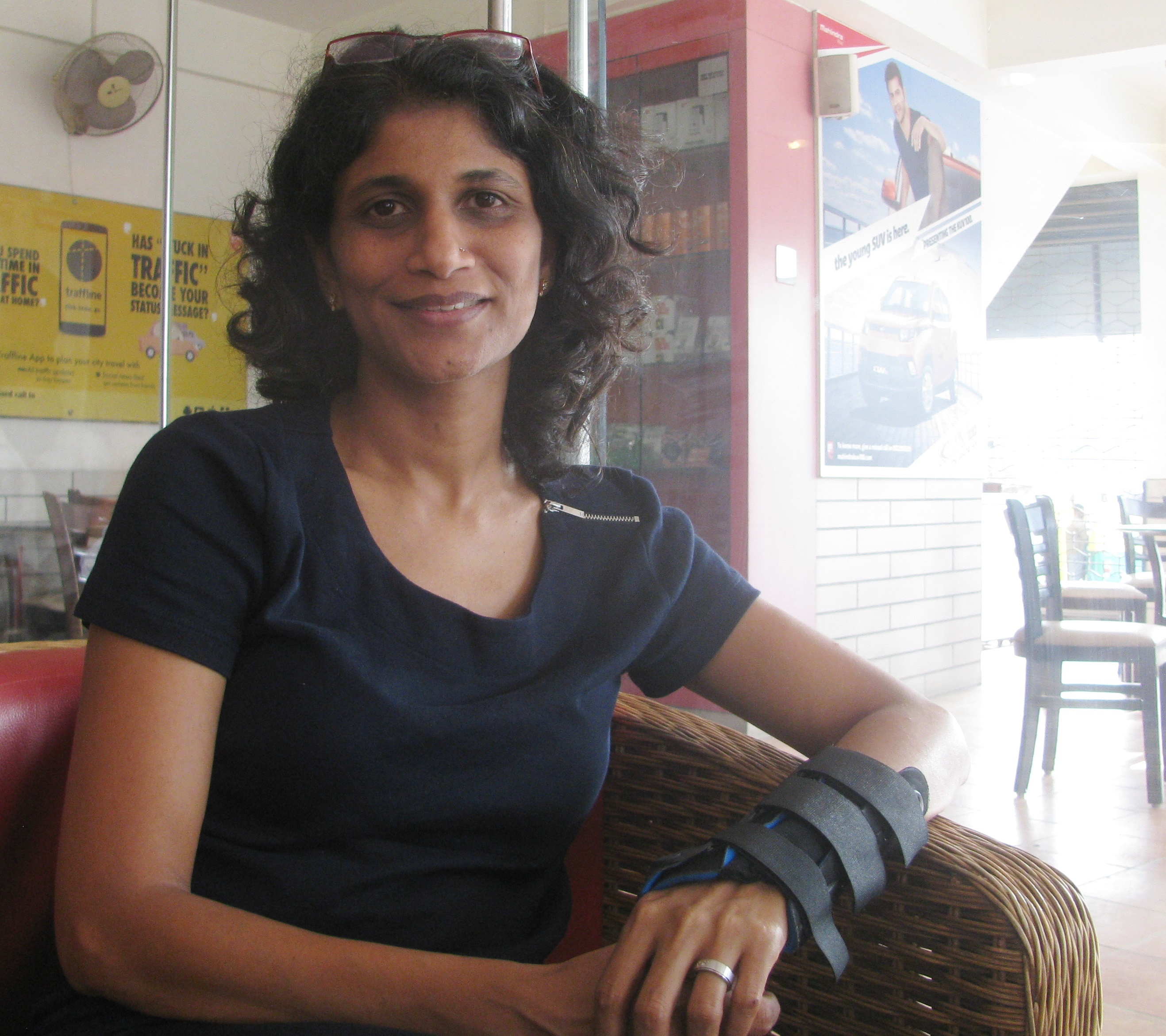
Kavitha Kanaparthi (Photo: Shyam G Menon)

Kavitha Kanaparthi (Photo: Shyam G Menon)

Talking to Kavitha Kanaparthi, whose company Globeracers manages a diverse portfolio of ultramarathons in India.

In August 2005, Kavitha Kanaparthi was in Bengaluru to settle a pending legal matter.

An American citizen, she had five weeks for the purpose. Her plan was to finish the work in Bengaluru and get back to the US, where a job in government awaited her. She had been selected for it and training was due to begin. But the legal issue needed urgent attention; it demanded closure. She had requested her employers for time and secured those five weeks. What unfolded in Bengaluru was completely unexpected. A Pandora’s Box opened up. Legalities extended correspondingly. The five weeks grew to a wait of three years. By the time closure was reached, she had long lost the job she was selected for. She was upset, at a difficult juncture in life and yet again with running as sole companion to escape world and its ways.

Kavitha is no stranger to both – difficult situations and running. There is a video on the Internet, of one of her lectures, wherein she mentions an old road accident. It happened in 1988. She was on a cycle and was hit by a bus, the impact sending her flying some 25 feet into the air before crashing back to the ground. “ I pretty much broke all the bones in my body,’’ she says in the talk. Further, her face was damaged. The Kavitha of today is a “ pretty good patch work’’ done by her father, who is a doctor. “ This is not the original me,’’ she tells her audience. In the immediate aftermath of the accident she suffered from amnesia, unable to recognize anyone including her parents. She had to cope with a long path to recovery and even now its legacy is felt occasionally. In fact, she came for our chat in a Bengaluru suburb, wearing an orthopedic prop to support a wrist, a case of old accident’s aftermath periodically acting up. Her education too appears to have been fraught with penalties from society, incurred periodically for being true to her instinct. Through all this, sport remained part of her life. “ I was already competing as a runner when I was 8-9 years old,’’ she said. There were gaps – accident being one – but running was something she always got back to.

In 2008, while stuck in Bengaluru, she spoke to a friend about attempting ` The Amazing Race.’ It is an American reality competition show in which typically, eleven teams of two race around the world. The process of application required submission of a video. To shoot that, in May 2009, they went to run in the Sandakphu area on the West Bengal-Nepal border. Her friend had run there before. In all there were six persons of which, three were runners; they did the run from Mane Bhanjang to Sandakphu and back in four days. Till the time of my meeting her in mid-2016, Kavitha had not run a formal marathon at an organized event, save an exception at the request of her friend Nagaraj Adiga, when she ran the 2014 Bengaluru Marathon.  City marathons are not her cup of tea. “ I love mountains. I love trails and I like being out there on my own,’’ she said. Kavitha was brought up at her village in Andhra Pradesh and then, in Vijayawada. After finishing her school education in the city, she had moved to the US and attended Washington University in St Louis. She found much happiness running and cycling in the forests there. Her love for trail and respect for solitude likely comes from this phase. As for professional qualification, she holds a degree in electrical engineering, something she has described in her talks as “ by default’’ given what she subsequently did in life had little to do with the degree she obtained. A sliver of what lay ahead surfaced in the Sandakphu run. It was the electrical engineer with a fondness for running who put the entire run together. Her friends were impressed by how she organized it. That’s how the suggestion that she organize races, took shape. “ I was very excited about it,’’ she said. She wrote about her new experiences on a blog and called it – Globeracers.

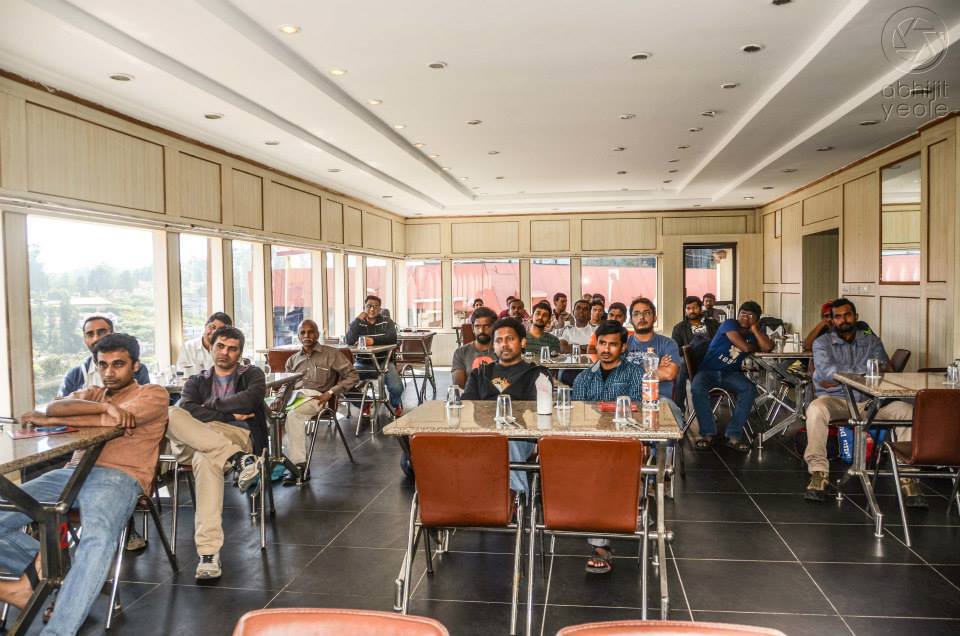
A race briefing (Photo: courtesy Globeracers)

A race briefing (Photo: courtesy Globeracers)

Immediately after that Sandakphu run, she chanced to go to Jodhpur and Jaisalmer in Rajasthan. The regular tourist circuit bored her. Somebody said: why don’t you visit Pokhran? Kavitha shifted to Pokhran and stayed there for a couple of days. One day, seeing sand dunes in the distance, she spontaneously embarked on a run, “ much to the consternation of my hosts.’’ She thoroughly enjoyed the run. Her hosts having understood her interest in running shared her enthusiasm to organize a race in the region. “ Over the next three days, we planned out the whole race,’’ Kavitha said. In Bengaluru, she got down to the job of rechecking the distances involved. Then she changed her blog into a website and created a home for the event she had in mind. She also posted information about the event on the Runner’s World website. “ I expected nothing out of it,’’ she said. Nevertheless, organizing the event in Rajasthan excited as idea. “ I thought I will organize races for a living. Each recce takes me to a new place, I have to run to locate trails and get a feel of how things are. Organizing a race seemed the thing to do in life. It really comes down to my need to be in wild landscapes. These locations aren’t the type where one goes to spend an hour or two. They are best experienced over days. Ultras allow me to spend that time outdoors. I don’t feel the need to organize shorter distances. There are one too many offering it already,’’ she said. Finally there was also that bonus: when you organize an ultramarathon, you meet other ultra-runners. As a breed, ultra-runners aren’t as many as the marathon lot. It is a smaller community.

To get the event up and going, Kavitha spoke to Santhosh Padmanabhan of Runners’ High. Through him, she got in touch with Arun Bhardwaj, who has been a pioneer among Indian ultramarathon runners and who by then was participating in events overseas and faring well in many of them. However the first person to register for the race in Rajasthan was a German citizen working with Mercedes Benz in India. Two days later, a runner from Canada enrolled. Then two runners from Singapore signed up. The Pokhran run was planned for December 2009. She had six months to prepare. During that time, Kavitha did the recce twice. She didn’t want the race to be on the road. It had to be trail. The markers for the GPS were picked up during the recce. Her route started in Pokhran and ended in Jodhpur, 210 km away. It was a good enough distance for a multi stage ultramarathon. Arun wanted to do this at one go. The interest all around was encouraging. But there were challenges. Kavitha didn’t have the required capital to invest. On the other hand, high race fee, which is usually the norm when races happen in remote locations (cost of organizing, overheads etc), cannot be shouldered by all. For instance, according to Kavitha, when Arun signed up for the run in Pokhran, he wasn’t in a position to pay the fee decided by race economics. You have to take talent along. A race being organized for the first time, struggles.

From one of the editions of Bhatti Lakes Ultra (Photo: courtesy Globeracers)

From one of the editions of Bhatti Lakes Ultra. Arun Bhardwaj (third from left), in blue T-shirt (Photo: courtesy Globeracers)

Given Pokhran as location, Rajasthan Tourism helped. Approvals from the local administration took some time to materialize. In 2009, India’s biggest marathon – the Standard Chartered Mumbai Marathon (SCMM) – was itself only five years old. Although growing, the running culture was an urban phenomenon; that too most seen in big cities like Mumbai, Bengaluru and Delhi. Ultramarathons were known mainly to distance runners and within that, to a limited lot. Most people had no clue what the discipline held or why anyone would be so mad as to run extremely long distances. Add to it, the spectre of going off road and into an arid desert. Initially officials at ground level couldn’t understand what the organizers were up to. When they grasped the idea of ultramarathon, they tried to steer the race on to the road, something Kavitha didn’t want. She preferred off road and trail. Eventually permissions had, about half a dozen participants ran the first edition of the Thar Desert Run. Arun’s blog entry on the race mentions that he ran it at one go because that suited his style; besides, he didn’t have that many days to spare. He finished the whole 210 km in 31 hours, 20 minutes. It was with the Thar Desert Run that Globeracers firmly left the world of being blog and became race organizer. The event was run again in 2012 with seven runners.

The best known race from Globeracers’ portfolio is Bhatti Lakes Ultra. According to Kavitha, that race was the fallout of a need felt by Arun Bhardwaj. He hadn’t run the iconic Badwater Ultramarathon, staged every year in California’s Death Valley. Until then, no Indian living in India had completed Badwater. In 2010, Chris Kostman, the Race Director of Badwater Ultramarathon, visited India at Kavitha’s invitation. It was part of a quest to get Arun to Badwater. Participation in the race is by invitation. While the visit provided the Race Director an opportunity to meet Arun and gauge his interest, Arun needed a 100 mile-race, an officially accepted Badwater qualifier. Kavitha was staying in Gurgaon at this time.  A friend, Prem Bedi, spoke of a place to run near Delhi, essentially a trail-run in a region hosting five lakes. They went to the said area and tried the trail. The local people said they will help organize the race. On race day, 19 people turned up to run the inaugural Bhatti Lakes Ultra, most of them for the shorter distances. Arun ran the entire 100 miles. The 19 participants were despite no marketing. “ There was no thought in me that I should market the race. For me, it was all goodwill. There were embassy officials; there was a race organizer from Nepal. My learning from organizing races is – logistics. I feel insulted if I have to market a race. I am not looking for a large number of participants. I would like to know my runners by name, know what they want, what they eat, what makes them run,’’ Kavitha said. The Bhatti Lakes Ultra has since been organized every year. According to her, the runners who come to Bhatti Lakes are serious runners.  “ I believe they have a sense of accomplishment at my races. That is among the reasons that make us special,’’ Kavitha said of Globeracers and its races. The 2016 race was the seventh edition of Bhatti Lakes. As for Arun, after that first edition, he went on to successfully complete the Badwater Ultramarathon in 2011, the first Indian from India, to do so.

From one of the editions of Ultra BOB (Photo: Globeracers)

From one of the editions of Ultra BOB (Photo: Globeracers)

Besides being a distance runner, Kavitha is a keen cyclist. When in Bengaluru, she used to cycle from the city to Ootacamund (Ooty).  Those trips became the bedrock for her next ultramarathon event – a run in the Nilgiris. The first edition of this race in 2012 December had just two runners; they had been to Globeracers’ Bhatti Lakes Ultra before. The Nilgiris Ultra has been happening every year since. However participation grew at snail’s pace. In the second edition, the number of runners was again low – three. It was in the fourth edition that the number of participants moved up marginally. Kavitha is clear she is not looking for a large number of participants. She however acknowledged that it is hard economics to tackle when numbers are low. In fact, as a whole, the paradigm of organizing ultramarathons in India makes for difficult economics, given the sport is still in familiarization phase. The difficulty is arguably more when the event entails genuine distance and challenges, isn’t cast as loops in a city stadium or loops over a contained course in a city or its outskirts. Running in remote locations or point to point on a road away from main cities, entails cost. Sponsors shy away from such events because brand visibility is little. Participation is low, at best modest, because it is a niche sport. The same economics characterized her next event – an ultramarathon in Uttarkashi. Kavitha had once run the Har Ki Dun trail. But a race on it never materialized; it exists still as an idea in the mind. Instead, in the ensuing years, she recced the road route from Rishikesh to Uttarkashi with Gaurav Madan and decided to go ahead with a race on it – a 220 km single stage ultramarathon. For the first race in August 2012, she had two runners. Next year the event wasn’t held owing to floods in Uttarakhand. But it has been held annually thereafter. Participation was always in the range of two, three or four runners.

Kavitha used the description“ stabilized’’ only for the Bhatti Lakes Ultra. The rest are an annual challenge, she said. Race location away from media filled cities, tough economics of organization and low to modest participation levels make her races among the more expensive ultramarathons in India. An apt sponsor to share the cost is hard to find. What makes this a tough deal to strike is that she finds relevance in cash sponsorship to meet expenses related to organizing and logistics. Such sponsors are hard to find; product sponsors are comparatively easy. In the absence of cash sponsorship for working capital, ultramarathon events are an endurance test for organizer too. “ Visibility and sponsorship haven’t been my focus. I prefer to focus on runners’ needs and not sponsors’ demands. Finances are tough and we hope our planning and execution will be honed well enough to keep wastage to a minimum while not compromising on quality,’’ she said. Likely echoing the same rationale is her reply to another observation a few runners (this blog contacted) had about her races – you rarely find any big names from overseas participating. “ That is not correct. We have had good participants from overseas. However, one thing about us is – big or small, we treat everyone the same,” she said.

Himalayan Crossing (Photo: courtesy Globeracers)

Himalayan Crossing (Photo: courtesy Globeracers)

Except for two or three events organized at irregular intervals, Kavitha has so far kept most Globeracers events happening every year despite participation levels. There is also something else you notice – she appears to add events even when already commenced ones are yet to stabilize. Some may question this approach. But the flip side would theoretically be – it gives her a portfolio of races, not one or two. While it is hard to see benefits of scale in a multi-location activity with much location specific nuances, portfolio means richer variety of experience, bigger geographical footprint and more people reached. In her business model, Kavitha funds the parent organization – Globeracers – herself. An exception is what she receives in the form of race fee. Unless she finds a genuinely compatible sponsor she would rather not open up the parent outfit for funding. “ It may change the path and the vision. That is not a welcome change,’’ she said. What she prefers instead is treating each race as an independent entity with relevant sponsors coming aboard at that level as required. She also said that although a couple of events evaded the discipline, she admires having continuity in her races. “ Continuity is important to us,’’ she said. Yet continuity can also be “ every other year’’ and she plans to introduce a few races so, to allow runners to enjoy variety in geography and race format. The direction, it would seem – is creating and retaining a community that boards a bandwagon and gets to race in different places.

Several Indian ultramarathon runners have been through the races organized by Globeracers. Some counted on these races to qualify for bigger events overseas. The 335 km-Himalayan Crossing, staged in July 2014 with start in Spiti and going over the Kunzum La and the Rohtang La, had only one participant – Mumbai’s Breeze Sharma. In 2016, Breeze became the second Indian from India (after Arun Bhardwaj) to successfully complete the Badwater Ultramarathon. At the time this blog wrote about him in April 2016, he had run four races from the Globeracers portfolio. Further, of the three 100 milers he needed to qualify for Badwater, two were from the Globeracers fold. “ Kavitha has definitely contributed to growing the ultramarathon scene in India,’’ Arun Bhardwaj said.

Running in the Rann of Kutch (Photo: courtesy Globeracers)

Running in the Rann of Kutch (Photo: courtesy Rashmi B N / Globeracers)

While Bhatti Lakes is possibly the flagship ultramarathon for Globeracers, what has been fetching it buzz of late is an ultramarathon in the Rann of Kutch. The Rann is a vast expanse of salt marshes located in the Thar Desert bio-geographic area in the Indian state of Gujarat with some portions in the adjacent Sindh province of Pakistan. According to Wikipedia, its total area is around 10,000 square miles. For knowing more about this location and the trails it held for running, Kavitha enlisted the help of a friend, Vijay Bariwal from Ahmedabad, who had run the Bhatti Lakes Ultra earlier. Together, they reached Bhuj in Gujarat’s Kutch district and proceeded to meet officials of the Border Security Force (BSF), the organization entrusted with guarding the India-Pakistan border in these parts. The BSF took some time warming up to the idea but once they did, they dispatched a team of runners to accompany Kavitha and her friend during the recce. For the 100 km-recce, she ran with the soldiers from one border post to the next. They completed the recce in two days. The course was finalized – it stretched from Lakhpat to Dhorodo. “ The response to this race has been amazing. One thing is, you get to see these parts of the country only if you sign up for the race.’’ Being a border area, for the organizers, it is also a race entailing considerable documentation and paper work. “ There is a lot of process that goes into it but the procedure once followed is efficient. The BSF has been a great support,’’ Kavitha said. The first edition featured 20 civilians and 100 BSF runners. The event has been repeated every year since. To keep logistics manageable and efficient, Kavitha said she had requested the BSF to cap their participation at 60 personnel. “ On the average, around 20 civilians have turned up for the event every year,’’ she said.

Mid 2016, Kavitha was back in Bengaluru and gearing up for a fresh season in India with Globeracers, when she spared time to talk to this blog. “ There are many facts about Globeracers that are little known,’’ she said. For instance, it was the first to organize UTMB-qualifying races in India with the Bhatti Lakes Ultra. Similarly, Globeracers was the first to hold RAAM (Race Across America) qualifying cycle races in India; the Ultra BOB held every year since 2012. There have also been personal challenges Kavitha faced in the race environment. Most people come to a race wanting to achieve something. In that mode, runners can be touchy folks. Lapses in organization won’t be easily forgiven. At the same time, when a race is viewed from an organizer’s perspective, there are rules to be observed and concerns to be addressed. Disqualification and DNF (Did Not Finish) are hard to handle. They can occasionally become nasty episodes. Being an insider – a part of the larger environment – helps.

Himalayan Crossing (Photo: courtesy Globeracers)

Himalayan Crossing (Photo: courtesy Vishwesh Siva Prasad / Globeracers)

Kavitha said she has frequently experienced being an outsider to the Indian environment, something that doesn’t work to her advantage when tackling difficult issues. In a mail subsequent to the meet-up in Bengaluru, she said, “ I find myself looking in from the outside quite often than not. It also reflects in how Globeracers has been thus far received. They don’t understand me, much less know me. I am not from anywhere here, do not have a base of friends I can lean on (though that has changed considerably over the years on the personal front), and no peers who will spread the word for me and sign up for races. The camaraderie is missing and I find myself at times missing it. There are misconceptions that have led to personal confrontations, which is a completely undesired flip side of being an outsider though I refuse to attribute it to I being a woman at the helm and making decisions that some may not be able to live with or comprehend. Cases of disqualification have been that much harder on me as a person than it would have been on a male race director.’’ She wishes that athletes understood her side of things better. “ Emotions run high in India when it comes to race day preparations. Runners refuse to read through information and it taxes an organizer to keep answering simple questions via email and messages when the same can be found on the event website and mails already sent. Athletes need to follow rules and guidelines. That is one major difference I find between racers in the US and here,’’ she said.

Asked what plans she has for the future, she mentioned a Rain Ultra in Assam, hopefully by July 2017. She wanted to design an event around the backwaters of Kerala and hinted at the first overseas foray for Globeracers – an ultramarathon in Costa Rica. Post 1997, soon after graduation, Kavitha had started a company called Design Net in the New Jersey / New York area. It did well, but in 2000, she shut it down “ for personal reasons.’’ In 2002, she set up an IPO for Kafin Consulting in India. Everything went well till the company’s listing was delayed by a controversy then gripping the stock exchange in Mumbai. “ We incurred severe losses due to time lags,’’ Kavitha said. The next phase was the potential government job in US. But that lengthy phase of litigation in Bengaluru which prolonged her stay in India denied her that job. “ Building Globeracers has been my salvation,’’ Kavitha said.

(The author, Shyam G Menon, is a freelance journalist based in Mumbai.)    
WAKING UP TO A SECOND CHANCE

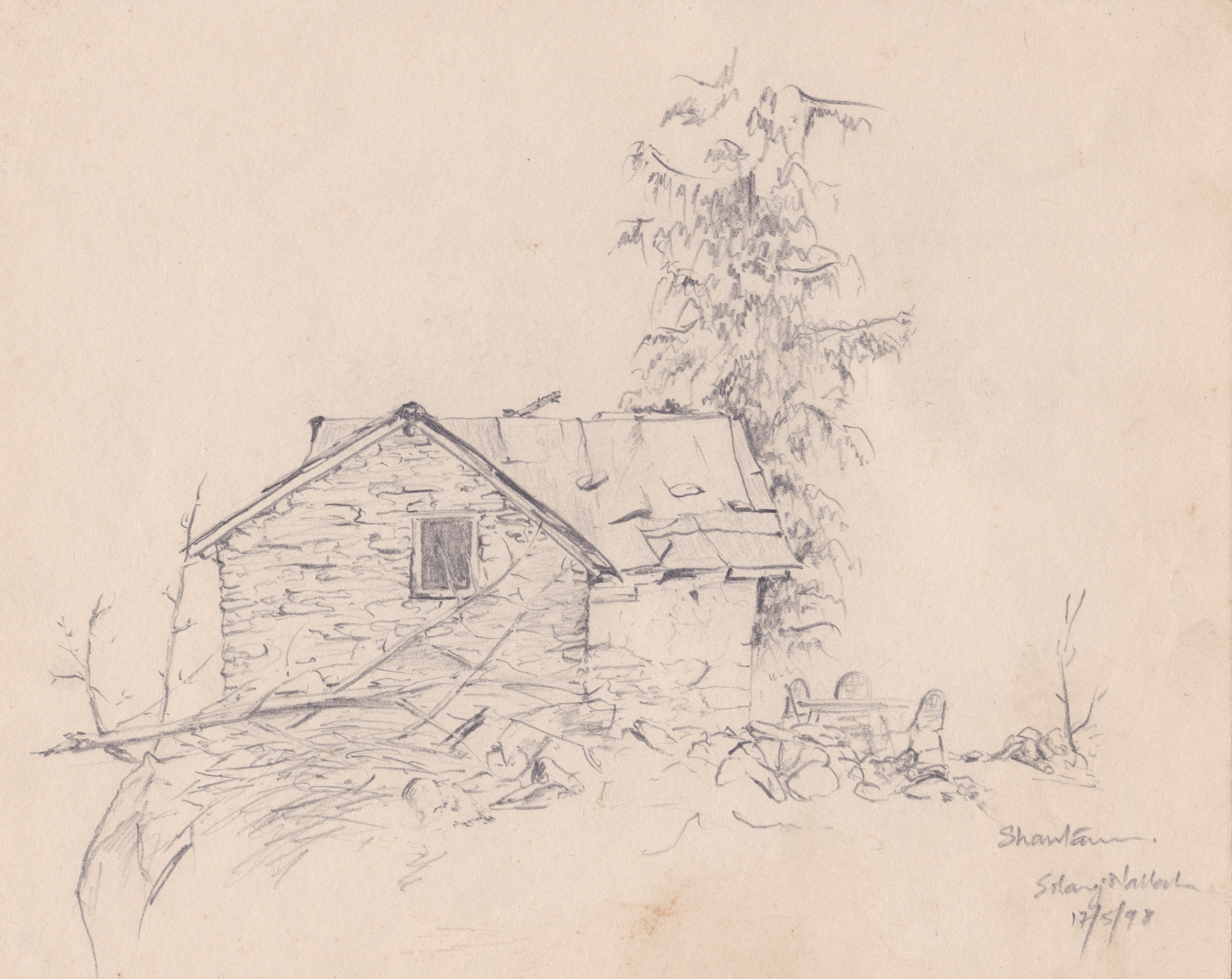
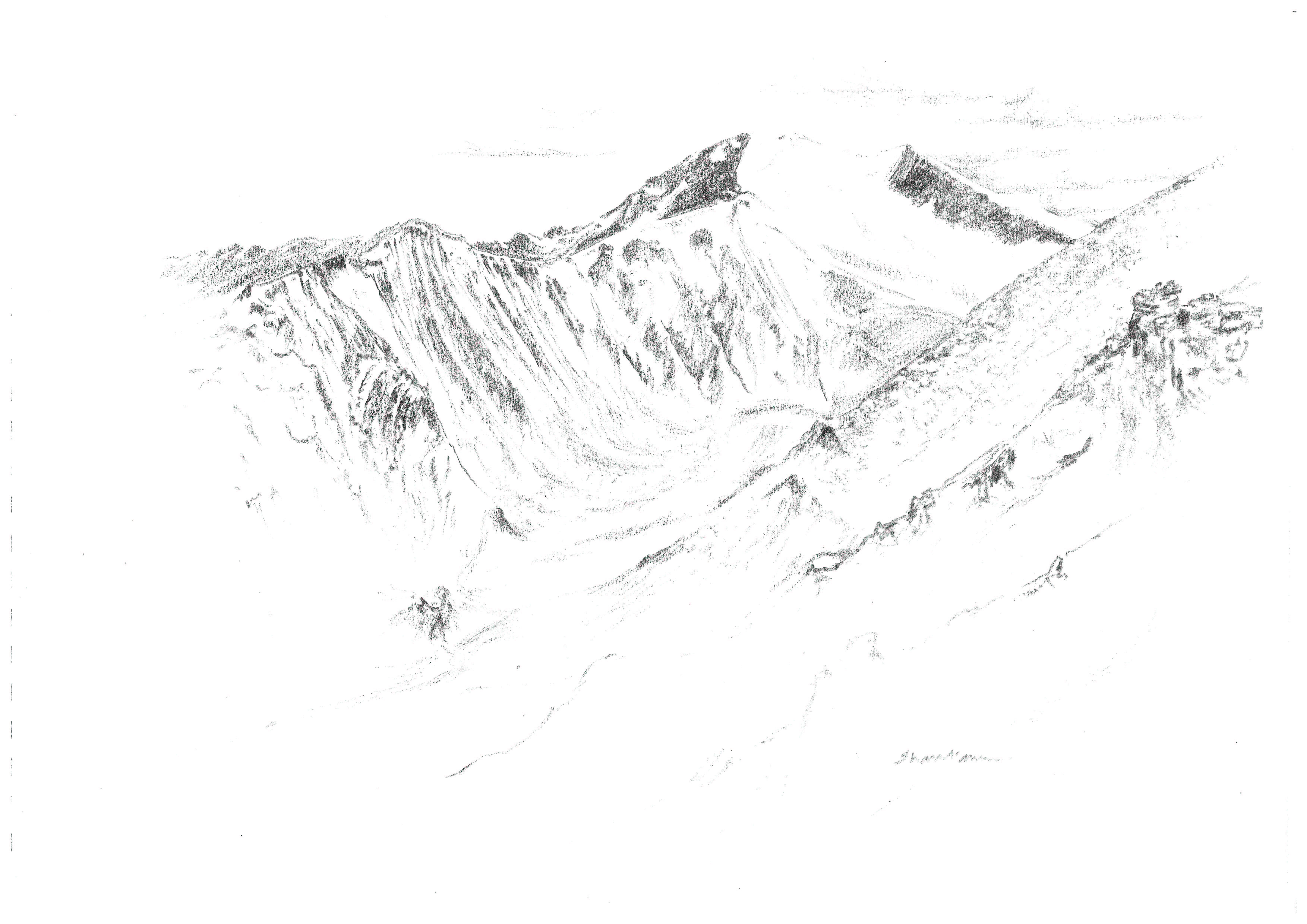
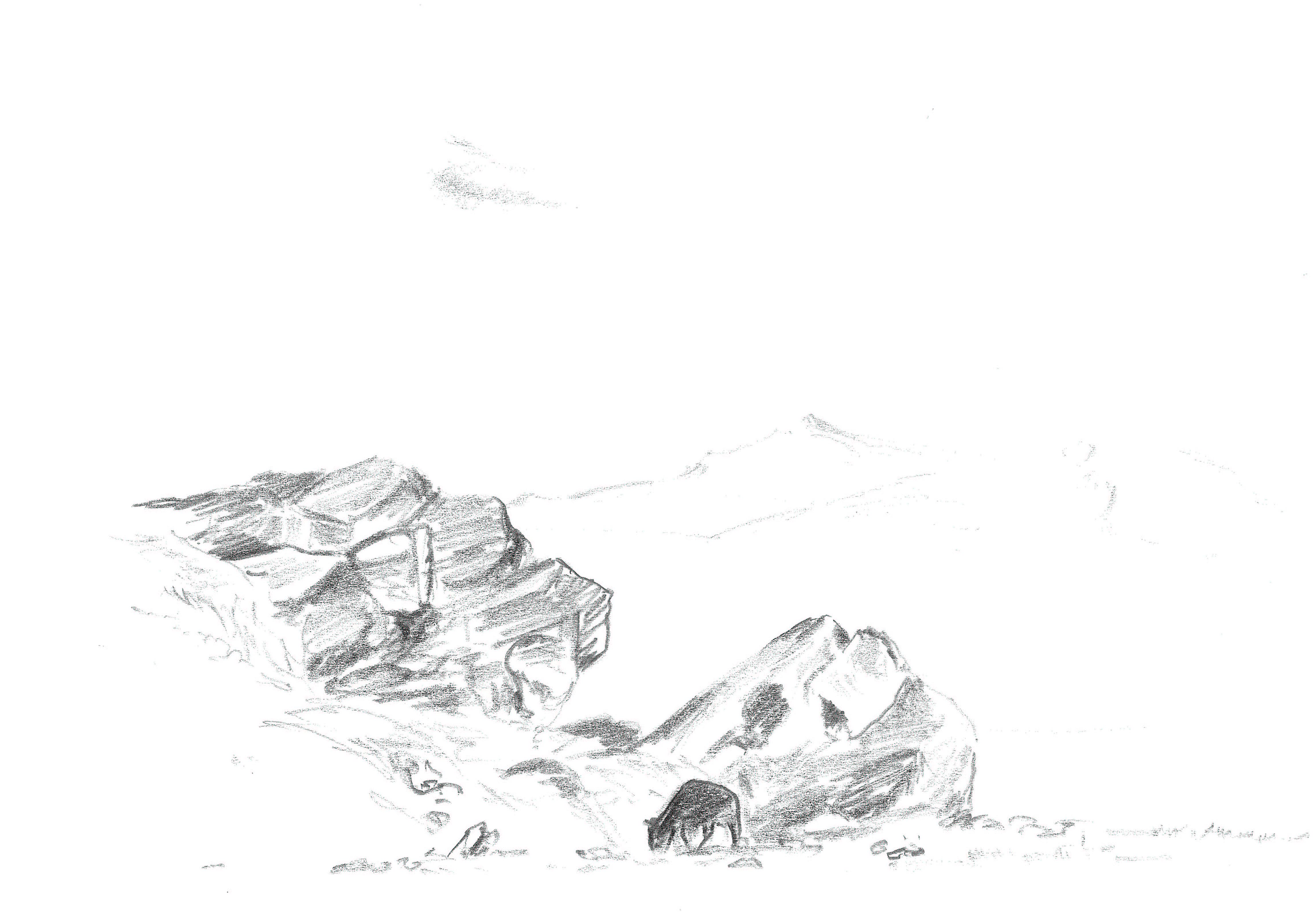
The outdoors is not about achievement; it is about being there. Senior NOLS instructor, Shantanu Pandit, sketched this temple in Solang Nallah, Himachal Pradesh, years ago when he was a leading the hiking and camping season there for Mumbai based-outdoor company, Countryside (Illustration: courtesy Shantanu Pandit)

The outdoors isn’t all about achievement. It is also about being there and taking in worlds different from what one is used to. Senior NOLS instructor, Shantanu Pandit, sketched this house in Solang Nallah, Himachal Pradesh, years ago when he was leading the hiking and camping season there for Mumbai based-outdoor company, Countryside (Illustration: Shantanu Pandit)

This article is about a NOLS course I did in 2011. Shantanu Pandit helps bring in a touch of the mountains with his sketches. NOLS courses in India are held in Uttarakhand.

It had been a hard walk.

Not so much for the terrain or the duration. It was the weight in my backpack. I wasn’t used to hauling so much. Plus there was fatigue and ego. Once again in the outdoors, I was on the wrong side of age. I was among the oldest in my batch, if not the oldest. Anger, kindled from an earlier mountaineering course at an Indian institute, where everything had been partial to its dominant age group of the early twenties – worked its way into my blood. New to altitude and snow, I felt I was denied training and instead parceled off into existence as mediocre specimen. The word for it was `grade’; it graced everyone’s certificate like pedigree. From that certificate flowed, for all practical purposes, mountaineering’s hierarchy in India. Not again such imprisonment by grade, I said, as I pulled hard and raced off from everyone else on the first day of a Trip Leader India (TLI) course with the India branch of the National Outdoor Leadership School (NOLS).

Some hours earlier, we had been dropped off on the approach to Karmi village in Kumaon, the eastern half of the Indian state of Uttarakhand. It was hilly all around. As the crow flies, the snow-capped peaks of the Himalaya were not far off. It was day one. The jeeps left and a sense of you-are-on-your-own descended. We would be out for a little less than one month. Just then, the end seemed long way off. I looked at my course mates. Two or three were faces familiar from previous trips to the outdoors. The rest were strangers. The course began systematically with instructors emphasizing foot care (that’s the part of the anatomy you would use the most on a long hike), hydration and periodic breaks for refreshment. But I was in a different world haunted by old memories. I am unsure whether I adhered to the instructors’ advice. I saw the course as another tsunami of youth at my heels, waiting to sink my ship. Evening we halted to camp, gathering in a circle as NOLS loves to do. I remember sitting down on my backpack, in that circle. Then the world tilted like a ship deck heaving in stormy sea. Eventually the ship turned turtle and a peaceful darkness took hold.

On my NOLS course, my planned redemption from `B’ grade at old mountaineering institute, I had fainted!

Damn.

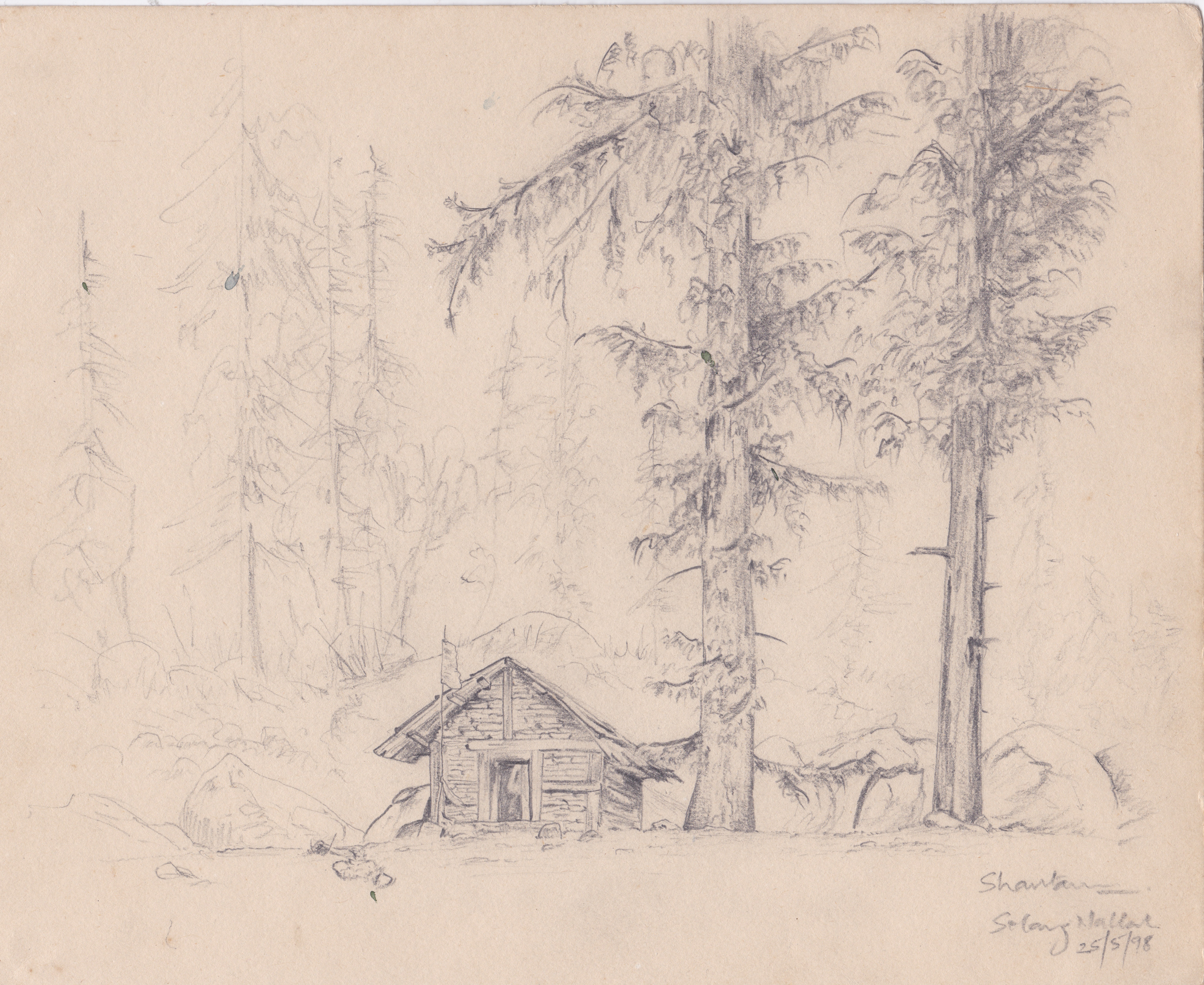
A temple in Solang Nallah, Himachal Pradesh (Illustration: courtesy Shantanu Pandit)

A temple in Solang Nallah, Himachal Pradesh (Illustration: Shantanu Pandit)

We had been divided into tent groups. Each group was self-sufficient in shelter, food and cooking equipment. I don’t quite remember where I woke up or who I saw first. Was it my tent mates? Was it my instructors peering down at me? Anyway, I was told I came around to my senses, with some chocolate. That evening my tent mates quietly took care of me. Nobody made an issue of the fainting spell; nobody bothered me unnecessarily. I introspected, tracing the episode to both old anger and perhaps more importantly, long hours chair-bound before the computer, back in Mumbai where I eked out a living as freelance journalist. Not only had that life been increasingly sedentary but income had drastically dropped too, affecting nutrition. Once a rock climbing addict, I was forced to reduce my visits to the crags after I lost my erstwhile disciplined life to incessant typing. Typing for my life I would say, because as freelancer I was paid only as per what I wrote; there is no salary or security. Now I was paying for it. In my tent, I felt like an idiot. I expected to be sent out, packed back to the NOLS India base in Ranikhet. Such was the legacy of the old mountaineering course in my head. The outdoors is all about performance, right?

Mercifully, that didn’t happen.

We had three instructors. The course leader was Margo van den Berg, an American of Dutch origin. Competent climber, she kept a studied distance from all till we approached course’s end. She carried a sketchbook in which she collected drawings of outdoor scenes. If I recall right, she also liked to dance and did something similar to a polka once. The second instructor was Ariel Greene; American, strong hiker, well read and majored in literature, also accomplished musician. A rather quiet individual, he was capable of engaging conversation on subjects that captured his interest. The third was Pranesh Manchaiah; Indian, at that time one of the best rock climbers in the country. He was very approachable and the active interface of the instructor team with the students. They must have discussed my case. The next morning, they made sure to check on me. I also knew I was probably being observed. But that was it – day two, kicked off like any other day. I had made a mistake. It seemed alright. What mattered more was – would I learn from my mistake?

I liked that approach, that second chance.

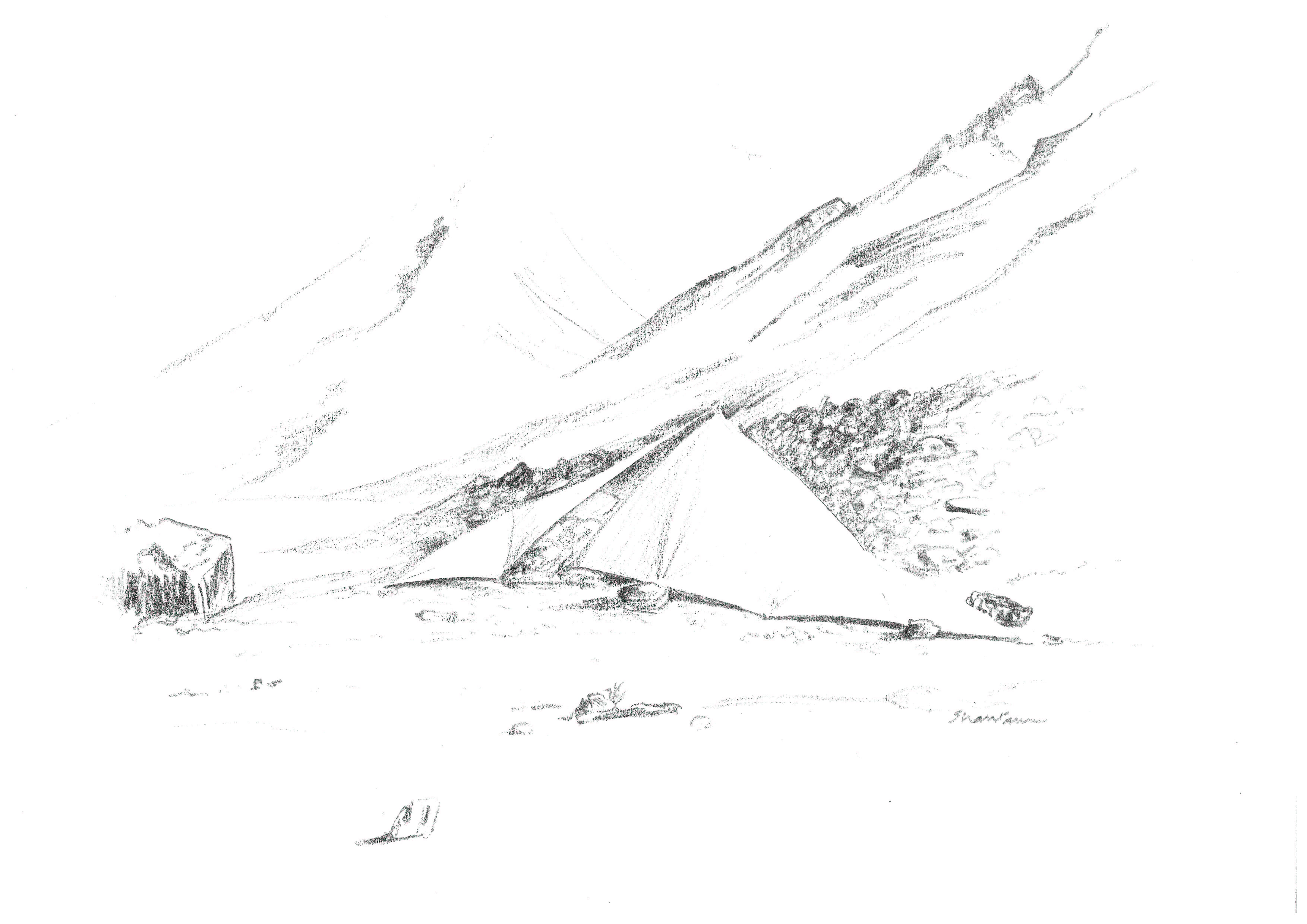
Kitchen tent, from a trip in Ladakh years ago (Illustration: courtesy Shantanu Pandit)

Kitchen tent, from a trip in Ladakh years ago (Illustration: Shantanu Pandit)

I sorely needed it. The combination of mountaineering institute, climbing club and my own limitations as climber had jammed me into a funk. An unexpected high altitude hike with a friend, who was a NOLS instructor and the way he taught me some simple steps in snow craft, got me thinking of this outdoor school. How about doing a NOLS course? – I thought. I started with a first aid course, which made sense for I was already working occasionally as an outdoor educator. Even in that course, taught at Ranikhet, the NOLS teaching style stood out. A typical class was of modest size, not the too many which characterized Indian scenarios. Modest size meant better attention and observation. There was fun. Yet there was a high degree of personal ownership among all. That dreaded word `grade,’ which plagued my old mountaineering course wasn’t prominent. The times it grew prominent were when Indian students featured it in their private discussions for we worship life by degrees, grades and such licenses for exclusivity ingrained in us. Worse, unable to live without A, B and C grades for distinction, we focus our teaching efforts on the most promising. At my old mountaineering institute, I remember explicit encouragement and support for the naturally talented, while the stragglers lived like failures. The NOLS faculty on the other hand, seemed to see teaching as exactly that – teaching those who don’t know. Indeed I would say, the less you know something, the better a NOLS course works for you, provided you are there to learn. At the end of the first aid course, there was a test. It went by like a breeze for free of fearing grade and genuinely wanting to be good at what we did, we had studied well every day. Each of us got a certificate valid for two years. NOLS was clear that rusted skills didn’t mean much. After two years, you re-certify.

My experience of the first aid course made me curious. The school’s philosophy seemed to agree with my own belief – you are as good as how often you are in the outdoors, not what grade you hold from an old course at mountaineering institute. I also liked the reduced machismo in the air. Quite unlike the Indian habit of viewing the outdoors as domain of the tough and seeking champions in everything, the tenor at NOLS seemed to be to make people comfortable in the outdoors with the champion bit, left for personal pursuit. What they did was put the basics like risk assessment, camping skills, navigation and Leave No Trace in place. In India, NOLS ran mountaineering and backpacking courses. The regular courses have one major drawback. They are expensive. However the Indian branch had a local outreach programme structured for educators – that’s the one I chose to do after my first aid course.

The first time I heard of NOLS was at my longstanding mountaineering club in Mumbai. We were on a diet of regular rock climbing in the local hills with occasional visits to climb mountains in the Himalaya. We were a rough, tough lot, shaped by climbing and eminently capable of turning our backs on anyone who deemed us crazy. We had need only for each other. What we didn’t know was how much that made us inward looking, measuring everything and everyone through the prism of climbing and to that extent, not different from settled society which views the world through the prism of well settled life. We often poked fun of NOLS, which seemed tame with its emphasis on safety, risk assessment et al and its pronounced appreciation for hiking as right context to teach outdoor curriculum. Climbers look down on hikers. In the company of my club, I submitted myself to measurement by climbing grade, worshiped super humans and wept at my measly strengths in the field. There was also another reason, I guess, why NOLS was looked at the way it was, in the Mumbai climbing circles I was exposed to. Clubs are a great way to start off something. But over a period of time, they can lose the ability to be self critical and become a self righteous fold of the mutually familiar. At the time I did my course, I found NOLS quite different compared to the outdoor club and mountaineering institute, I was coming from.

View from Khardung La, Ladakh (Illustration: Shantanu Pandit)

View from Khardung La, Ladakh (Illustration: Shantanu Pandit)

On our NOLS course, we had contour maps, compasses to orient them; indeed compasses using which we could have gone through the old routine of bearing and back bearing – the works, tying ourselves up in a math most of us hate. At NOLS, past map-orientation, our instructors encouraged us to keep the compass aside. A major component of navigation was observation of context. We slowly learnt to pick out features from the surrounding geography and locate them on the map. Looking around became important. As you looked up from traditional entrapment by performance and immediate world, you saw mountains, passes, even your fellow students. Throughout my NOLS course, I struggled with navigation (I still do). It was an indication of how much I had to get away from tunnel vision and impatience. I remembered my first mountaineering expedition in the Zanskar Himalaya, where I had once spent a long time frantically looking for the rest who had moved fast and disappeared from sight. Since then, having people ahead and within sight had been my map, my sense of security. Now map in hand, I was looking around, using my head even as it loathed math.

Mountains are lovely classrooms. Long hiking days and path-finding often threw up fantastic junctures for an instructor to intervene. Entrusted with responsibility and beset with error and challenge, the students opened up to learning. We learnt to work as a team, co-operate and have fun. I recognized this fun quickly as the inexplicable bonhomie I knew from my climbing crags, that sheer delight of being in the outdoors with others who love it. Describing it is difficult, probably not required. The difference on the NOLS course was this – we discovered it wasn’t magic but something we could create. We were not annoyingly judgmental. We were accommodating, willing to explain our problems with the world and each other, contributing thus to a quality missed in Indian education – a safe learning environment.

For example, I was, still am, a very average cook. But even the worst cook gains confidence and tries to improve when your turn to cook is accompanied by supportive tent mates and cooking is part of field curriculum being taught. That said, for many Indians, cooking is akin to the loss of vertical as stamp of high adventure. What has cooking – usually identified with the ladies – got to do with the macho outdoors? In Indian context with premium on masculinity, it takes the sheen off adventurer expected to handle nothing but ropes and gear. Cooking at NOLS addressed a very fundamental point – if you can’t take care of yourself in the outdoors, how can you say you are adventurer chasing peak, pass or summit? If you exist, your chance of reaching the destination is more. On such simple things ranging from cooking to personal hygiene, listening to team members and learning to lead, ran a NOLS course. The concept of self-sustained expeditions, which form the backbone of all NOLS experiences, is perfect backdrop for these dynamics to unravel.

A scene from Ladakh (Illustration: Shantanu Pandit)

A scene from just outside Karzyok, Ladakh (Illustration: Shantanu Pandit)

Many days of hiking went by. Roughly put, our route ran east from Karmi towards Munsyari, hugging modest elevation but having enough rough terrain to make the hiking experience span walking on proper trail to bushwhacking. Doing the latter with students as navigators and instructor passively accompanying till the evolving situation warranted intervention, we had some long strenuous days. Split every morning into self-contained hiking groups, I remember one extended day that slowly slid to late evening, destination not yet reached and students beginning to get nervous. Margo who walked with us was however cool. She occasionally checked the geographical features around to gauge direction, played silent spectator to our team management and scouting trips and when darkness approached, stayed calm for after all we were a self-contained group. It brought alive that load in my backpack as my survival kit and not excuse to show-off my ability to haul weight. As things turned out, my group did reach the assigned camping spot to a warm welcome of flying snow balls from the rest of the batch, arrived earlier. It was early summer in the Himalaya. Snow was around in shaded areas and the higher reaches of our route. Often, it rained, making the world wet-cold. Our last camp was at Dhapa, high on the banks of the Goriganga near Munsyari. By then we had crossed two other major river valleys en route, those of the Pindar and Saryu rivers, besides other minor valleys identified with local streams. Every time we climbed up from a valley to height, we would see the snow clad Kumaon Himalaya not far away.

Slowly but steadily, I had become fit as a fiddle; happy to be out. I could have turned around and asked the guy who fainted – are you me? The near 25 kilo-backpacks were a load, no doubt. But we knew the pattern – it weighed most just after re-ration and tapered slowly towards the next re-ration. So we cooked and ate. We attended classes despite weather gone bad, wearing rain coats, puff jackets and wind cheaters under a tarp propped up by tree branches and trekking poles, for shelter. We saw each other in the light of headlamps. We waded through cold streams, kicked steps on snow and bushwhacked. At camps, we took classes; something, anything that you could share with your fellow students or teach them. From strangers, we evolved to friends. I remember young Zanskar, who thanks to his familiarity with Kumaon, was a walking encyclopedia on local flora and fauna. I remember Joshi, who everyone remembers, for the rhododendron-paratha he made. I remember quiet, solid Soumitra. I remember the ever upbeat Amrit. I remember Vinay, Anish, Stanzin, Kamakshi, Tara, Hitendra, Ravi, Manjunath, Shaleel. We got along well.

Then one day, close to course’s end, your instructor – they assigned one as mentor for each student – met up with you to discuss evaluation and grade. I appreciated the personal meeting, the discussion and the detailed evaluation with explanations. A, B, C or shades in between – they told you why. Most important – it wasn’t a certificate that dovetailed as input for a bureaucratic administration of access to the mountains, saying: a person with this grade can do this, that grade can do only so much…so on and so forth. They weren’t gifting me a straight-jacket for life as the Indian mountaineering institute did. The NOLS certificate felt like an evaluation in time, a snapshot in life. What a snapshot shows of you at 20 isn’t how you would be at 40, which in turn may not be how you are at 60. Life is a journey. It is for you to decide what to do with it. A snapshot isn’t all of your life at one go. It is just a slice, a pointer.

I liked that.

I felt free.

(The author, Shyam G Menon, is a freelance journalist based in Mumbai. This article was developed from a piece originally written and published in The Outdoor Journal [http://www.outdoorjournal.in/] in early 2014. My gratitude to Shantanu Pandit for asking me about the old article and making me want to share it afresh.)               


LIVING WITH NO BRAKES, THE SHIVA KESHAVAN STORY

Shiva Keshavan (Photo: Shyam G Menon)

Shiva Keshavan (Photo: Shyam G Menon)

1973. That year, a traveller from Thalassery in Kerala, reached a Manali, quieter, greener and less touristy than today. “ There was no direct bus from Delhi to Manali. There was a Youth Hostel you could stay at for one rupee a night or so. The now well known Pandoh Dam was yet to be completed,’’ K.P. Sudhakaran said. The way he spoke, his travels resting light on his shoulders, reminded me of someone else I knew in Kerala; a person who had seen a tonne of films. You wouldn’t know his knowledge of movies till you coaxed him to speak about it. The pre-Facebook generation, I told myself.

Sudhakaran made Manali home, settling down there with his Italian wife Rosalba Lucioli. They met in the hill town. Sudhakaran used to trek a lot. In the hill tourism scene of that time, Jammu & Kashmir was perceived as “ commercial.’’ Himachal Pradesh was “ relaxed.’’ When Kashmir grew troubled, Sudhakaran’s hikes became more focussed on Himachal. In 1984-85, long before contemporary Manali and its plethora of adventure tour operators, Sudhakaran founded Panman Adventure Travels. Its main activity was organizing outdoor trips and camps for school students. Later, he and his wife started an Italian restaurant, Rose Garden. Panman Adventure Travels exists no more. But Rose Garden does. Located on the road to Vasisht, it is currently managed by Sudhakaran’s son Shiva Keshavan and his wife, Namita. That’s where I first met Sudhakaran. We had a small chat over coffee. Shiva, India’s best known luger, was away in Italy. Sudhakaran splits his time between Manali and a coffee estate in Wayanad, Kerala.

A luge is a small one or two person-sled, on which one sleds supine (face up) and feet-first – that’s how Wikipedia describes it. Many of us, who checked out the sport after Shiva Keshavan grabbed our attention, would recall the specially made track on which races are held. Like all sports, born for fun, evolving organically and then shaped by the compulsions of modern sport and entertainment, the luge too wasn’t born for a track. While the earliest recorded sled races are said to have been in Norway, luge is traced to Switzerland; its history includes a hotel entrepreneur at whose resort, guests adapted sleds used by delivery boys, to speed down the lanes and alleys of the village for fun. Needless to say, there were collisions with pedestrians. The first organized meeting of the sport was in 1883 in Switzerland, the first world championship in the sport was in 1955 in Oslo, Norway. While the modern Olympic Games began in Athens in 1896, the first Winter Olympics – recognized so in retrospect – was at Chamonix in 1924. Luge made its Olympic debut at the 1964 Winter Olympics in Innsbruck, Austria.

Early March 2016, months after meeting Sudhkaran in Manali and exchanging mails with a Shiva busy training and competing, I got a call. Father and son were flying from Kozhikode to Delhi via Mumbai. We met at the airport in Santa Cruz. Two men, four or five pieces of luggage, one with the Olympic rings on it – I will never forget that. Sudhakaran and Rosalba have two sons, Shiva and Devan, who is a licensed football coach for FIFA. Shiva was born in August 1981. “ Born and brought up in Vasisht,’’ the luger said. A year before Sudhakaran reached Manali, in February1972, the Winter Olympic Games was held for the first time at a venue outside Europe and North America – it was hosted by Sapporo, Japan. Luge in Sapporo was dominated by the East Germans. They bagged eight of the nine medals in the event. The planet’s Winter Olympics don’t fascinate the media as much as the bigger Summer Olympics. The 1970s were also years before television acquired national presence in India. The February snows of Sapporo were 6000 kilometres east of Manali; out of sight, out of mind.

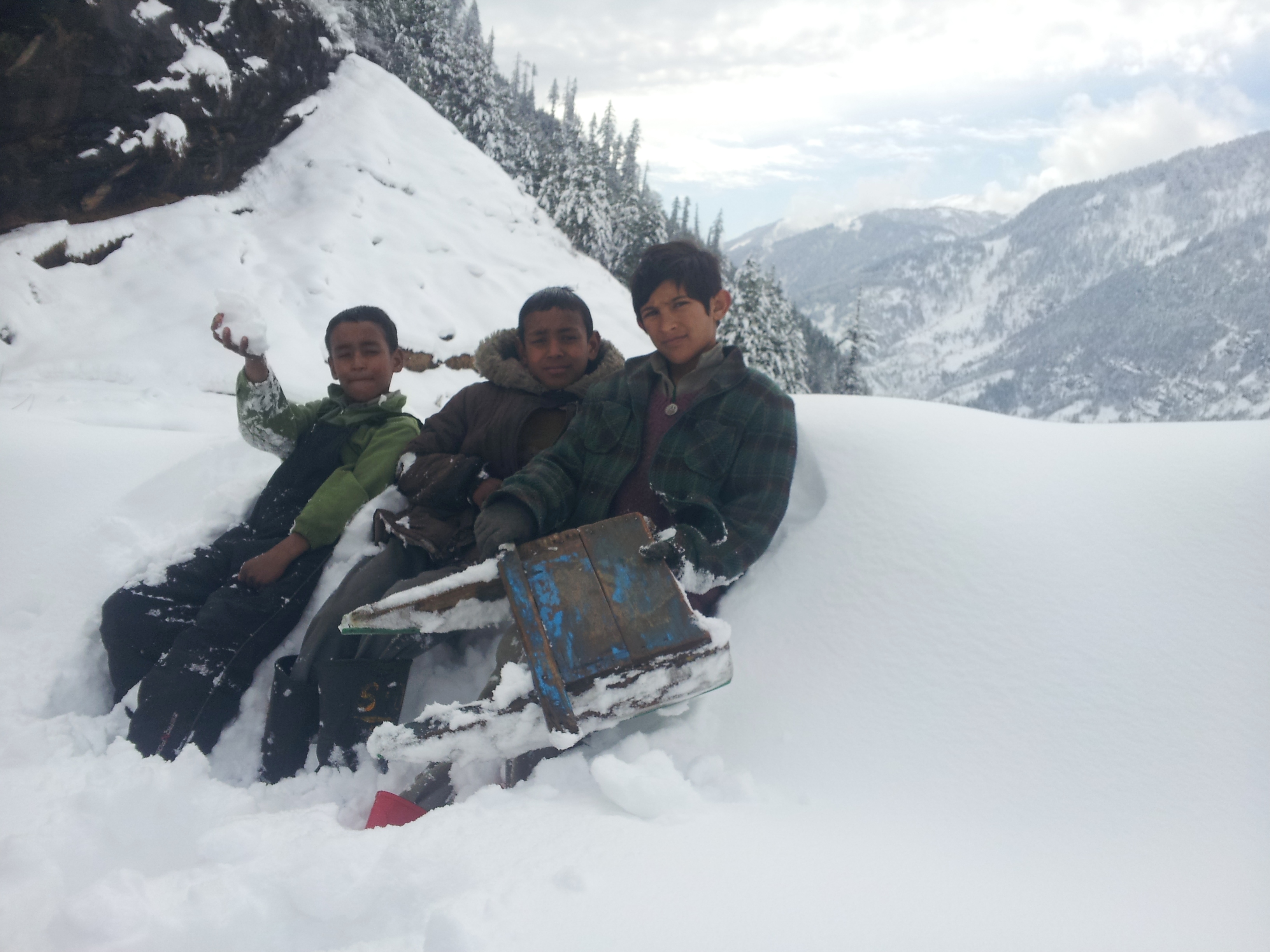
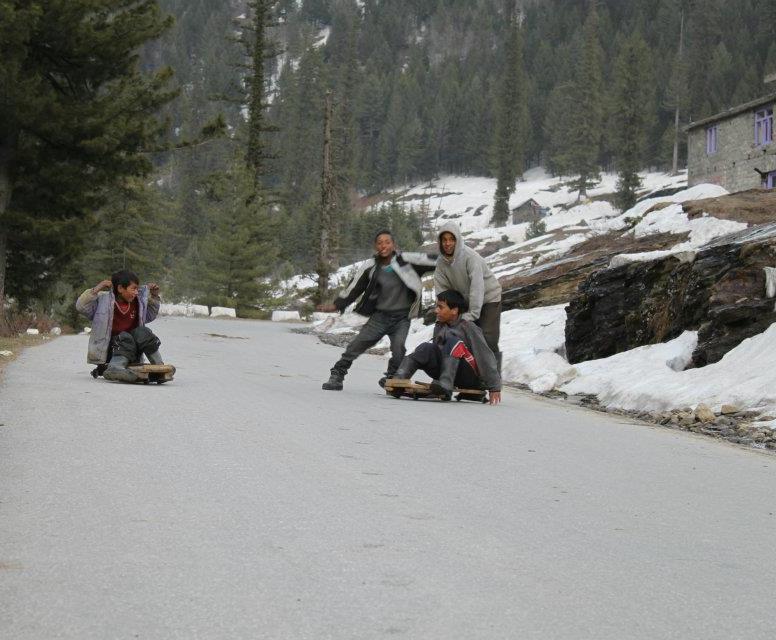
Youngsters with an improvised winter sled near Manali (Photo: courtesy Shiva Keshavan)

Youngsters with an improvised winter sled near Manali (Photo: courtesy Shiva Keshavan)

Located just south of the main Himalaya cutting diagonally across the crown of India, Manali receives good precipitation. Ladakh to the north may be higher and colder but it is drier. In winter, Manali and its nearby localities like Solang, receive good snowfall. Solang is known for skiing. The children of Rosalba and Sudhakaran grew up on Manali’s mountain slopes, enjoying the snow. If you look carefully, like cricket played in alleys and hockey played with tin cans, the seed of all sports exist everywhere. With little access to modern skiing equipment, the Manali of Shiva’s childhood had its resident skiers; they took to winter’s snow with crude, homemade skis. “ You know the blade of the saw used to cut logs? Strips of that would be attached to the bottom of wooden skis,’’ Sudhakaran said. Also around were improvised sleds. According to Sudhakaran, the family spent a lot of time in Solang. Shiva grew to be a decent skier. Unlike skiing, which stayed confined to winters, the sled metamorphosed to year round-life.

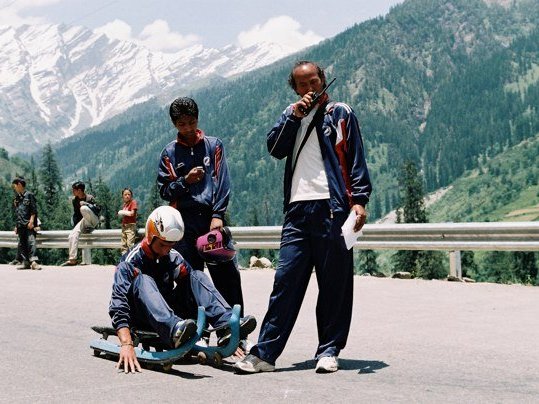
Youngsters with improvised summer luges on the hill slopes near Manali (Photo: courtesy Shiva Keshavan)

Youngsters with improvised summer luges on the hill slopes near Manali (Photo: courtesy Shiva Keshavan)

The first time I saw the summer avatar of a sled was in Darjeeling, in 1996. A boy seated on a wooden platform fitted with four tiny, noisy metal wheels, his hands clutching a tight arc of rope in front to keep body in place – came hurtling down the winding road. Holding the rope, he leaned back on the platform, legs stretched out in front and torso rising to an upright position every time he needed to slow down the contraption. Brakes, it had none, save its high decibel, grating noise on rough road as early warning to avoid collision. Similar, improvised contraptions existed in Manali too, entertaining Shiva and his friends. They took to it, rolling down Manali’s roads (one media report also talks of a small sled gifted to Shiva by his Italian grandparents). When you are young, you are free of fear. Although Sudhakaran took his family to the snows every winter and watched his sons enjoy skiing, he was restrained by the baggage of fear, which accompanies adulthood. “ I was a grown man and suitably scared,’’ he said. Shiva became a promising national level skier in the sub junior and junior categories, winning prizes. However, participating in events like the National Winter Games wasn’t easy for this son of immigrants to the Himalaya. Unable to secure a berth through the local winter sports body, Shiva recalled that his first participation at national level had to be through the Rajasthan Skiing Association. Born in a Himalayan state and needing a desert state’s team, to ski at national level – such is the organizational architecture and politics of Indian sport. It was the beginning of a long, rough relationship with domestic sport authorities, many of them hewn from that typically Indian controlling-mindset, which ensures that any sport has a well entrenched bureaucracy even before people take to the sport. Shiva never competed at the senior national level in skiing. He gave up competitive skiing after he was excluded from the team selected for the Junior Asian Championships. Unknown to him, those improvised sleds and the experience they offered, would become the stuff of his destiny

Established in 1847, The Lawrence School at Sanawar in Kasauli is among India’s most prestigious boarding schools. This is where Shiva studied. He was very active in sports with presence in gymnastics; athletics, football, hockey and skiing. It was during his years at this school that he was dispatched for a` ` ski camp’’ at Panchkula. A skier being sent to a ski camp was quite understandable, except for one puzzling detail – Panchkula is in Haryana. You don’t get snow there. The camp was held by the International Luge Federation (FIL) and Shiva, already intrigued by Panchkula as choice of camp location, had no idea what luge was. At the camp was well known Austrian luger, Gunter Lemmerer. He had participated in two Winter Olympics, been a gold medallist in the European championships and thrice won (with fellow Austrian luger Reinhold Sulzbacher) the men’s doubles Luge World Cup. For the camp, Gunter had brought along a couple of modified sleds in which, the blades had been replaced with wheels. Shiva warmed up to what he saw. Luge was similar to what he had done on improvised sleds back in Manali. “ At this point, it was all fun with no future plan in mind,’’ Shiva said. However, as things turned out, he and another youngster were selected for further training in Austria. “ The whole skiing experience had been disappointing, so we wanted to try luge,’’ Sudhakaran said. In 1996, He and Rosalba sent Shiva to Austria. The transition from the sleds with wheels Shiva used at Panchkula, to a real luge on ice was significant. The luge on ice was much faster. Newcomers started their training on the less steep lower portions of the luge course and slowly worked their way up. Shiva’s Indian partner at luge (they were two selected from the Panchkula camp) suffered a crash. He needed medical attention and the duo had no insurance specifically for such mishaps. Eventually it had to be passed off as an accident that occurred while travelling.

A modern luge adapted for the road, fitted with wheels. From a talent scouting camp held by Shiva and Namita at Solang near Manali (Photo: courtesy Shiva Keshavan)

A modern luge adapted for the road, fitted with wheels. From a talent scouting camp held by Shiva and Namita at Solang near Manali (Photo: courtesy Shiva Keshavan)

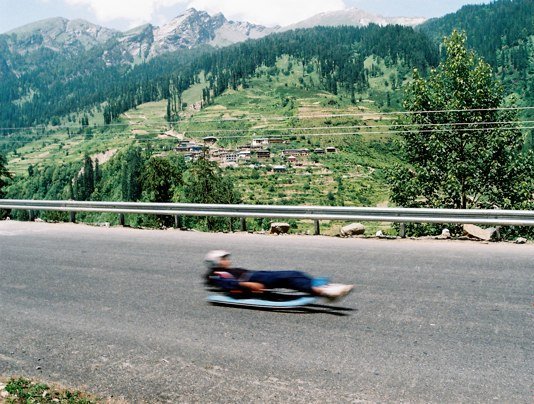
Luger coasting down the road at Solang; from the talent scouting camp (Photo: courtesy Shiva Keshavan)

Luger coasting down the road at Solang; from the talent scouting camp (Photo: courtesy Shiva Keshavan)

The following year, 1997, Shiva was back in Europe – Austria and Germany – training for a longer time. He was around international athletes. That gave him his first reference point in luge, an idea of where he stood in the sport with his competence, what he had to do to improve. “ They found it funny that an Indian family was trying to get a toehold in luge,’’ he said. But one thing worked – athletes help each other, they provide you tips, particularly when you are in that performance category, which poses no threat. He learnt. The international athletes let Shiva be a `forerunner’ opening the track for them at the World Cup in Igls near Innsbruck. He did so and zoomed the whole distance down the course. To his surprise and likely everyone else’s, the timing he returned was good enough to participate in the upcoming Winter Olympics. Until 1998, there was no formal selection to participate in the Winter Olympics. It was up to each country to select athletes and send them. “ People started misusing this. I was the first Indian to reach the Winter Olympics through a formal qualifying system,’’ Shiva said. This process wasn’t easy. Although his timing at Igls was good, the eligibility process required Shiva to qualify for five of nine World Cup competitions held every year. Gunter Lemmerer advised Shiva to return to India and start training for the World Cup events. Somehow his parents came up with the money for the exercise. At the first of these World Cups in Innsbruck, he raced with a broken foot. This was followed by two World Cups in Germany, one in Norway and one in Japan. “ Incredibly at each of these races, I didn’t make a mistake. I qualified at all five,’’ Shiva said. The 1998 Winter Olympics were scheduled to be held in Nagano, Japan, the second time the Winter Olympics would be held in Asia. Sudhakaran had reached Manali the year after the first Winter Olympics in Asia, in Sapporo, Japan. In the time since, he had married, raised a family and now his son was heading for nothing less than the Winter Olympics.

According to Wikipedia, racing sleds for luge singles weigh between 21-25 kilos; in the case of doubles, between 25-30 kilos. Lugers can reach speeds of up to 140 kilometres per hour. The highest speed reported so far (as of March 2016) was 154 kilometres per hour set by Austria’s Manuel Pfister in 2010. In videos, a luger passing by resembles a streak. The luge is designed for speed. A luge sled rides on a pair of steel blades made such that the craft slides fast over ice. The sled has no saddle. You lay down flat on the sled and slide down the course feet first, which is the most aerodynamic position you can have. In training, lugers are known to use wind tunnels to figure out the best aerodynamics they can have. But because you are supine and going feet first, you are challenged to see clearly where you are headed. The runners (blades) underneath the sled curve up in front and touch the athlete’s legs as he lay supine. Steering is done by pushing on the runners with your legs and flexing the sled with one’s shoulders. The luger is clad in a special suit designed to make him aerodynamic. A fast object like the luge also needs stability. Strength and weight therefore matter. A light luger may add artificial weight. When starting off at the top of a course, the luger uses his arms to propel forward. The athlete must be powerful around the shoulders and arms. Lying supine on a platform lacking saddle and controlling the luge requires excellent core strength. It shows in Shiva – he is over six feet tall and well built without being heavy. You get a sense of person reverse engineered from the needs of life on sled. With so much emphasis on speed and aerodynamics, luge is a precisely timed sport; in fact among sports, one of the most precisely timed. Amazingly, amid this obsession with speed and despite its minimalist flying projectile-character, the luge does not have a brake. Marry all this to the high speed the luge is capable of. It is a risky sport. The most recent high profile accident was Georgian luger Nodar Kumaritashvili’s demise in a crash during a practice run at the 2010 Winter Olympics. Rosalba accompanied Shiva on his tours just once. She couldn’t take it after that. Sudhakaran has watched Shiva in action, more. “ Every time he zips down that course, my heart is in my mouth,’’ Sudhakaran said. With no means to afford a coach for his son, Sudhakaran, who had watched Shiva’s journey from the sidelines, decided to accompany him as his coach, to Nagano.

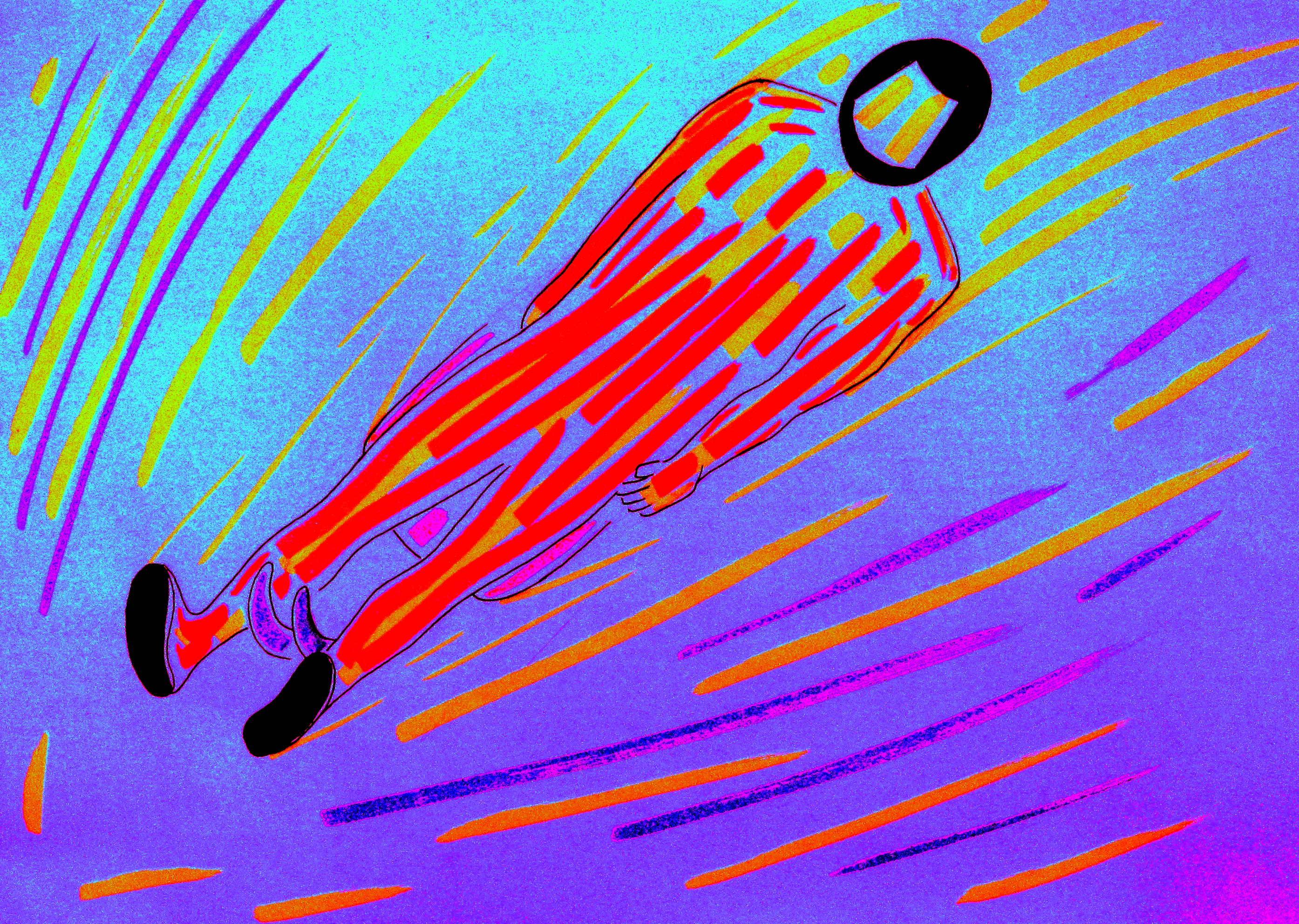
Illustration: Shyam G Menon

Illustration: Shyam G Menon

The father and son team from India were the first people to reach the Olympic village. The Indian authorities hadn’t yet sent in his documents. It caused confusion over whether they can be allowed in or not. The Japanese were courteous and hospitable. After some discussions, they let them in. Although India hadn’t yet sent in Shiva’s papers, the organizers knew of him. There was a reason – he was 16 years old, the youngest athlete to qualify for luge in the history of the Winter Olympics. On February 3, 1998, Jere Longman’s article appeared in The New York Times headlined, ` Olympics: Nagano 1998; Teenage Luger Carries All of India.’ Longman wrote in the introduction: Of all the places that Sudhakaran Palankandy expected to be next Saturday morning, none of them included walking with his son in the opening ceremony at the 1998 Winter Olympics. “ We never thought luge would start in India,’’ the innkeeper said. As a mode of transportation for India’s 896 million people, sliding is not high on the list. But 16 year-old Shiva Keshavan Palankandy has improbably qualified as the only athlete to represent India at the Nagano Games. On Saturday, he will carry the national flag in the opening ceremony, while his father walks behind him as the team leader. Nagano is where the Shiva Keshavan story took off. For his age and experience, he reckons he did well. “ Obviously I wanted to do better,’’ he said. But listening to him and Sudhakaran, I felt, it was at Nagano that world and sport reached out to support them The New York Times article mentions that Shiva received some financial assistance from FIL to participate at Nagano. His travel cost was borne by Rosalba and Sudhakaran. He found fellow athletes being helpful towards him, providing tips on how to improve at luge. “ The sport is dangerous. So people don’t hold back on advice,’’ Shiva said. Perhaps the most interesting thing was that he had no luge. At his first World Cup, the Korean team loaned him a luge they used for practice. At other events including Nagano, the story was similar – Shiva’s luge was borrowed. Incredibly, it would be another 12 years before India’s Winter Olympics athlete, the youngest luger in the history of the Games to qualify for the sport, would acquire his own luge. “ I bought my first luge in 2010,’’ Shiva said.

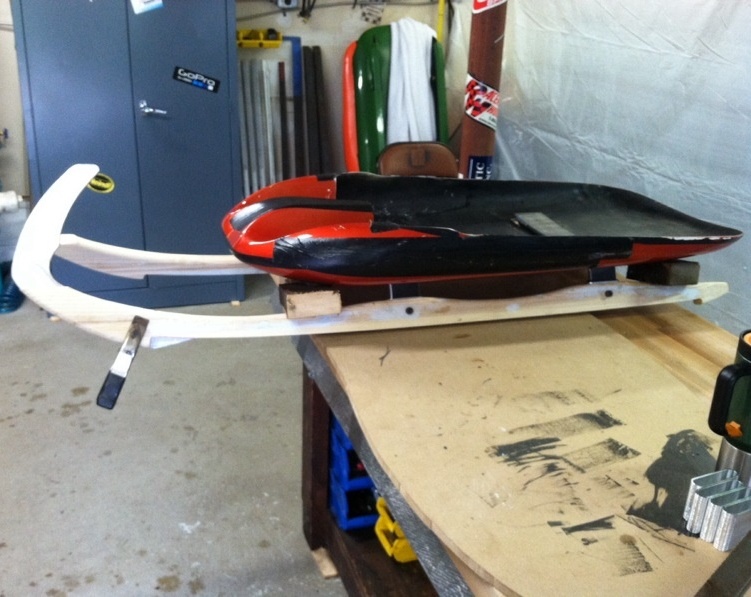
A luge Shiva made; one of the earlier models he used (Photo: courtesy Shiva Keshavan)

A luge Shiva made; one of the earlier models he used (Photo: courtesy Shiva Keshavan)

From 1998 till the time of writing this article, Shiva Keshavan had participated in five Winter Olympics. In 2005 and 2008, he secured bronze at the Asian Luge Cup, in 2009 he secured silver and in 2011 and 2012, he secured gold. In 2011, he set a new Asian speed record in luge, racing down the course at 134.3 kilometres per hour. The fastest he has ever been is 149.9 kilometres per hour. I asked him what he felt lying supine on a luge, moving super fast down an ice laden course. “ The run lasts less than a minute but for me on the luge, it is like never ending. That’s one of the incredible things about this sport – it feels like you are stretching time,’’ Shiva said. Within that sense of stretched time, the luger is alert to every small detail for steering the luge is a matter of tiny body movements capable of great impact on projectile’s fate.

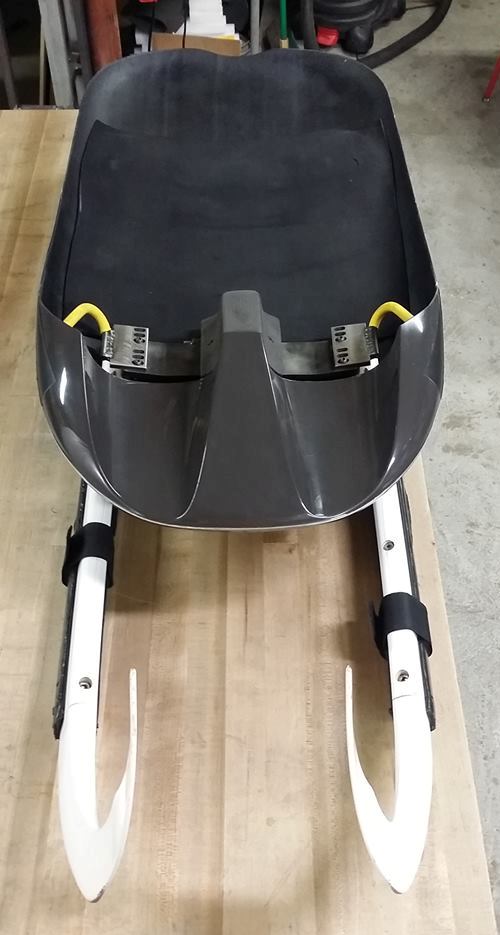
The luge was using at the time of writing this article (early 2016); made in league with Duncan Kennedy and Clarkson University (Photo: courtesy Shiva Keshavan)

The luge Shiva was using at the time of writing this article (early 2016); made in league with Duncan Kennedy and Clarkson University (Photo: courtesy Shiva Keshavan)

“ Ice is a sensitive surface that exaggerates response. Any small twitch of your body and the sled responds. The first challenge in luge is to handle things very calmly despite the obvious dangers in that stretched period of time. You have to discipline your mind. It happens on its own on the sled. Your body knows it is in danger,’’ he said. And what does he think about the luge not having any brakes? “ I never really thought of it that way. It kind of unlocks your fear. It reduces options and puts the focus on natural talent. There is no room for slowing down or being cautious. You have to approach it 100 per cent.’’ Competitions happen on well established courses. As a competitive athlete, Shiva does a lot of visualization of the course while preparing for an event. He has been down all the courses used at luge World Cups, except the new track coming up in South Korea for the next Winter Olympics. However, notwithstanding repeated visits and the benefits of visualization, there are subtle variations in atmospheric and ice conditions that act as variables to tackle on a given competition day.

At Nagano, Shiva was one of the youngest athletes around. Now 34 years old, he is part of the older lot but still having room to improve for there are winners in luge who are in their forties. His struggle so far has been getting his act together, for luge is not just about excellence by luger, you need a good coach, support team and a good luge. In his early years at competitions, Team Shiva Keshavan used to be a combination of self, parents and borrowed luge. Although that has changed, it is still a far cry from how other teams turn up. “ They come with cutting edge sleds, sled technicians, five to six coaches, physiotherapist and biomechanics specialists,’’ Shiva said. He has been lucky enough to not need a physiotherapist so far. But the lack of a good coach hurts. “ I have never been able to hire a good coach. I never had the money for it,’’ he said. Another challenge was the sled, the luge itself. For years he reported to competitions without his own luge, competing eventually with a sled somebody else provided. That may have challenged him personally to improve his being and techniques but the point is – the more a luger improves, the more he deserves a fine luge. His first sleds were all “ hand-me-down’’ specimens. In 2010, he got his own luge built in Albertville, France. It was based on moulds taken from a model he had used with some innovations thrown in. “ It was very simple but didn’t have adequate symmetry. I wasted many years trying to innovate wrongly. The idea was good but I wasn’t doing it the right way,’’ Shiva said. To understand what luge is to top notch luger, we should imagine Formula One racing. There are technical parameters to comply with regarding one’s ride and room for innovation. Shiva did try working with Indian institutions; at one point he spoke to the Indian Institute of Technology (IIT) Delhi on designing his luge. It didn’t work. The reasons were not articulated but it can be gauged: designing a fine luge entails convergence of engineering, knowledge of materials and ability to think back from the sport. It is hard finding this convergent fascination in India. If you dwell on it, a luge for Shiva is a fine chance to showcase design, knowledge of materials, engineering ability and manufacturing skill in an uncluttered product for the sled is a simple object to behold. Made, it will be used by a luger who hasn’t hesitated to push his limits. Somehow, this opportunity hasn’t captivated India’s designing and engineering minds.

Sudhakaran and Shiva (Photo: Shyam G Menon)

Sudhakaran and Shiva (Photo: Shyam G Menon)

Eventually in 2015, Shiva began working with Duncan Kennedy, the retired American luger who had competed in three Winter Olympics, placed second twice in the Luge World Cup and was the first American to win a World Cup event. Duncan builds sleds; he has a workshop where he does it. They – Shiva, Duncan and the New York based-Clarkson University (essaying the role Shiva once expected from IIT Delhi) – started working together. “ The luge I had for the last season, is the first real Indian design luge,’’ Shiva said. But his struggles are not over. He would like to retain Duncan as his coach. That requires getting a good sponsor. In all these years Shiva hasn’t enjoyed a good, reliable long term sponsorship contract with any Indian company. “ I get short term support. What I want is meaningful, long term support,’’ he said. As for sports bodies in India, he said clearly, “ in almost 20 years of competing, I haven’t got any monetary support from the domestic sports associations.’’ He received help from overseas bodies. The International Olympic Committee, for example, provided Shiva IOC Solidarity Scholarships and helped him get started in the sport. But the funds crunch can be quite impactful; over 2006-2008 it was so bad that Shiva wondered whether he would be able to continue. In that phase he married Namita who had studied management; she became his sports manager. Shiva also credits renowned shooter and Olympic gold medallist Abhinav Bindra for helping him continue in luge. What amazes in this hunt for resources in an India loving its story of corporate success, is that Shiva’s annual budget is a mere one crore rupees (approx $ 150,000 at the exchange rate of one dollar = 66.84 rupees; March 27, 2016). The day after I met him, he had a sponsorship deal being finalized. “ If I get two more deals of the same sort, I am set for this year,’’ he said. He also had a couple of crowd funding campaigns going on.

It had been a long time chatting.

A few quick photos and I watched father and son rush off to catch their flight to Delhi.

(The author, Shyam G Menon, is a freelance journalist based in Mumbai.)
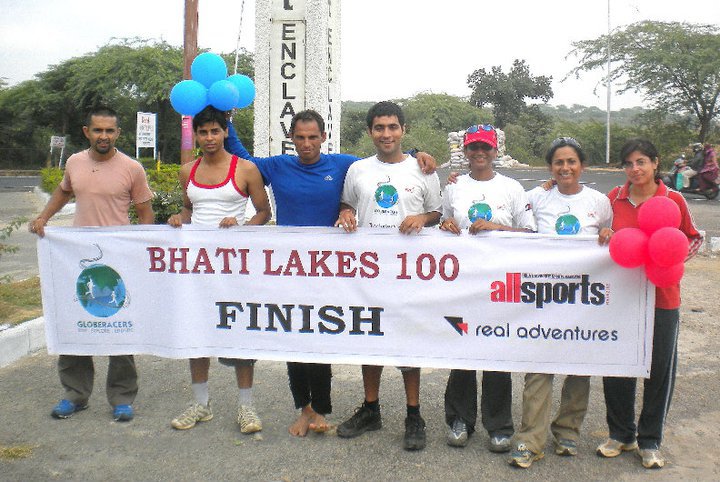
THOUGHTS FROM TWO SURVEY STONES

Illustration: Shyam G Menon

Illustration: Shyam G Menon

It was a hot day.

Tired, we sat on two survey stones by the road, watching the relentless traffic. Ahead was the regular 20 km-long choke section of our weekend route, where traffic would be at its worst. Cars and massive trucks would barrel down on us. It depressed; made us think of the contemporary predicament in cycling.

My friend worked at a bank. He liked to cycle. One of his recent posts on Facebook was that wonderful news from Germany about the first section of a proposed 100 km-highway meant exclusively for bicycles, opened. According to a related news report, the fully commissioned highway is hoped to take 50,000 cars off the road every day. What adds significance is that Germany is both one of the world’s biggest manufacturers of automobiles and home to the legendary autobahns of motoring. Supporters of the cycling highway say: such projects can’t happen without the state’s backing. There is rising awareness in cities abroad that more cars can be unwieldy. Neither my banker friend nor I can imagine the same happening in India. Here, we value power as measure of having arrived in life. Two wheels aren’t powerful enough. Absence of engine worsens it. When you are out running or cycling and behold an automobile on the road, your greatest worry is how that sense of power and its display by driver will unfold. You on two legs or two human-propelled wheels and person steering engine-powered platform with four wheels or more – these are distinct class categories in the hierarchy of power. For us, two legs and two human-propelled wheels are bottom of the pyramid.

Between more cars on the road and more cycles on the road, the latter doesn’t impress because it isn’t as big an industry or employment multiplier as automobiles. Critics have pointed out that the social costs of the automobile industry are in the negative in some countries. Equally real is planet of seven billion people (1.2 billion in India) with accompanying need for jobs. In the closing part of the twentieth century and the early part of the twenty first, several developing countries eyed car manufacturing projects as means to create employment. As pollution and climate change take hold with consequences for the auto industry, I wonder what governments are thinking now.  Notwithstanding last year’s scandal of a major German automobile company cheating on emission norms, governments will likely persist with the old paradigm. Vehicle numbers in India will increase with corresponding rise in pollution and congestion. The convincing alternative is embracing certain ideals just for the sensible ideals they are. Having fresh air to breathe and less congestion around is not something to balance with our survival. It IS survival. But when did ideals and alternatives guarantee quick return on capital? As the rat race tightens and the cost of doing business goes up, all that matters is return on capital. “ We are obsessed with return on capital,” my friend said. The tried and tested, old wine in new bottle – such approaches flourish. Room for experiment shrinks. Everything surrendered to return on capital is meaningful change also slowed down alongside. A 100 km-cycling highway may be a bad financial investment. On the other hand, it represents a clean, interesting future.

Every February as the union budget approaches, my mind goes back to a budget some years ago which hiked tariff on imported bicycles. It was meant to stop cheap imports. But it hurt anyone eyeing the imported premium varieties for enjoyable cycling, in an Indian manufacturing scene that hadn’t stirred out of its comfort zone of making utilitarian models. Since then, to the credit of the local bicycle industry, it has grown a presence in the premium segment. The evolution is slow; there is no urgency. My friend and I wondered: have we seen any advertisement, any social campaign by the Indian bicycle industry on promoting cycling and a cycling friendly-environment? We weren’t talking of posters advertising cycle trips at a bicycle store or a few bicycle stands with commuter bikes in a few cities. We weren’t talking of celebrities endorsing cycling or sponsored cycling events and races. We weren’t talking of those from the bicycle industry regularly participating in Delhi’s Auto Expo, billed as Asia’s biggest automobile show. They typically showcase very expensive bicycles that serve as statements for brand building.

Illustration: Shyam G Menon

Illustration: Shyam G Menon

Cycling, like running and unlike motoring, is environment friendly and keeps you healthy. We were talking of a generic campaign for cycling that is comparable to how India promoted the consumption of milk and eggs. The automobile industry never tires of pushing its case. Even today, despite the social costs of motoring being unbearable in some places, the industry aggressively markets itself. Has the bicycle industry been as vocal as the auto industry when it comes to protecting and promoting the idea of cycling? Do they ask for bicycle lanes; do they ask for motorists to respect bicycle lanes and be aware of cyclists on the road? That is quite different from guarding domestic turf through import tariffs in the union budget. Did the bicycle industry promote cycling or highlight its virtues nationwide when the country was following the news about Delhi’s odd-even scheme, the first serious intervention in India against air pollution? Aside from the routine photo of a senior government official or celebrity on a cycle, we couldn’t remember seeing or hearing anything substantial. Times of auto industry questioned don’t seem opportunity enough for bicycle manufacturers to assert their case? It appeared so. Interestingly, some months ago, the CEO of a bicycle company said in the course of a conversation that the Indian cycling experience has to be improved for growing the bicycle market, particularly the premium segment. After all, we invest in a bicycle to enjoy the experience of being out with it.

Fifteen minutes went by at those two survey stones.

We drank water and had some snacks.

Then, we resumed cycling.

If you sample the list of the world’s top box office hits, you will be amazed by how many movies therein are the stuff of fantasy. We love escaping a reality beyond our control. At the start of the 20 km-long choke section, I indulged my pet fantasy: magically erase all that traffic with a special effects-wand and imagine one long stretch of road with just joggers and cyclists on it. Wannabe wizard traded fantasy for reality, the moment the first big truck rumbled dangerously close by.

(The author, Shyam G Menon, is a freelance journalist based in Mumbai.)       
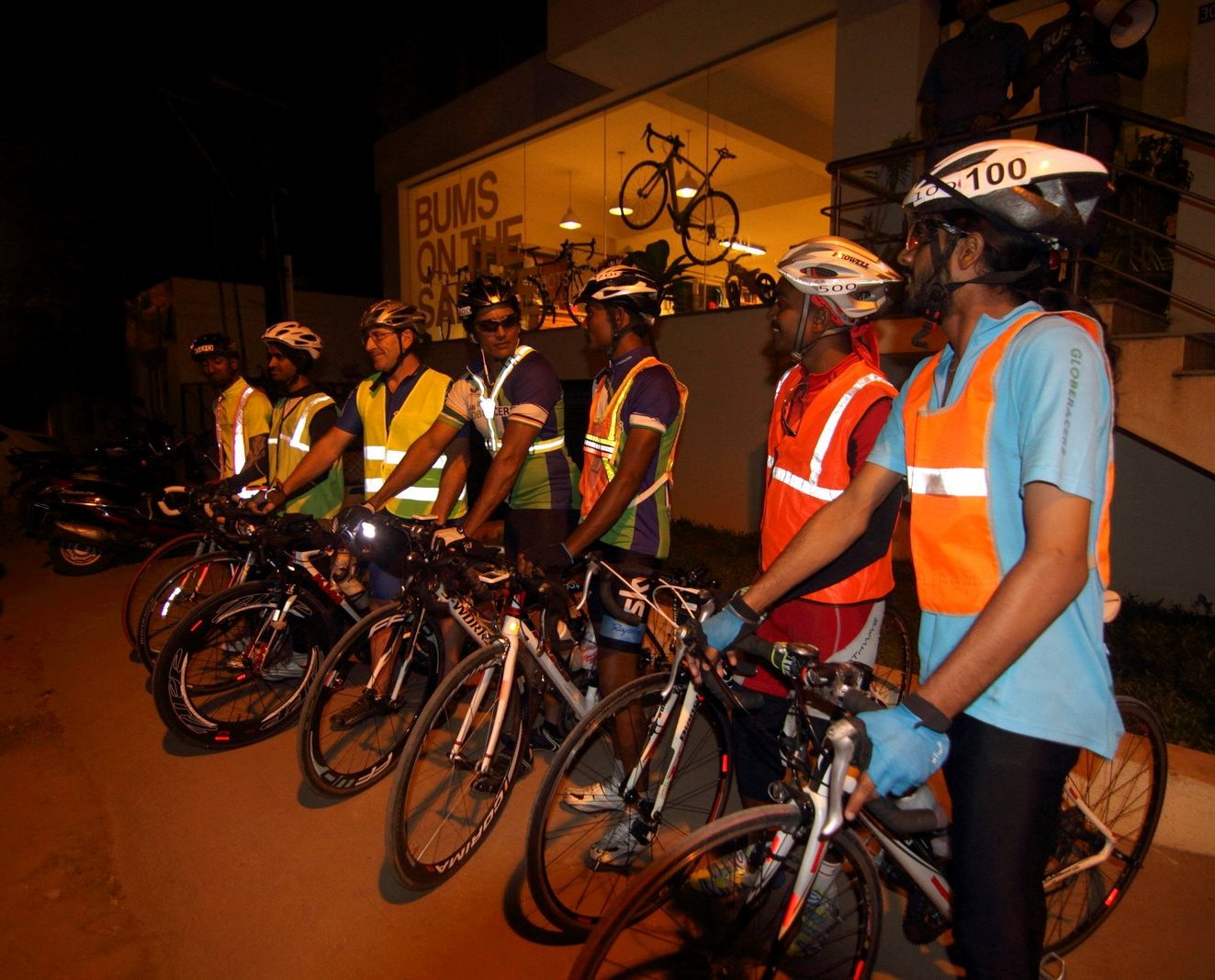
A TEACHER FROM LONG AGO

Illustration: Shyam G Menon

Illustration: Shyam G Menon

One day many years ago, when I was in school, a tall, bearded man became our teacher.

He taught us English.

In a stiff educational ambiance wedded to syllabus and academic performance, he sometimes came to class with the book he was reading. Small things like that, triggered curiosity. Compared to other teachers, he was young. Quite approachable and a bit of a misfit in those days of strict discipline at school, he was a hit with us. From the way he dressed, to his informal, relaxed style of talking while taking classes, the way he reminded us to be quiet, as opposed to commanding us – everything was different. Occasionally his reluctance to be assertive meant a slightly chaotic class but we were delighted to have a ` cool’ teacher. He didn’t work long at the school. His tenure was brief. He moved on.

Post college, I tried unsuccessfully to be a copywriter. In the desperate aftermath of losing that first job, I was accepted as student for a course in journalism. It was a case of grabbing what came my way to stay afloat. Months later, I found myself a journalist. I met my old English teacher just once after leaving school and that was several years ago. I was home in Thiruvananthapuram on holiday and his house then was a kilometre or less, away. In the years following that stint as teacher, he had become a prominent journalist. I called on him because I wanted to say hello to someone I respected in school and in whose chosen profession, I found myself in. He had worked at The Indian Express, Mathrubhumi, News Time, The Statesman, The Independent and India Today. He was also associated in between with BBC Radio. But what would make him a household name in Kerala was ` Kannadi’ (mirror), a popular programme he produced and presented for Asianet, a leading television channel in the state. He eventually became Editor-in-Chief of Asianet News. I met him in the early phase of ` Kannadi,’ as a student he had taught at school during his pre-journalist days. We didn’t meet again. In the years that followed I also disconnected my cable TV because the whole business of news and breaking news had become unbearable. Amid that, while travelling on work or at other people’s houses, once in a while, I caught snatches of ` Kannadi’ on TV. Early morning of January 30, 2016, I received a text message informing that T.N. Gopakumar was no more.

I remember T.N. Gopakumar as my old teacher. The deep, rough voice from ` Kannadi’ and that unmistakable style of sentence-delivery, was there even then but cast as my school teacher, it is a Gopakumar in a non-media setting I came to remember. Someone who was intellectually leagues ahead of his students, probably wondering what he was doing in our class and yet, amused by it. I was lucky to have a couple of teachers, whose impact exceeded syllabus. Gopakumar is one of them but with a difference. In his case, the impact is tough to articulate because it was both an impression and an impression over a short period of time. The closest I can articulate the impression would be – he made you want to grow up, have a head full of ideas and a book to read. News reports said he was called `TNG’ in media circles. For his students, he was ` T.N. Gopakumar sir’ or ` Gopakumar sir.’

He will be missed; not just by television viewers and the media fraternity but by his old students as well.

(The author Shyam G Menon is a freelance journalist based in Mumbai.)
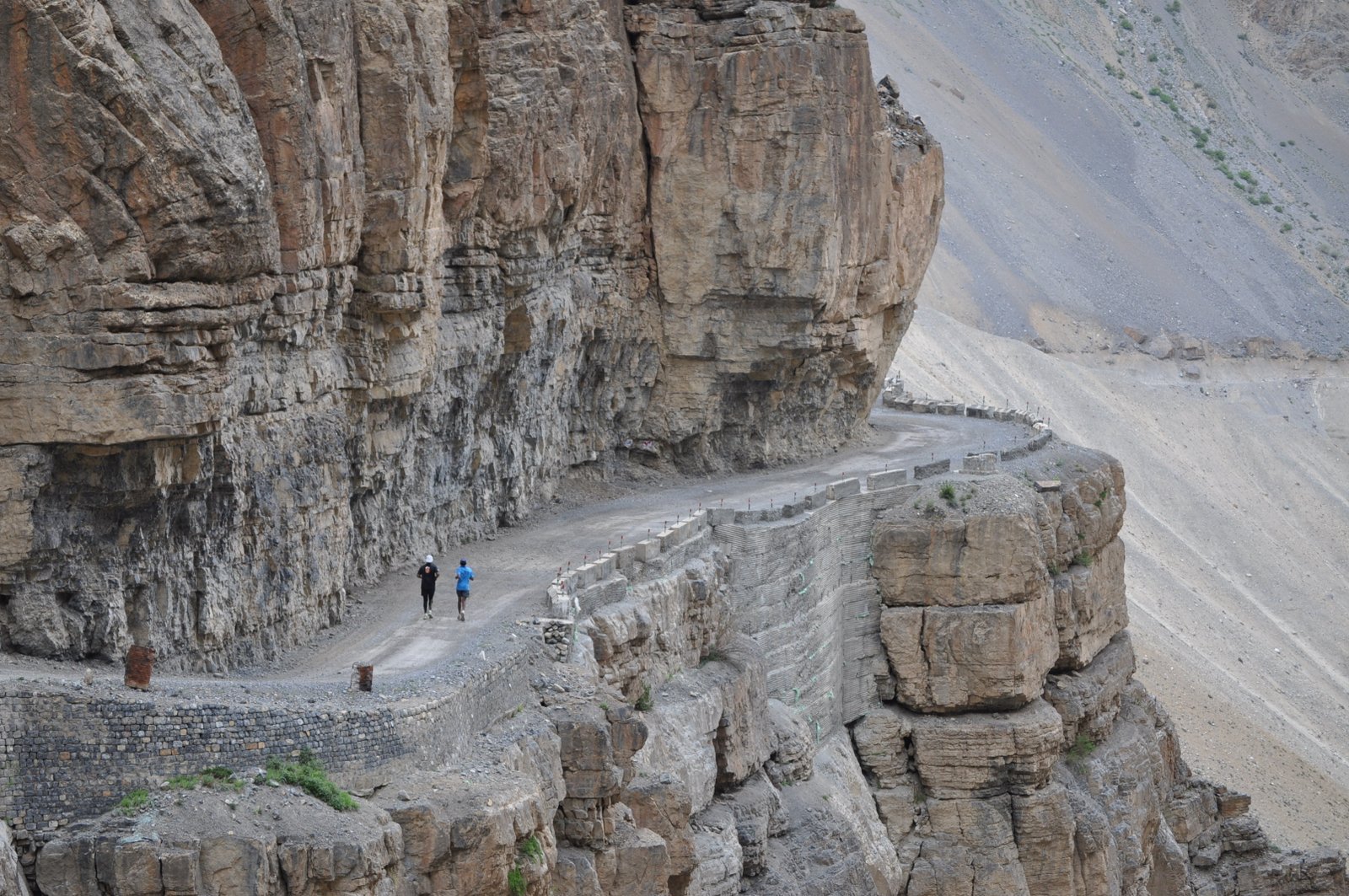
IN LOVE WITH ULTRA RUNNING

Illustration: Shyam G Menon

Illustration: Shyam G Menon

In March 2003, at a hotel in Pune, a senior company executive checked his weight.

He had spent years in sales and marketing. That was his forte. It was life chasing targets; there was travel, quick decisions, coordination of teams and much socializing to keep the sales numbers growing. The job shaped you. At his feet, the weighing scale’s needle hovered wildly for a while, then narrowed its range and settled on the correct number – 88 kilos.

Sunil Shetty decided he must do something about it.

Born 1962 in Mumbai, Sunil grew up in the city, attending Fatima High School and then, Ruparel College, from where he graduated in statistics. Although good at mathematics, this wasn’t exactly the career progression he wanted, for this grandson of a gentleman who once ran a restaurant in Mangalore desired to be in catering. But his bid to be accepted at catering college, failed. So he went into statistics, commenced a career in sales and marketing, complemented his college education with an Executive MBA from IIM Calutta and somewhere along the way even met the late Thangam Phillip, who headed the catering college he couldn’t get into. She was guest at a function, the company he worked for organized. Sunil worked 20 years with Nestle India, then some more at Johnson & Johnson (J&J), all in sales and marketing, a line of work that brought on those two unwanted bedfellows – 36 inch-waist and 88 kilos on his feet.

The youngest of four children and raised in middle class values emphasising studies over sports, Sunil had grown up with an interest in football and cricket but no great presence on the playing field. In life ahead too, he embraced the popularly accepted practice of well settled life. It was so till the accrued weight of such existence settled atop that weighing machine in Pune. Sunil decided to take up running. Normally that is a major stretch for somebody at 88 kilos. But in Sunil’s case, he discovered he could run. “ I managed 2-3km comfortably on the first day itself,’’ he said.

Sunil Shetty; from the 2015 Total Sports 10k run in Mumbai (Photo: courtesy Sunil Shetty / photographer: Gaurav Choudhari)

Sunil Shetty; 2015 Total Sports 10k run in Mumbai (Photo: courtesy Sunil Shetty / photographer: Gaurav Choudhari)

Back in Mumbai, after a few days spent getting the feel of jogging, he bought a pair of Power running shoes from a Bata showroom. He ran roughly four days a week. When he was around 15 runs old on his new shoes, a gym opened in the housing complex he stayed in. He shifted to the gym’s treadmill doing 6-8km every day. Alongside, he started to eat and drink in moderation. “ I haven’t stopped anything. I still eat well and drink but the idea of moderation set in,’’ Sunil explained. Within days of him taking up running at the gym, his wife Sangeeta joined him. After 18 months of running on the treadmill – 6-8km every day, four days a week – he found that his waist size was down to 32 inches and his body weight, 64 kilos. Life however was work-home-family-work. Running on a treadmill in a gym in one of the world’s biggest and most populated cities, he still knew none in running. Those days Mumbai’s running scene was a shadow of the movement it is now. In January 2004, the month and year the city hosted the first edition of the Standard Chartered Mumbai Marathon – it would change the local running scene forever – Sunil left Nestle India and joined J&J.

J&J supported the NGO `Nanhi Kali,’ founded by industrialist Anand Mahindra in 1996. Thanks to this association, every year in time for SCMM, the company used to get 100 bibs, the availability of which was informed to employees over mail. Sunil would see this mail and let it pass for he had never thought of himself as a distance runner, who could tackle a marathon. However at the gym, he had this friend, five years senior to him, who walked 12km on the treadmill. That caught Sunil’s attention. He tried and found that he could run 12km. An amiable competition kicked up between the two, one walking, the other running; the distance rising alongside to 18km. Then, another friend suggested: why not try the half marathon at SCMM? In October 2008, Sunil looked up the Internet for training tips, enrolled for the event and ran his first half marathon at the SCMM in January 2009.

Sangeeta who had been as regular as Sunil in training at the gym, recalled that day. Sunil had asked her to wait at the finishing point (in 2009, the half marathon was from Azad Maidan to Mela Restaurant on Worli Sea Face and back) and expect him there about two and a half hours after commencement of the run. Sangeeta did as told. She witnessed some of the strong runners in the discipline finish in style. Then the better runners from the remaining lot strode in. Then the regular lot poured in. Then some of the senior citizens arrived. There was no sign of Sunil and it was past three hours. At 3:03 Sunil slowly walked in. “ He looked exhausted,’’ Sangeeta said. Sunil had found the run difficult. He cramped at around 12-13km and could only walk after that. He told Sangeeta, “ this is the first and last time I am running this distance.’’

That 3:03 hit Sunil really hard. Following the 2009 SCMM, Sunil went back to his daily treadmill run. But unconsciously and without any deliberate design, his regular 6-8km run occasionally extended to 10km; the distance was increasing. In October 2009, the annual mail about bibs from Nanhi Kali landed once again. It began tempting Sunil. Should he? Should he not? He spoke to Sangeeta. It was decided – they would both run; Sangeeta would do the half marathon, Sunil, the full. “ I promised myself I will train,’’ Sunil said. Like many others, he downloaded Hal Higdon’s training regimen and used it as a reference point. Training started late, only by October. As part of it, his four days a week on the treadmill was mixed with two days running on the road. Running the SCMM full marathon in January 2010, Sunil cramped at 26km and walked the remaining portion. He covered the 42km-distance with a timing of 6:03. “ I was not as dejected as I had been the previous year running the half marathon. So I decided that I will continue running the full,’’ Sunil said. Sangeeta, out on her first formal half marathon, finished it comfortably and in decent timing. Born 1967, she used to be into sports in her school days. “ I liked running after I got into it. It keeps me fit and makes me a more peaceful person,’’ she said.

Sangeeta Shetty; 2012 Kaveri Trail Marathon (Photo: courtesy Sangeeta Shetty)

Sangeeta Shetty; 2012 Kaveri Trail Marathon (Photo: courtesy Sangeeta Shetty)

Soon after the 2010 edition of SCMM – it was the first time they participated together in a running event; a format they have repeated since at many races – Sunil and Sangeeta embraced the discipline of regular running with SCMM for annual outing. By the January 2011 SCMM, Sunil’s timing for the full marathon had improved to 5:40. He was now cramping at much later stages in the race. In June 2011, he quit J&J. From September 2012 onward, he became officially self-employed. “ I now had more time with me,’’ he said. One of its side effects was greater trawling of the Internet for ways to improve his running. Gathering information is easy; running efficiently is tough. For the January 2012 SCMM, he trained targeting sub-five hour timing in the full marathon. It eluded him.

Striders is one of Mumbai’s running clubs. According to the Internet, it was started in 2006 by Praful Uchil and Deepak Londhe. Unknown to Sunil, his next door neighbour was Praful’s brother. When Praful visited, he introduced himself to Sunil and Sangeeta and realized that the two of them were runners. He mentioned of the upcoming Kaveri Trail Marathon (KTM), organized by Runners for Life (RFL). Sunil had heard of RFL. When he researched for more on KTM, the Bangalore Ultra popped up. A plan took shape – do the full marathon at KTM and follow it up with the 75km-run at the Bangalore Ultra. The first was in September; the second, in November. They began training systematically. Sunil ran his first KTM in 4:57. Sangeeta came first in the veterans’ category, her first podium finish. Later, in November that year, both Sunil and Sangeeta took part in the Bangalore Ultra. It was a loop of 25km in a forest composed mostly of Japanese Bamboo. The year Sunil ran it for the first time there were about 20 people in his age bracket, running the 75km-distance. Sunil finished in 10:23, earning first place in his category. Sangeeta finished first in her category in the 75km-run. A couple finishing so was reportedly a first for Indian running.

The Bangalore Ultra marked a shift for Sunil and Sangeeta. Not only did they feel ready for a 100km-race, they felt their appetite reducing for the shorter distances. “ One thing about us is that we rarely keep doing the same distance again and again. We wish to attempt the bigger challenge,’’ Sunil said. However, it is a qualified challenge and not to be mistaken with simply increasing the distance or making a race rougher and tougher. Sunil, for instance, does not fancy such challenges like running between cities that are far apart or engaging in self-supported, multi stage expedition type races. He firmly favoured well supported runs, well organized events with proper support facilities. “ I don’t want to torture myself,’’ he said. Talking of cut-off stages, both Sunil and Sangeeta said that they prefer a single stage with reasonable cut-off time. “ Multi stage and unreasonable cut-off times make you tense. You don’t enjoy the run. I try consciously not to run fast. I will not pay for a race that puts me under pressure. The moment the pressure comes, I may not perform well,’’ Sangeeta said. This is one reason the couple like ultra marathons. Unless the multi stage, competitive paradigm intervenes as spoiler, an ultra is an escape from the shorter distances loved by evangelists of competition.

Sunil Shetty; from a December 2015 practice run (Photo: courtesy Sunil Shetty / photographer: Tashi Ongya)

Sunil Shetty; from a December 2015 practice run (Photo: courtesy Sunil Shetty / photographer: Tashi Ongya)

For the 2013 Bangalore Ultra, Sunil and Sangeeta registered for the 100km distance-category. Sangeeta finished first in her segment; Sunil placed second. As a well known couple from Mumbai into running, Sunil and Sangeeta are often invited to run the shorter distances. But their heart is with the longer runs. In 2014, Sunil and Sangeeta attempted the 24 hour-run category in the Bangalore Ultra. The run started at 5AM on November 8th that year and ended next morning, 5AM. Sunil covered 138km to finish first in his category. Sangeeta covered 120km to place second in her category. Ram Venkatraman is a longstanding runner and one of the founding members of Mumbai Road Runners (MRR). “ Sunil and Sangeeta are the most respected running family in Mumbai, nay India today. Apart from being highly disciplined and dedicated to their craft, which results in Sunil Shetty getting a personal best in practically every race that he runs, they are also the most warm, loving couple that you could find. Sunil’s knowledge on endurance sports especially running is vast and he therefore lends a helping ear to any budding runner. Sunil was rightly awarded the Most Inspirational Runner at the MRR Awards 2014,’’ Ram said.

Sunil and Sangeeta have a daughter. The family stays in a leafy part of Powai in suburban Mumbai. Their apartment is in a housing complex, which is in turn part of a much bigger complex. On the perimeter of this large complex of many residential blocks is a sort of-circular road, which thanks to the unevenness of the underlying geography has ascents and descents. A full loop on this road is approximately 1.5km long.  This is daily training track for Sunil and Sangeeta, the laboratory for all those personal bests. It works in two ways. First, by running more and more loops you directly gain distance. Second, running loops toughens the mind to stomaching events like stadium based-endurance runs, where the biggest challenge can be monotony. Another aspect you notice when talking to Sunil and Sangeeta is that the mix of training and event-running – the proportion assigned for each – matters.  YouTube has an engaging documentary on the great American athlete Edwin Moses, wherein the champion hurdler points out that compared to the days of training he did in a year, the actual time he spent competing was very small. When you reflect on that observation, you sense the truth you miss on popular television, which focuses on victory. We remember Edwin Moses for the several times he was the best in a discipline concluding on track in under 50 seconds of top notch hurdling. Add it all up and Moses hurdling competitively can be counted in the minutes in a year. What we don’t see is the hours, days and weeks of training away from the glamour of high profile sporting events and the glare of media.

The road around the housing complex at Powai, which Sunil and Sangeeta use for training (Photo: Shyam G Menon)

The road around the housing complex at Powai, which Sunil and Sangeeta use for training (Photo: Shyam G Menon)

You find something of this in Sunil and Sangeeta. They are advocates of the requirement to train, they train regularly and even today, the number of events they participate in is modest compared to what many regular runners do. Further all the stretching of human potential, all the testing for enduring stress is done in the training phase. “ Both of us give our 100 per cent to training. I still don’t run more than four days a week and I do strength training for two days,’’ Sunil said. During off season the said strength training increases to three days – a wonderful pointer to how off season in the running calendar needn’t mean off season for runner. Once in three weeks, the couple try and do a 50km plus-run. To illustrate how he has prepared himself, Sunil said, “ at short notice, I can do 70-80km.’’ In an article in the Times of India following the 2014 Bangalore Ultra’s 24 hour-run, V. Anand pointed out that in the run up to the event, Sunil and Sangeeta had covered 1900km over five months, in training.

This kind of dedicated training yields two benefits. First, given all that goes into the training, the actual event becomes a mentally relaxed, enjoyable affair – as mentally relaxed and enjoyable as you can make it, that is. For, every discipline as it happens still has its own challenges. Second, the systematic build-up with care for building a solid foundation, promises less injury and potentially longer life in running. There are other details too. Sunil does not advocate the sprint finish; that finish with a flourish, you see many people do. According to him, his last two kilometres in a race are typically the slowest as this helps the recovery process. Finally, the couple don’t obsess with timing. “ One of the reasons we have been injury-free is that we are not obsessed with timing. This is the thirteenth year of our running, we are content with what we have,’’ Sunil said when we met him and Sangeeta over two sittings in Powai (it was November-December 2015). Neither of them was ashamed of Did Not Finish (DNF).  If the body says stop, they will. “ My body is more important,’’ Sangeeta said. Probe further – it is an outline of detachment and contentment that exceeds running and timing. “ I don’t believe that we need to provide for two generations after us,’’ Sunil quipped at one point in the conversation, a quip that is insightful of life in more ways than just making money. Including one in which, you find the time to run.

Sangeeta and Sunil Shetty (Photo: Shyam G Menon)

Sangeeta and Sunil Shetty (Photo: Shyam G Menon)

January every year, Sunil and Sangeeta sit together, check the year’s running calendar and shortlist the events they would like to participate in. Typically what they choose to participate in (they are invited for more) don’t exceed 4-5 races. “ Perhaps an ultra, two full marathons and a half,’’ Sunil said. By way of suggestion for young people, he said that if you are running two full marathons and two halves in a year make sure that one of each variety is run well. And if you want to get into an ultra, make sure that you run at least 4-5 full marathons before attempting an ultra – it should be a gradual build up to such distances, not a jump and a jolt. Unfortunately the popular trend is something else. Thanks to competition and the need to prove, contemporary life’s dominant flavour is impatience. “ I find people wanting to reach where we reached in 13 years, in two to three years time,’’ Sunil said.

So what is the future in running, the couple dream of? They do have running abroad in their list of things to do. But it is not a Boston or New York Marathon kind of aspiration. “ Something like – maybe a 100 miler?’’ Sunil said. He also has his rounds giving motivational talks wherein he encourages people to get into running, tells them that to get into fitness you just need to jog every day and not straight away tackle a formidable marathon. He advises them to look inside their own houses for company to run. “ I also tell them that if they manage to motivate one person a month to begin running, then it will start a chain reaction,’’ Sunil said. Now seasoned runners, both Sunil and Sangeeta are backed by Puma. Uniquely, despite such affiliation, one of the runs Sunil has been associated with (he is one of the founders) is an annual 10km-run called United V Run as 1 in which no prominence, no mileage by advertising is offered to sponsors. It would seem a counterweight of cleansing for all that happens as commercial running. “ Sunil and Sangeeta are a great inspiration for many Mumbai runners; individuals as well as couples. People consider them as role models. They are very down to earth, punctual and dedicated. I consider them very talented runners, friendly and always happy to share their knowledge,’’ Satish Gujaran, city based-ultra runner, said.

Sunil now weighs between 56-58 kilos.

Somewhere in Pune is a weighing scale that started it all.

Sangeeta Shetty / select races and timing:

Year          Event       Distance       Time              Remarks

2010           SCMM           HM              2:59               First timed race

2012           SCMM           FM               5:41               First FM

2012            KTM             FM               5:46               1st in veteran

2012              BU              75k               12:07             1st in veteran

2013              BU              100k             16:48             1st in veteran

2014              BU              120k             24hrs             2nd in veteran

2015    Spirit of Wipro    10k             60:08             1st position

2015    Spice Coast           HM               2:23             1st in veteran

Sunil Shetty / select races and timing:

2009           SCMM            HM              3:03                First timed race

2010           SCMM            FM               6:10                First FM

2012              KTM            FM               4:57                First sub-five hours

2012               BU               75k              10:23              1st in veteran

2013               BU              100k             13:38              2nd in veteran

2014               BU              138k             24hrs              1st in veteran

2015          SCMM             FM                3:53               First sub-four hours

2015              ILFS             10k      44:45(minutes)    1st in veteran

2015       Spice Coast         HM             1:39                1st in veteran

HM: half marathon, FM: full marathon, k: kilometre, SCMM: Standard Chartered Mumbai Marathon, KTM: Kaveri Trail Marathon, BU: Bangalore Ultra

(The authors, Latha Venkatraman and Shyam G Menon, are independent journalists based in Mumbai.)

RHYTHM HOUSE DECIDES TO SHUT SHOP

Rhythm House at Kala Ghoda, Mumbai (Photo: Shyam G Menon)

Rhythm House at Kala Ghoda, Mumbai (Photo: Shyam G Menon)

For many years, I worked in South Mumbai, close to Churchgate.

Sometimes too much typing on the computer got to me and I would step out of the newspaper office for diversion.

If I cut across the nearby Oval Maidan and its myriad cricket matches, then fifteen minutes walk away, was Rhythm House. It was a shop in an old building at Kala Ghoda, now the city’s art district thanks to the adjacent Jehangir Art Gallery, the pavement artists, the surrounding heritage architecture and an annual festival in the area with roads closed to traffic and open to arts and crafts. Compared to other shops selling music that arrived and closed during its time, Rhythm House was small. But it was packed with music and movie titles in the physical format. What you couldn’t find on the shelves, you ordered at the desk. I would spend some time here browsing through the collection, clear my head and return to work.

One day, I wrote about Rhythm House. The new century had arrived. Businesses overseas had witnessed massive change through Internet and digitization. The world of book shops for instance, was besieged by question marks. As book shops struggled, I wondered what was happening at Rhythm House. Hence that old story written and published in the newspaper I worked for. It failed to capture well the shop and its predicament. Maybe I hadn’t known Rhythm House long enough to tell a story. I acted in haste. But I remember the owners being concerned of what lay ahead in the fast changing market. Still, if there was anything challenging Rhythm House, it wasn’t visibly alarming for the shop was well stocked and it had customers. During festive season, the traffic built up. Besides, sales or no sales, everyone knew Rhythm House. It was a Mumbai institution.

At Rhythm House you met connoisseurs of music. Once in a while as I hung around the racks hosting music relevant to me, I would hear a customer or two ask the salesmen about specific albums or concert recordings. The salesmen would in turn indulge them in talk about the elusive recently sourced or, which can be sourced. The minor details bringing joy to collectors of music are fascinating. It is portrait by passion. You don’t sense these folks as palpably in cyberspace even though the digital side of everything is marketed as bigger meeting place. In the real world and its shops, you meet people in full and a person in full is person believable. I wrote that article on Rhythm House well over ten years ago. I subsequently became freelance journalist and in my less moneyed avatar, continued to visit Rhythm House but rarely purchased. I found relief just being there amid the music and films although I must admit, not being able to afford was progressively becoming a dampener.

Rhythm House; red board announcing Goodbye Sale (Photo: Shyam G Menon)

Rhythm House; red board announcing Goodbye Sale (Photo: Shyam G Menon)

January 1, 2016. Having decided that a multiplex ticket costing Rs 400-500 to see the latest Star Wars movie wasn’t worth the strain on one’s purse, my friend Latha and I decided to go for a walk instead. Decades ago, I had watched the first Star Wars movie at a theatre in Thiruvananthapuram and returned home a fan of Han Solo. I watched the first trilogy. Then I watched Harrison Ford in all those Indiana Jones movies. Those days you could afford visiting the theatre. Now the question isn’t whether you are interested in cinema but whether you can afford multiplexes. I was a fan of Star Wars quitting at a choke point in the system called costly multiplexes. Our evening walk brought us to Kala Ghoda and the Jehangir Art Gallery, which we wished to visit. I think when you age you realize you are a traveller in the universe and therefore entitled to perspective. You find it in art, that’s why the occasional visit to the art gallery engages. As we left the art gallery, we noticed Rhythm House, distinctly less celebratory in appearance despite the festive season. When we drew closer, we saw the red board on its door: Goodbye Sale. I was shocked. Powered by discounts, the innards of the shop had been cleared out in parts. Latha picked up a rare recording of a Hindustani classical vocalist. Bill paid we got out but couldn’t leave. An institution was shutting down. We had no proper camera. So in the dim light, Latha took a photograph of the shop on her cell phone.

Unknown to me, Rhythm House’s closure had been in the media since November 2015. The articles featured musicians, music lovers, music critics, authors and other residents of the city who shared their memories of the iconic establishment. A visit to the shop’s website showed a message. Excerpts: We are the last of our city’s large format music & video stores to yield to the challenges posed by new technologies and piracy. We are set to close for business end of February 2016. We have been in the music business since 1948 and in the video business over the past 30 years or so and closing down is therefore going to be an emotional wrench for us. Many of you have echoed similar sentiments and we thank you for being with us at this difficult time.

I returned the next day to click the photos accompanying this story.

Mumbai’s art district and its music scene won’t be the same without Rhythm House.

(The author, Shyam G Menon, is a freelance journalist based in Mumbai.)
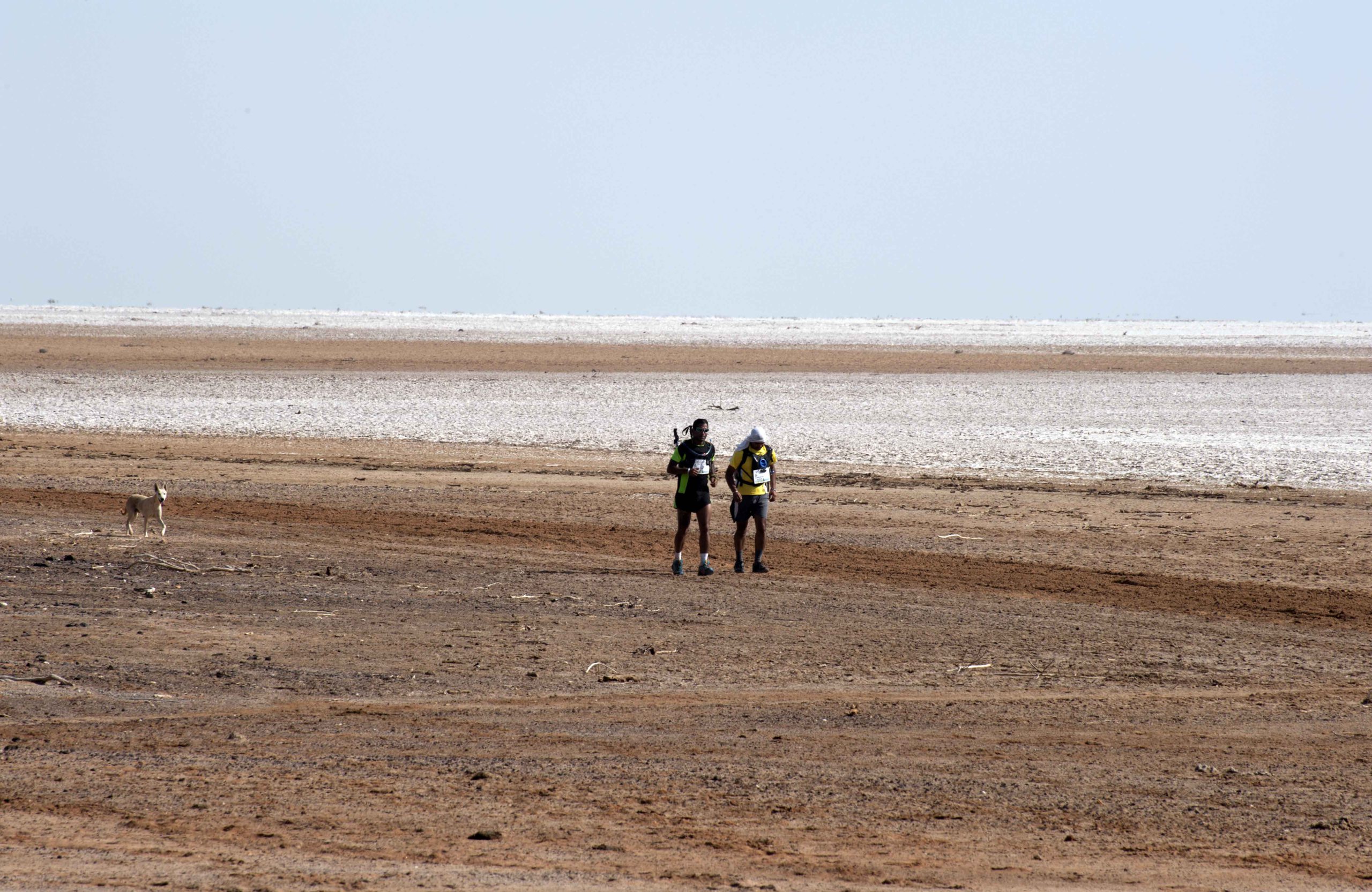
THE FISH SAID IT ALL

Illustration: Shyam G Menon

Illustration: Shyam G Menon

A day out with fisherfolk 

In 2009 I found myself at Puthiyathura, a fishing hamlet on the outskirts of Thiruvananthapuram.

In my many years of knowing Kerala’s capital city, I had never ventured into these parts.

The fish reached the refrigerator in our home, carried all the way by a fisherwoman. You saw the fisherwomen all over town, hurrying along at a fast pace. What we never knew was why she hurried. She too had family; she had left home early and had that far to get back, before dark. Wanting to save the little she earned, she walked; a hurried walk.

The only time the fisherwoman’s home captured our concern was when the police resorted to firing to disperse clashing groups. In the days I attended school and college in Thiruvananthapuram, the city’s fishing hamlets witnessed clashes. When a fisherwoman came to our home after one such incident reported in the local papers, my mother would ask her about it. Some of them talked at length. It was, I guess, a venting, unloading one’s mind of life’s burdens to a fellow woman. Some others spared just a few words. As the crow flies, I lived maybe three to four kilometers from the sea. We went to the beach on weekends, enjoyed the sea breeze, wet our feet in the surf, had the hot, roasted groundnuts sold by vendors and returned home. Amid the silhouettes of fishing canoes drawn up on a sunset-beach, would be people relaxing over a chat or card game. Once in a while a kid or two came prancing down from the shadows towards the waves, jumped into the surf, swam about confidently and went back to the shadows. They were the people of my fish.

Years passed. I began catching up on things I didn’t do. I wanted to venture out to sea in a fishing boat; watch fishermen at work. My sister Yamuna, who had studied sociology and worked with communities, pitched in to help. She had worked before in the Puthiyathura area. She put me in touch with the fishermen. Several phone calls later, we had a trip scheduled. Then, Varghese who was to be my guide cut his arm and so the first attempt got called off. The second one saw us all on the beach staring at an angry sea. The water was grey, turbid toward the shore and the waves crashed with a dull resonant thud, which has always been the audio signature of a south Kerala beach. On that particular day, the thud was too strong for comfort. “ We won’t have a problem,’’ Johnson said referring to himself and his fellow fishermen, “ but a newcomer, if required to jump off the craft on the return may end up in trouble.’’ To put it in perspective, the coast towards the south of Kerala slopes steeply into the sea. You can find waist deep water within striking distance of the shore, neck deep trifle beyond and start swimming around where the nearest wave arches to crash. In contrast, beaches in Gujarat have extended shorelines; at low tide you can walk far out to sea. This is the secret to what was once the world’s longest stretch of ship breaking yards at Alang. You run the ship in on its last burst of energy and ram it into the shallows. At low tide, the steel hulk stands exposed for scavenging like a castle bereft of its moat.

Illustration: Shyam G Menon

Illustration: Shyam G Menon

Unlike Kovalam, which has a protected cove, at Puthiyathura the beach was a straight line exposed to the sea’s fury. Here, I may be able to launch off in a boat in rough weather but on the return, devoid of the skill to jump out of the boat in time and swim, risked getting hit by the craft, which would be tossing and pitching in the waves. “ The sea should be calmer,’’ Vincent said during moments stolen from his perennial focus on the auction happening on the beach. The auction was a miserable sight. On display was a meager collection of fish hardly echoing the famed plenty of the sea.  “ There is nothing left to catch there,’’ Vincent said.

The time I was at Puthiyathura, an advertisement for the Grand Kerala Shopping Festival in the newspaper announced up to forty kilos of gold to be won if anyone bought the precious metal during the festival period. That’s twelve kilos shy of my body weight and many, many times more in value than my person. In a country recognized as the world’s biggest gold importer, Kerala is one of the biggest retail consumers. I suspect Kerala’s love for gold has much to do with an underlying conservatism. The advertisement for the shopping festival dutifully highlighted the logic. It asked: which other investment is as secure as gold?

The image in the advertisement about the shopping festival showed five fishermen folding their nets on a beach. The sea braced itself into a wave in the backdrop; large, shining gold coins morphed into the photograph tumbled out from the nets – a haul of gold. The caption said: Swarna Chaakara. It was a play of words and imagery. Swarnam in Malayalam means gold. Chaakara is the phenomenon of mud banks that occur along the central Kerala coast bringing with it shoals of fish. Old timers distinctly remember it for the flurry of activity it brought on the beach. Years ago as a journalist in Kochi, I had traveled south to Ambalappuzha to witness a chaakara. Venu, my colleague from the Alappuzha bureau and the person who loaned me a wonderful collection of Hemingway’s essays to read, accompanied me on the trip. I reached the beach expecting festivities and jubilation. The mood though was matter of fact. More like – been there, seen it. I was the only one straining to see a great story for a new generation. Most people on the beach probably saw it as a stroke of luck to pay off debts. That was in the early 1990s. As an introduction to the economics of fishing that laconic attitude was the right initiation.

Illustration: Shyam G Menon

Illustration: Shyam G Menon

In the Malayalam language, chaakara has evolved to become an expression of plenty. And times of plenty are rare. Whichever way you look at it, fishing is a tough business; hardly the stuff of gold. For most of us landlubbers dreading the fury and unfathomable depth of that vast blue expanse, returning safe from the sea is accomplishment enough. For the fisherman though, returning alive and empty handed is an invitation to accumulate debt, suffer from it. Behind each outing into the sea is a string of expenses, ranging from the cost of nets and fuel to the cost of hiring a boat if you don’t have one. A simple inquiry on the beach would reveal that these costs are not tiny even for your wallet, leave alone a person struggling to make ends meet. In a low capital environment like the fisherman’s beach, these expenses are incurred and paid for with promised claims on the catch. Thus the first right on catch is rarely the fisherman’s; his is typically the last. The math at its core is simple – if you spent a thousand rupees and fetched catch worth six hundred, you paid off the equipment providers on the basis of a local ratio, kept a small portion and started your second voyage with debt in excess of four hundred rupees. That is not just simple; it is simplified for atop that debt would come the fresh investment for the second trip, which may be another round of borrowing. Until some time back, this atmosphere of frequent debt was accentuated by loans from money lenders arranged at high interest rate. The rise of self-help groups may have partly addressed some of these monetary difficulties but there has been no escape for the fisherman from the basic model of fishing. The sea loves its unpredictable nature.

It had anyway spoilt my chances that day of the second attempt to go fishing. Confined to the shore, Vincent and Kennedy, both activists for the fishing community, took me around to see the day’s catch. Prominent on the Puthiyathura beach were plates of normally overlooked cartilaginous fish, the sort seen hiding in the sands of the sea bottom on National Geographic. Also around was fish, dead in a different way – it was already dead and floating on the sea when the fisherman hauled it in. This was fish rejected at high seas as unwanted collateral catch by large trawlers. With few fish to come by, the trawlers’ refuse was also getting cleaned and sold. The woman cleaning the lot for sale stayed absorbed in her work. She didn’t look up at either Vincent delivering a commentary on her plight or me, clear stranger to the beach, standing there and listening to it. She seemed indifferent to the whole world.

Illustration: Shyam G Menon

Illustration: Shyam G Menon

Two days later, I made a final attempt.

This day and no more on this visit home, I had promised myself.

Bad luck threatened from the start. The global economy – certainly the US and Europe – was in recession; India was claiming to be free of the disease, yet showing signs of it in every business update. At that most blessed moment when thousands were losing their jobs worldwide, the country’s well paid oil company employees decided to go on strike. Simultaneously, by design or coincidence, a nationwide transport strike began. Soon fuel stocks at retail level reduced to a trickle. Long queues of vehicles appeared in front of petrol pumps. This was the situation at the city bus depot that morning, many buses were caught in queue for fuel, some trips were cancelled and some that ran were way behind schedule. That was the case on the route I was to take. Finally I got a slow bus.

We ambled along at leisurely pace, as these buses have always done in the city of my childhood. In due course the breeze became sea-tinged and the sky above the coconut palms betrayed that openness so characteristic of proximity to the sea. Christian churches frequented by the fishing folk appeared and in the courtyard of one, reflecting the charismatic brand of religion followed by many in these parts, a lone man walked around, gently dancing, swaying, and holding aloft a leafy tree branch. He seemed to have stumbled upon some blessing or may be as part of the blessed, he was blessing the world – who knows? He seemed happy anyway. “ It is a fine day,’’ Vincent said on the ocean’s edge, the big blue expanse looked sleepy, almost tranquilized and prayed to stay so for a novice to sail its bosom.

My friend Swarup had helped me secure a life jacket. I put that on. It was an effort pushing the wooden boat in. The moment it hit the water Johnson fired the outboard engine. We punched ahead through the waves and shot on for a long time, till all sign of shore disappeared and we were in the calm waters of beyond. Here, more than from ashore, you notice the bulk and immensity of the sea. I watched three men drop long lines to catch whatever fish they could. I had expected to see a net or two. There was none. I suspect my companions on the boat took the outing less as fishing and more as an assignment to satisfy my curiosity for their world. The lines dangled in the water, managed by sensitive fingers alert for the slightest tug or movement. Every few minutes a line would be drawn in; several hooks empty, a fish or two being all that was caught. The sea may have turned calm but the fortunes it held, hadn’t changed.

Illustration: Shyam G Menon

Illustration: Shyam G Menon

The few fish getting caught were all the slimy, grey type. A couple of them seemed painted at some art school but hardly the variety for eating. Save one type – red in color, with white spots that the crew said was tasty to eat. Yet none commanded value in the market. Here and there a creature resembling the seer fish or mackerel jumped out of the water but that was it; it wouldn’t be fooled to bite. Still in that highly diluted and watered down version of fishing’s thrills, I could sense the nature of engagement. As he drew up hook after hook where the fish had eaten the bait and escaped getting hooked, Gregory said aloud to himself, “ crafty characters.’’ By noon we were done. A small pile of low value fish lay on the boat’s floor. George, Clement, Johnson and Gregory sat pensive near the lone outboard engine. They had just concurred that given their life experience they would rather have their children educated and doing something else. “ In this profession, those who lost, outnumber those who gained,’’ the older, quieter, Gregory said. The sea slapped softly on the boat’s sides. Even at such gentle times, the swells resembled giant aquamarine saucers; you sank into one and crested at its edge like a two second-light house.

At one such cresting, I saw the most amazing sight – a man poised atop a slender catamaran, all alone and so far out. Had it been space, he would have been a planet all to itself. Here, he was a world on two logs drifting by, lost to the rhythm of a work getting longer and longer for want of fish. He would sit, stand, squat, and pull in a net – all on a foot-wide platform liberally washed by the blue sea. The minimalism of his life clothed him and two or three others like him that I could see scattered wide apart in that area; the briefest pair of shorts or a section of an old lungi wrapped around the waist and ending well above the knee. That bare existence on a fragile stick near submerged by the sea was apparently fundamental to anyone’s evolution as a fisherman. “ You start on a catamaran,’’ Gregory said.

In the boat Clement kept working, as though working against time, making good use of the little time, any time, he had. He was usually the last to draw in a line from a given spot, big hands reeling out the line and feeling it constantly for the faintest of tell tale tugs. Chaakara doesn’t happen this far south in the state, nor is plenty at sea anymore the plenty of old. Unless that is: some lucky fisherman borrowed money, bought gold and struck a Swarna Chaakara at a city jeweler’s shop. George would have liked that thought. Standing at fore with a hungry gaze seaward for any sign of fish, he seemed mad enough to indulge the absurd. He was getting restless. Suddenly, the placid sea and the hours spent fishing futilely, got to him. He whipped around, “ Let us go back to land, eat and get drunk! What do you get here?’’ My thoughts hung for a second on his last observation – what do you get here? I had heard that before in the mountains, where the sight of ocean is typically part of a lucky journey. Memory of the sea – if seen at all – is a good subject for conversation at mountain villages. There too, they ask with envious glance cast towards the plains – what do you get here in the mountains? Everybody wants to be somewhere else.

Illustration: Shyam G Menon

Illustration: Shyam G Menon

Johnson warned of low fuel. At the turn around point roughly eight kilometers out at sea, I gazed at the water all around and couldn’t resist taking a dip. I took off my life jacket and lowered myself over the boat’s side into the water. Then I pushed off. It was the least I could do as a puny statement of intent before the vastness of the surrounding blue, the length and breadth of it, the depth of it. “ Don’t go too far from the boat. The fish here is big,’’ Johnson said, half in jest. My conspiratorial mind immediately switched to National Geographic mode. Below me should be tiny teeth, big teeth, sharp teeth, suckers, stingers; there was a world of murderous characters lurking below. The quality and quantity of danger was directly proportionate to seventy per cent of the planet being water and that watery world being three hundred times – according to some estimates – bigger in volume than the land mass inhabited by terrestrials. With large bait splashing around in the water, all we needed on the boat was another aspirant for the World Press Photography award. The sea had been calm that day; the swim felt easy as though in a gigantic swimming pool, sole concerns being that sense of terrible depth and the inevitable drift of the boat away from you, away from you. For someone whose longest swim is a struggled lap in the swimming pool that specter of the boat slipping away evokes panic. In the ocean there is nothing to grab when starved of endurance, except water.

Vincent remembered a day some twenty years ago when the sea was far from calm. He had been out with a crew that included his father. They had just pulled in the net laden with catch, when the weather turned bad. The furious sea flipped the boat throwing everyone into the cold water. He reasons that things would have been different had they not pulled in the laden net as it may have worked as a stabilizing anchor. Each time they steadied the boat, the sea flipped it till over a series of capsizes, the net wound itself around the boat. It was a mess now, a tangle of men, boat and net in the deep waters of a furious sea. Night came. At some point during all that agony, the cold water proved too much to bear for one of the crew and he died. For a while they kept the body in sight, lashed to the remains of the boat. By day break, they had lost two people – the second being Vincent’s father. Luckily for the crew, they were discovered by a boat that had set out from the Tamil Nadu coast, further south from Puthiyathura. “ That boat just burst out from the surrounding swells,’’ Vincent said. He didn’t go back to sea for a year and when he did, the memory of the accident shadowed.

Back on land, Johnson rather apologetically, presented me with a bill for the fishing trip. In tune with the fluctuating fortunes of his work, he said, “ had the catch been good, I would not have insisted.’’ I couldn’t argue, the fish said it all. “ That’s alright Johnson,’’ I said.

Before I left Thiruvananthapuram for Mumbai, the local newspaper reported on one of the winners from the Grand Kerala Shopping Festival. It was a fisherwoman who had borrowed money to buy the coupon for the lucky draw.

(The author, Shyam G Menon, is a freelance journalist based in Mumbai. Please note: the economics of fishing outlined here are as perceived in 2009.)

THE SMART LIFE

Illustration: Shyam G Menon

Illustration: Shyam G Menon

When I was young, the media engaged as access to wider world.

Now it sticks crowded world into everything. No quiet moments of solitude anymore. It is an epidemic of others in your head. My old phone has no Internet; I only text and answer calls. No apps, no Facebook, no anything else I don’t yet know of. Not having a smartphone, my friends assure me, condemns me to oblivion. The world’s business, they warn, is being swept into smartphones by a tsunami of money. Being one with the swarm is the smartest option in life reduced to beehive. It puzzles. `Smart’ owes much to apartness. By which yardstick, thinking independently should be smart. Perhaps there isn’t anything called independence in consumerist world. You go where business goes.

Every time I step into a Mumbai commuter train, I feel disappeared. Everyone has a smartphone. I used a cassette player when train commuters shifted to CD player; a CD player when they moved to MP3 player and now, a MP3 player as they do finger tip-magic on their all-in-one smartphone – it takes calls, types, plays music, screens movies, makes payments, plays games. What doesn’t it do? I hang on to my old phone for the relief of what it doesn’t do. “ What matters is the music and how well you listen to it. Smartphone, MP3, CD or cassette – that’s irrelevant,’’ I argued. My friend was unimpressed. “ How long will you be like this?’’ he asked. Working in a bank, he knows the tsunami has started. They are jamming whole banks into the smart phone. When he speaks so, I picture myself in deep space, waving good bye to planet Earth. You have seen that scene many times in movies – the actor reaches out to you like a drowning individual and then slowly recedes, becoming smaller and smaller (all the while reaching out) till he disappears into inky blackness. I am hurled towards Pluto. Cut! Actually, I should be grateful for having a friend who is concerned. What he told me was for my own good. I was thinking of all this when I boarded the train for my daily rendezvous with fading.

Early evening-trains usually bring a rush of college students. This was a Saturday. The youngsters were there but not many. I took my seat and pulled out my MP3 player from the bag. The young man next to me moved closer to the window; he kept his bag between us. Another of the tech-savvy, keeping distance from the obsolescent, I thought. Relax man, I don’t infect and even if I do it is just this harmless disease called hyposmartivity, entirely curable with a prick to the ego – I wanted to tell him. Then he returned his phone to the bag and pulled out a book. That was when I noticed his phone, very similar to mine. Unable to contain myself, I told him, “ you know I thought I am the only one still walking around with a phone like that.’’  He laughed. “ Yeah, I carry an old one,’’ he said tad sheepishly as nerds do when confronted with their lack of mainstream cool. As he spoke, he glanced around nervously at some of the other seats, where smartphone-totting youngsters sat, glued to their screens.

“ I don’t want a smartphone. I am happy with what I have. But they say I will have to upgrade because our money is going to be managed using smartphones,’’ I said. Despite my guard, my cynicism showed through. It always does, for I feel angry that life is increasingly about swimming with one tide or the other. Those who won’t, should seek exile – that’s the emergent logic. Makes me wonder – what happened to interesting people? You know the sort who felt life by exploring the universe alone. Stay positive, stay positive – I pinched myself. The college student smiled – a sorry you lost but don’t tell me you weren’t warned-smile. “ In my case, I know what smartphones can do. But if I carry one, I won’t study. It is a distraction. So I don’t keep one,’’ the youngster said. What? – I was stunned. For a second, I must have looked like Utpal Dutt’s Bhawani Shankar beholding Amol Palekar’s Ramprasad Dashrathprasad Sharma in Hrishikesh Mukherjee’s wonderful film, Gol Maal. I looked at the young man, eyes open wide in admiration. “ Appreciate that, your ability to know what you want and choose accordingly,’’ I said. It was as much encouragement to the other as it was discreet pat on the back for my own eccentricities. That evening on the train, I didn’t hide my MP3 player. I let myself be.

I think that young man will find his way abroad to a fine university. He seemed studious, hard working and committed enough to do that. Having dodged the smartphone to study well, go overseas and make his mark, what will he do next? Side with the swarm and sell me a smarter smartphone? To uncle with love – free ticket to Pluto. Who knows? A few days after this train journey, a good friend, concerned about my obsolescence, put her foot down and said I am getting her old smartphone as she is upgrading. God bless her. But the eccentric devil in me can’t help feeling amused – a device with so many functions to manage freelance writer’s paltry income? It is overkill. Still, I will go with it; be smart for a change.

(The author, Shyam G Menon, is a freelance journalist based in Mumbai.)